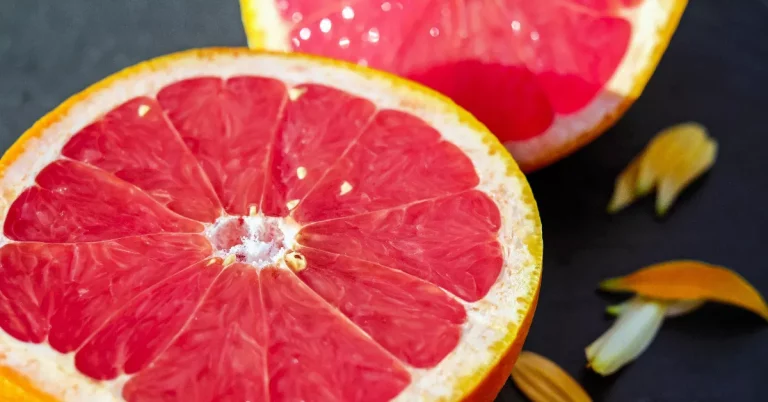

Yuzu brings a bright citrus impression that feels tart, aromatic, and distinctly less sugary than many familiar orange-like notes. In perfume, it often adds sparkling freshness at the top of a composition, where its grapefruit-like bitterness, mandarin-like fruitiness, and green edge can sharpen florals, aquatic notes, woods, and amber.
What is yuzu?
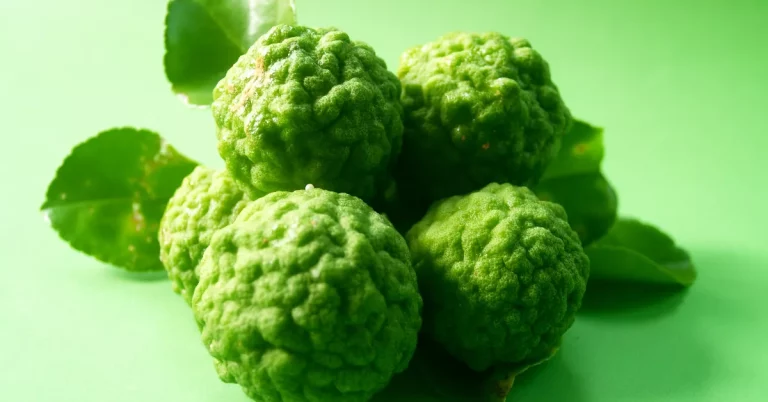
Yuzu is a fragrant citrus, botanically known as Citrus × junos, grown and used widely in East Asia. The fruit is valued for its highly aromatic rind as well as its tart juice.
A citrus with its own personality
Yuzu belongs to the citrus family, but its aroma does not read exactly like lemon, orange, or grapefruit. Its peel can suggest several familiar citrus directions at once while adding a drier, greener, slightly floral and bitter nuance.
In fragrance, “yuzu” may refer to natural yuzu peel oil, a reconstructed accord, or a combination of materials designed to evoke the fruit. A yuzu listing in a note pyramid therefore does not by itself prove that the perfume contains literal yuzu oil.
What does yuzu smell like?
Yuzu is usually perceived as an energetic citrus note with more tartness and aromatic complexity than a simple sweet-orange effect. Depending on the material and surrounding notes, it can lean sparkling and juicy, dry and bitter, green, lightly floral, or almost grapefruit-like.
Yuzu gives the immediate lift expected from citrus, making an opening feel vivid, crisp, and energetic.
Its sour-edged character keeps the note from feeling syrupy or candy-like.
A grapefruit-like bitterness can add bite and sophistication to the citrus impression.
Leafy and rind-like nuances can make yuzu feel more botanical and less purely juicy.
Some yuzu materials show a soft floral facet behind the brighter peel character.
Its peel-like freshness can feel dry and aromatic, helping it bridge citrus to herbs, flowers, woods, or aquatic notes.
Why can yuzu smell different from perfume to perfume?
The word “yuzu” can describe a natural aromatic material or the perfumer’s intended citrus effect. Extraction, raw-material variation, accord construction, dosage, and the notes around it can all change what reaches your nose.
Peel oil versus a perfume accord
Yuzu peel oil can be produced from the aromatic rind, including by cold pressing or steam distillation. Those processes do not create perfectly identical materials, so the balance of fresh, green, tart, and more terpenic facets can shift.
A perfume can also recreate or interpret yuzu without relying entirely on natural peel oil. That gives the perfumer freedom to emphasize a particular direction, such as juicy citrus, bitter grapefruit, airy freshness, or green rind.
What changes the effect?
- Other citrus notes can make yuzu feel brighter, juicier, or more sharply zesty.
- Watery, ozonic, and leafy notes can emphasize its cool green freshness.
- Jasmine, orange blossom, lotus, and other florals can turn the citrus into a luminous floral-citrus bridge.
- Amber and woods can contrast the quick sparkle of yuzu with a warmer, deeper drydown.
How yuzu works in a fragrance
Yuzu is especially useful near the top of a fragrance, where it can create immediate freshness while giving a citrus opening more character than simple sweetness alone. Its tart, green, and bitter facets also make it a useful bridge into floral, aquatic, aromatic, woody, and amber structures.
What pairs well with yuzu?
Yuzu is easy to steer because it combines recognizable citrus brightness with a greener, more bitter edge. Florals soften it, aromatic notes sharpen it, watery notes make it feel even more refreshing, and warm materials create contrast beneath the sparkling opening.


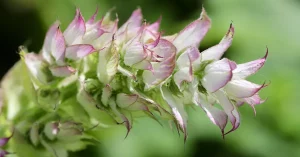




Two perfumes that show different sides of yuzu
These supplied fragrances place yuzu in two distinct structures: one aquatic, peppery, and woody; the other citrusy, watery-floral, and softly warm. In both cases, yuzu appears in the top notes, where its tart brightness helps shape the opening.

Odyssey Homme White Edition
Odyssey Homme White Edition starts with yuzu beside grapefruit and pink pepper, then shifts into violet leaf and sea notes before settling over amber, amberwood, and guaiac wood. The structure gives yuzu a crisp, aquatic-woody setting rather than a sweet citrus one.
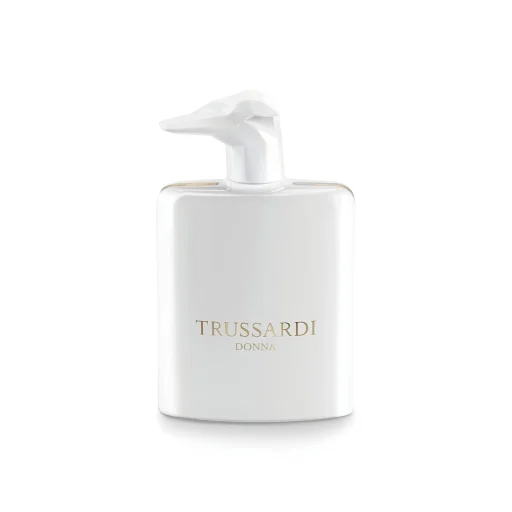
Donna Levriero Limited Edition
Donna Levriero Limited Edition places yuzu inside a broad citrus-fruit opening with bergamot, citron, and water fruit. Jasmine tea, orange blossom, and water lily move the fragrance into a fresh floral heart, while vanilla, sandalwood, patchouli, and cedar add warmth and structure underneath.
Two ways yuzu can change character
Odyssey Homme White Edition
- Yuzu partners
- Grapefruit, pink pepper, violet leaf, sea notes
- Surrounding character
- Citrusy, peppery, green, aquatic, woody
- Choose this direction if…
- You like yuzu with sharper citrus, pepper, marine freshness, and a warm woody-amber base.
Donna Levriero Limited Edition
- Yuzu partners
- Bergamot, citron, water fruit, jasmine tea, orange blossom, water lily
- Surrounding character
- Citrusy, fresh, watery-floral, softly woody
- Choose this direction if…
- You prefer yuzu flowing from a bright multi-citrus opening into airy flowers and a warmer vanilla-wood base.
Yuzu perfume FAQ
Is yuzu a lemon?
No. Yuzu is its own citrus, botanically known as Citrus × junos. Its aroma can remind people of lemon, grapefruit, mandarin, and other citrus fruits, but it has a distinct profile of its own.
What does yuzu smell like in perfume?
Yuzu usually smells bright, tart, fresh, and citrusy, often with bitter rind, green, aromatic, and lightly floral nuances. The exact effect depends heavily on the surrounding notes and how the accord is constructed.
Is yuzu usually a top note?
Yes. Yuzu is commonly used in the opening because its citrus character creates immediate freshness and lift. Like other citrus effects, it is often supported by heart and base materials as the fragrance develops.
Does a yuzu note mean the perfume contains natural yuzu oil?
No. A note pyramid describes the intended scent impression, not necessarily the exact raw materials in the formula. A yuzu effect can come from natural peel oil, an accord, or a combination of materials.
How is yuzu different from grapefruit in perfume?
Both can feel tart and bitter-bright, but yuzu is often described with additional green, aromatic, and subtly floral facets. In a finished perfume, however, the difference also depends on the specific materials and notes around them.
What kinds of fragrances use yuzu well?
Yuzu fits especially naturally into citrus, aquatic, aromatic, floral, and woody compositions. It can brighten a floral heart, sharpen watery freshness, or create vivid contrast above amber and woods.
Yuzu brings more than simple citrus sparkle
Yuzu can make a fragrance feel fresh at first spray, but its tart rind, bitter edge, greenness, and subtle floral character give perfumers several directions to explore. Look at the notes beside it: grapefruit and sea notes can make it crisp and aquatic, flowers can make it luminous and airy, while amber and woods create a warmer contrast beneath the citrus opening.