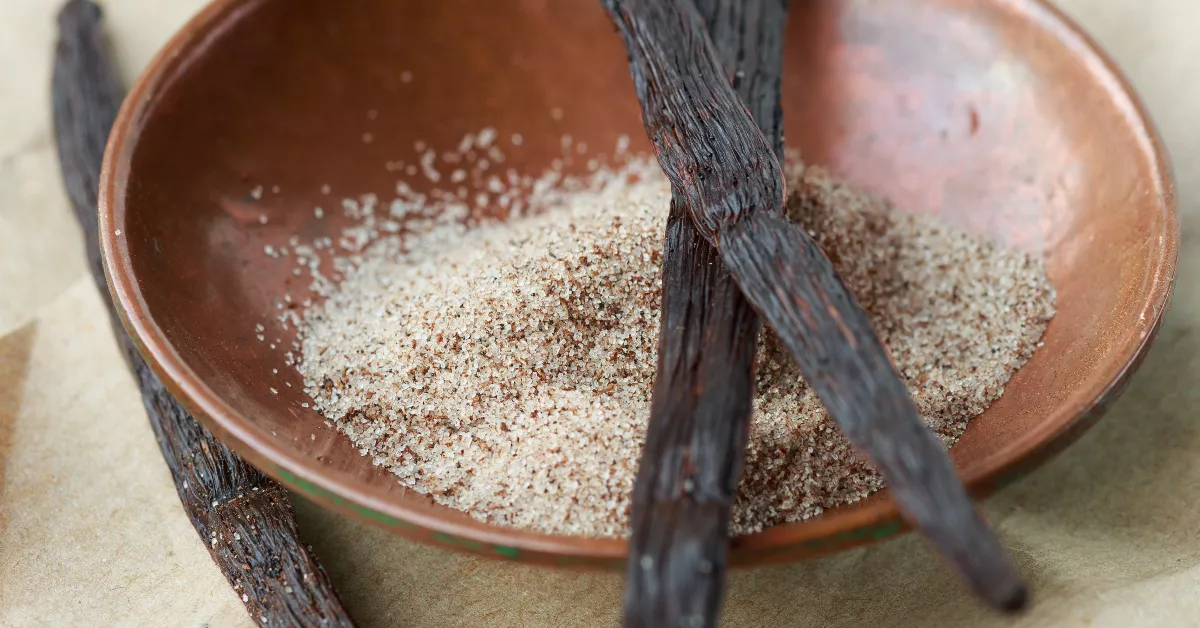
Vanilla is one of perfumery’s most recognizable warm notes, loved for its creamy sweetness, soft spice, and comforting depth. Natural vanilla comes from the cured fruits of tropical Vanilla orchids, while a perfume’s “vanilla” note may be built from natural extracts, vanillin-based materials, or a broader accord designed to evoke the bean.
What is vanilla?
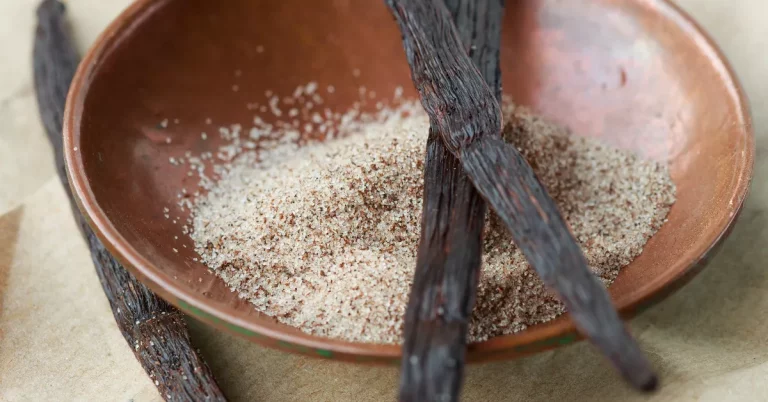
Vanilla is associated most closely with Vanilla planifolia, a climbing tropical orchid whose long fruits are harvested and cured to develop the familiar vanilla aroma.
From orchid fruit to fragrant material
The vanilla orchid produces elongated fruits often called beans or pods. Freshly harvested fruits do not smell like the finished vanilla most people recognize; curing and conditioning help transform them into an intensely aromatic material.
In fragrance, natural vanilla materials can contribute a complex bean-like character, but the word “vanilla” in a perfume note list does not prove that a formula contains a particular natural extract.
What does vanilla smell like?
Vanilla is usually perceived as warm and sweet, but it is broader than a simple sugary smell. Depending on the material and surrounding notes, it can feel creamy, powdery, balsamic, woody, softly spicy, or distinctly gourmand.
A smooth, rounded softness that can make a fragrance feel plush and enveloping.
A familiar sweetness that can range from restrained and airy to rich and dessert-like.
Some vanilla effects have a soft, dry, almost cosmetic finish rather than a syrupy one.
Darker vanilla treatments can suggest resinous warmth and a slow, deep sweetness.
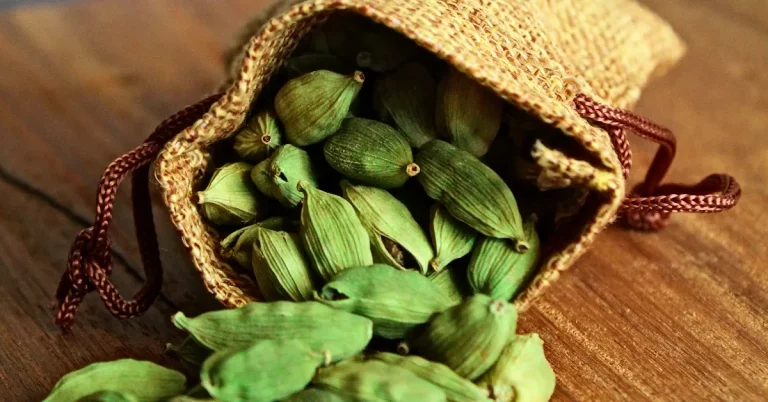
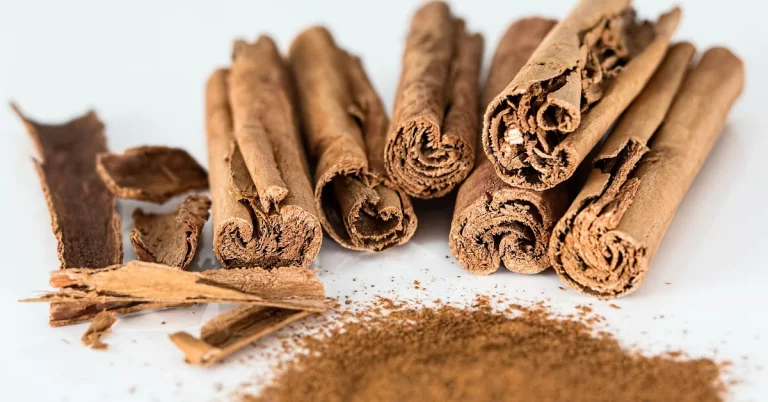
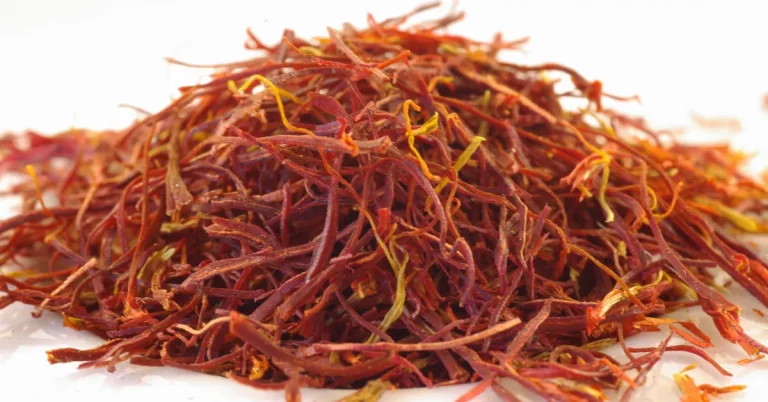
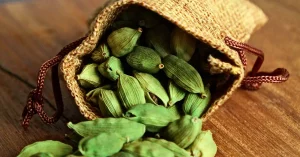
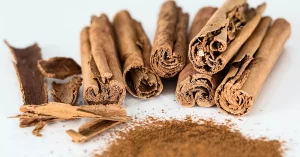
Pepper, cardamom, cinnamon, saffron, and related notes can bring out vanilla’s warmer edges.
With tonka, caramel-like effects, fruit, or edible accords, vanilla can strongly suggest desserts and confections.
Why vanilla can smell so different
The word “vanilla” can describe a botanical raw material, a specific vanilla-derived ingredient, or the overall impression created by a perfume accord. Those are related ideas, but they are not interchangeable.
Natural vanilla and vanilla-style materials
Natural vanilla is chemically complex, and vanillin is one of its most important aroma components. Perfumers can also work with vanillin and other aromatic materials to emphasize selected facets of vanilla or to construct a vanilla impression without relying entirely on a natural bean extract.
This gives perfumers a wide palette: one formula may highlight a rich, dark bean effect, while another may focus on a clean, powdery sweetness or a smooth creamy warmth.
What changes the impression?
- The type of vanilla material or accord used in the formula.
- The balance between sweetness, woods, resins, florals, spices, musks, and fruit.
- Whether vanilla appears as a central theme or as a supporting base note.
- The overall composition, which can make vanilla feel edible, dry, smoky, floral, fresh, or ambery.
How vanilla works in a fragrance
Vanilla often sits in the heart or base of a perfume, where it adds warmth, sweetness, and a rounded texture. It can be the main attraction in a gourmand fragrance or quietly soften sharper woods, spices, aromatics, and florals.
What pairs well with vanilla?
Vanilla is unusually flexible: it can deepen warm materials, soften florals, smooth spices, or add a creamy contrast to fresher notes.
Perfumes that show different sides of vanilla
These fragrances place vanilla beside fresh fruit, spices, aromatics, florals, amber, woods, and musk, showing how dramatically its character can shift with the surrounding composition.
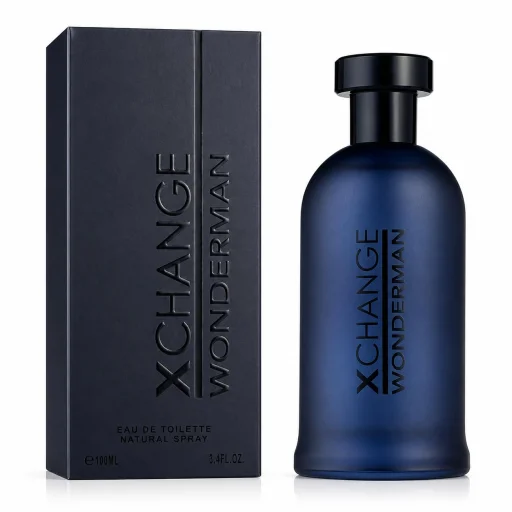
Xchange Wonderman
A bright aromatic opening of pear, lavender, mint, bergamot, and lemon moves into cinnamon, sage, and coriander before settling onto a darker vanilla-led base with patchouli, ambergris, and cedar.
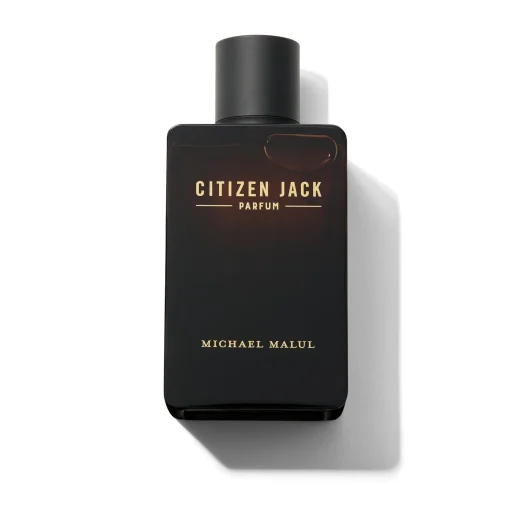
Citizen Jack Parfum
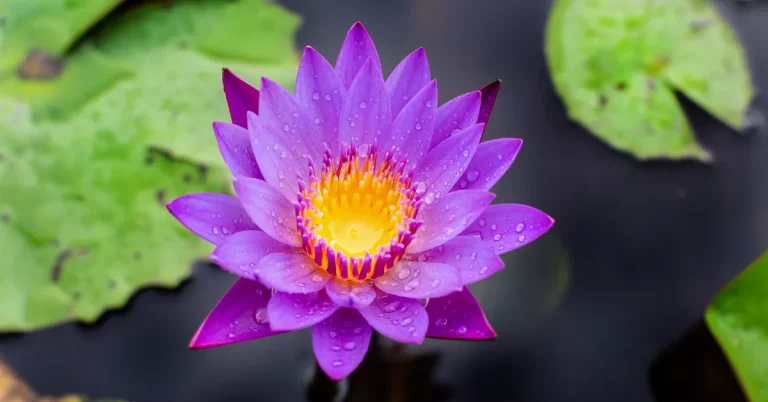
Melon, bergamot, water lily, and mandarin leaf create a fresh opening. Vanilla appears in the heart with amberwood, clary sage, and violet leaf, above a woody-musky base of sandalwood, tonka bean, vetiver, and musk.
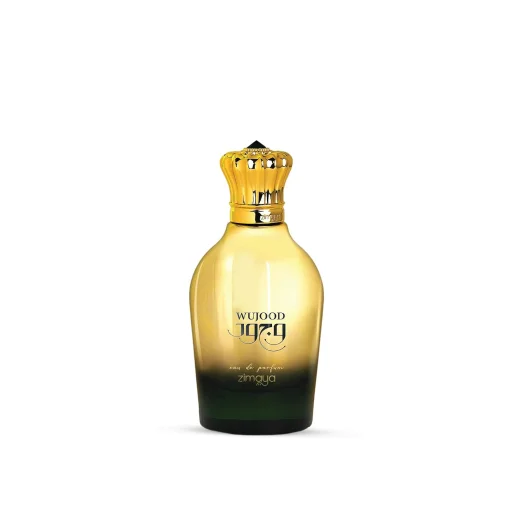
Zimaya Wujood
Vanilla appears from the opening through the base, first beside black pepper and elemi, then returning under smoky-resinous olibanum, saffron, and musk with amber in the drydown.
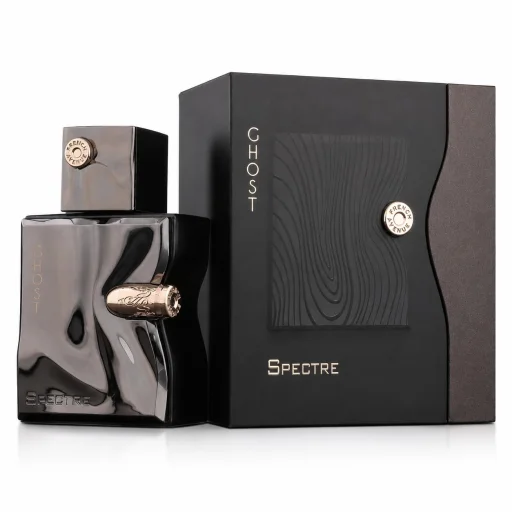
Spectre Ghost
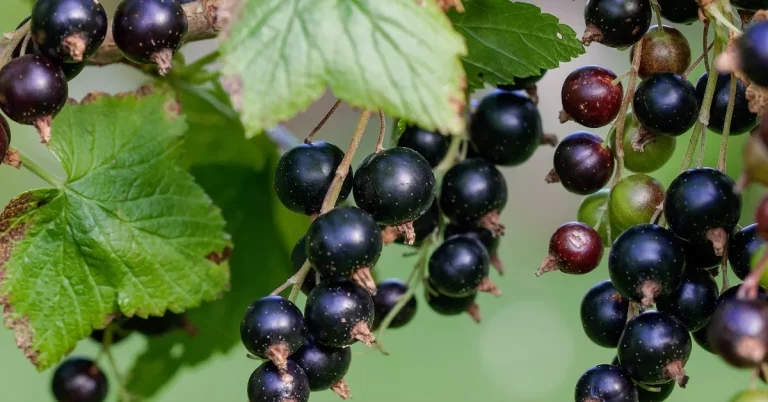
Ginger, cardamom, and bergamot open with brightness and spice. Blackcurrant, rose, and pink pepper add fruit and floral contrast before vanilla settles into a woody base with patchouli and cedarwood.
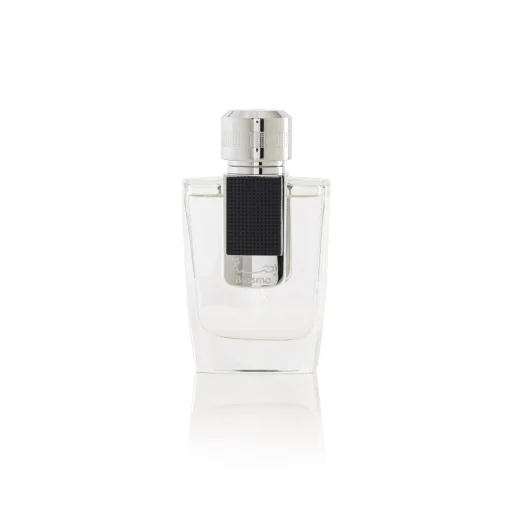
Bussma
Saffron and bergamot lead into a heart of vanilla and amber. Cedar and tonka bean form the base, extending the composition’s warm woody and sweet direction.
Five ways vanilla changes character
Xchange Wonderman
- Vanilla partners
- Patchouli, ambergris, cedar, cinnamon
- Surrounding character
- Fresh aromatic opening, warm spice, dark woody base
- Choose this direction if…
- You want vanilla contrasted with minty freshness, herbs, spice, and woods.
Citizen Jack Parfum
- Vanilla partners
- Amberwood, clary sage, sandalwood, tonka bean
- Surrounding character
- Fresh, watery-fruity, aromatic, woody
- Choose this direction if…
- You like vanilla integrated into a fresher aromatic and woody structure.
Zimaya Wujood
- Vanilla partners
- Black pepper, elemi, olibanum, saffron, amber
- Surrounding character
- Spicy, resinous, warm, ambery
- Choose this direction if…
- You want vanilla wrapped in pepper, incense-like resin, saffron, and amber.
Spectre Ghost
- Vanilla partners
- Cardamom, rose, blackcurrant, patchouli, cedarwood
- Surrounding character
- Spicy, fruity-floral, woody
- Choose this direction if…
- You enjoy vanilla after a bright spicy opening and a tart, rosy heart.
Bussma
- Vanilla partners
- Amber, saffron, cedar, tonka bean
- Surrounding character
- Warm, ambery, woody-spiced
- Choose this direction if…
- You want vanilla centered in a compact amber, saffron, cedar, and tonka structure.
Vanilla perfume FAQ
Is vanilla in perfume always made from real vanilla beans?
No. A listed vanilla note describes the intended scent impression, not necessarily a specific raw material. Perfumers may use natural vanilla materials, vanillin-based ingredients, other aroma materials, or combinations of these to create a vanilla effect.
Is vanilla always a gourmand note?
No. Vanilla is common in gourmand perfumes, but woods, spices, florals, musks, resins, and aromatic notes can make it feel much drier, darker, fresher, or more polished.
Why can two vanilla perfumes smell completely different?
The vanilla material or accord can differ, and the surrounding composition matters enormously. Amber and tonka may make it richer, citrus and aromatics can lighten it, while woods, patchouli, or incense-like notes can make it darker and drier.
Where does vanilla usually appear in a perfume?
Vanilla commonly appears in the heart or base, where its warmth and sweetness can support the fragrance as it dries down. It can also be present from the opening when the composition is built around vanilla as a central theme.
What is vanillin?
Vanillin is a major aroma component associated with the characteristic smell of vanilla. In perfumery, vanillin materials can be used to create or strengthen sweet, powdery, creamy, and vanilla-like effects.
What notes are good with vanilla if I do not want something too sweet?
Look for vanilla paired with cedar, patchouli, vetiver, bergamot, lavender, clary sage, cardamom, or other aromatic and woody notes. These can give vanilla more freshness, dryness, spice, or structure.
Vanilla can be soft, dark, fresh, floral, or richly sweet
Vanilla’s familiarity makes it easy to recognize, but its versatility is what keeps it interesting in perfume. Follow the notes around it: spices reveal warmth, woods add dryness and depth, florals make it more luminous, and amber or tonka can amplify its soft, enveloping sweetness.