Ginger brings a lively kind of spice to perfume: bright, warm, slightly citrusy, and often more sparkling than heavy. In fragrance formulas, a ginger note can sharpen citrus, energize woods, lift florals, or add a clean spicy contrast to sweeter materials.
What is ginger?
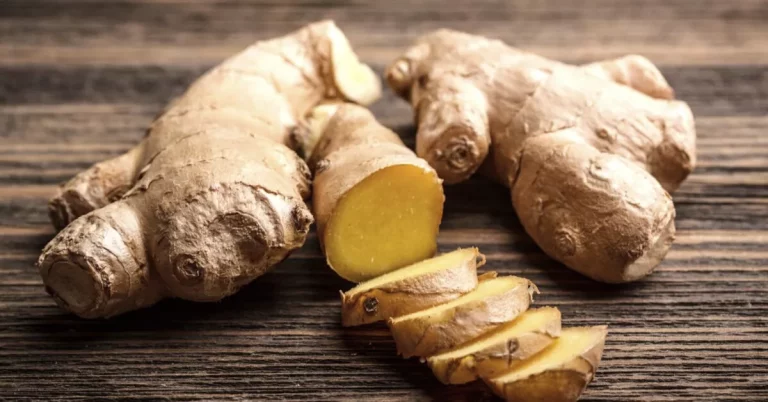
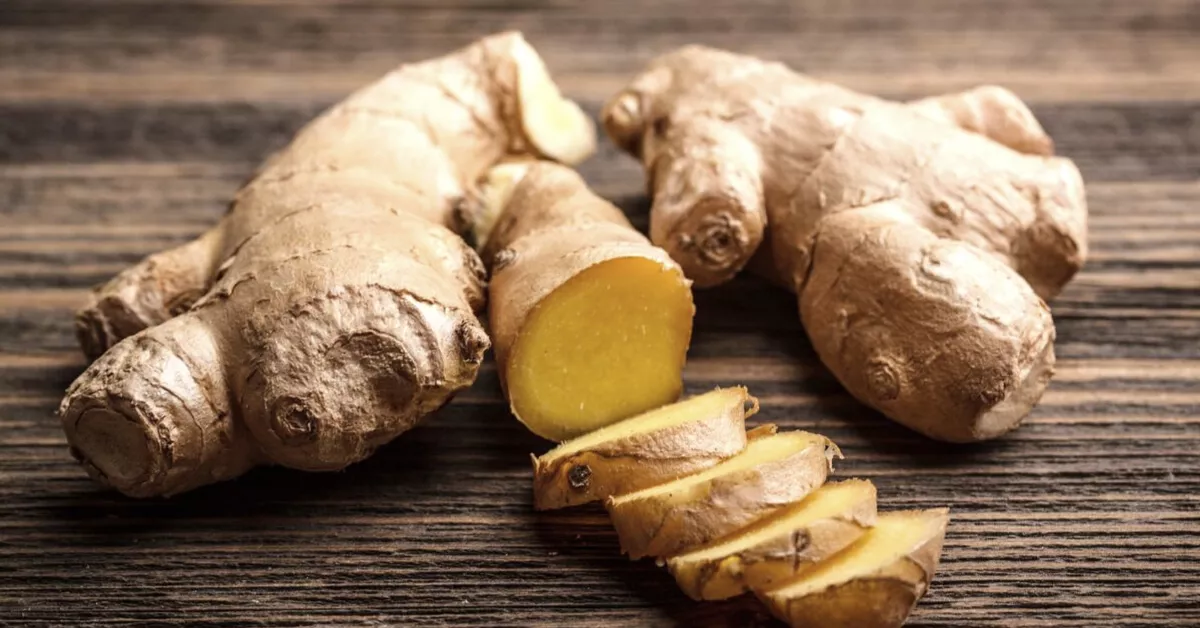
Ginger comes from the rhizome of Zingiber officinale, the same aromatic plant widely used in cooking and traditional preparations. Perfumery may draw inspiration from the natural material or recreate a ginger-like effect as part of a fragrance accord.
From rhizome to fragrance note
The familiar fresh root has an aromatic profile that combines warmth, brightness, and a distinctive spicy bite. That makes ginger useful when a perfumer wants spice without the darker, denser impression associated with some resinous or sweet spices.
A listed ginger note does not automatically mean the perfume contains a literal natural ginger extract. The intended impression can come from natural material, aroma materials, or a blend designed to suggest ginger.
What does ginger smell like?
In perfume, ginger is usually recognizable by its energetic balance of spicy warmth and cool, almost sparkling freshness. The exact effect changes depending on what surrounds it.
A crisp, tingling spice that feels lively rather than heavy.
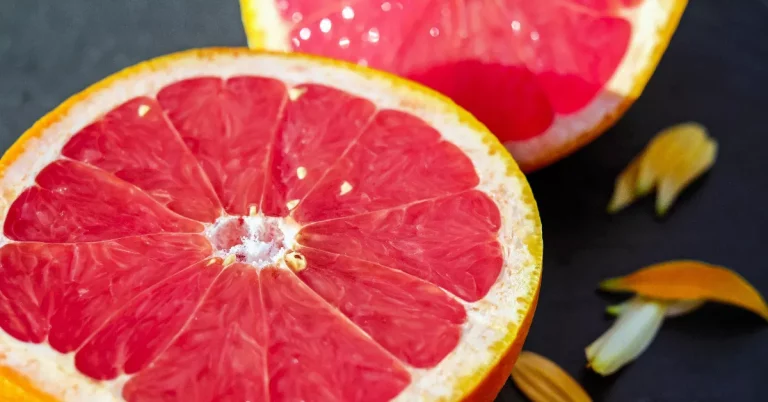
A bright edge can make ginger feel naturally at home beside bergamot, lemon, and grapefruit.
Under the freshness sits a gentle heat that can connect citrus openings to warmer hearts and bases.
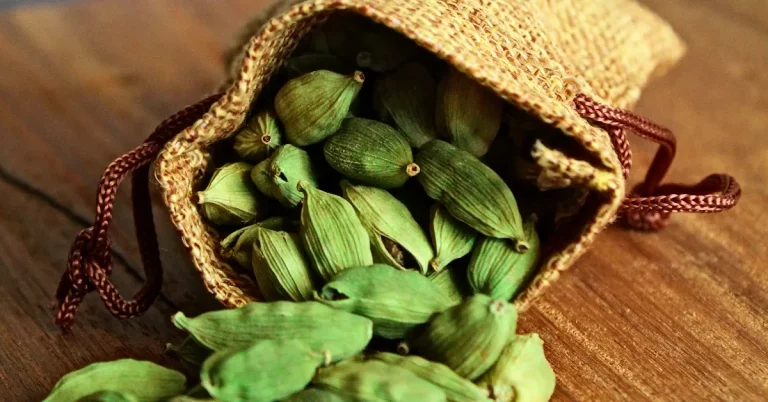
Some ginger accords emphasize a dry, prickly bite that echoes pink pepper or cardamom.
Herbs, woods, and green notes can pull ginger toward a cleaner, more outdoorsy direction.
Woodier settings can reveal the root-like side of ginger without making it smell muddy or dense.
Natural ginger and the perfume “ginger” effect
The scent of the culinary root is a useful reference point, but perfumery is not limited to copying it literally. A composition can spotlight one facet of ginger while muting another.
A flexible spicy building block
Perfumers can use ginger to create motion between bright and warm materials. It can keep a citrus opening from feeling flat, add snap to aromatics, or bring freshness into a woody-spicy structure.
Because the surrounding formula strongly changes perception, “ginger” may seem lemony and airy in one fragrance but creamy, woody, peppery, or warmly spiced in another.
What changes the impression?
- Citrus notes emphasize ginger’s sparkling, zesty side.
- Cardamom and pepper make the spice feel drier and more aromatic.
- Vanilla and amber soften the edges and bring out warmth.
- Cedar, vetiver, sandalwood, and tobacco give ginger a woodier, deeper frame.
How ginger works in a fragrance
Ginger is especially useful when a fragrance needs spice with brightness. It can act as a transition note, a contrast, or a source of aromatic energy rather than simply making a perfume smell “spicy.”
What pairs well with ginger?
Ginger is unusually adaptable: citrus makes it sparkle, other spices deepen its warmth, florals soften its bite, and woods give it structure.
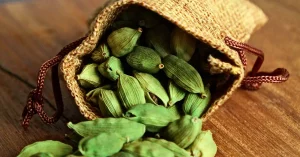
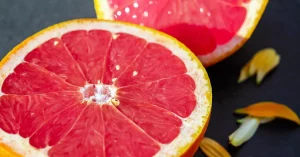

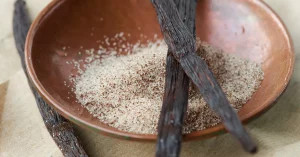
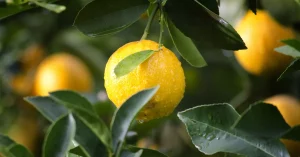
Perfumes that show different sides of ginger
These fragrances place ginger in distinctly different settings, from sparkling citrus and cardamom to tobacco, woods, florals, and aquatic notes.
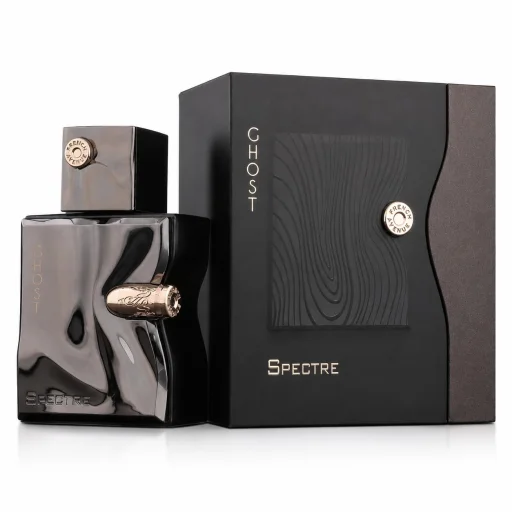
Spectre Ghost
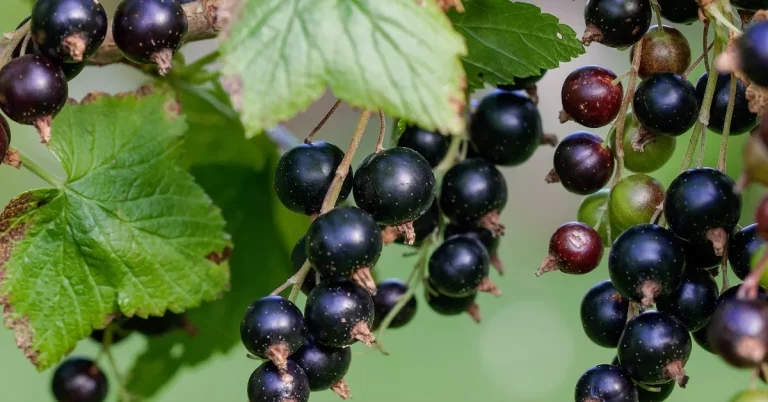
Ginger opens beside cardamom and bergamot, then moves into a heart of blackcurrant, rose, and pink pepper before vanilla, patchouli, and cedarwood take over the base.
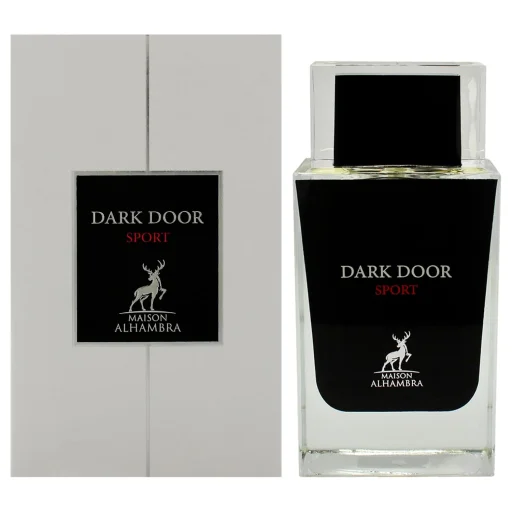
Dark Door Sport
A citrus-heavy opening of grapefruit, bergamot, and lemon gives way to ginger with cedar and vetiver, followed by lavender, sandalwood, and rosemary.
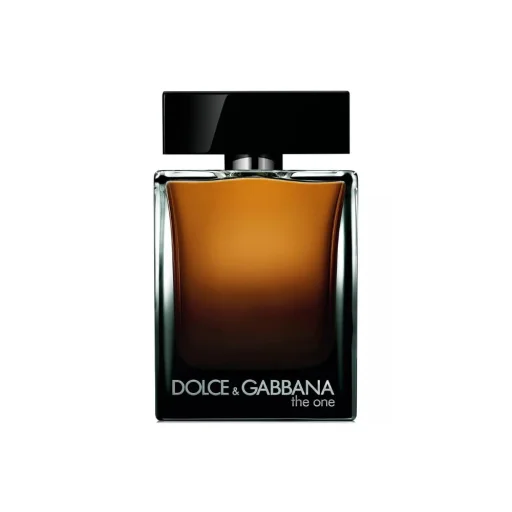
The One for Men Eau de Parfum
Grapefruit, coriander, and basil lead into a heart of cardamom, ginger, and orange blossom, with amber, tobacco, and cedar forming the base.
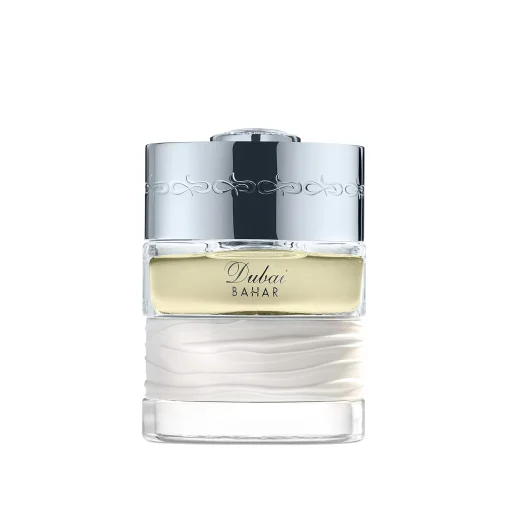
Bahar
Bahar places ginger inside a broad, highly layered opening of marine, ozonic, citrus, green, fruity, and spicy notes before moving into florals, woods, spices, and a deep woody-amber base.
Four ways ginger can change direction
Spectre Ghost
- Ginger partners
- Cardamom, bergamot, pink pepper
- Surrounding character
- Warm spicy, fruity-floral, vanilla and woody
- Choose this direction if…
- You like ginger brightened by citrus but rounded by vanilla and woods.
Dark Door Sport
- Ginger partners
- Grapefruit, lemon, cedar, vetiver
- Surrounding character
- Citrusy, dry, aromatic and woody
- Choose this direction if…
- You want ginger to feel crisp, sporty, and closely tied to citrus and dry woods.
The One for Men Eau de Parfum
- Ginger partners
- Cardamom, orange blossom, amber, tobacco
- Surrounding character
- Warm spicy, floral, ambery and tobacco-rich
- Choose this direction if…
- You prefer ginger softened into a warmer, deeper spicy composition.
Bahar
- Ginger partners
- Citruses, watery notes, green notes, cardamom
- Surrounding character
- Aquatic, citrusy, fruity, floral, woody and ambered
- Choose this direction if…
- You enjoy ginger as one bright facet inside a complex, many-layered fragrance.
Ginger perfume FAQ
Is ginger in perfume sweet or spicy?
Usually both warmth and spice are present, but ginger is often brighter and fresher than sweet spices such as cinnamon. Citrus can make it feel zesty, while vanilla or amber can make it seem softer and warmer.
Does ginger perfume smell like fresh ginger root?
It can suggest the fresh root, but perfume notes are interpretive. A composition may emphasize ginger’s citrusy sparkle, peppery bite, warmth, or aromatic dryness rather than reproducing every aspect of fresh ginger.
Is ginger usually a top note?
Ginger often works well in bright openings, but it can also appear in the heart. Its placement depends on the composition and on the materials used to create the ginger effect.
Is ginger a masculine perfume note?
No. Ginger is used across masculine, feminine, and unisex fragrances. Its character depends much more on the surrounding citrus, florals, woods, spices, musks, or sweet notes than on gender labeling.
What makes ginger smell fresh in perfume?
Pairings with bergamot, lemon, grapefruit, watery notes, herbs, or green materials can emphasize ginger’s crisp and sparkling facets.
What makes ginger smell warmer?
Cardamom, amber, vanilla, tobacco, cedar, sandalwood, and other warm or woody notes can pull ginger away from a sharp citrus effect and toward a smoother spicy impression.
Ginger brings spice with light around the edges
Ginger is a useful reminder that “spicy” does not have to mean dark or heavy. Its bright, peppery warmth can make citrus more vivid, woods more energetic, florals more modern, and sweet notes more balanced, giving perfumers a flexible way to add both movement and warmth.