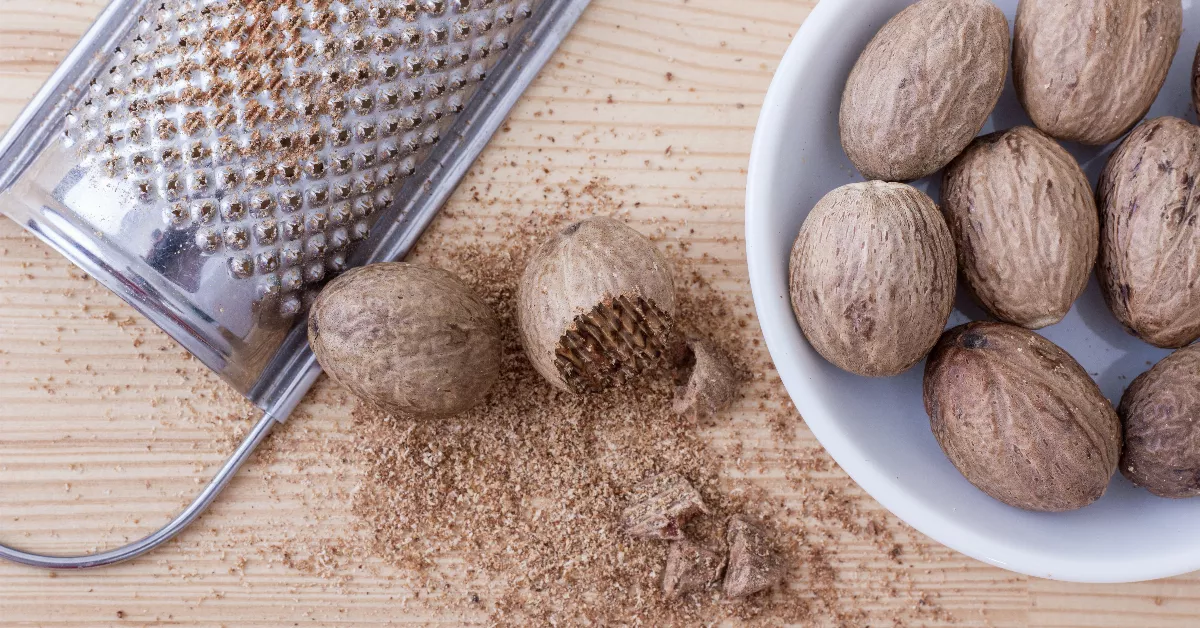
Nutmeg brings a warm, aromatic spice effect to perfume, often balancing fresh pungency with woody, gently sweet, and dry facets. In fragrance descriptions, a nutmeg note may refer to a natural aromatic material, a reconstructed accord, or simply the intended impression of the spice rather than proof that a particular extract is present.
What is nutmeg?
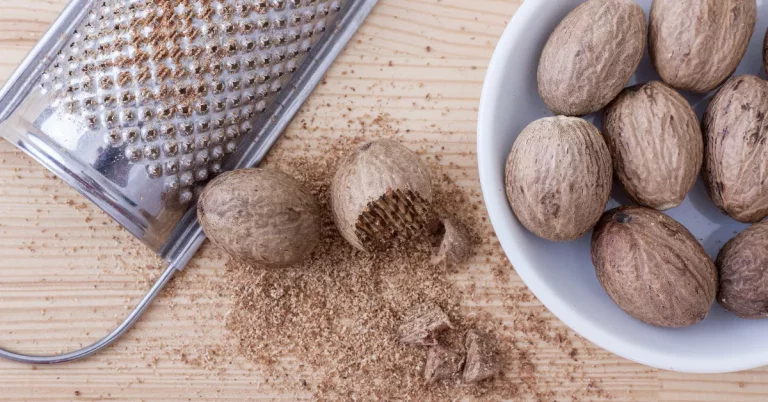
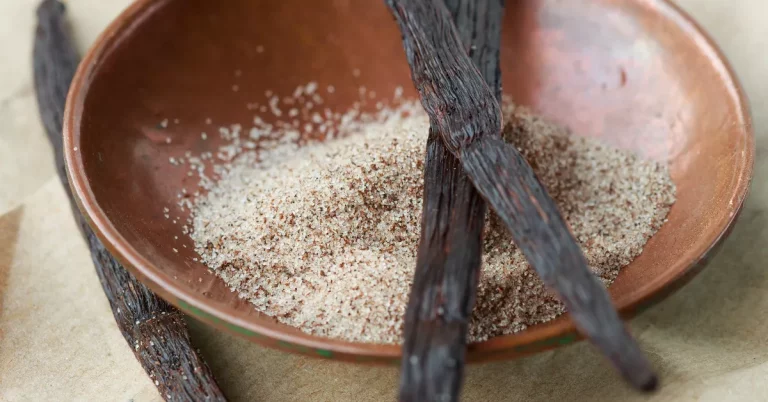
Nutmeg is the seed of the fruit of Myristica fragrans, an evergreen tree. The same fruit also gives us mace, which comes from the lacy covering around the seed rather than from the seed itself.
A spice with several perfume expressions
For perfumery, nutmeg can be represented with natural aromatic materials such as essential oil or absolute, or recreated through an accord that emphasizes the spice’s recognizable warm, fresh, woody, and sweet facets.
Those materials do not smell identical. A nutmeg essential oil can feel lighter, fresher, and more pungent, while a nutmeg absolute can read richer, rounder, sweeter, and more body-like in a composition.
What does nutmeg smell like?
Nutmeg is recognizably spicy, but it is not simply hot or sharp. Depending on the material and the surrounding notes, it can move from fresh and lively to warm, woody, softly sweet, creamy, or even faintly tobacco-like.
A rounded spice warmth gives nutmeg an enveloping character without automatically making it sugary.
Its brighter side can feel lively and aromatic, especially near citrus, cardamom, or other crisp top notes.
A dry woody undertone helps nutmeg merge naturally with cedar, sandalwood, vetiver, and other structured bases.
Nutmeg can suggest gentle sweetness, but the effect is usually drier and more aromatic than vanilla or praline.
Some nutmeg materials have a sharper, more immediately spicy lift that gives a perfume energy and contrast.
Richer extracts can emphasize smoother, rounder facets that lean toward cream, warm wood, or tobacco-like depth.
Natural nutmeg materials and the perfume note
A listed nutmeg note tells you how a fragrance is intended to smell, not necessarily exactly which raw material was used to create that impression.
How the scent may be represented
Nutmeg essential oil is obtained from the spice and can provide a lively, fresh, warm, spicy-sweet aroma with a woody drydown. Nutmeg absolute offers a denser interpretation, described by natural-material suppliers as richer, smoother, sweeter, and more rounded.
A perfumer can also build or reinforce a nutmeg-like effect with other aroma materials. Because formulas are proprietary, a note list alone cannot confirm whether a perfume uses essential oil, absolute, a reconstruction, or a combination.
What changes the impression?
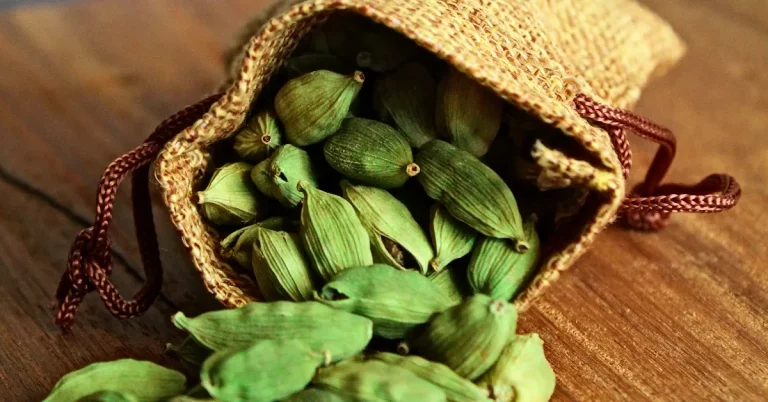
- Citrus and cardamom can make nutmeg feel brighter, fresher, and more aromatic.
- Rose, tuberose, lavender, and other florals can soften its dryness while keeping a spicy contrast.
- Vanilla, praline, tonka, amber, and benzoin can pull nutmeg toward a sweeter, warmer direction.
- Cedar, sandalwood, vetiver, patchouli, leather, and musk can emphasize its dry woody depth.
How nutmeg works in a fragrance
Nutmeg is useful as a bridge note: it can connect bright openings to warmer hearts, sharpen florals, enrich woods, or keep sweet amber and vanilla structures from feeling completely soft or sugary.
What pairs well with nutmeg?
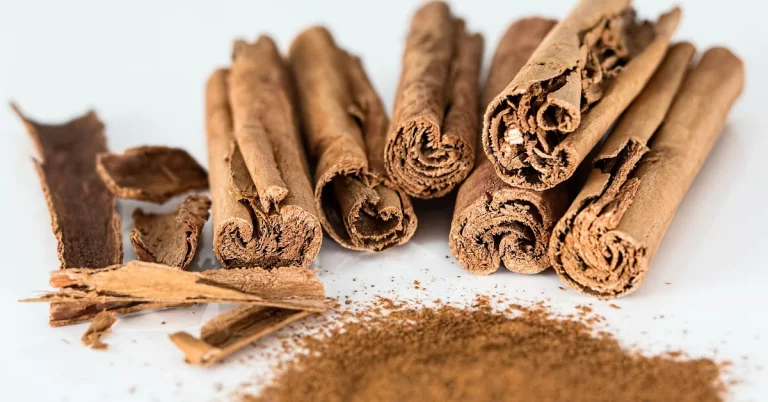
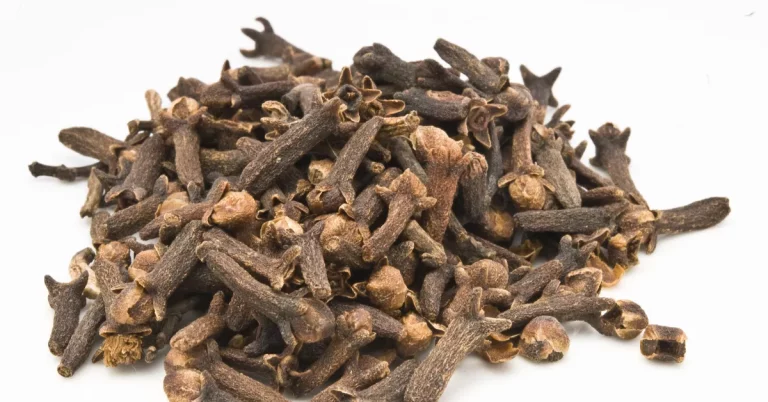
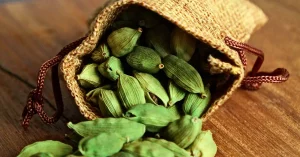
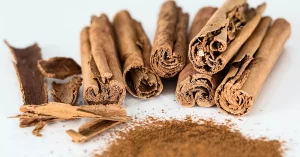
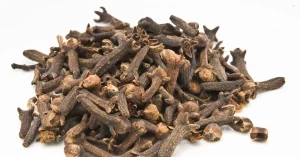
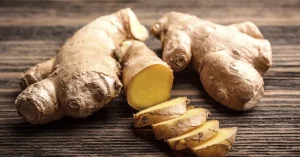
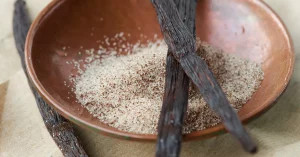
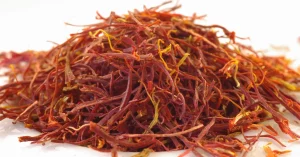
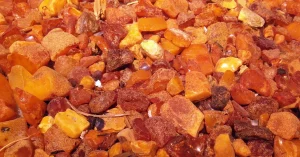
Nutmeg can move in several directions depending on its partners: fresher with citrus and cardamom, warmer with cinnamon and clove, more floral with rose, or richer with vanilla, saffron, and amber.

Five perfumes that show different sides of nutmeg
These supplied fragrances place nutmeg in very different settings: bright citrus and rose, cardamom and apple, dates and saffron, lavender and amber, or a densely layered floral-spicy heart.
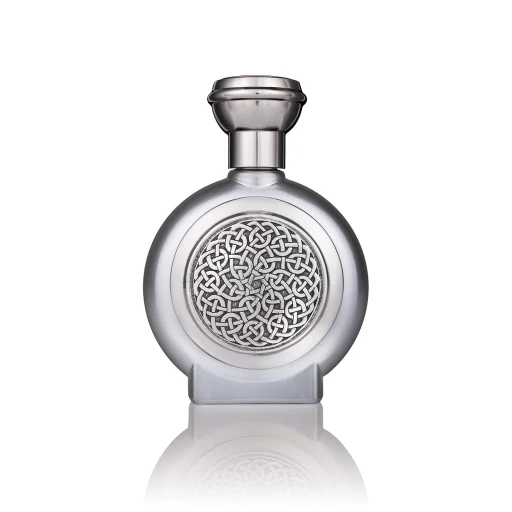
Lavish
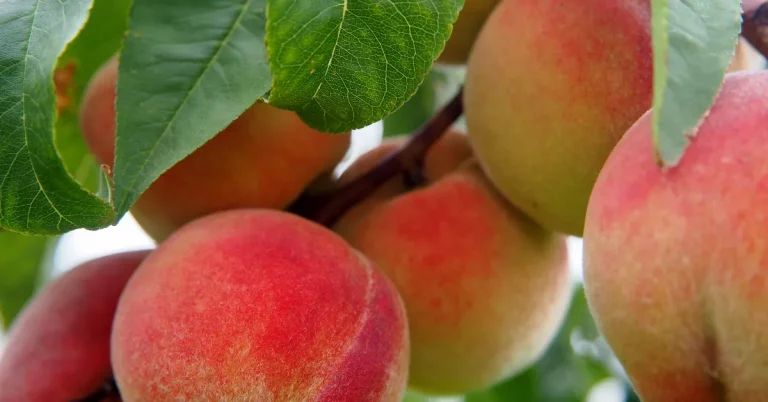
Lavish opens with lemon and bergamot, then places nutmeg beside orange and rose before moving into a woody amber base.
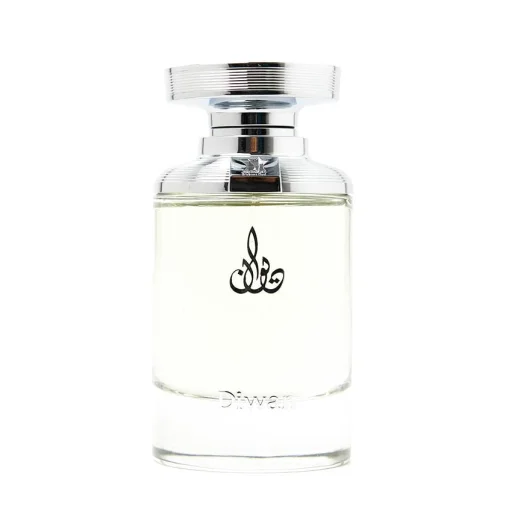
Diwan
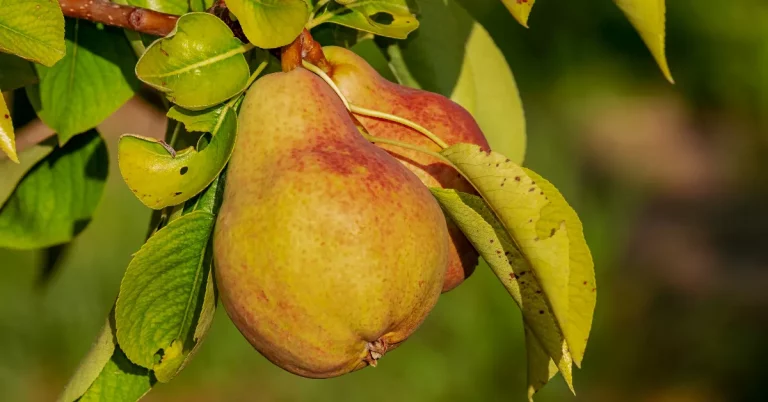
Diwan places nutmeg directly in a bright aromatic opening with bergamot, cardamom, and apple, then deepens the composition through cashmere wood, ambergris, musk, patchouli, and vanilla.

Sharaf Blend
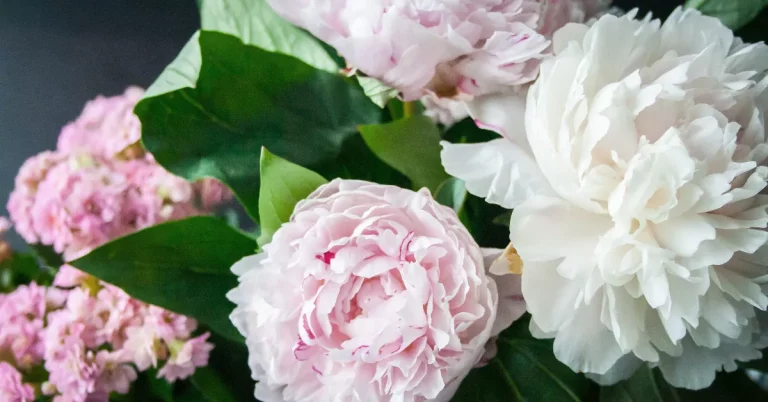
Sharaf Blend starts with dates, nutmeg, and saffron before moving into vanilla, praline, and tuberose, then settles over tonka bean, amberwood, benzoin, and musk.
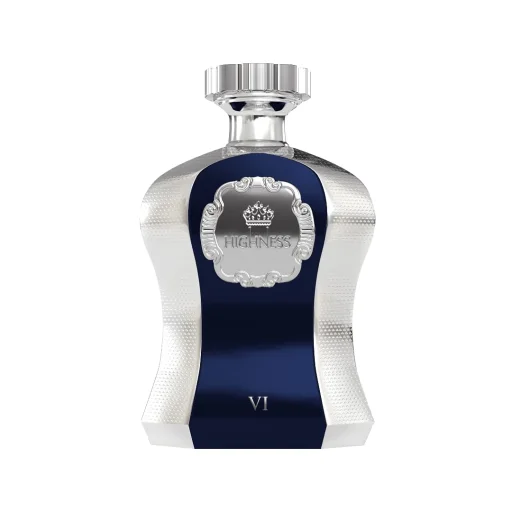
Highness VI
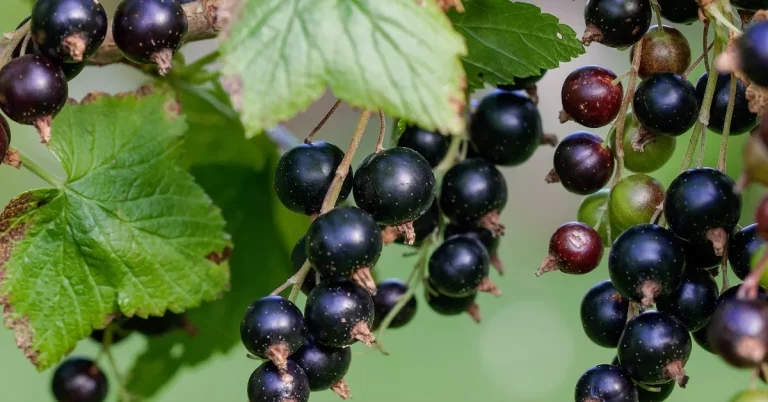
Highness VI places nutmeg in a spice-and-ambergris opening, followed by lavender, patchouli, and black currant and a base of amber, musk, and oakmoss.

Safari Extreme
Safari Extreme uses nutmeg as one element inside a densely layered floral-spicy heart, following an expansive fruit, citrus, floral, herb, and saffron opening and leading into a woody, leathery, musky, vanilla-toned base.
Five ways nutmeg can change direction
Lavish
- Nutmeg partners
- Rose, orange, lemon, bergamot, vetiver, sandalwood, cedar, amber
- Surrounding character
- Bright citrus-floral heart over a dry woody amber base
- Choose this direction if…
- You want nutmeg softened by rose and carried into polished woods rather than a sweet gourmand base.
Diwan
- Nutmeg partners
- Cardamom, bergamot, apple, cashmere wood, patchouli, vanilla
- Surrounding character
- Fresh spicy and fruity at first, then woody, musky, and warm
- Choose this direction if…
- You like nutmeg paired with another aromatic spice and a bright fruit-citrus opening.
Sharaf Blend
- Nutmeg partners
- Dates, saffron, vanilla, praline, tuberose, tonka, benzoin
- Surrounding character
- Sweet, warm, floral, amber-toned, and richly spiced
- Choose this direction if…
- You want nutmeg surrounded by sweet notes, warm resins, and a creamy floral heart.
Highness VI
- Nutmeg partners
- Spices, ambergris, lavender, patchouli, black currant, amber, oakmoss
- Surrounding character
- Aromatic, spicy, earthy, musky, and amber-toned
- Choose this direction if…
- You prefer nutmeg in a drier aromatic structure with lavender, patchouli, moss, and amber.
Safari Extreme
- Nutmeg partners
- Saffron, florals, peach, olibanum, clove, sandalwood, leather, amber, vanilla
- Surrounding character
- Dense floral-spicy heart with fruit above and woods, leather, musk, and vanilla below
- Choose this direction if…
- You want nutmeg as one spice within a highly layered floral, fruity, woody, and leathery composition.
Nutmeg perfume FAQ
Is nutmeg a warm spice or a fresh spice in perfume?
It can show both sides. Nutmeg often smells warm, dry, and woody, but natural nutmeg oil can also have a lively, fresh, pungent quality that feels brighter than many heavier spice notes.
Does nutmeg smell sweet?
Nutmeg can have a gentle spicy sweetness, but it is usually drier and more aromatic than vanilla, caramel, or praline. Sweet surrounding notes can make that facet much more noticeable.
Does a nutmeg note mean a perfume contains natural nutmeg oil?
No. A fragrance note describes the intended olfactory impression. The formula may use natural nutmeg material, other aroma materials, or a combination, and the note list alone does not reveal which.
What is the difference between nutmeg and mace?
Both come from the fruit of Myristica fragrans, but they are different parts. Nutmeg is the seed, while mace is made from the aril, the lacy covering around that seed.
What fragrance families suit nutmeg?
Nutmeg fits especially naturally into spicy, woody, amber, aromatic, floral, leather, vanilla, and gourmand-leaning compositions. Citrus and fresh aromatics can also bring out its brighter side.
Why does nutmeg smell different from one perfume to another?
The material, concentration, and surrounding notes all matter. Citrus and cardamom can make it fresher; florals can make it more refined; vanilla, amber, tonka, and resins can make it sweeter; and woods, patchouli, leather, or moss can make it drier and darker.
Nutmeg is warm spice with more range than it first suggests
Look beyond the word “spicy” and nutmeg becomes much easier to recognize. With citrus and cardamom it can feel lively and aromatic; with rose or tuberose it becomes a warm contrast to petals; and with vanilla, amber, woods, leather, or resins it settles into a smoother, deeper form of spice.