
Lemon brings one of perfumery’s clearest flashes of citrus: bright, tart, zesty, and immediately fresh. Depending on the material and the notes around it, a lemon effect can feel like freshly cut peel, sparkling juice, aromatic greenery, soft citrus blossom, or a clean burst that lifts an entire fragrance.
What is lemon?
Lemon is the yellow citrus fruit of Citrus × limon. In fragrance, the most important distinction is between the fruit itself, aromatic materials obtained from its peel, and the broader “lemon note” a perfumer can construct in a finished formula.
Fruit, peel oil, and perfume note
The aromatic outer peel of a lemon contains volatile oil that can be collected mechanically by expression. Lemon oil can also be produced by distillation, creating a related but somewhat different-smelling material.
A listed lemon note does not necessarily mean a perfume contains literal lemon peel oil. Perfumers can create a recognizable lemon impression with natural citrus materials, individual aroma materials, or a combination of both.
What does lemon smell like?
A lemon note usually reads as crisp citrus first, but it has more range than simple “sour fruit.” The exact impression can shift from sharp zest to juicy freshness, green peel, gentle sweetness, or a softer citrus glow.
The peel can suggest a brisk, freshly grated citrus zest with a vivid aromatic snap.
Lemon often gives a fragrance a mouthwatering sharpness that feels drier and more pointed than sweeter orange notes.
In a fruitier accord, the note can suggest fresh-cut lemon or a splash of citrus juice rather than dry peel.
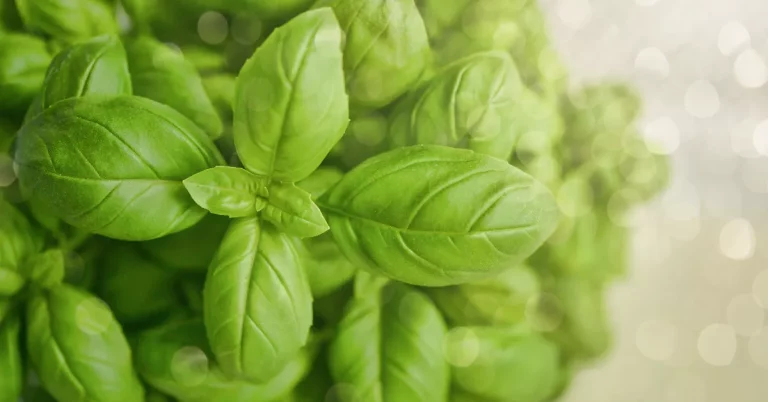
Herbs, leaves, and other aromatic notes can pull lemon toward a greener, more botanical direction.
Its brightness is often used to create a crisp, airy, freshly washed impression when paired with musks, florals, or aromatic notes.
Flowers, vanilla, or sweet fruits can round the tart edge and make lemon feel smoother, gentler, or candied.
Why lemon can smell different from perfume to perfume
Part of the variation comes from the lemon material itself, and part comes from how the perfumer builds the surrounding accord.
Expression, distillation, and reconstruction
Expressed lemon oil is obtained mechanically from citrus peel and tends to emphasize a vivid, fresh peel character. Steam-distilled lemon oil can smell softer and less tart than an expressed oil.
Perfumers are not limited to either material. A formula can reinforce, soften, abstract, or recreate lemon with other fragrance materials, which is why a note list alone cannot tell you exactly which lemon material was used.
What changes the effect?
- Bergamot, grapefruit, mandarin, or orange can widen lemon into a fuller citrus accord.
- Mint, lavender, herbs, or spices can make it feel cooler, greener, and more aromatic.
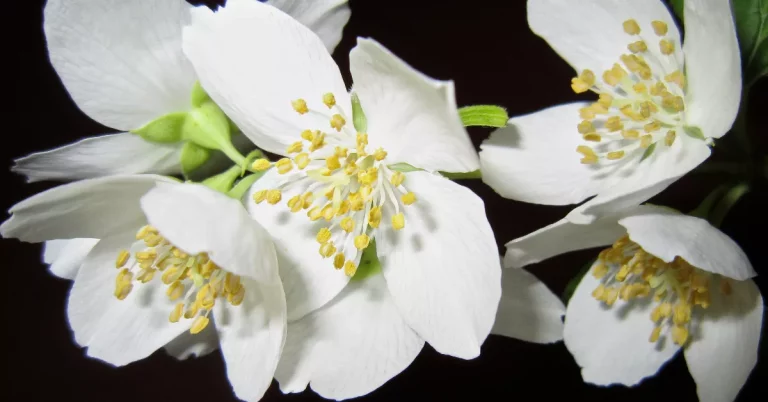
- Rose, jasmine, orange blossom, and other florals can soften the tartness and create a luminous floral-citrus transition.
- Vanilla, amber, woods, and musks can make the bright opening feel warmer, smoother, and more rounded as the fragrance develops.
How lemon works in a fragrance
Lemon is especially useful near the opening of a composition, where its volatile citrus character can create immediate brightness. It can stand out as a recognizable note or work more quietly as part of the structure around florals, aromatics, fruits, spices, woods, and amber accords.
What pairs well with lemon?
Lemon is unusually flexible. Other citrus notes can amplify its sparkle, aromatics can make it greener and cooler, florals can soften its tartness, and warm materials can turn its brief brightness into contrast for a richer drydown.





Perfumes that show different sides of lemon
These supplied fragrances place lemon beside very different partners, from mint and lavender to rose, tuberose, black currant, litchi, woods, vanilla, and oud. The contrast makes it easy to see how much the surrounding notes influence the lemon effect.
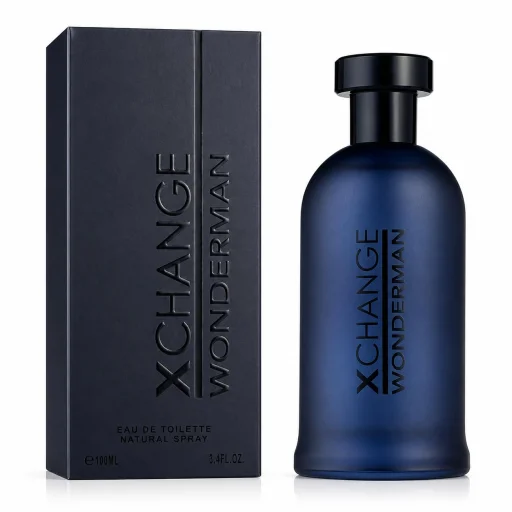
Xchange Wonderman
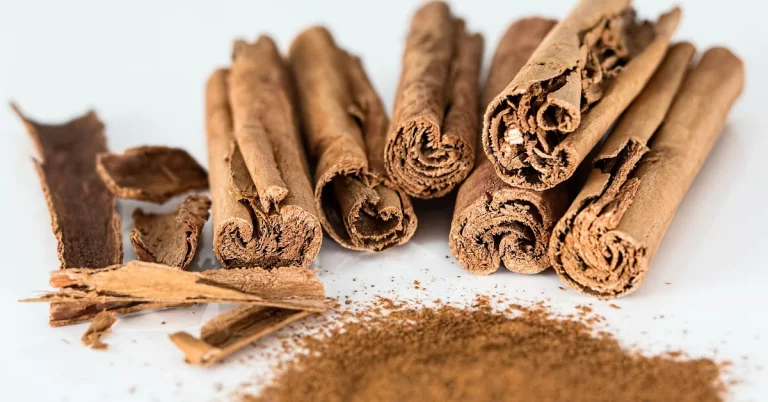
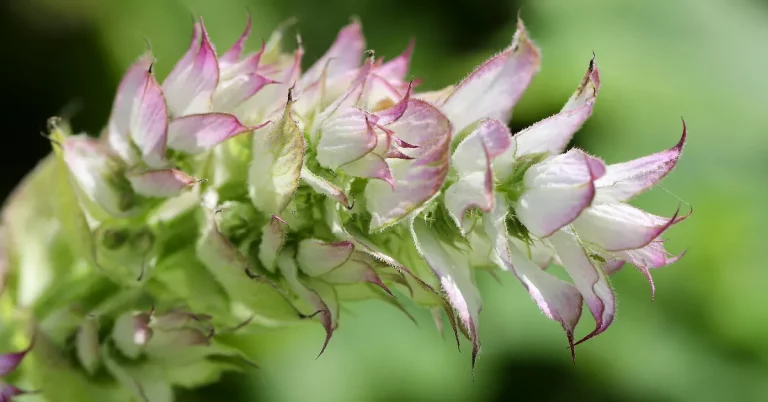
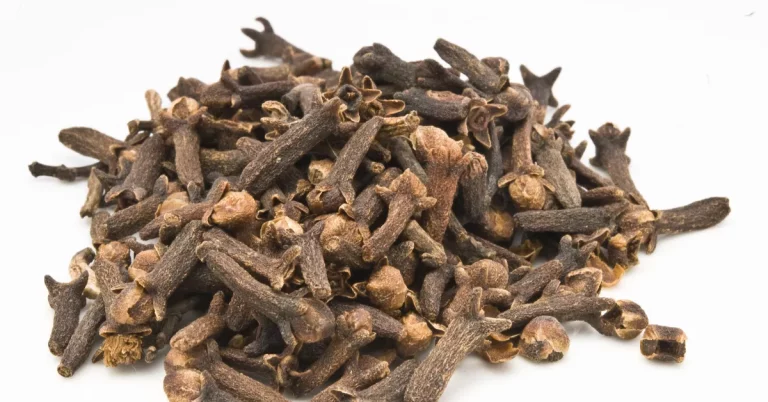
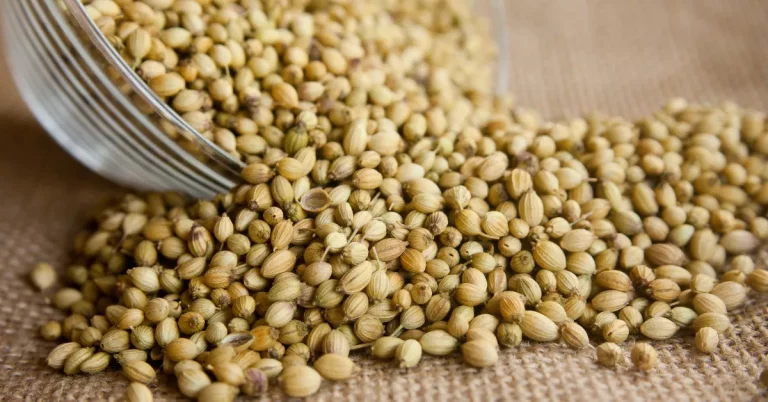
Xchange Wonderman puts lemon into an aromatic-fruity opening with pear, lavender, mint, and bergamot. Cinnamon, sage, and coriander add warm spice and herbs in the heart before vanilla, patchouli, ambergris, and cedar deepen the composition.
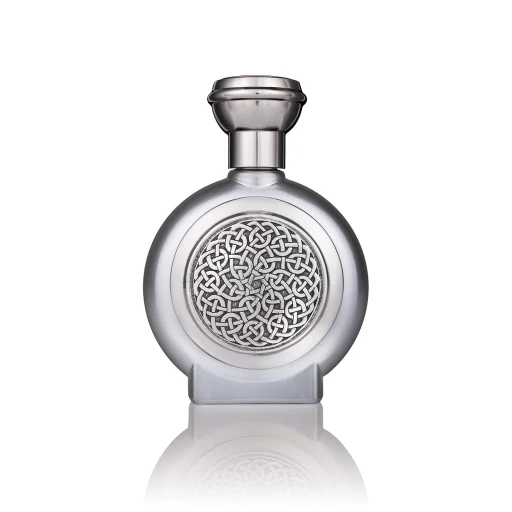
Lavish
Lavish starts with a compact lemon-and-bergamot citrus pairing, then moves into orange, rose, and nutmeg. Vetiver, sandalwood, cedar, and amber give the later stages a woody, earthy, warm frame.
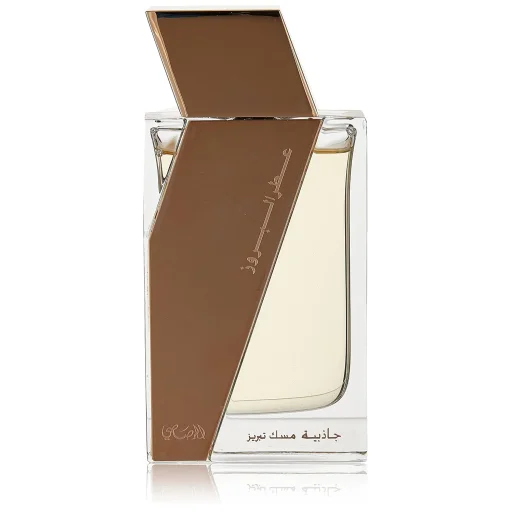
Attar Al Boruzz Jazeebiyat Musk Tabriz
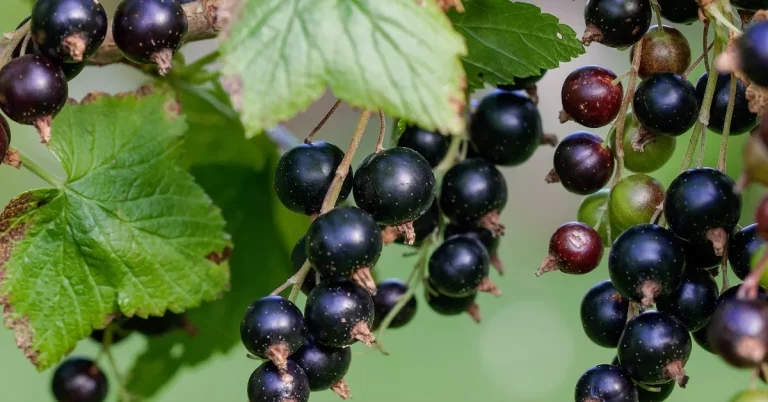
This fragrance places lemon and Italian mandarin inside a much fruitier opening of black currant, peach, cassis, and coconut. Tuberose, orange blossom, and orris create a floral heart, followed by musk, oud, vanilla, and amber.
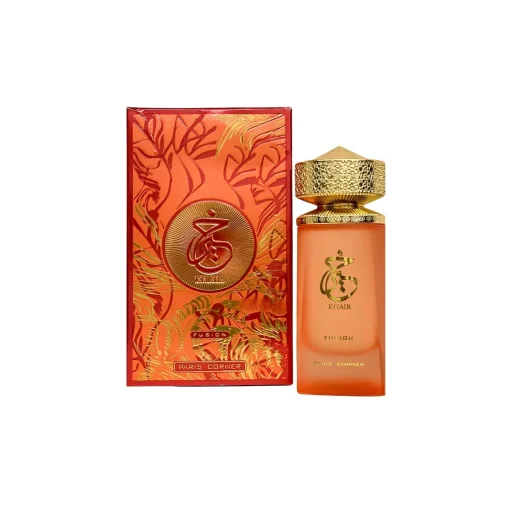
Khair Fusion
Khair Fusion surrounds Italian lemon with litchi, red apple, and black currant, giving the opening a distinctly fruity direction. Pansy, Taif rose, and jasmine sambac form the floral heart, followed by musk, vanilla, cedar, and sandalwood.
Four ways lemon changes with its surroundings
Xchange Wonderman
- Lemon partners
- Mint, bergamot, lavender, pear
- Surrounding character
- Aromatic, fruity, spicy, warm
- Choose this direction if…
- You like lemon surrounded by cool herbs and aromatic notes before a sweeter, spicier base.
Lavish
- Lemon partners
- Bergamot, orange, rose, nutmeg
- Surrounding character
- Citrusy, floral, spicy, woody
- Choose this direction if…
- You want a clear citrus opening that transitions into rose, spice, vetiver, woods, and amber.
Attar Al Boruzz Jazeebiyat Musk Tabriz
- Lemon partners
- Mandarin, black currant, peach, coconut
- Surrounding character
- Fruity, white floral, musky, warm
- Choose this direction if…
- You prefer lemon as a bright accent inside a lush fruit-and-white-floral composition with oud and vanilla below.
Khair Fusion
- Lemon partners
- Litchi, red apple, black currant
- Surrounding character
- Juicy, fruity, floral, softly woody
- Choose this direction if…
- You enjoy lemon blended into tart-sweet fruits, rose, jasmine, musk, vanilla, and soft woods.
Lemon perfume FAQ
Is lemon usually a top note in perfume?
Yes, lemon is commonly used in the opening because citrus materials are typically volatile and immediately noticeable. A perfume can still preserve a lemon-like impression later through the way the overall accord is constructed.
Does a lemon note mean the perfume contains real lemon oil?
No. A note list describes the scent impression or structure presented for the fragrance, not a complete ingredient declaration. A lemon effect may come from natural citrus materials, other aroma materials, or a combination of both.
What is the difference between expressed and distilled lemon oil?
Expressed lemon oil is mechanically obtained from the peel and is known for a vivid, fresh, tart peel aroma. Distilled lemon oil has a related citrus character but can smell softer and less tart. The two materials also differ in their phototoxicity considerations.
Can lemon smell sweet in perfume?
It can. Lemon itself is associated with tart freshness, but vanilla, sweet fruit, floral notes, or gourmand-style accords can round that sharpness and create a sweeter lemon impression.
What notes make lemon smell especially fresh?
Bergamot, grapefruit, mandarin, mint, lavender, green herbs, airy florals, and clean musks can all reinforce lemon’s fresh side in different ways.
Why does lemon sometimes disappear quickly?
Bright citrus materials are often most noticeable early in a fragrance because many of their aromatic components are relatively volatile. Perfumers can support the impression with other citrus, aromatic, floral, woody, or musky materials as the scent develops.
Lemon is perfume’s flash of brightness
Lemon can be tart and peel-like, juicy and fruity, green and aromatic, or softened by flowers and sweeter materials. Its greatest strength is often the energy it brings to everything around it: a quick citrus spark that can make a floral bouquet feel more luminous, an aromatic opening feel cleaner, or a warm composition feel more vivid by contrast.