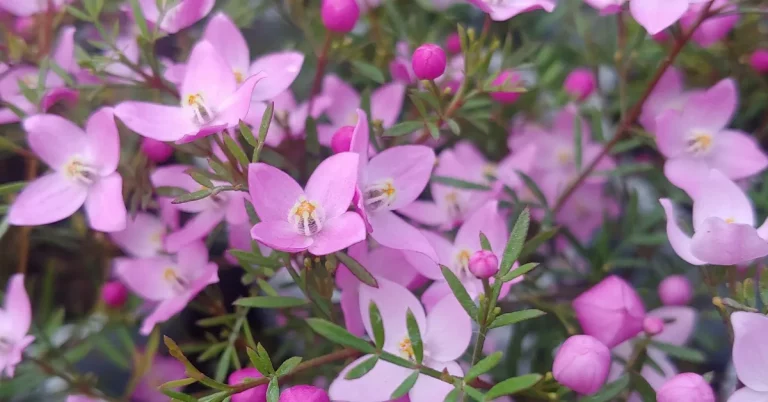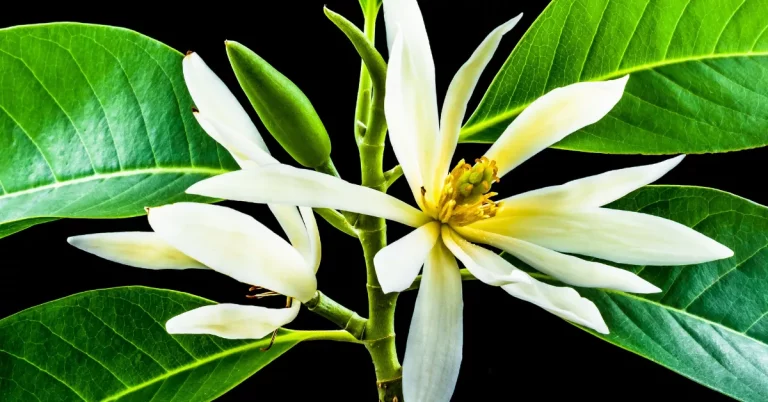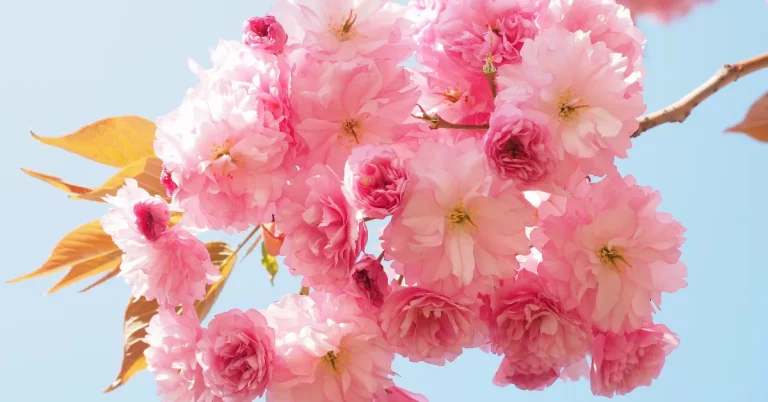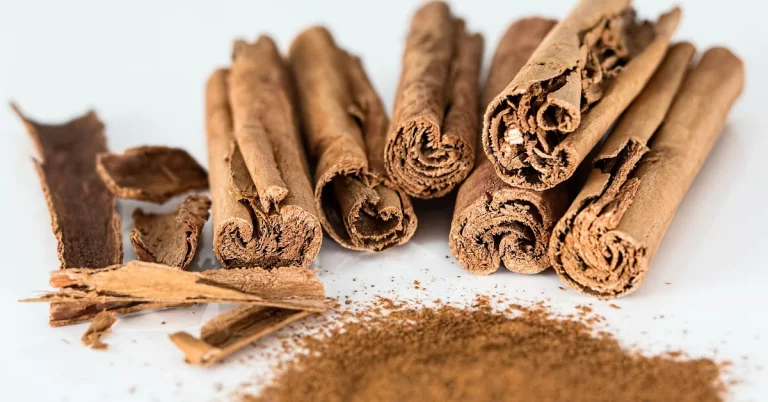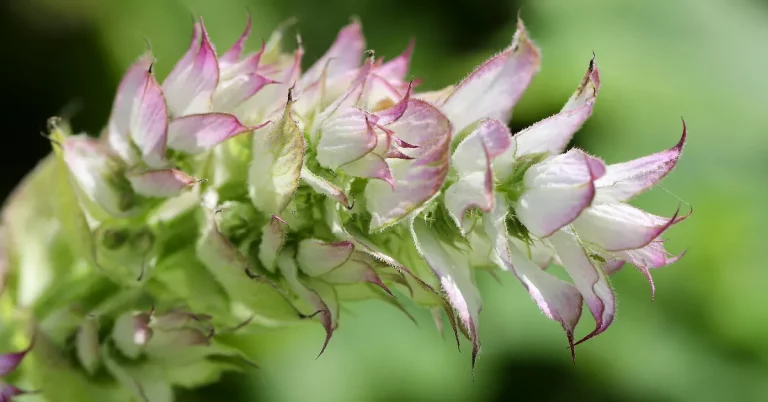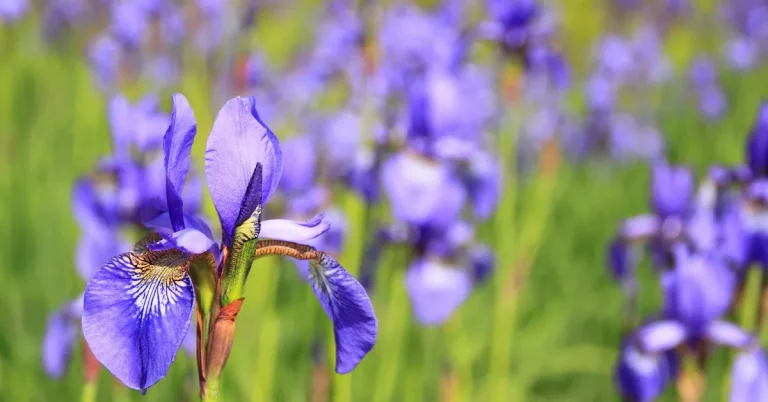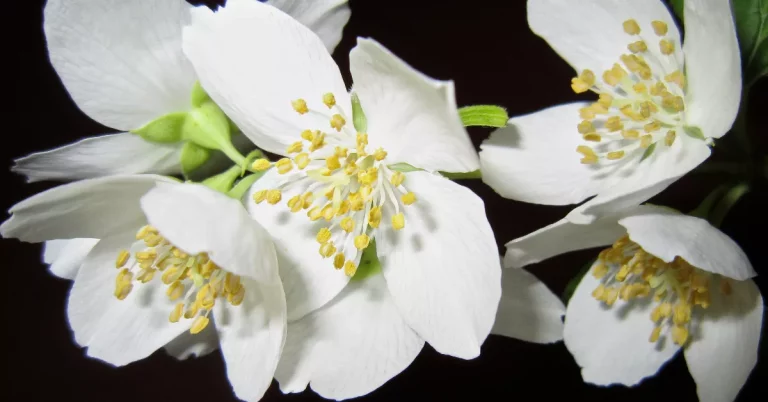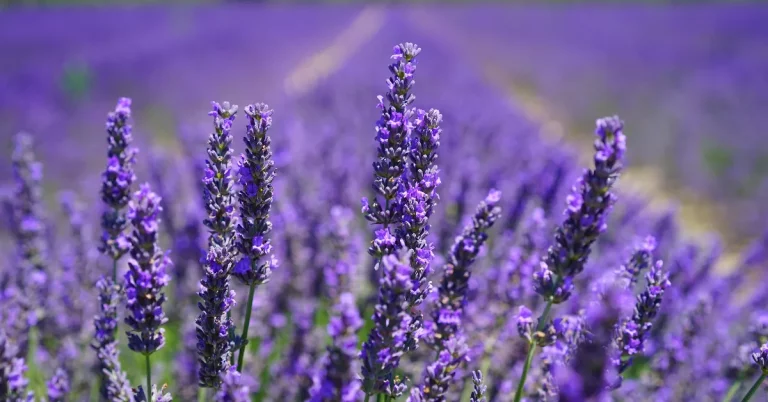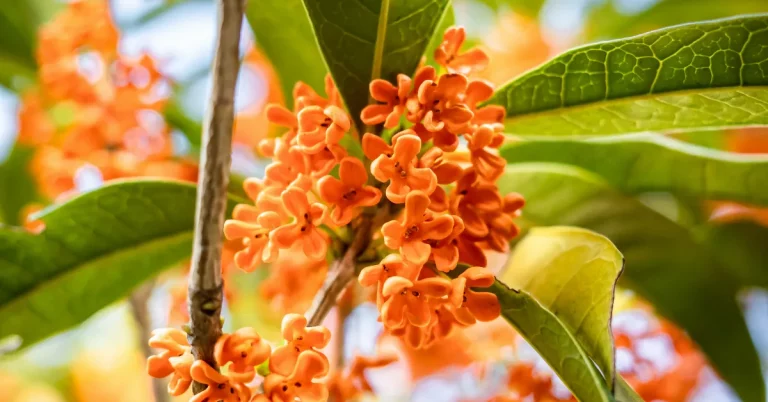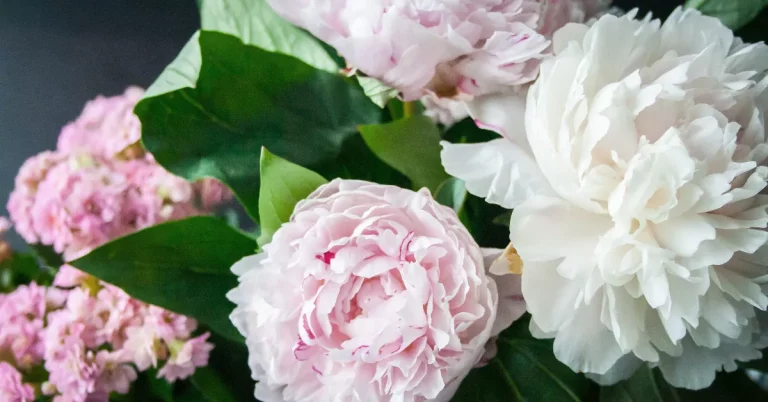
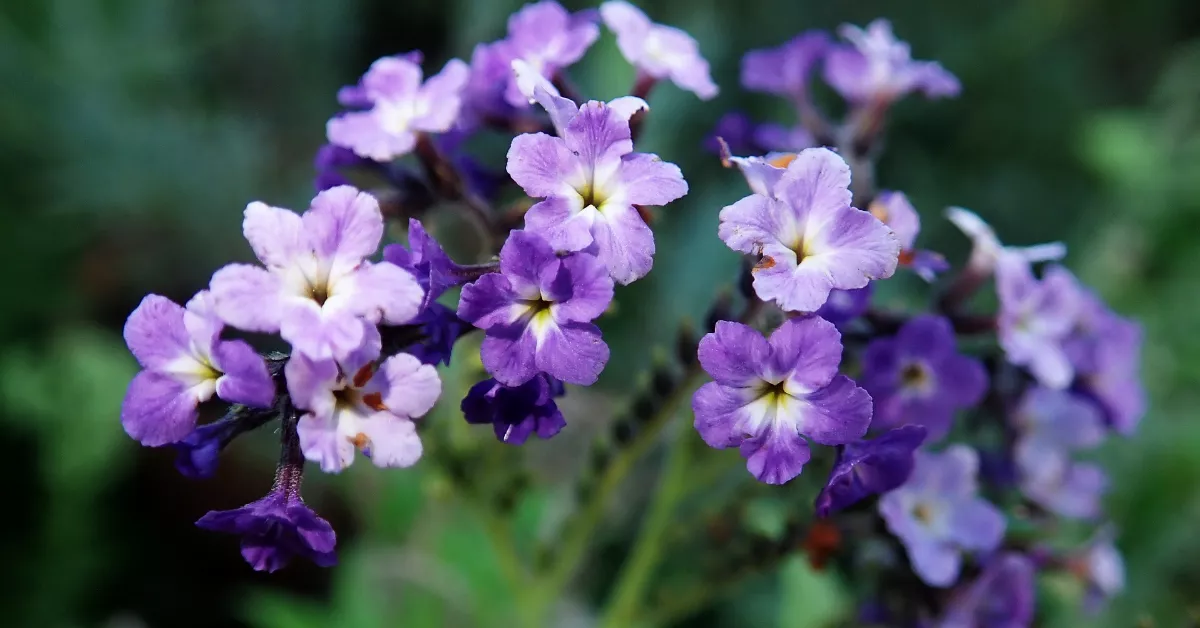
Heliotrope is one of perfumery’s classic powdery floral ideas: soft, sweet, almond-like, vanilla-tinged, and sometimes reminiscent of cherry or marzipan. The garden flower itself is fragrant, but a listed heliotrope note in perfume usually describes an olfactory effect rather than proving that a natural flower extract is present.
What is heliotrope?
Heliotrope can refer to fragrant plants in the genus Heliotropium, especially Heliotropium arborescens, as well as to a familiar powdery floral scent idea used in perfumery.
From fragrant flower to perfume note
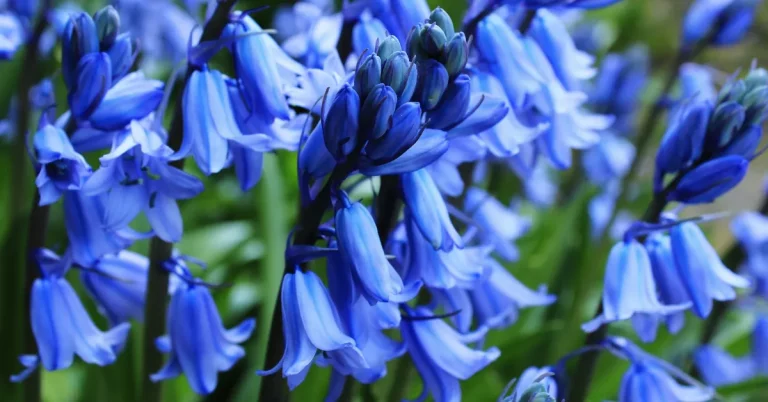
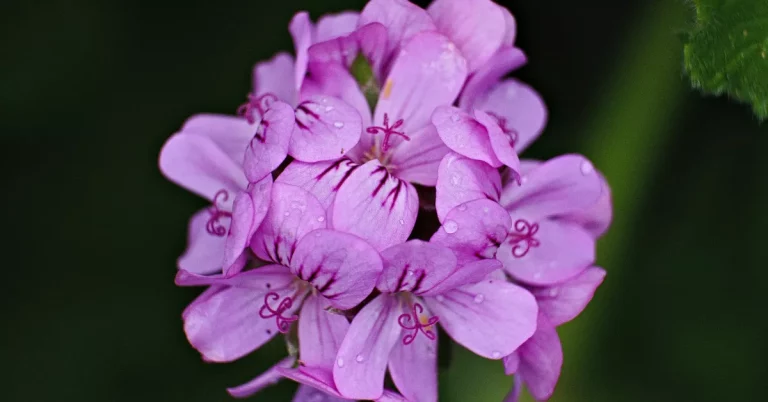
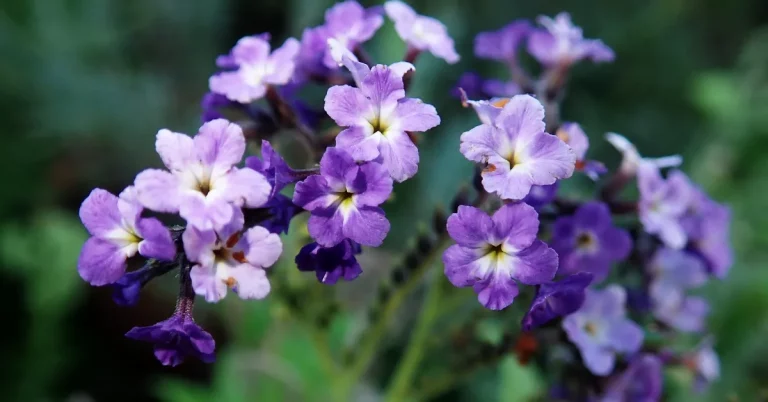
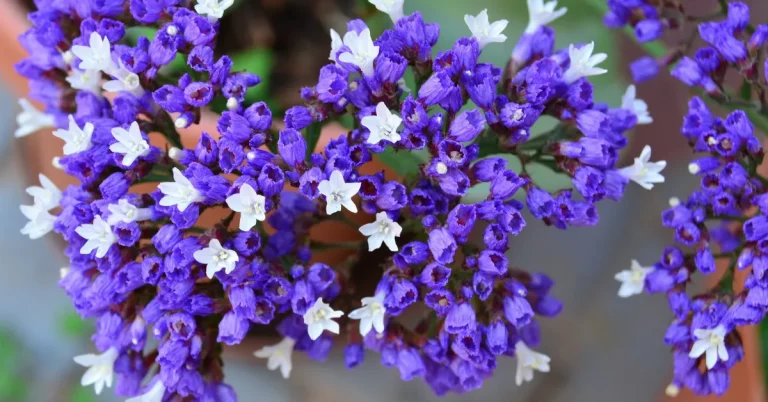
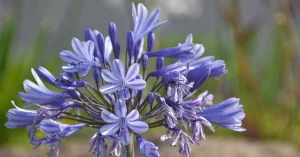
Heliotropium arborescens is a tender perennial in the borage family, Boraginaceae, native to western South America. Its small violet-to-purple flowers grow in rounded clusters and are known for a sweet fragrance often compared with vanilla or vanilla-almond.
In perfumery, however, “heliotrope” is usually best understood as a scent profile or accord. Perfumers can create its characteristic soft, powdery, almond-vanilla impression with aroma materials rather than relying on a literal extract of the garden flower.
What does heliotrope smell like?
Heliotrope usually feels soft rather than sharply floral. Its signature combines powder, almond-like sweetness, vanilla warmth, and a plush floral haze that can become creamy, cherry-like, or marzipan-like depending on the formula.
A velvety, cosmetic softness is one of heliotrope’s most recognizable effects.
Many heliotrope accords have a smooth almond or marzipan nuance rather than a literal nut smell.
A warm vanilla-like sweetness often rounds the floral note and makes it feel comforting.
Some interpretations reveal a soft cherry-pie or cherry-kernel suggestion beside the almond facet.
The note keeps a gentle blossom-like character even when its gourmand-adjacent facets are prominent.
With milk, musk, vanilla, sandalwood, or tonka-style surroundings, heliotrope can feel especially plush and smooth.
Why perfume heliotrope differs from the flower
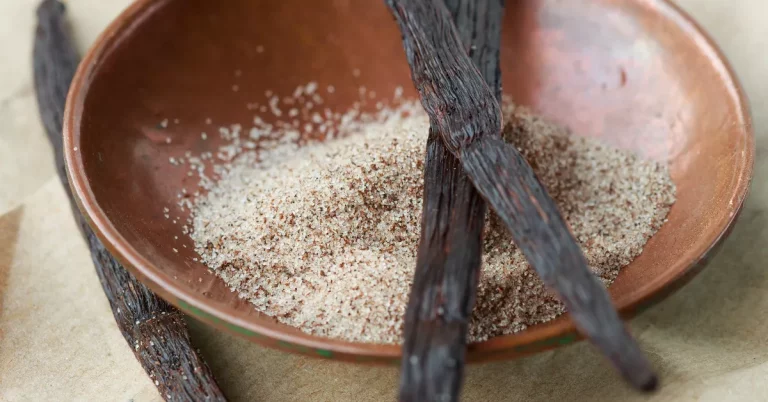
The perfume note is a stylized reconstruction. One of the classic materials associated with that effect is heliotropin, also called piperonal, which has a sweet powdery aroma with almond, vanilla, and cherry-like facets.
Heliotropin and the heliotrope effect
Heliotropin is an aroma material long associated with heliotrope-style accords. Its scent can bridge floral and gourmand territory, bringing together powdery sweetness, almond-like softness, vanilla warmth, and a subtle fruity character.
A perfumer can use heliotropin alongside other floral, vanillic, musky, woody, or sweet materials to shape the note. That means two perfumes listing heliotrope can smell markedly different even though both are recognizably “heliotropic.”
What changes the impression?
- How prominent the powdery almond-vanilla effect is within the formula.
- Whether heliotrope is surrounded by bright florals or by sweeter gourmand notes.
- The presence of musk, amber, suede, sandalwood, or tonka-like materials beneath it.
- Whether the perfumer emphasizes its floral, creamy, cherry-like, or marzipan-like side.
How heliotrope works in a fragrance
Heliotrope is especially useful when a perfumer wants softness, powder, sweetness, or a bridge between flowers and warmer base notes. It can make a floral heart feel more velvety or pull a composition toward almond, vanilla, musk, or amber.
What pairs well with heliotrope?
Heliotrope is unusually flexible: florals can emphasize its blossom side, citrus can brighten its powder, and warm sweet notes can deepen its almond-vanilla character.
Perfumes that show different sides of heliotrope
These three fragrances place heliotrope in very different surroundings: vanilla and almond milk, rice and white flowers, or rose and amaretto.
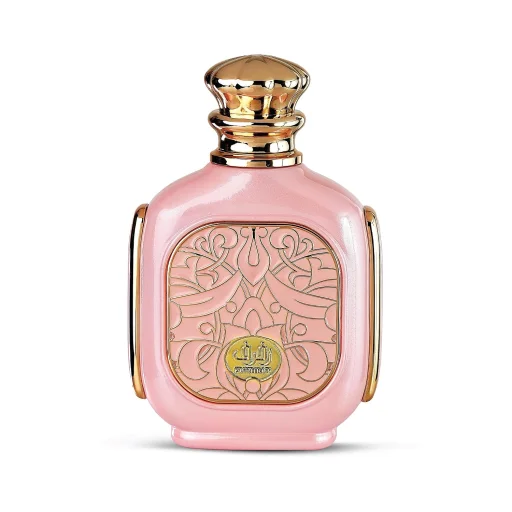
Zukhruf Pink
Heliotrope appears immediately with vanilla and orchid, then the fragrance moves into almond milk, marshmallow, and musk before settling over vanilla, sandalwood, and amber.
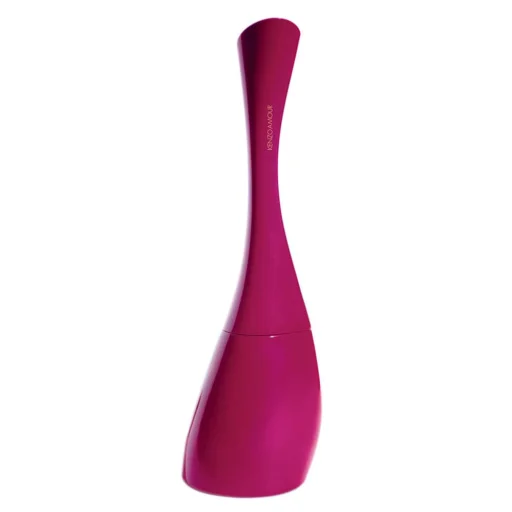
Kenzo Amour
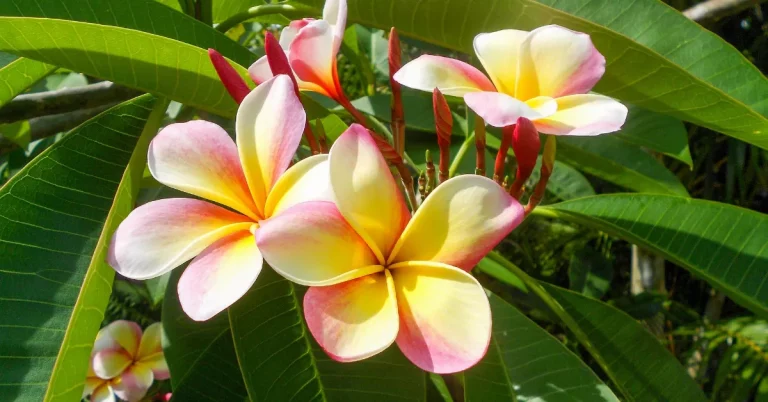
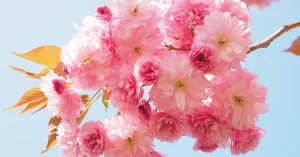
Rice and white tea create a soft opening before frangipani, cherry blossom, and heliotrope form the floral heart. Vanilla, incense, musk, and thanaka wood then move the composition into a warmer, smoother base.
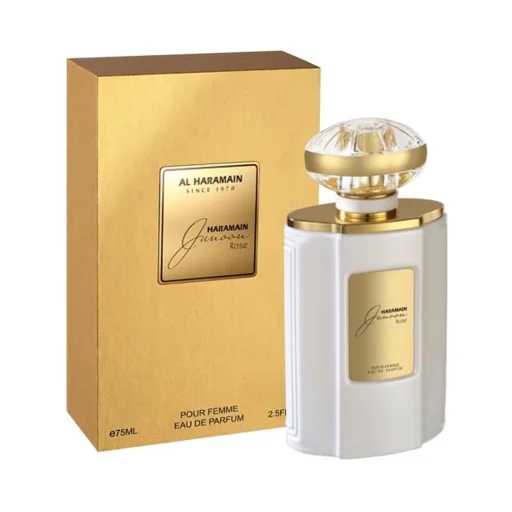
Junoon Rose
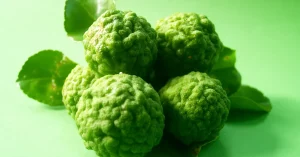
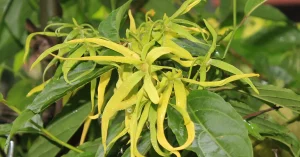
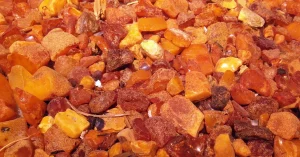
Cherry blossom, bergamot, and ylang-ylang open the fragrance before amaretto, powdery notes, rose, and heliotrope create a distinctly soft, almond-leaning heart. Suede, tonka bean, and amber deepen the base.
Three ways heliotrope changes character
Zukhruf Pink
- Heliotrope partners
- Vanilla, orchid, almond milk, marshmallow, musk, sandalwood
- Surrounding character
- Very powdery, creamy, sweet, almond-like, soft woody
- Choose this direction if…
- You want heliotrope at its sweetest and creamiest, surrounded by vanilla and milky almond effects.
Kenzo Amour
- Heliotrope partners
- Frangipani, cherry blossom, rice, white tea, vanilla, musk
- Surrounding character
- Soft floral, powdery, lactonic, lightly woody, warm
- Choose this direction if…
- You prefer heliotrope blended into a gentle floral composition with rice, tea, vanilla, and musk rather than a strongly gourmand setting.
Junoon Rose
- Heliotrope partners
- Rose, amaretto, powdery notes, cherry blossom, tonka bean, amber
- Surrounding character
- Powdery floral, almond-like, rose-forward, warm, softly sweet
- Choose this direction if…
- You like heliotrope with rose and amaretto, followed by a warmer tonka, amber, and suede base.
Heliotrope perfume FAQ
Is heliotrope a real flower?
Yes. Heliotrope is the common name used for plants in the genus Heliotropium, including the strongly fragrant Heliotropium arborescens. Its small flowers are commonly violet or purple and can smell sweet and vanilla-like.
Does a heliotrope note mean the perfume contains heliotrope flower extract?
No. A perfume note describes the intended smell, not necessarily the literal raw material formula. Heliotrope is commonly represented as an accord built from aroma materials that create its powdery floral, almond, vanilla, and cherry-like effect.
What does heliotrope smell like in perfume?
It usually smells powdery, soft, sweet, floral, almond-like, and vanillic. Depending on the surrounding notes, it may also suggest marzipan, cherry, cream, cosmetics, or a soft pastry-like warmth.
Why does heliotrope sometimes smell like almonds or marzipan?
The classic heliotrope effect is closely associated with heliotropin, also called piperonal, an aroma material with powdery sweetness and recognizable almond, vanilla, and cherry-like facets.
Is heliotrope always a gourmand note?
No. Vanilla, almond, tonka, marshmallow, milk, or amber can make it feel gourmand-adjacent, but heliotrope can also sit quietly inside floral, musky, woody, or powdery compositions without smelling like dessert.
What should I look for if I want a less sweet heliotrope perfume?
Look for heliotrope paired with airy florals, tea, citrus, clean musk, dry woods, or restrained rose. Heavy vanilla, almond, tonka, marshmallow, caramel-like notes, and rich amber are more likely to emphasize its sweeter side.
Heliotrope turns powder, almond, vanilla, and flowers into one soft-focus note
The flower gives heliotrope its botanical identity, but perfumery has transformed the name into a broader scent language. In one fragrance it can be a quiet powdery veil behind petals; in another it becomes creamy almond, vanilla, marshmallow, amber, or tonka. That ability to move between floral softness and gourmand warmth is what makes heliotrope so distinctive.