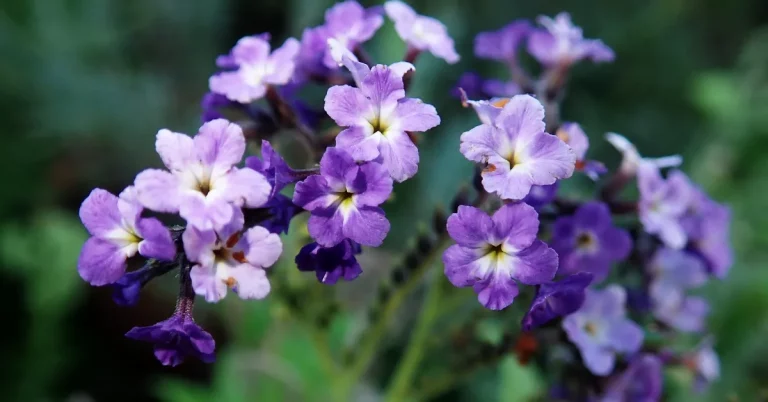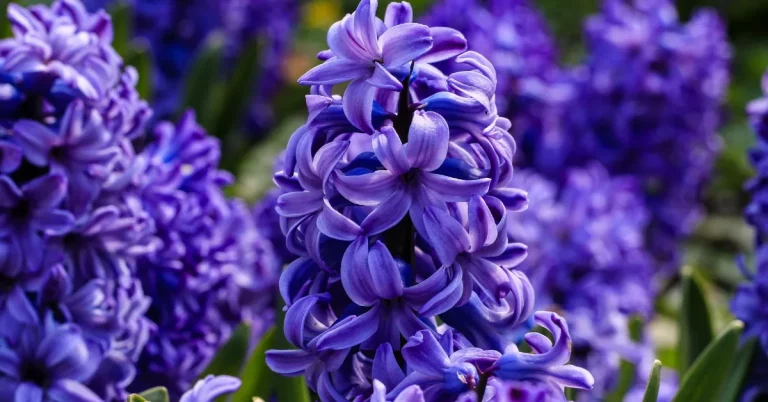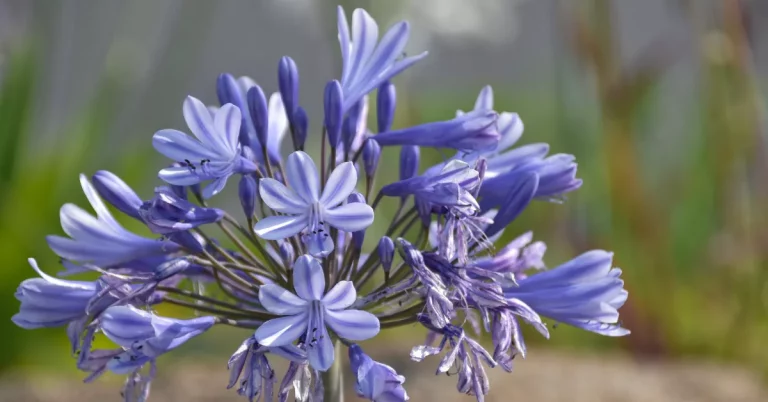
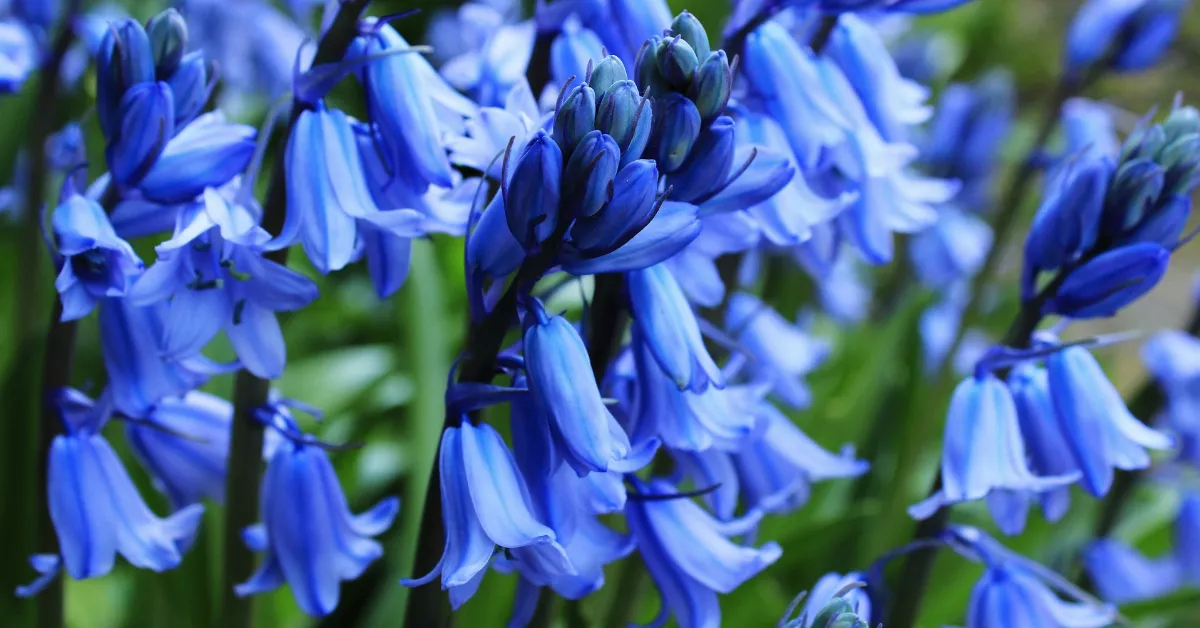
Bluebell is a delicate spring floral note associated with cool woodland air, fresh greenery, soft sweetness, and a dewy sense of transparency. In perfumery, “bluebell” usually describes a composed floral impression rather than proving that a fragrance contains a literal extract of the flower. The result can range from crisp and green to watery, musky, softly fruity, or powdery depending on the notes around it.
What is bluebell?
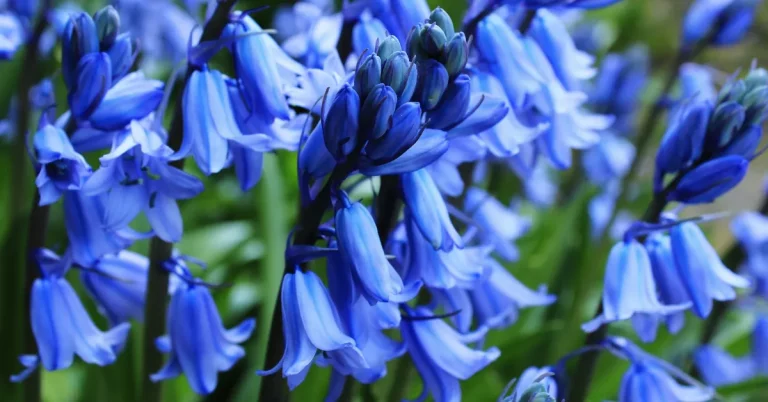
Bluebells are bulb-growing flowering plants known for nodding, bell-shaped blooms and their association with spring woodlands. The English bluebell, Hyacinthoides non-scripta, is one of the flowers most often referenced when perfumery describes a bluebell note.
Flower versus fragrance note
In nature, bluebells can have a gentle sweet floral scent. In a perfume formula, however, the word “bluebell” is best understood as an olfactory idea: a perfumer can build a cool, green, airy floral accord that evokes bluebells and the atmosphere of a damp spring woodland.
That distinction matters when reading a note list. A listed bluebell note describes how the fragrance is intended to smell; by itself, it does not establish that material was extracted directly from bluebell flowers.
What does bluebell smell like?
A bluebell note is commonly interpreted as a clear, delicate floral with fresh green and softly sweet nuances. Its character is often less lush than a creamy white floral and more suggestive of cool air, leaves, moisture, and early spring flowers.
A leafy freshness can make the flower feel as though it is still growing in a shaded woodland rather than arranged in a bouquet.
Watery or aquatic touches can suggest droplets on petals and give the floral note a cool, transparent texture.
The floral impression is often light and graceful rather than dense, creamy, or overtly indolic.
A restrained sweetness rounds the greenery without necessarily turning the scent fruity or gourmand.
Bluebell accords frequently evoke fresh growth, cool weather, and the airy character associated with a woodland in bloom.
When paired with musk, watery notes, or other sheer florals, bluebell can take on a polished, freshly washed quality.
Why bluebell can smell different from perfume to perfume
Because bluebell is commonly presented as a perfumery accord, its personality depends strongly on the materials and notes used to frame it.
A composed impression
One fragrance may emphasize bluebell’s green side with leaves and crisp floral notes. Another may make it more watery and luminous, while fruit can make it softer and sweeter and musk can give it a clean, powdery finish.
This flexibility is why two perfumes can both list bluebell yet smell noticeably different. The note name signals the intended impression, not a standardized formula that must smell identical across brands.
What changes the impression?
- Green notes make bluebell feel leafier, crisper, and more woodland-like.
- Watery notes amplify dewiness and a cool, transparent effect.
- Soft fruits can add sweetness and roundness without overwhelming the floral.
- Musk and powdery notes can turn the finish softer, cleaner, and more diffusive.
How bluebell works in a fragrance
Bluebell is useful when a perfumer wants a floral composition to feel fresh, outdoorsy, and translucent rather than heavy. It can sit near the opening of a fragrance to reinforce dew and greenery, or blend into a floral heart where it adds coolness and space between sweeter or richer notes.
What pairs well with bluebell?
Bluebell works especially well with ingredients that preserve its lightness or add just enough floral, fruity, woody, or musky contrast to give the accord dimension.
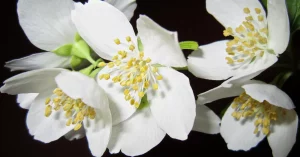

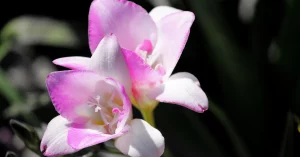
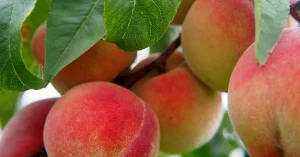

A perfume featuring bluebell
This perfume offers one clear example of how bluebell can be placed inside a green, watery, softly fruity composition.
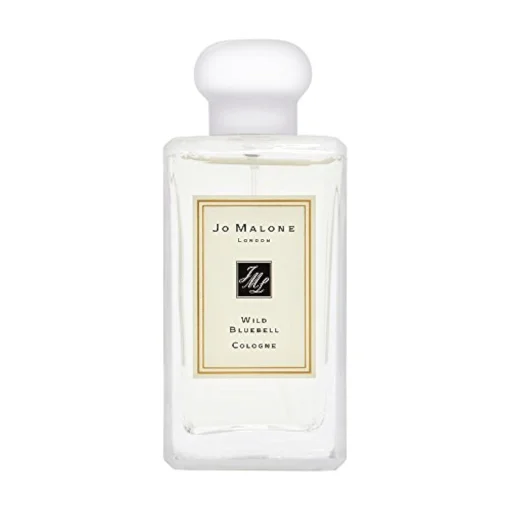
How bluebell is framed in Wild Bluebell
Jo Malone London Wild Bluebell
- Bluebell partners
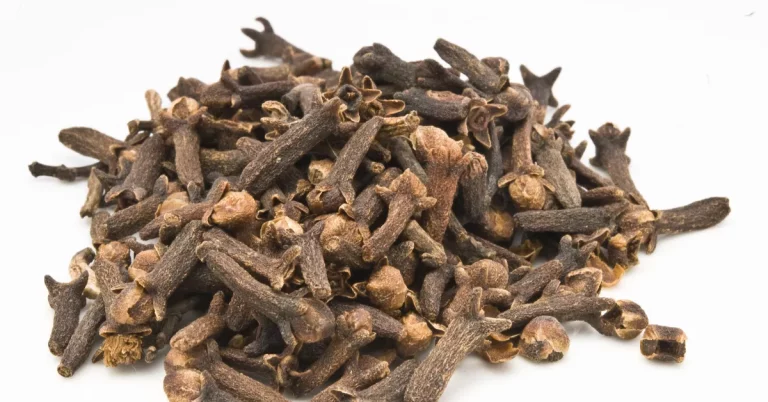
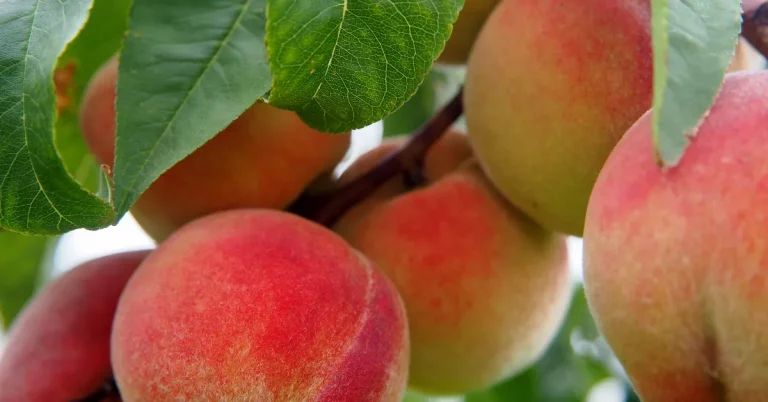
- Dew drop, green leaves, clove, persimmon, peach, musk, powdery notes
- Surrounding character
- Green and watery at the opening, softly fruity through the middle, then musky and powdery underneath.
- Choose this direction if…
- You want to explore bluebell as a fresh, sheer floral rather than a dense or intensely sweet flower.
Bluebell perfume FAQ
What does bluebell smell like in perfume?
Bluebell is commonly represented as a delicate, fresh, green floral with a soft sweetness and a cool, springlike quality. Some interpretations lean more watery, musky, or powdery depending on the surrounding notes.
Is bluebell a strong floral note?
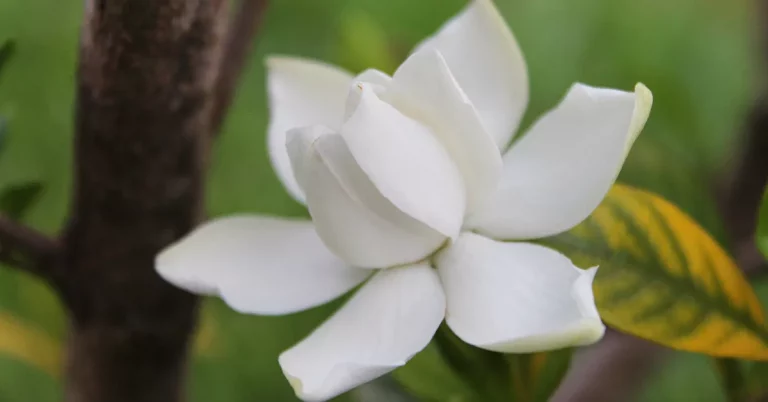
It is usually presented as lighter and more transparent than rich florals such as tuberose or gardenia. A composition can still make it prominent, but the bluebell idea itself is often associated with delicacy and freshness.
Does a listed bluebell note mean the perfume contains natural bluebell extract?
No. A note list describes the intended scent impression and does not, by itself, identify the raw materials used in the formula. Bluebell can be represented through an accord designed to evoke the flower and its surroundings.
Why can bluebell perfumes smell so different?
The surrounding composition changes the effect. Green leaves can make bluebell crisper, watery notes can make it dewier, fruit can make it sweeter, and musk or powdery notes can make it softer and cleaner.
What fragrance families suit bluebell?
Bluebell fits naturally into floral, green, and fresh compositions. It can also work beautifully in watery floral styles or in soft fruity-florals where the fruit remains light enough to preserve the note’s airy character.
What should I look for if I want a fresh bluebell perfume?
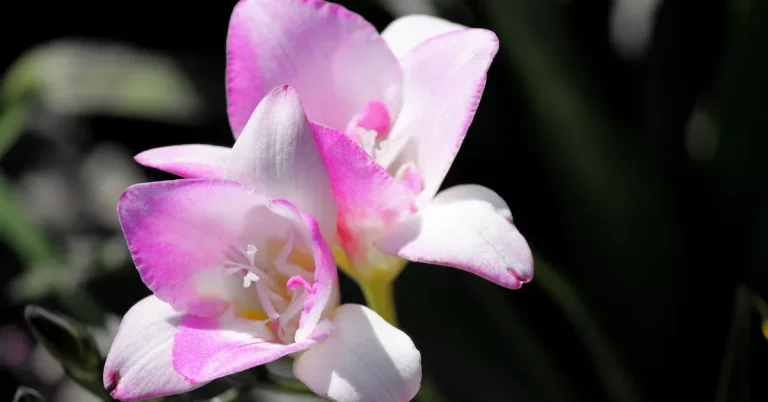
Look for pairings with green leaves, watery or dewy notes, lily of the valley, freesia, light fruit, and clean musk. Those companions tend to reinforce the cool, transparent side of the bluebell idea.
Bluebell is the scent of a spring scene
In perfume, bluebell is compelling because it can suggest more than petals alone. Greenery, dew, soft sweetness, and an airy floral haze can combine to create the impression of flowers blooming in cool woodland light. When you see bluebell in a fragrance note list, look at its companions: they reveal whether the perfume will make the note greener, fruitier, cleaner, warmer, or more powdery.