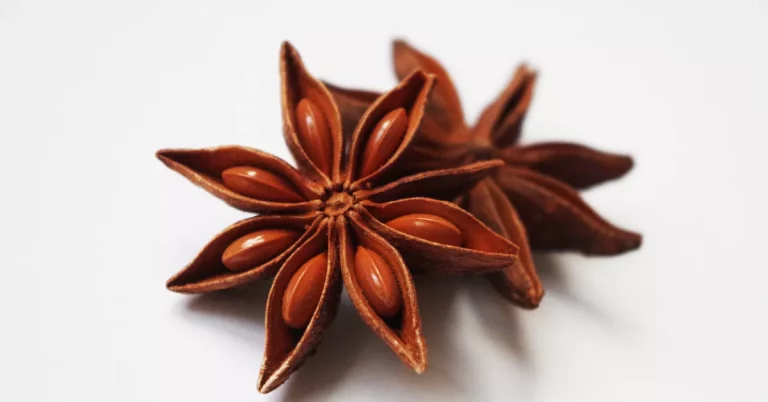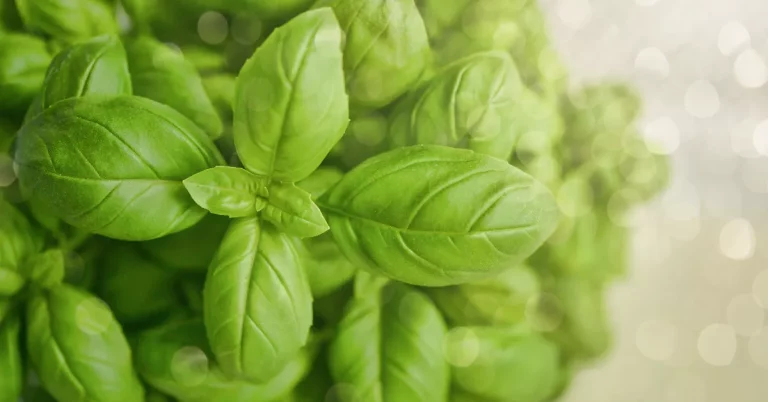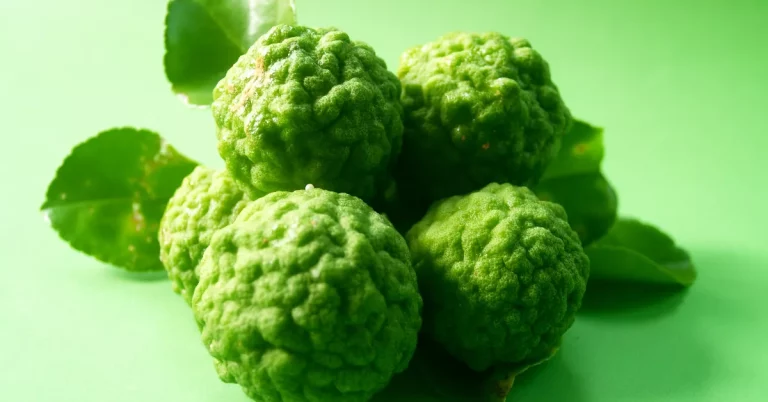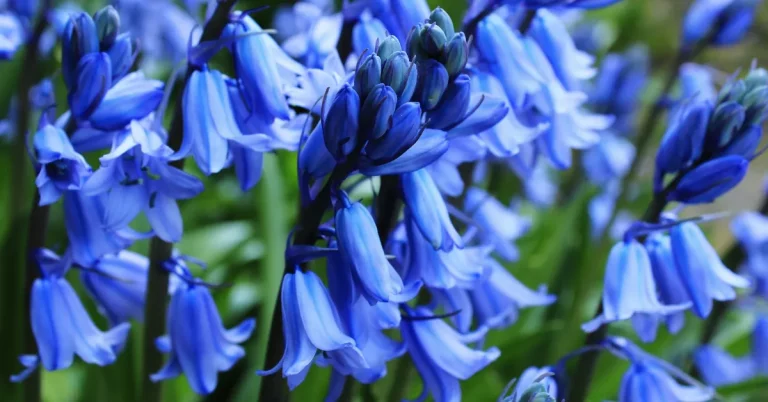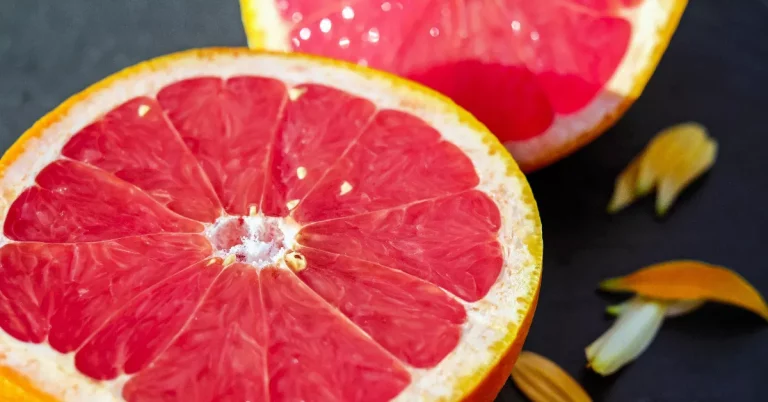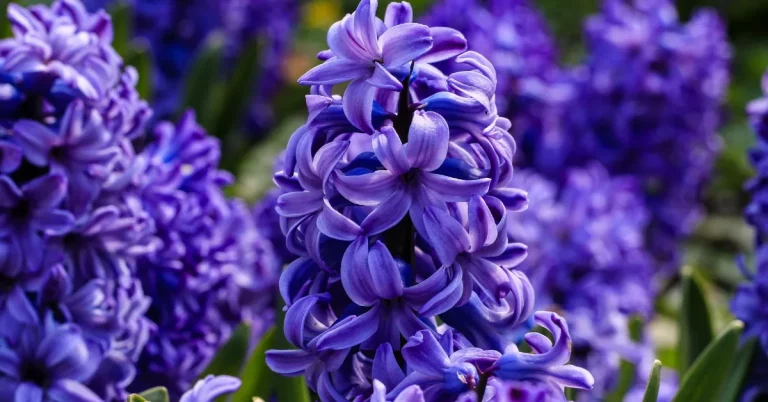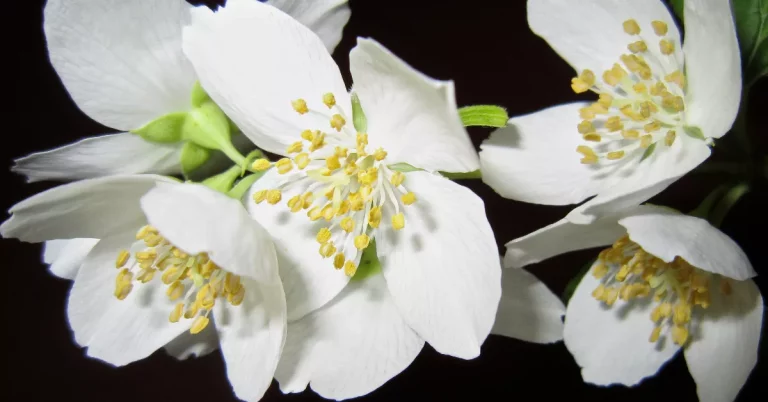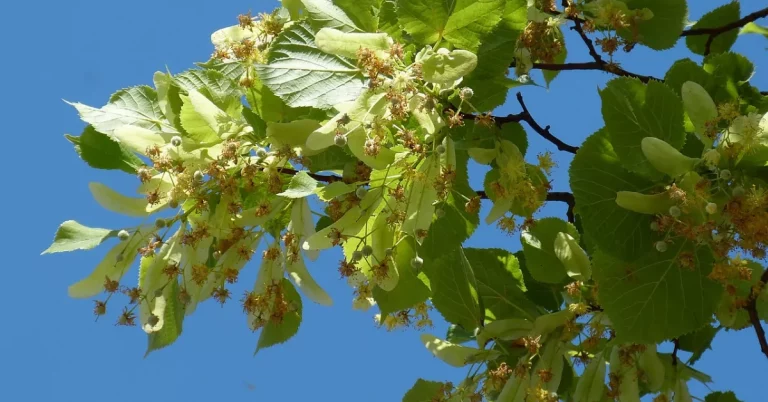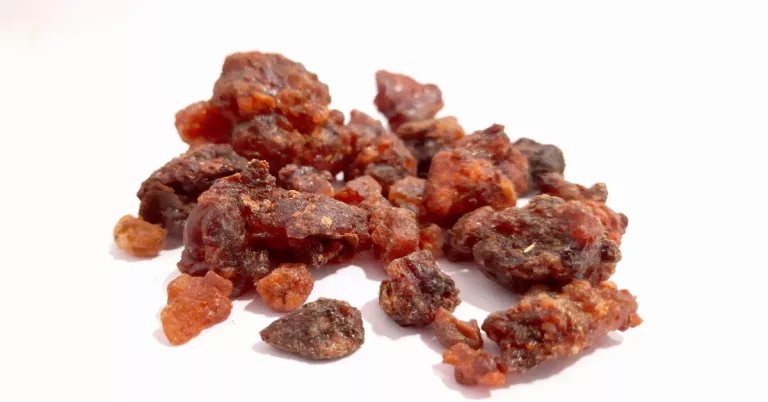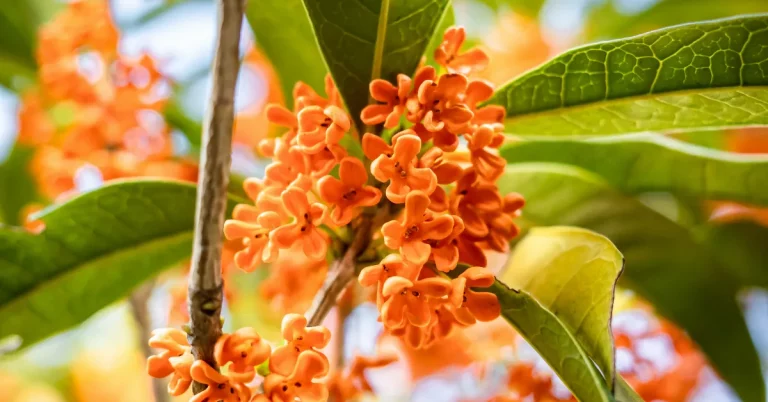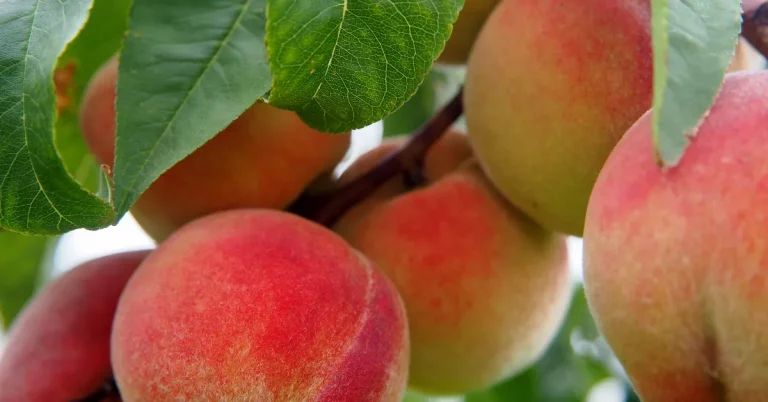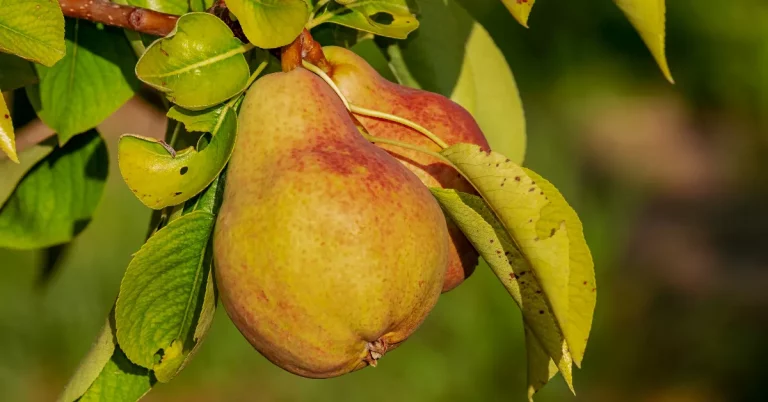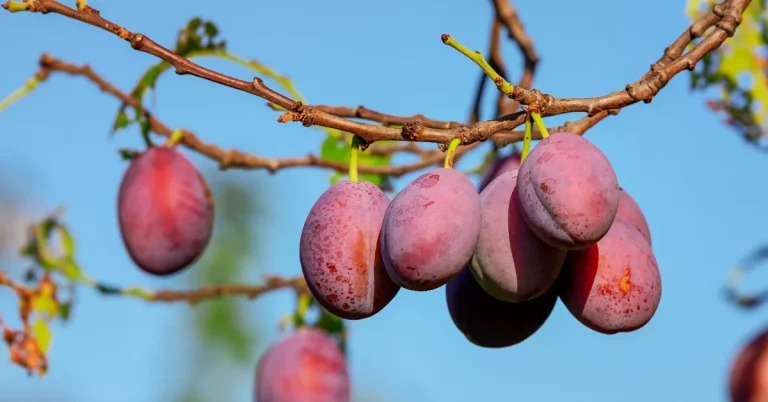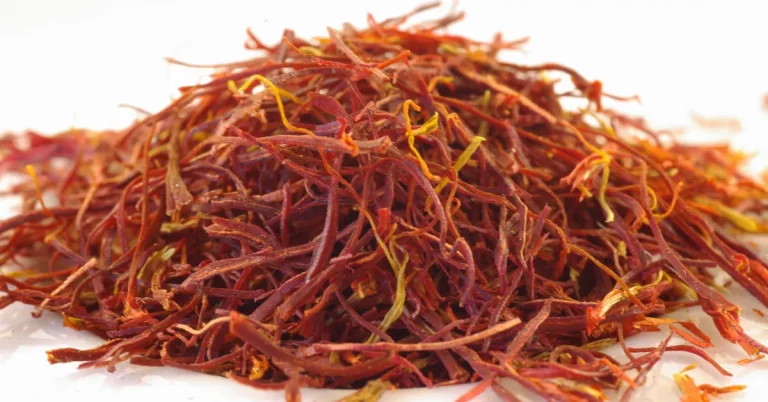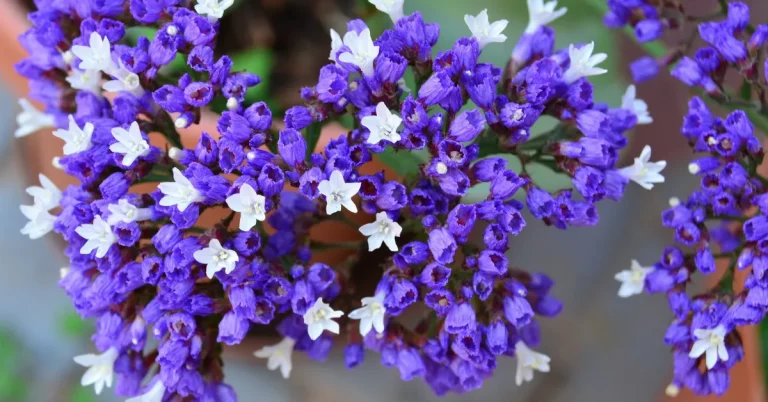

Yuzu brings a vivid citrus brightness to perfume, often feeling tart, sparkling, aromatic, and slightly green rather than simply sweet. In fragrance formulas, a yuzu note can sharpen an opening, freshen florals and woods, or add a crisp Japanese-citrus character to aquatic and modern aromatic compositions.
What is yuzu?
Yuzu is an East Asian citrus fruit, botanically known as Citrus junos. Its highly aromatic peel is especially important to the way people recognize its fragrance.
A citrus with a distinctive aromatic profile
Yuzu is related to other citrus fruits but has its own recognizable smell. Compared with a straightforward sweet orange impression, yuzu is commonly perceived as sharper, more tart, more aromatic, and sometimes greener or more bitter-edged.
In perfume, “yuzu” describes the scent impression the perfumer wants to create. A listed yuzu note does not by itself prove that a fragrance contains a literal natural yuzu extract.
What does yuzu smell like?
Yuzu is usually presented as a lively citrus note with tart peel, aromatic freshness, and a crisp edge. Its character can overlap with lemon, grapefruit, mandarin, and other citrus notes without smelling identical to any one of them.
A mouthwatering, tangy brightness that feels less sugary than a soft orange note.
A lively rind-like impression gives yuzu extra definition and lift.
Many yuzu accords carry a fresh green edge that keeps the citrus feeling crisp.
Yuzu can feel more fragrant and complex than a simple juicy-citrus effect.
A restrained bitter-peel nuance can make the note feel dry and sophisticated.
Its bright opening quality can make a composition feel airy, energetic, and freshly cut.
Why yuzu can smell different from perfume to perfume
A yuzu note is an interpretation, so its final character depends on the materials around it and on how the perfumer builds the accord.
Natural fruit versus perfume note
The smell associated with fresh yuzu comes strongly from its aromatic peel. In perfumery, however, a yuzu effect may be created, reinforced, or stylized with a combination of citrus and aromatic materials.
That means one fragrance may emphasize sparkling tartness while another pushes yuzu toward grapefruit-like bitterness, watery freshness, fruitiness, or a greener aromatic direction.
What changes the impression?
- Other citrus notes can make yuzu feel sweeter, sharper, or more bitter.
- Florals can soften its edges and turn the opening more luminous.
- Marine and ozonic notes can make it feel cooler and more transparent.
- Woods, amber, musk, and spices can give the bright opening a warmer or drier finish.
How yuzu works in a fragrance
Yuzu is especially useful when a perfumer wants citrus freshness with more personality than a generic lemon or orange effect. It often appears near the top of a composition, where its tart brightness can introduce florals, aquatic notes, spices, woods, and musks.
What pairs well with yuzu?
Yuzu is versatile because its tart citrus profile can either reinforce other fresh notes or provide contrast against flowers, spices, woods, and warmer base materials.


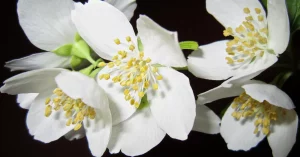

Perfumes that show different sides of yuzu
These four fragrances use yuzu in notably different surroundings, from watery florals and classic aromatic woods to marine amber and bright ozonic fruit.
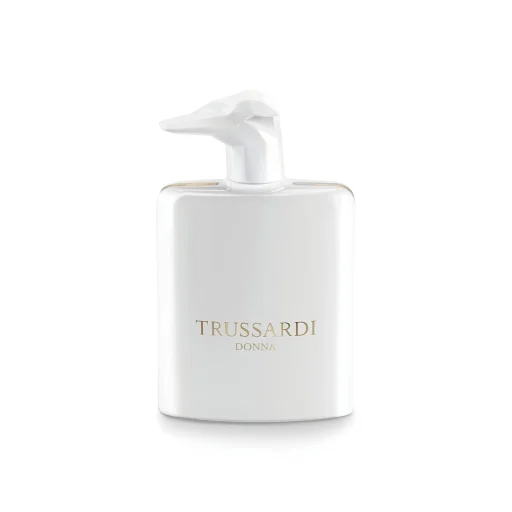
Donna Levriero Limited Edition
Yuzu opens among bergamot, citron, and watery fruit before the fragrance moves into a transparent floral heart and a warmer woody-vanilla base.
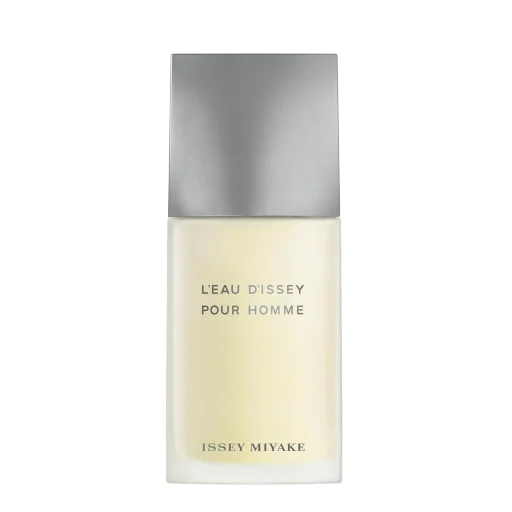
L’Eau d’Issey Pour Homme
Yuzu leads a complex citrus-aromatic opening that moves through floral, spicy, and green notes before settling into woods, musk, amber, and tobacco.

Invictus Aqua
Here yuzu is paired with grapefruit and pink pepper, then carried into marine and violet-leaf notes over an ambered woody base.
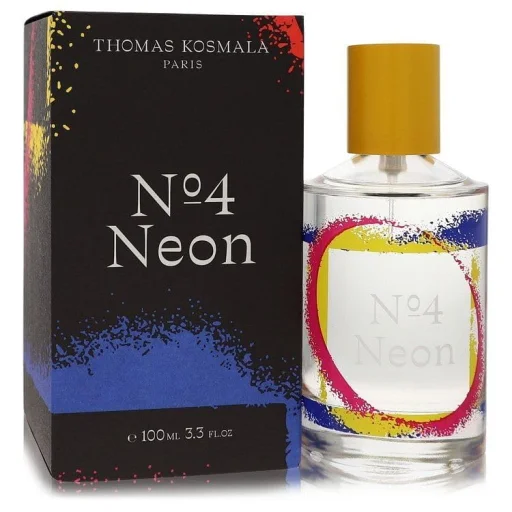
No. 4 Neon
Yuzu appears with pomelo and mandarin in a vivid citrus opening before tropical fruit, green galbanum, ozonic notes, solar notes, and aldehydes make the composition increasingly airy and bright.
Four ways yuzu can shape a perfume
Trussardi Donna Levriero Limited Edition
- Yuzu partners
- Bergamot, citron, watery fruit, jasmine tea, orange blossom
- Surrounding character
- Watery, floral, citrusy, then softly woody and vanilla-toned
- Choose this direction if…
- You like yuzu softened by transparent florals and a warm, smooth base.
L’Eau d’Issey Pour Homme
- Yuzu partners
- Lemon, bergamot, verbena, mandarin, cypress, herbs
- Surrounding character
- Citrusy, aromatic, fresh-spicy, floral, and woody
- Choose this direction if…
- You want a layered, aromatic interpretation of yuzu with herbs, spices, florals, and woods.
Invictus Aqua
- Yuzu partners
- Grapefruit, pink pepper, sea water, violet leaf
- Surrounding character
- Marine, aquatic, green, ambered, and woody
- Choose this direction if…
- You prefer yuzu in a cool aquatic setting with tart grapefruit and a warmer woody base.
No. 4 Neon
- Yuzu partners
- Pomelo, mandarin, melon, mango, galbanum
- Surrounding character
- Bright citrus, fruity, green, ozonic, and aldehydic
- Choose this direction if…
- You enjoy vivid citrus framed by colorful fruit and airy modern freshness.
Yuzu perfume FAQ
Is yuzu a lemon?
No. Yuzu is its own citrus fruit, botanically known as Citrus junos. Its fragrance can remind people of lemon and other citrus fruits, but the scent profile is typically more complex than a simple lemon note.
What does yuzu smell like in perfume?
Yuzu usually smells tart, zesty, bright, green, and aromatic. Depending on the formula, it can also feel watery, bitter-peel-like, fruity, or especially sparkling.
Is yuzu a top note?
Yuzu is commonly used for a top-note effect because its bright citrus character makes an immediate impression. The way it develops afterward depends on the surrounding floral, aquatic, spicy, woody, amber, or musky materials.
Is yuzu sweet?
It can have some juicy fruitiness, but yuzu is generally associated more with tartness, zest, aromatic freshness, and a lightly bitter peel impression than with rich sweetness.
Does a listed yuzu note mean the perfume contains natural yuzu?
No. A note list describes the intended scent impression, not necessarily the literal raw material formula. A yuzu effect may be natural, reconstructed, reinforced, or stylized with other perfumery materials.
What notes make yuzu smell softer or warmer?
Floral notes such as jasmine and orange blossom can soften its edges, while sandalwood, cedar, amber, vanilla, and musk can give the bright citrus opening a warmer or smoother background.
Yuzu brings a sharper kind of citrus freshness
Yuzu is especially compelling when you want citrus that feels crisp, aromatic, and multidimensional rather than simply sweet or juicy. In perfume, it can move easily from watery florals to marine accords, green aromatics, tropical fruit, spices, and woods while keeping a bright flash of tart citrus at the center.