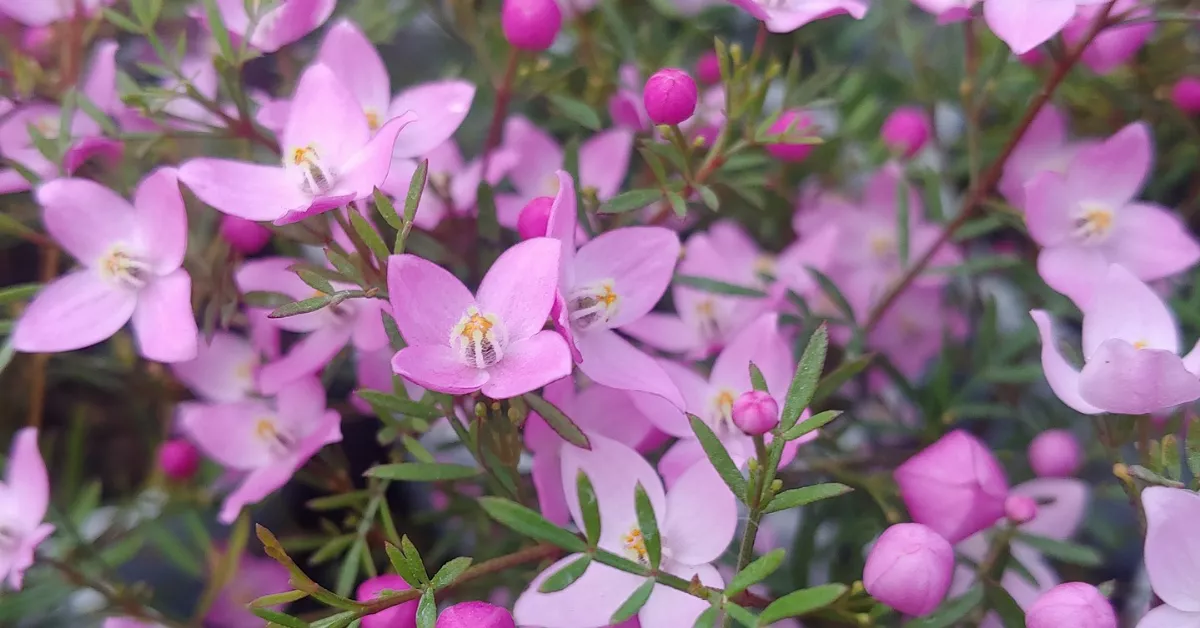
Boronia is a richly fragrant Australian floral note with an unusually layered character: floral yet earthy, fruity yet green, with tea-like, woody, and softly spicy shadows. In perfumery, the name may refer to natural boronia material or simply to a boronia-style note or accord, so a listed note does not by itself confirm that natural boronia extract is present.
What is Boronia?
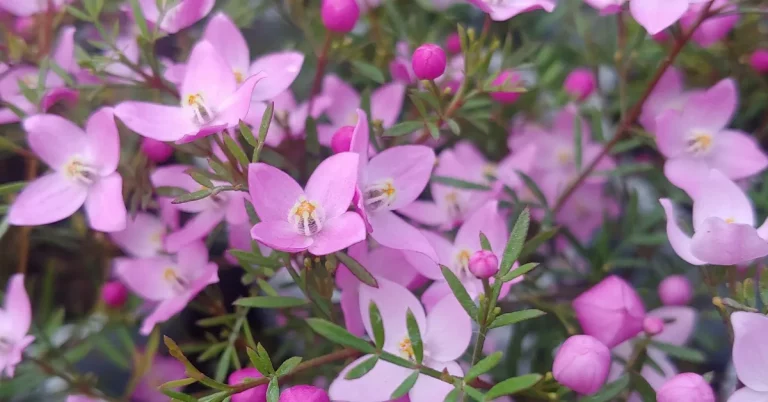
In fragrance discussions, boronia most often points to the highly scented brown boronia, Boronia megastigma, a small shrub in the citrus family native to southwestern Australia.
A small flower with a surprisingly deep scent
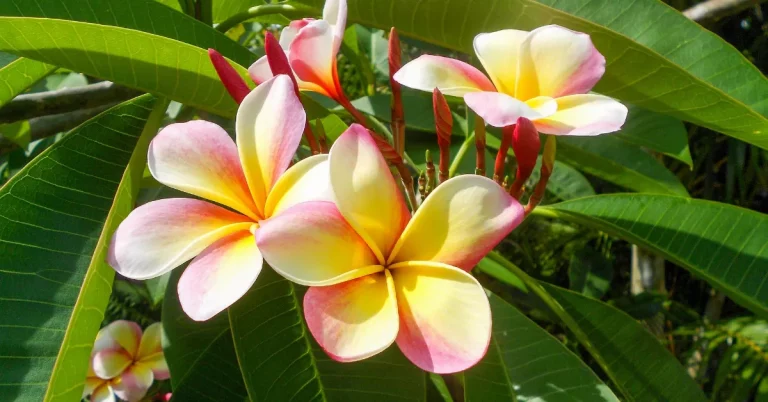
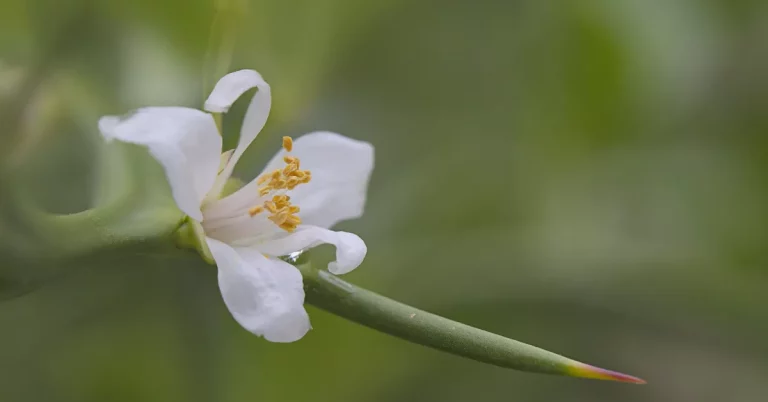
Brown boronia produces small, strongly fragrant flowers whose petals are typically dark brown on the outside and yellow inside. The plant is especially associated with southwestern Australia, where it occurs naturally.
Natural boronia absolute is a specialty perfumery material produced by solvent extraction. Commercial material may include both flowers and leaves, and its aroma is much more textured than the word “floral” alone suggests.
What does Boronia smell like?
Boronia can feel floral and fruity at first, but its beauty is in the contrasts underneath: green freshness, earthy depth, tea-like dryness, warm woods, and subtle spice can all appear within the same material or accord.
Full and distinctive rather than airy, with a dense blossom-like character that can feel almost velvety.
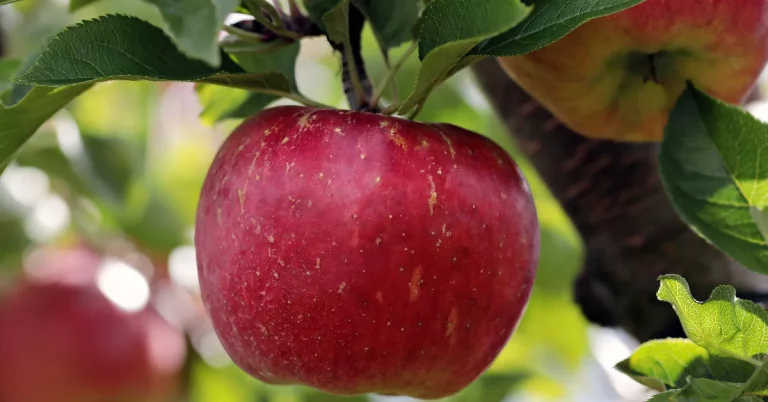
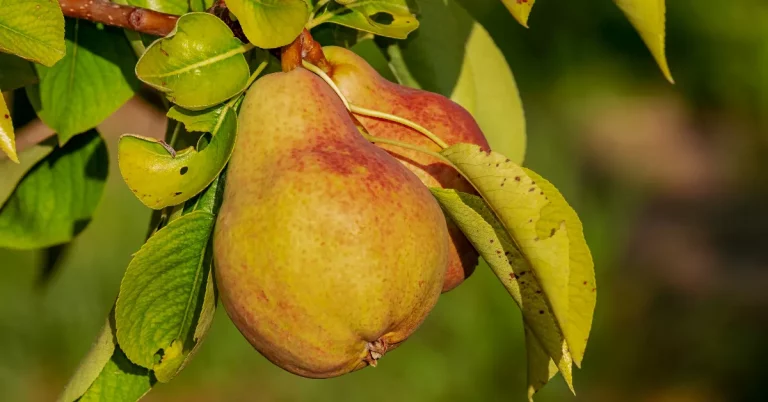
A soft fruitiness can brighten the floral body without necessarily turning the note into a sugary fruit scent.
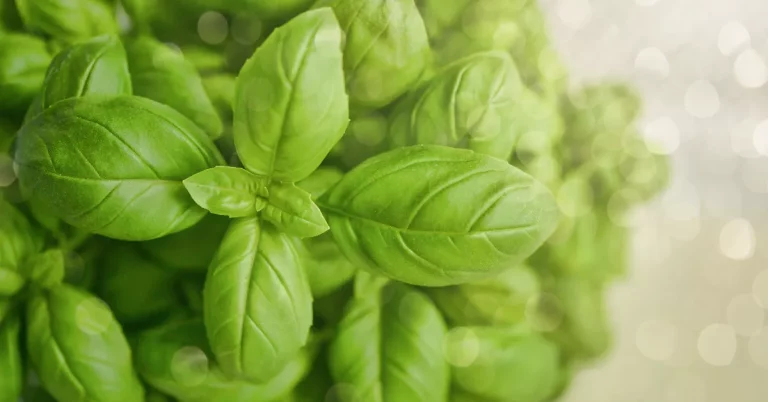
Leafy and green nuances keep boronia from feeling uniformly sweet or heavy.
A dry, aromatic tea impression can lend sophistication and a slightly tannic feeling.
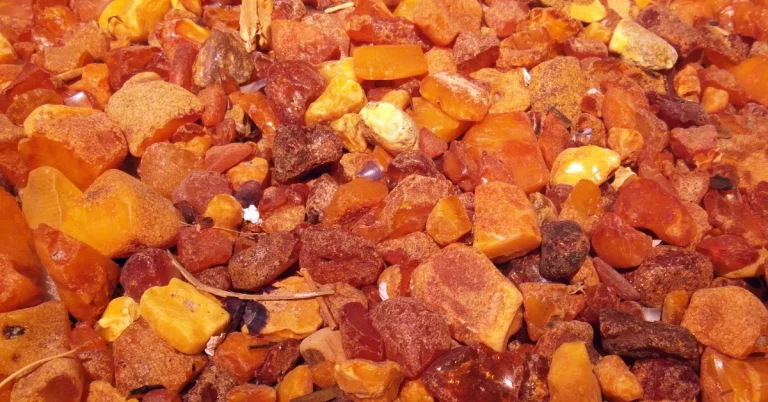
Natural boronia material can carry warm, grounded undertones that give the floral note unusual depth.
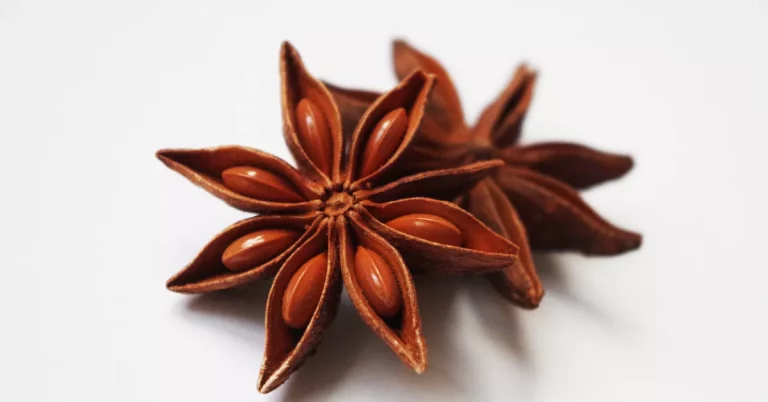
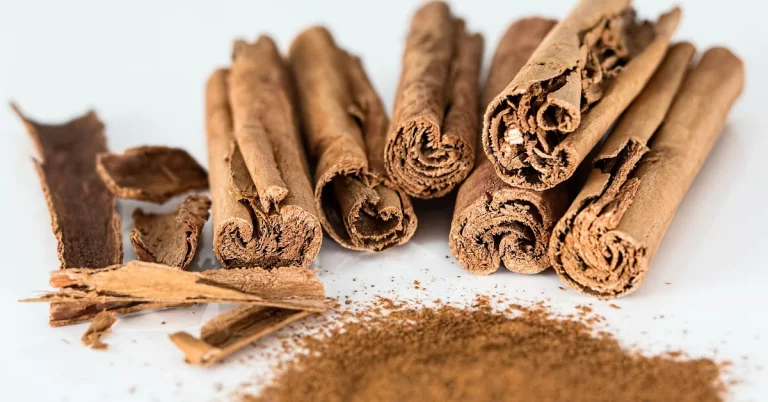
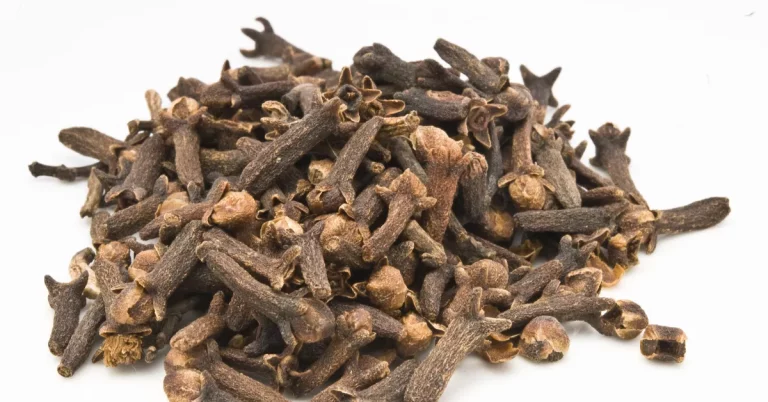
Subtle cinnamon- and tobacco-like nuances may appear around the edges rather than reading as obvious spice notes.
Why can boronia smell different from perfume to perfume?
A perfume note is an artistic scent description, not an ingredient declaration. Natural boronia material has its own complex profile, while a perfumer can also build or emphasize a boronia-like effect using a wider palette.
Natural material versus perfume note
Boronia absolute is a solvent-extracted aromatic material used in perfumery. Its smell can include floral, fruity-sweet, green, tea-like, earthy, woody, and softly spicy facets.
When “boronia” appears in a fragrance note list, however, it does not prove the formula contains natural boronia absolute. The listed note describes the intended olfactory impression and may be natural, reconstructed, stylized, or supported by other materials.
What changes the impression?
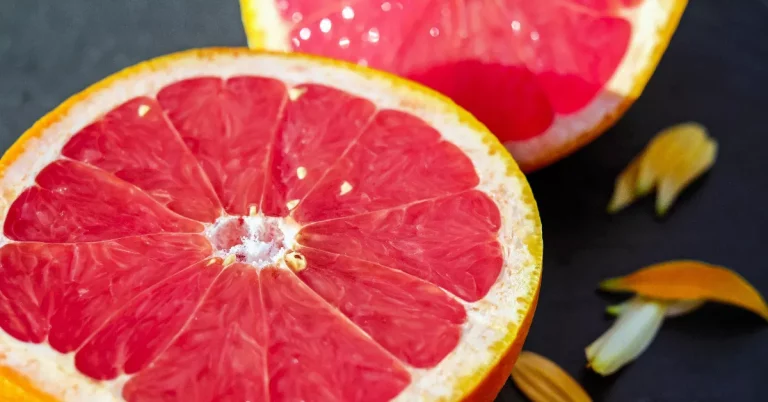
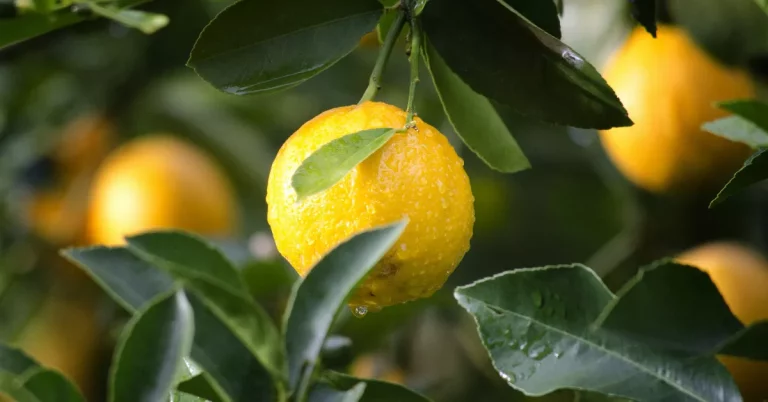
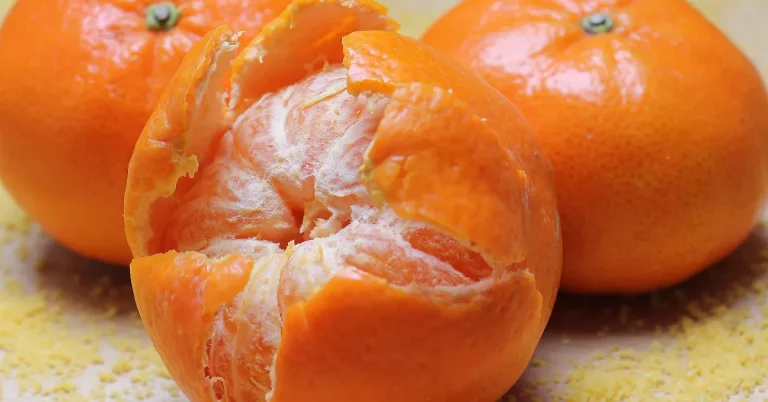
- Bright citrus and crisp fruit can pull boronia toward its fresher, juicier side.
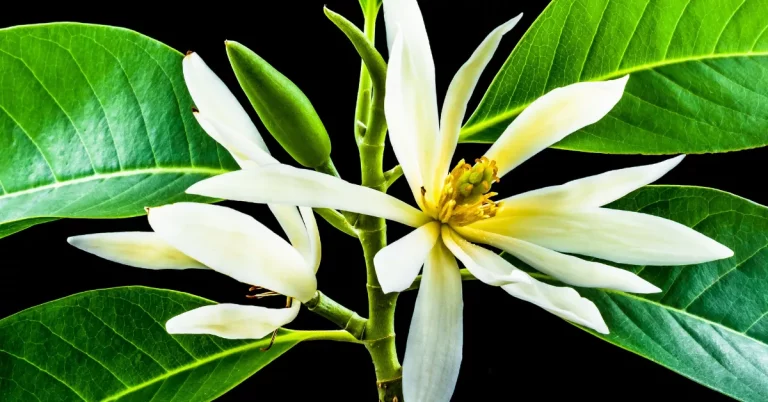
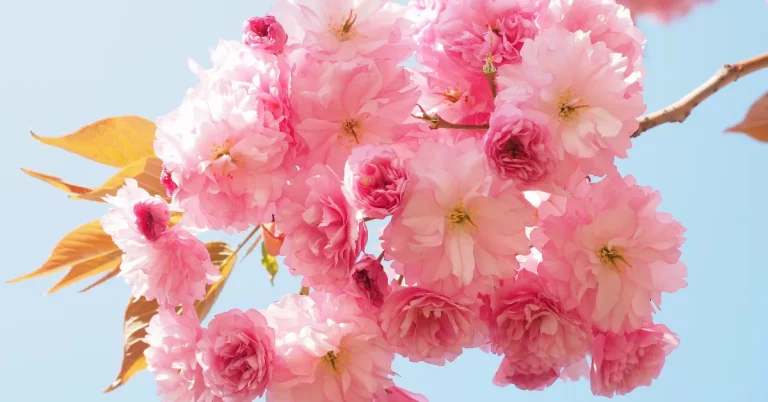
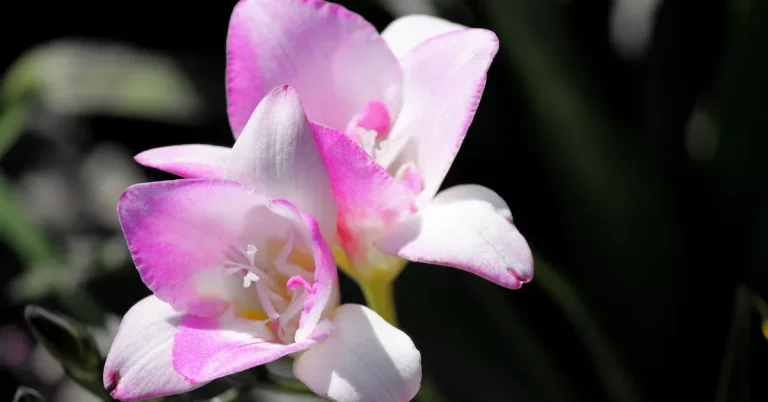
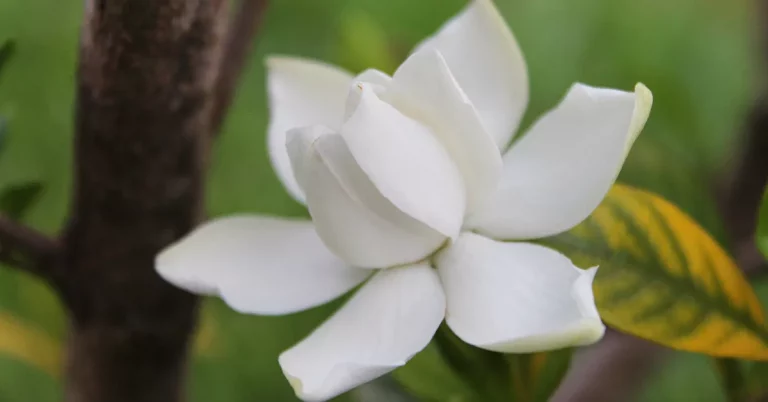
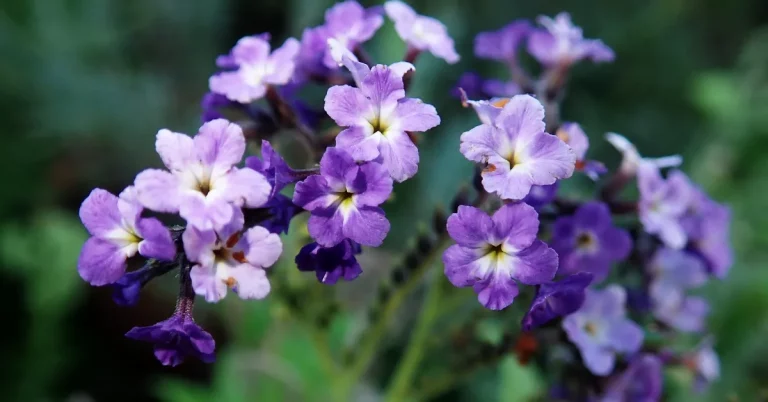
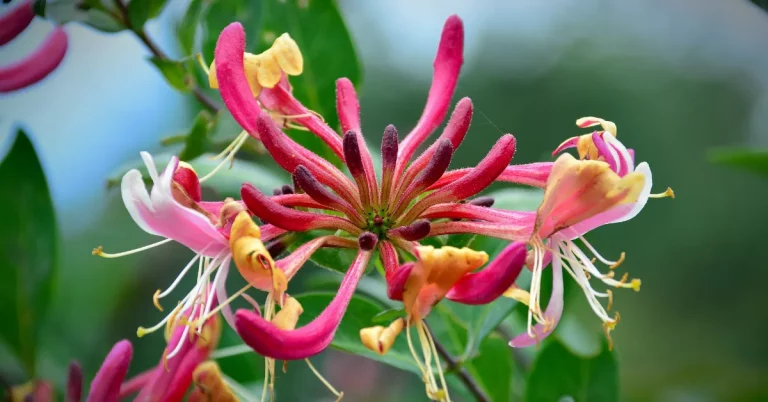
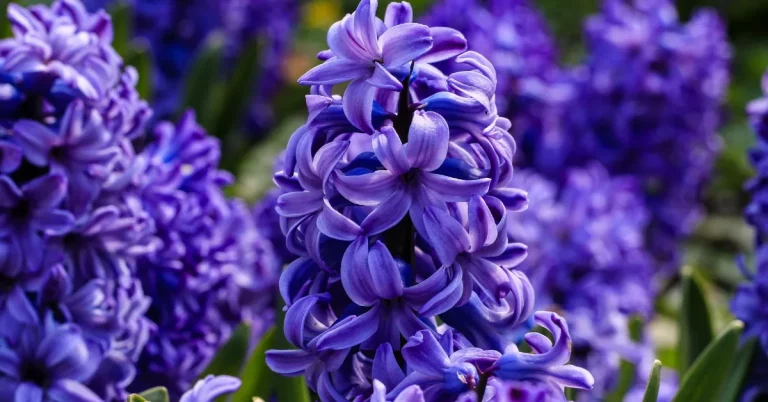
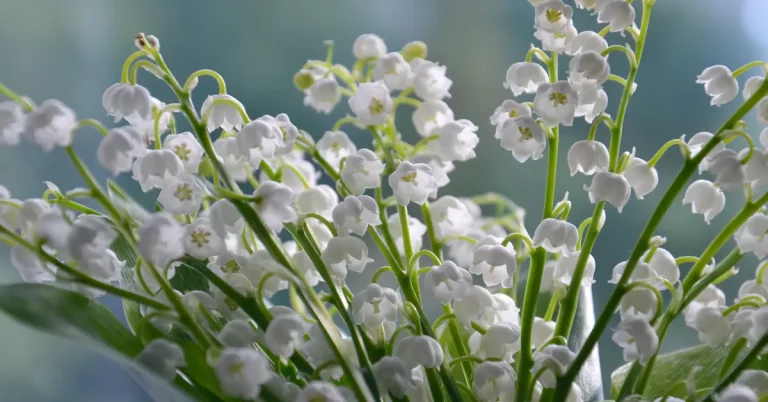
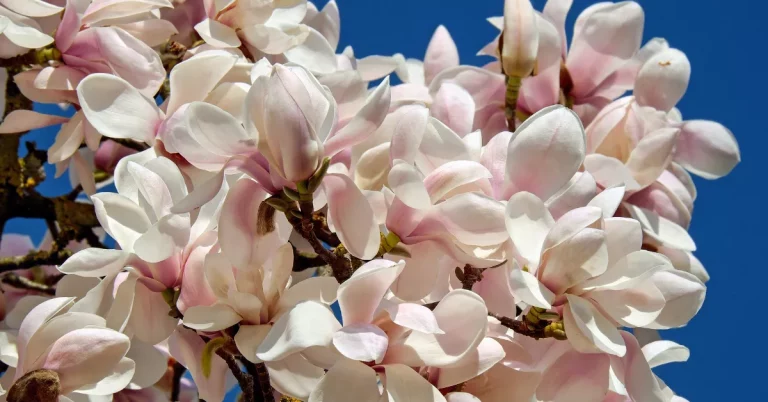
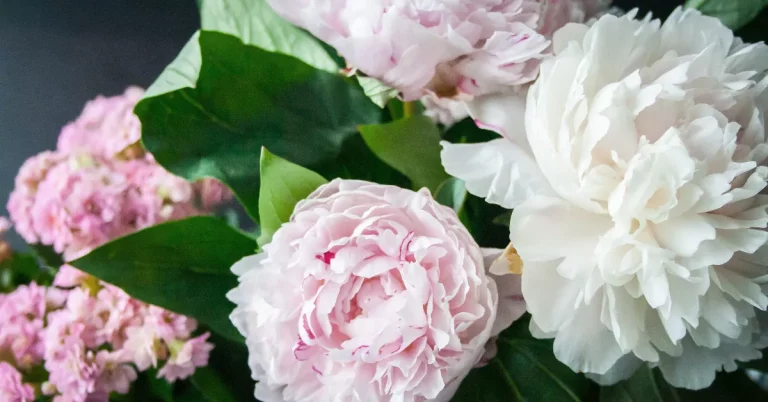
- Freesia, magnolia, rose, and jasmine can make it read as part of a luminous floral bouquet.
- Iris, musk, and ambrette can emphasize its softer, drier, or powderier facets.
- Sandalwood, cedar, amber, and fir can deepen its woody and earthy character.
How Boronia works in a fragrance
Boronia is especially useful when a perfumer wants a floral heart that feels more dimensional than a straightforward bouquet. It can connect fresh fruit and flowers to powdery, musky, woody, or ambered backgrounds.
What pairs well with Boronia?
Boronia works beautifully with notes that either brighten its fruity-floral side or echo its softer, earthier depth.
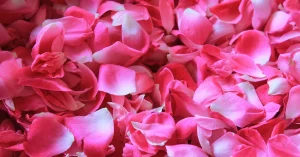
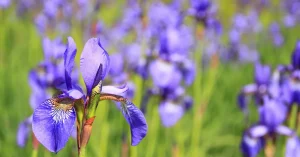
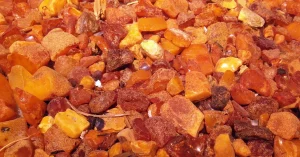
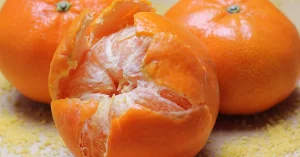
Perfumes that show different sides of boronia
These fragrances place boronia in distinctly different surroundings, from crisp fruity florals to powdery woods and a fuller floral-fruity composition.
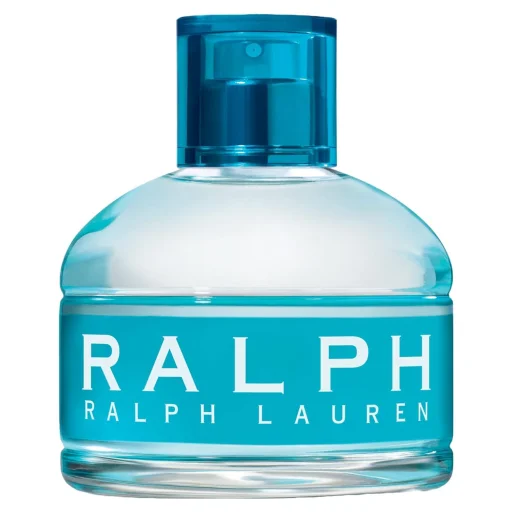
Ralph
Boronia sits in a bright floral heart between a crisp fruit-and-citrus opening and a clean musky-iris base.
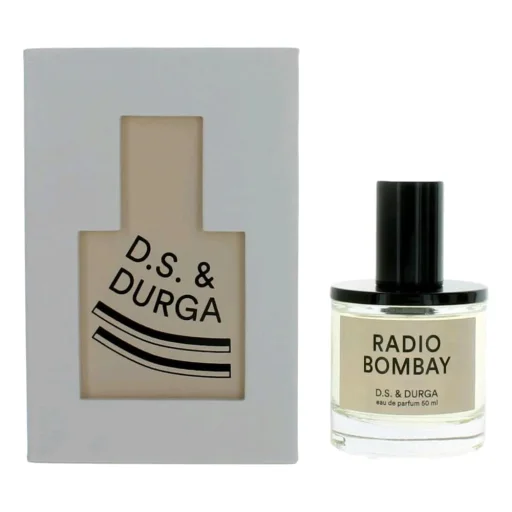
Radio Bombay
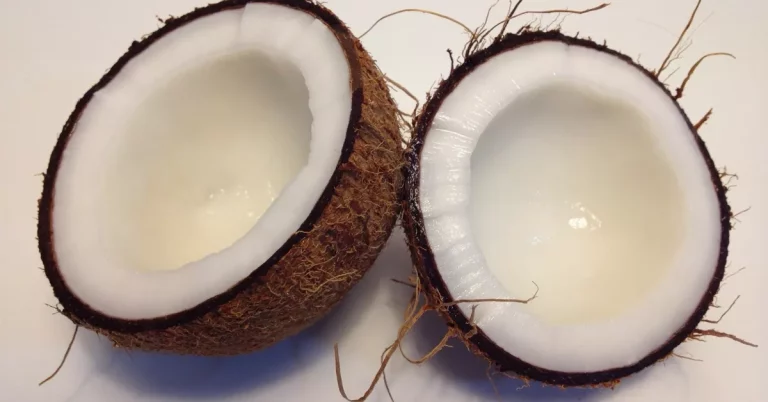
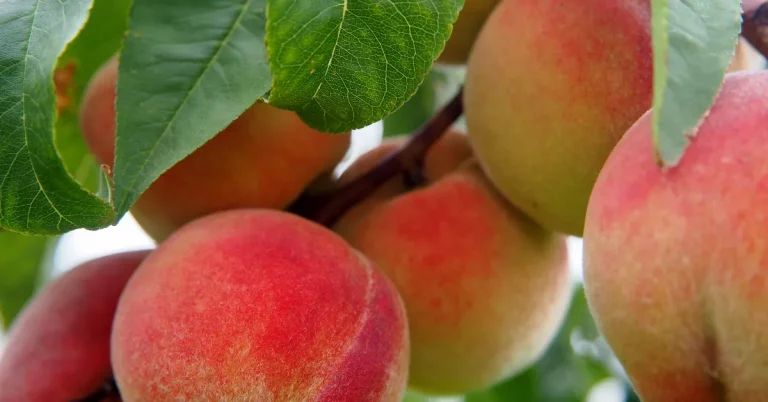
Here boronia is folded into a woody, powdery composition where sandalwood, iris, peach, coconut, musk, and fir move it far from a conventional bouquet.
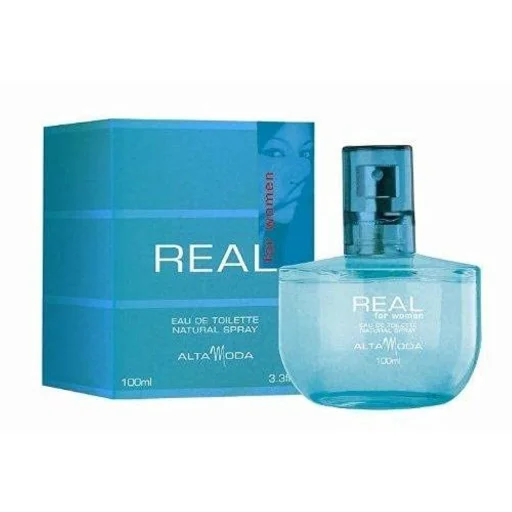
Real
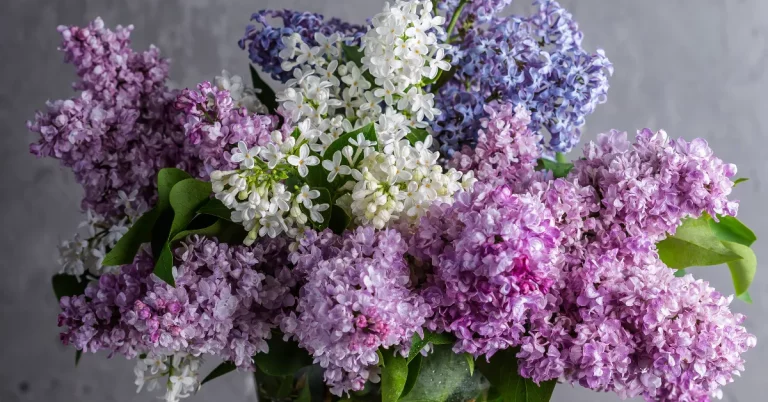
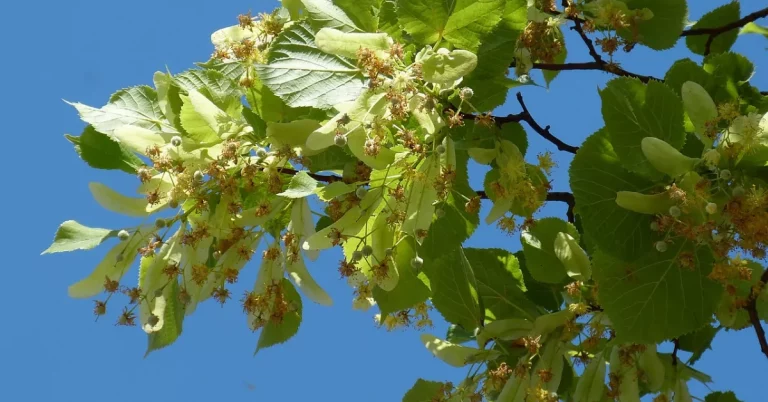
Boronia appears inside a broad floral-fruity heart, surrounded by magnolia, freesia, jasmine, rose, linden blossom, and basmati rice over a soft woody-musky base.
Three ways to wear boronia
Ralph
- Boronia partners
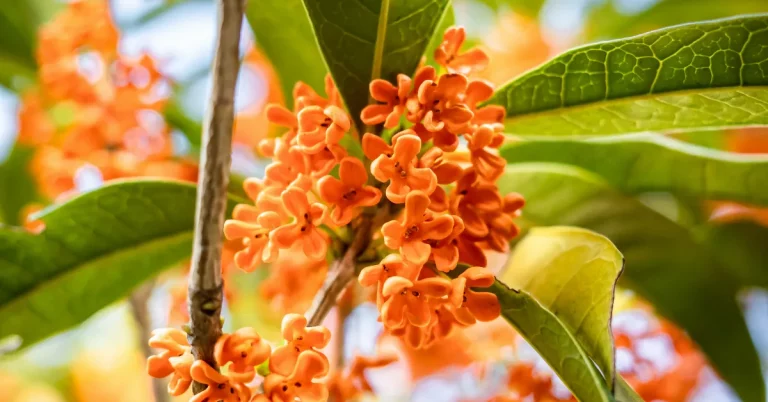
- Yellow freesia, magnolia, apple leaf, mandarin, osmanthus
- Surrounding character
- Fresh floral, fruity, citrusy, green, and clean
- Choose this direction if…
- You like bright, youthful-feeling florals with crisp fruit, airy petals, musk, and iris.
Radio Bombay
- Boronia partners
- Sandalwood, iris, peach, cedar, coconut, ambrette, fir
- Surrounding character
- Woody, powdery, warm, musky, and softly fruity
- Choose this direction if…
- You want boronia framed by woods and texture rather than by a traditional floral bouquet.
Real
- Boronia partners
- Magnolia, freesia, jasmine, rose, linden blossom, fruit, iris, sandalwood
- Surrounding character
- Floral, fruity, citrusy, softly sweet, and powdery
- Choose this direction if…
- You enjoy a fuller bouquet where boronia sits among many florals and bright fruit over a warm base.
Boronia perfume FAQ
What does boronia smell like in perfume?
Boronia is usually described as a rich floral with fruity-sweet, green, earthy, tea-like, woody, and gently spicy nuances. The exact balance depends on the material or accord and on the notes surrounding it.
Is boronia a flower?
Yes. The boronia most strongly associated with perfumery is Boronia megastigma, commonly called brown boronia, a fragrant shrub native to southwestern Australia.
Is boronia a natural perfume ingredient?
Natural boronia absolute does exist and is used in perfumery. However, seeing “boronia” in a fragrance note list does not confirm that the perfume contains the natural absolute.
How is natural boronia material produced?
Boronia absolute is produced by solvent extraction. Commercial boronia material may be made from flowers and leaves rather than from the flower alone.
Is boronia sweet?
It can have a fruity-sweet facet, but it is not simply sugary. Green, earthy, tea-like, woody, and lightly spicy nuances can make it feel much more complex.
What notes work especially well with boronia?
Freesia, magnolia, jasmine, rose, iris, sandalwood, amber, citrus, fruit, musk, and other woods can all highlight different sides of boronia.
Boronia makes florals feel less predictable
At its most characteristic, boronia is a floral note with shadows: fruit without syrup, greenery without sharpness, and earthy tea-and-wood nuances beneath the petals. That complexity lets perfumers steer it toward sparkling bouquets, softly powdery compositions, or warm woody fragrances while still preserving a distinctive floral thread.