Coconut in perfume can feel creamy, milky, softly sweet, tropical, woody, or even airy and sun-warmed. The perfume note is usually an interpretation of coconut rather than a simple dose of coconut oil, allowing perfumers to steer it toward fresh flesh, coconut milk, toasted warmth, beachy skin, or smooth woods.
What is coconut?
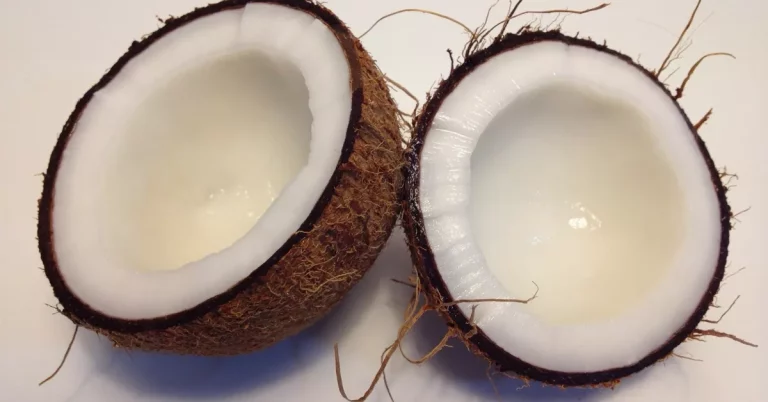
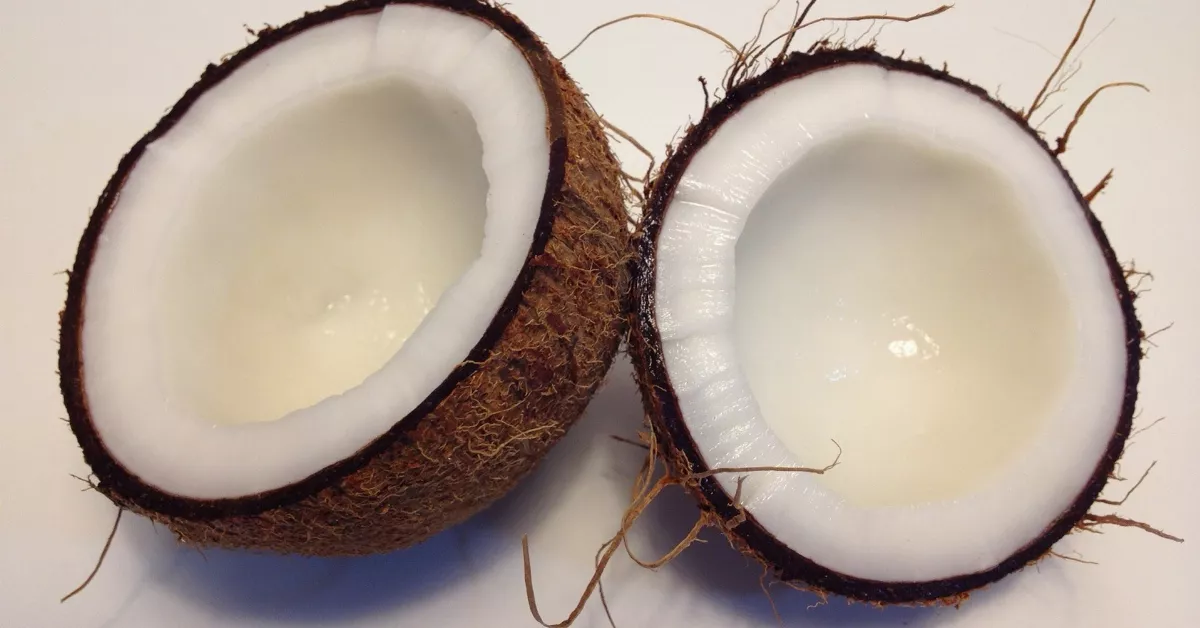
Coconut is the fruit of the coconut palm, Cocos nucifera. In fragrance, however, “coconut” usually describes a constructed scent impression inspired by the fruit, milk, cream, flesh, husk, or warm tropical associations rather than one single natural perfume material.
Fruit, oil, and perfume note are not the same thing
Fresh coconut has several aromatic sides at once: watery freshness, mild sweetness, creamy flesh, a subtle nutty quality, and a softer woody-husk impression. Coconut milk and cream push the idea in a richer, more lactonic direction.
Perfumers can emphasize only some of those facets. A listed coconut note therefore does not necessarily mean the fragrance contains literal coconut extract, coconut milk, or coconut oil.
What does coconut smell like?
Coconut is more versatile than its beachy reputation suggests. Depending on the accord around it, it can smell juicy and tropical, dense and creamy, dry and woody, gently nutty, or almost skin-like.
A smooth, rounded impression reminiscent of coconut flesh, milk, or cream.
Soft lactonic facets can make coconut feel plush, comforting, and almost silky.
Paired with citrus or juicy fruits, coconut immediately suggests warm-weather freshness.
A gentle nut-like warmth can sit beneath the sweeter and creamier parts of the note.
With sandalwood, cedar, or amber, coconut can become drier and less obviously fruity.
Vanilla and other sweet notes can pull coconut toward dessert-like richness without that being its only possible expression.
Why coconut can smell so different in perfume
“Coconut” is an olfactory idea with multiple possible facets, so its character depends heavily on how the perfumer builds and surrounds the accord.
A constructed perfume impression
In many fragrances, coconut is represented through an accord made from aroma materials selected to suggest creamy flesh, coconut milk, soft sweetness, tropical air, or dry woody warmth. The exact construction varies from formula to formula.
This is why two perfumes can both list coconut yet smell completely different: one may be bright and fruity, another sandalwood-heavy and powdery, and another floral and green.
What changes the effect
- Citrus and watery notes make coconut feel fresher and more tropical.
- Vanilla and amber make it feel sweeter, warmer, and creamier.
- Sandalwood and cedar bring out a dry, smooth, woody side.
- White flowers can turn coconut into a lush, softly exotic floral texture.
How coconut works in a fragrance
Coconut is often less about smelling exactly like the fruit and more about changing the texture and atmosphere of a composition. It can soften sharp edges, make woods feel creamy, make florals feel tropical, or give fruit and citrus a sunlit warmth.
What pairs well with coconut?
Coconut is especially adaptable because its creamy sweetness can either reinforce rich materials or contrast with fresh, floral, green, and citrus notes.

Four ways coconut can appear in perfume
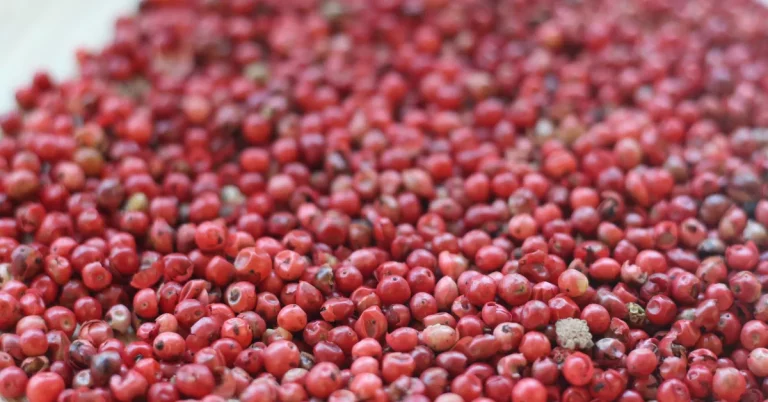
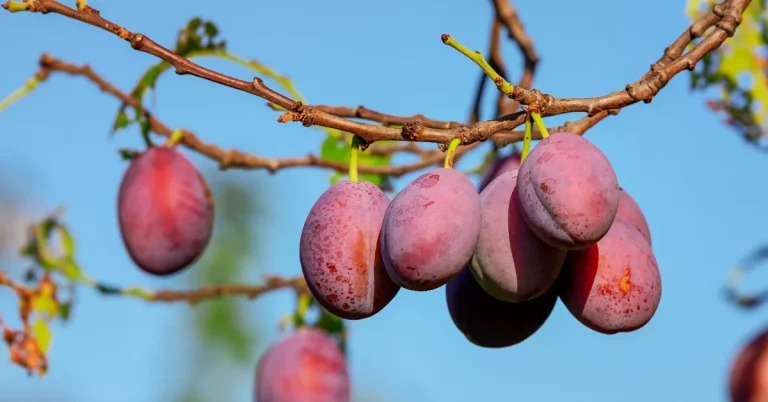
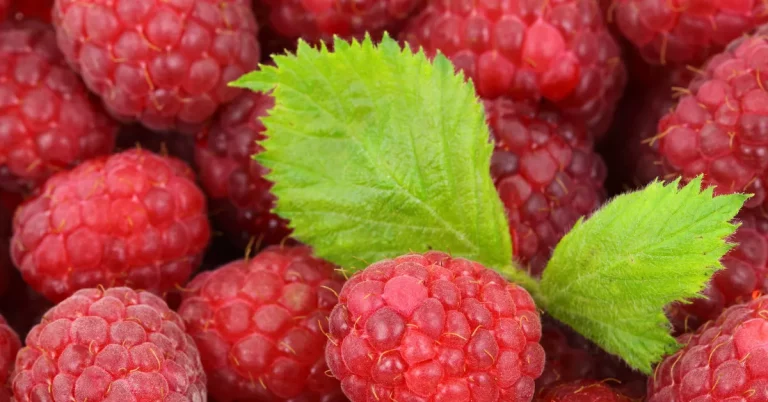
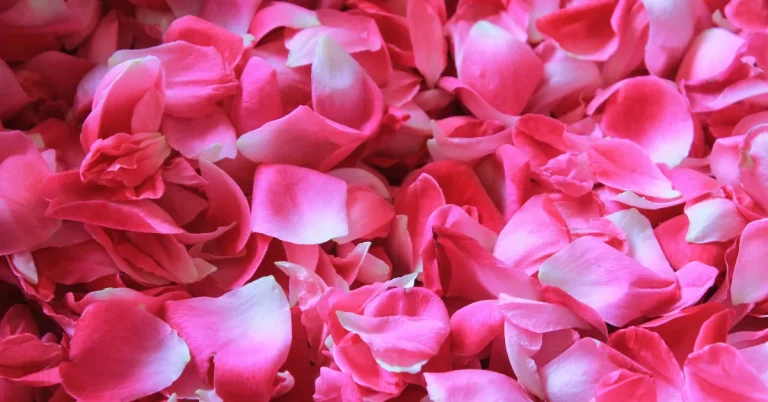
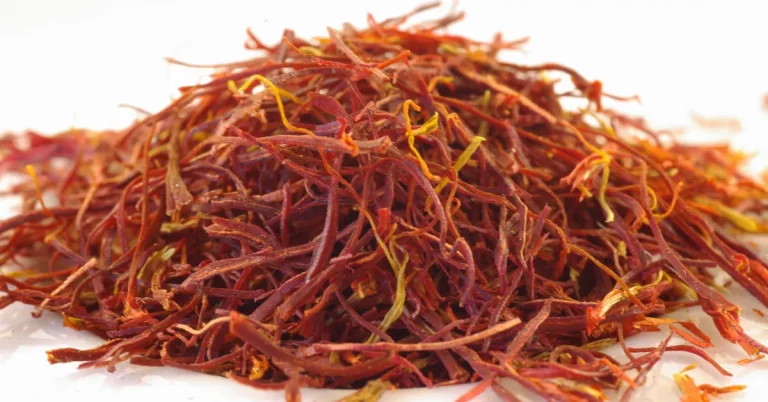
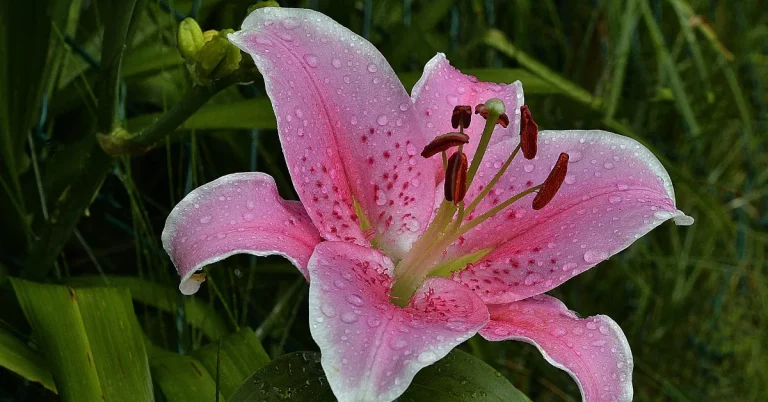
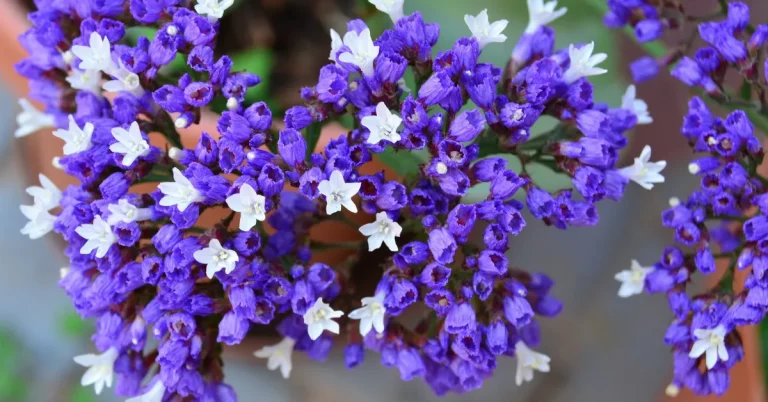
These fragrances show coconut in very different surroundings: fruity white florals, aquatic citrus, creamy woods, and green florals.
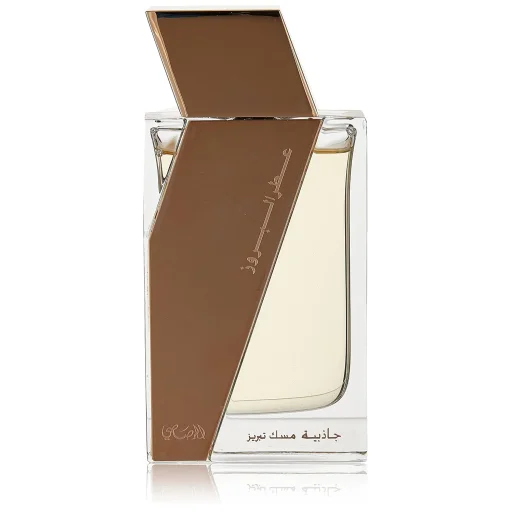
Attar Al Boruzz Jazeebiyat Musk Tabriz
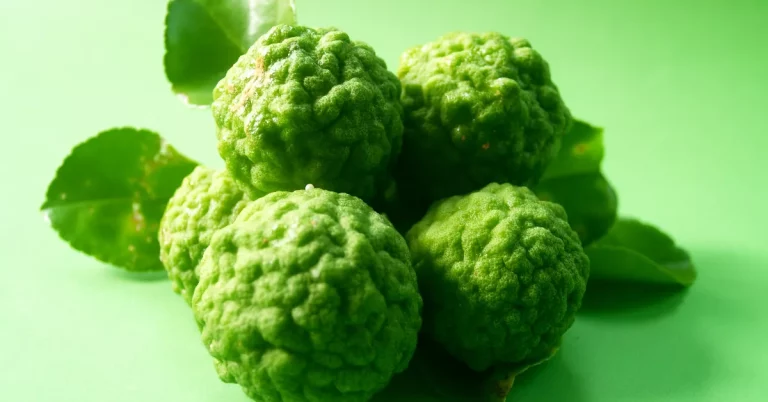
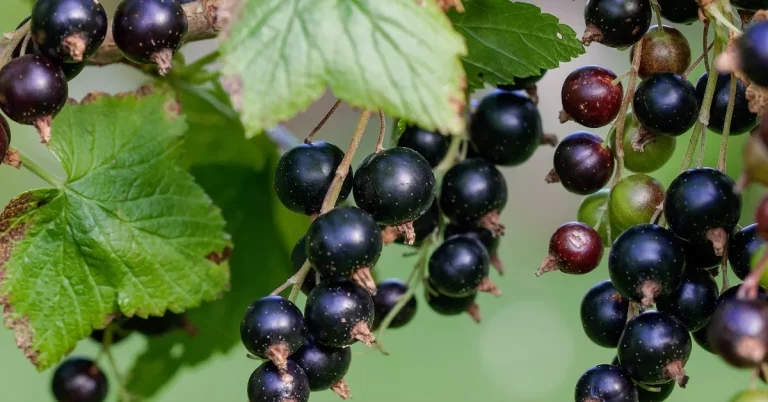
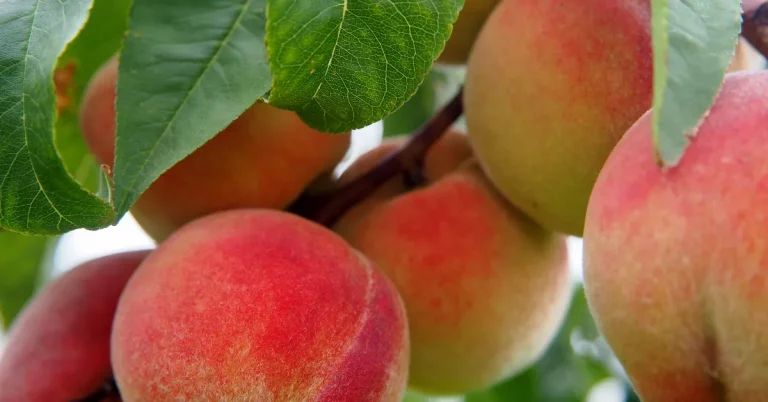
Coconut appears in a densely fruity opening with black currant, peach, cassis, lemon, and mandarin before the fragrance moves into tuberose, orange blossom, and orris over a musky, vanilla-amber, oud base.
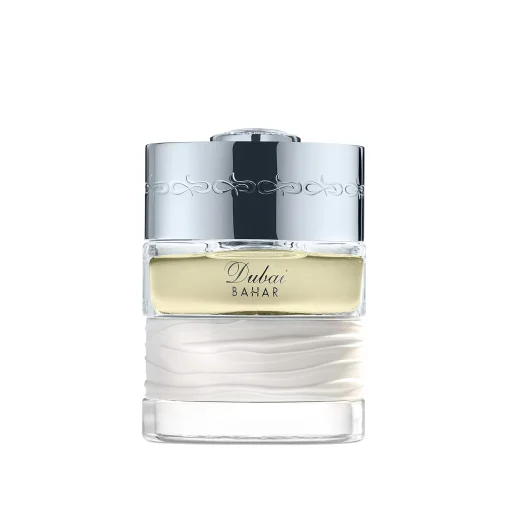
Bahar
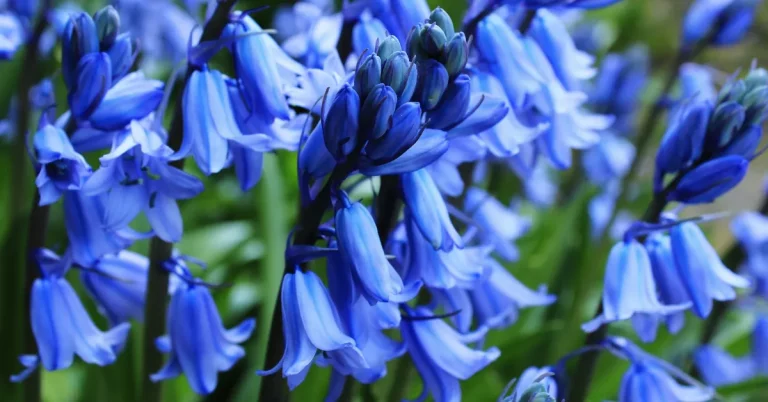
Bahar places coconut inside a large, fresh opening built around sea, ozone, water, citrus, fruit, greens, and spice, with woods, florals, vanilla, and saffron carrying the fragrance into a deep woody-amber base.
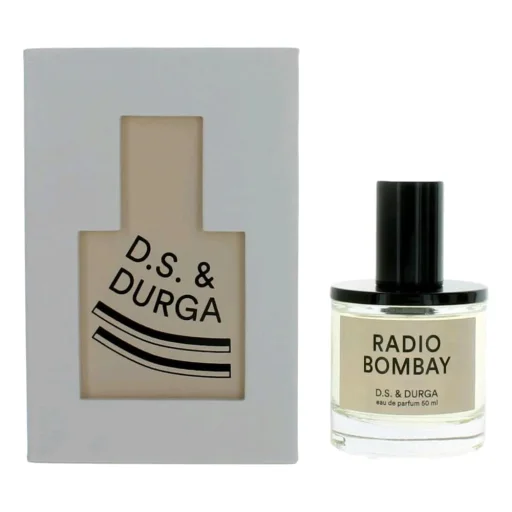
Radio Bombay
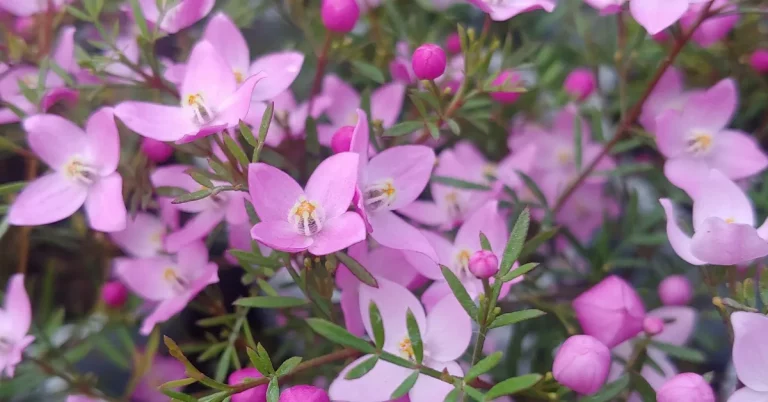
Radio Bombay takes coconut away from a juicy tropical setting and places it in a woody composition dominated by cedar and sandalwood, with powdery iris, peach, boronia, ambergris, fir, ambrette, and musk.
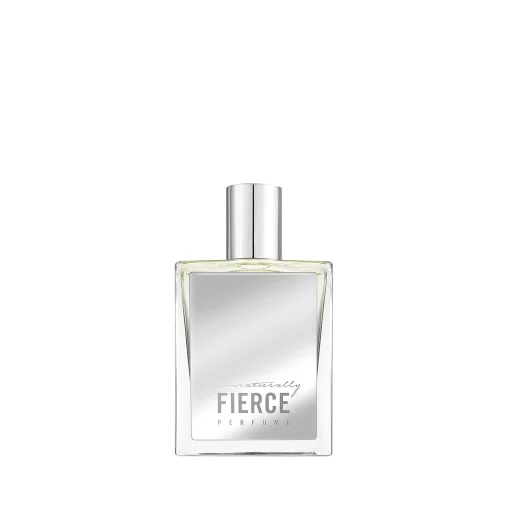
Naturally Fierce
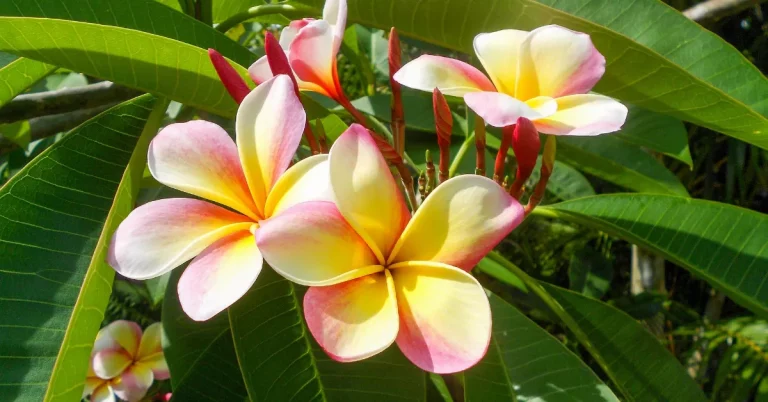
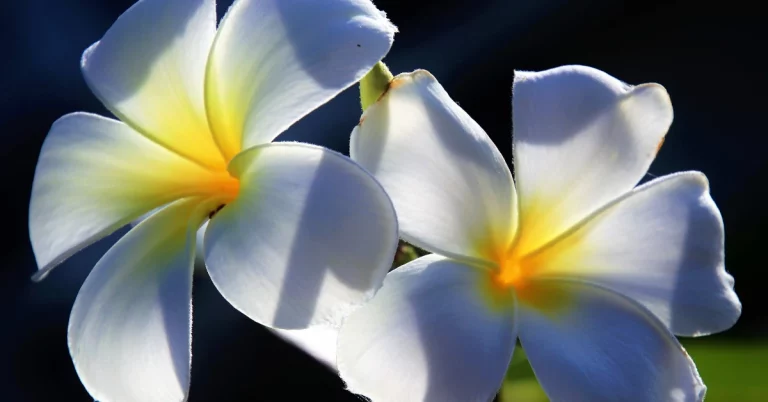
Naturally Fierce pairs coconut with plumeria and orange blossom in the heart, framed by a green opening of cactus, agave, and sunflower and grounded by sandalwood, vetiver, and moss.
How these coconut perfumes differ
Attar Al Boruzz Jazeebiyat Musk Tabriz
- Coconut partners
- Black currant, peach, cassis, citrus, tuberose, orange blossom, vanilla
- Surrounding character
- Fruity, white floral, powdery, musky, warm
- Choose this direction if…
- You want coconut woven into rich fruit, white flowers, vanilla, amber, musk, and oud.
Bahar
- Coconut partners
- Sea notes, citrus, watery notes, fruits, lotus, sandalwood, vanilla
- Surrounding character
- Aquatic, citrusy, woody, aromatic, fresh
- Choose this direction if…
- You want coconut as one tropical accent inside a large marine, citrus, fruity, spicy, and woody composition.
Radio Bombay
- Coconut partners
- Sandalwood, cedar, iris, ambergris, fir, ambrette, musk
- Surrounding character
- Woody, creamy, powdery, musky
- Choose this direction if…
- You prefer coconut to feel dry, smooth, warm, and woody rather than overtly tropical.
Naturally Fierce
- Coconut partners
- Plumeria, orange blossom, cactus, agave, sandalwood, vetiver, moss
- Surrounding character
- Green, floral, woody, softly sweet
- Choose this direction if…
- You like coconut paired with floral softness and a fresh green, woody frame.
Coconut perfume FAQ
Does coconut perfume always smell sweet?
No. Coconut can be sweet and creamy, but woods, musk, green notes, citrus, or marine notes can make it drier, fresher, or more skin-like.
Why does coconut sometimes smell like sunscreen?
Some coconut accords are intentionally built around warm, creamy, tropical associations that overlap with familiar beach and body-care scents. Other coconut fragrances avoid that style almost entirely.
Is coconut a natural extract in perfume?
Not necessarily. When a fragrance lists coconut as a note, it usually describes the intended smell impression. The formula may use an accord or other aroma materials to create that effect.
Can coconut smell woody?
Yes. Coconut pairs especially well with sandalwood, cedar, amber, and musk, which can emphasize its dry, creamy, warm, and woody facets.
What flowers pair best with coconut?
White florals such as jasmine, orange blossom, tuberose, and plumeria are classic partners because they share a lush, creamy quality, while rose can provide a fresher contrast.
Is coconut only used in tropical perfumes?
No. It can appear in woody, floral, musky, amber, green, aquatic, and gourmand compositions, where it may function more as texture than as an obvious tropical theme.
Coconut can be creamy, green, woody, floral, or fresh
The best way to understand coconut in perfume is to look beyond the note name and notice what surrounds it. Citrus and water can make it breezy, white flowers can make it lush, vanilla can make it sweeter, and sandalwood or musk can turn it soft, woody, and close to the skin.