Grapefruit brings a bright citrus flash to perfume, but its character is more complex than simple sweetness. It can smell sparkling, tart, juicy, bitter, dry, green, or slightly aromatic, giving a fragrance lift while keeping the opening crisp and grown-up.
What is grapefruit?
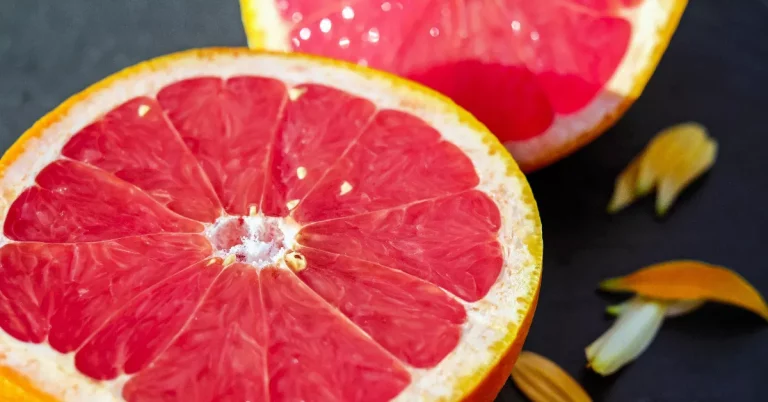
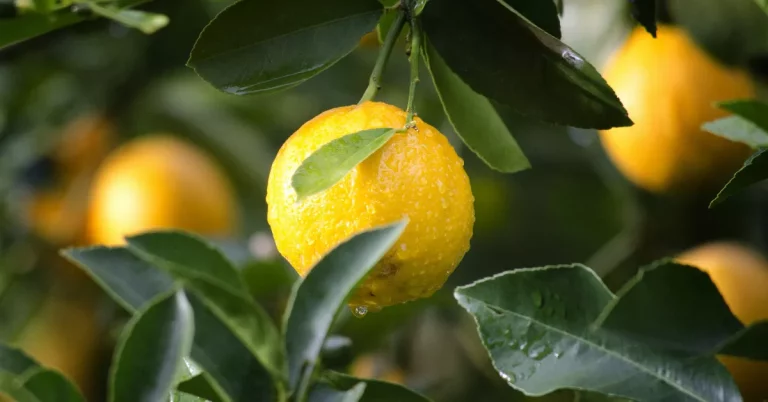
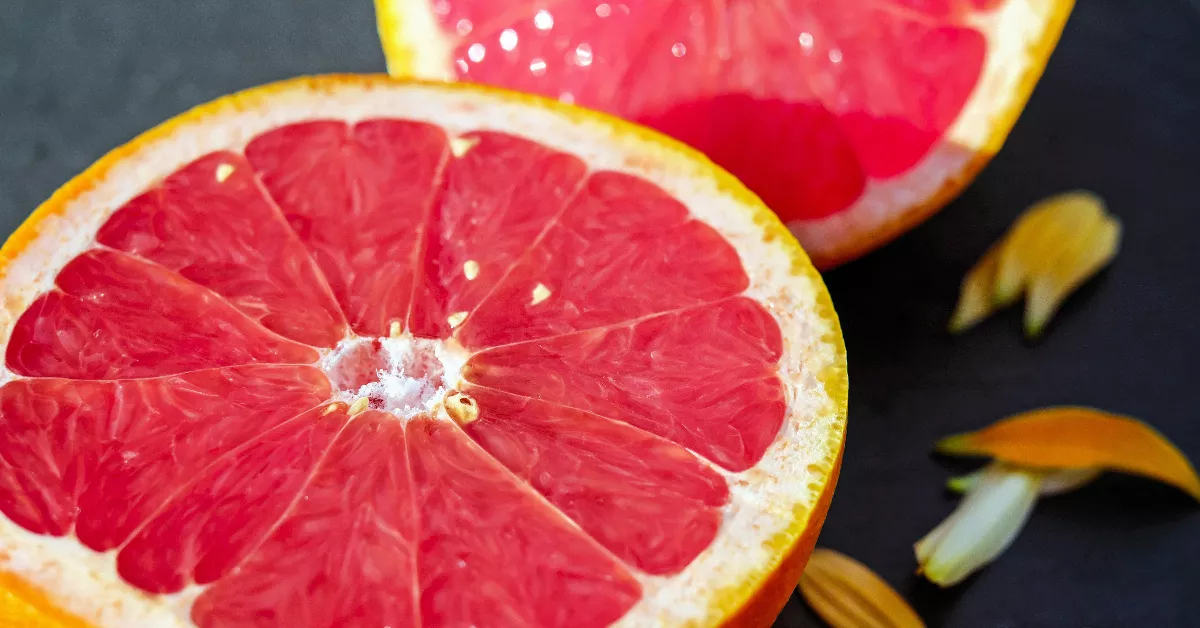
Grapefruit is a citrus fruit, botanically known as Citrus × paradisi. In perfumery, the aromatic peel is the most relevant part of the fruit, although a fragrance that lists “grapefruit” may use natural grapefruit material, a reconstructed grapefruit accord, or a combination of materials chosen to suggest the fruit.
Fruit, peel, and perfume note
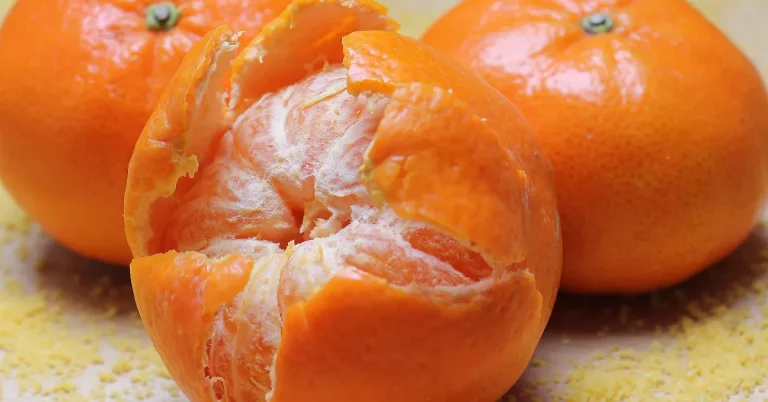
Fresh grapefruit has a distinctive balance of juicy citrus brightness and peel-like bitterness. That bitter edge is one of the qualities that separates a grapefruit impression from sweeter orange or mandarin effects.
For fragrance, grapefruit peel can provide a natural aromatic material, while perfumers can also build a grapefruit effect without relying on a literal extract. A note listing therefore describes the scent impression, not necessarily the exact raw material in the formula.
What does grapefruit smell like?
Grapefruit sits between juicy citrus refreshment and a drier, sharper peel character. In perfume, it can read as mouthwatering and sunny in one formula, then brisk, green, or almost austere in another.
A quick burst of citrus light that can make an opening feel energetic and transparent.
A mouthwatering acidic impression keeps the note from becoming syrupy or candy-like.
A peel-like bitterness gives grapefruit its dry, sophisticated edge.
Some grapefruit accords emphasize the fresh-cut fruit effect, suggesting pulp and sparkling juice.
Herbal, leafy, or aromatic partners can draw out a cooler and more botanical side.
Woods, vetiver, resins, and spices can make the citrus feel leaner and less fruity.
Why grapefruit can smell different from perfume to perfume
The grapefruit impression changes with both the material and the composition around it. A natural peel material has its own variation, while a constructed accord can deliberately emphasize juicy, bitter, green, dry, or sparkling facets.
From peel to composition
Natural grapefruit aromatic material is commonly associated with the fruit’s peel rather than the watery flesh. Its scent is volatile and well suited to the opening of a fragrance, where its citrus character is easiest to perceive.
Perfumers can also create or reinforce a grapefruit impression with other aromatic materials. That makes it possible for two perfumes that both list grapefruit to smell noticeably different.
What changes the effect?
- The grapefruit variety and character of the peel material can influence the natural aroma.
- Processing and handling can shift how fresh, dry, bitter, or rounded a citrus material smells.
- Other top notes such as bergamot, lemon, mint, or spices can reshape the opening.
- Woods, florals, musks, amber, and resins determine whether grapefruit feels airy, polished, warm, or dark.
How grapefruit works in a fragrance
Grapefruit is especially useful when a perfumer wants immediate freshness without relying on a purely sweet citrus effect. It can sharpen a top accord, bridge citrus into aromatic notes, or create contrast against heavier woods, amber, leather, and resins.
What pairs well with grapefruit?
Grapefruit is easy to steer in different directions. Other citrus notes amplify its sparkle, florals soften its edges, herbs make it cooler and more aromatic, while amber and vanilla create contrast between fresh brightness and warmth.



Four ways grapefruit can shape a perfume
These supplied fragrances show grapefruit in very different surroundings, from mint and marine notes to leather, oud, amber, woods, and spices. The note is listed in the opening of each composition, but its role changes according to what surrounds it.
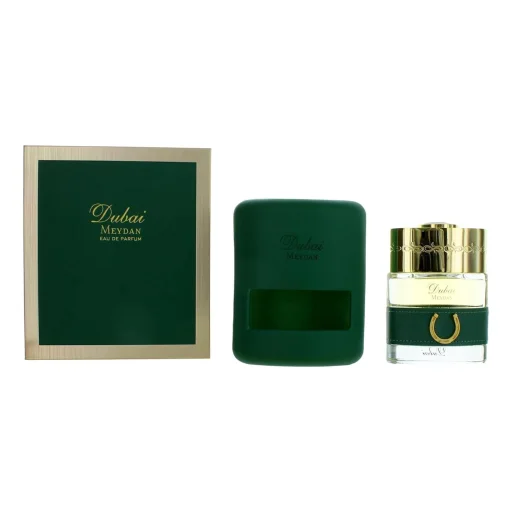
Meydan
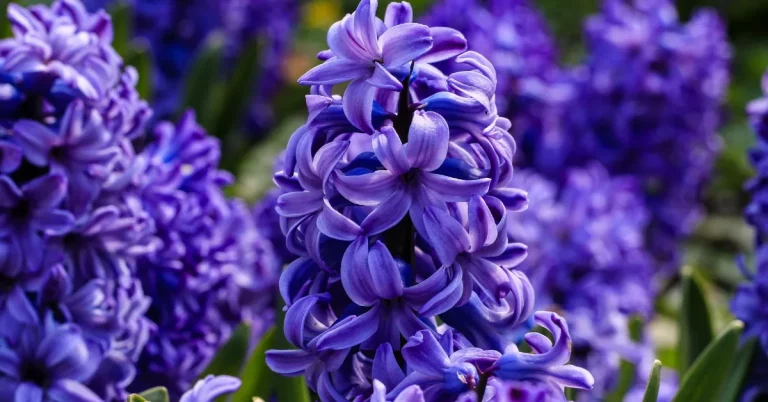
Meydan places grapefruit inside a densely layered opening of saffron, lavender, nutmeg, bergamot, cypress, cardamom, styrax, cinnamon, apple, and artemisia before moving into tobacco, oud, florals, woods, leather, patchouli, musk, and amber.
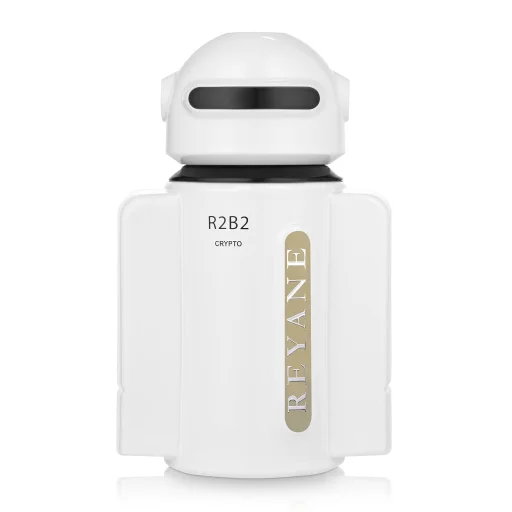
R2B2 Crypto
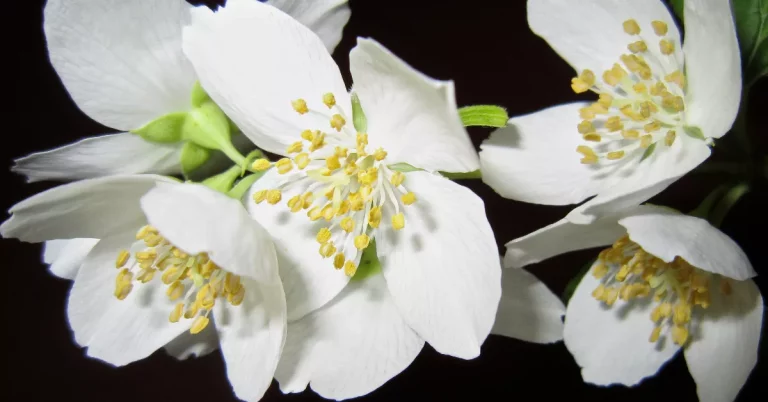
R2B2 Crypto gives grapefruit a distinctly fresh setting, pairing it with mint and bergamot above marine notes and orange blossom, then grounding the composition with patchouli, sandal, vetiver, and amber.
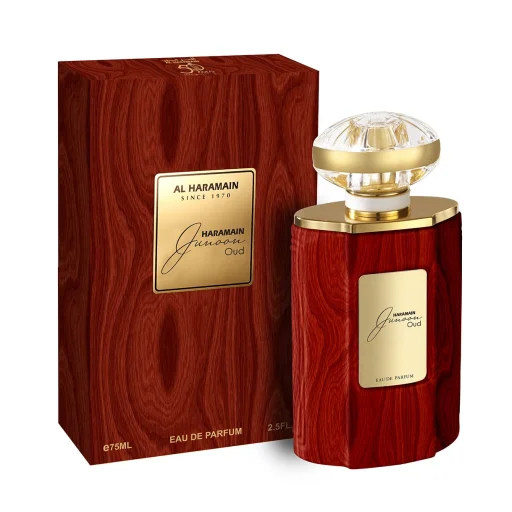
Junoon Oud
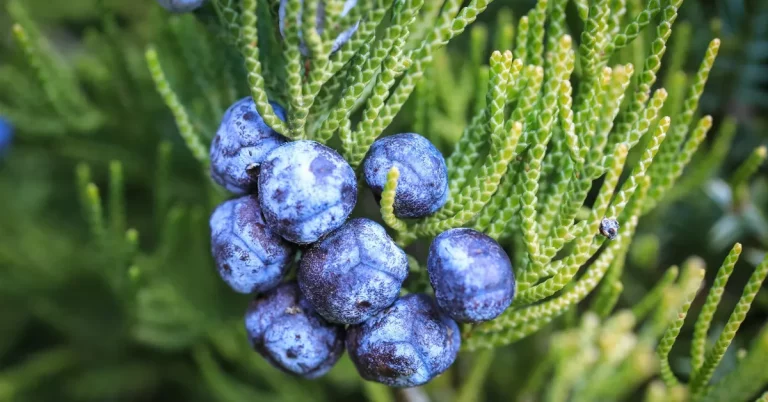
Junoon Oud uses grapefruit beside woody notes from the start, followed by musk, jasmine, and amber, with more woods, patchouli, and palisander rosewood in the base.

Dark Door Sport
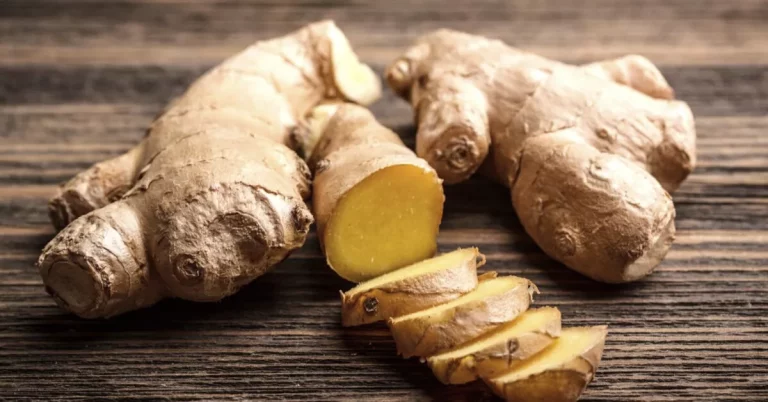
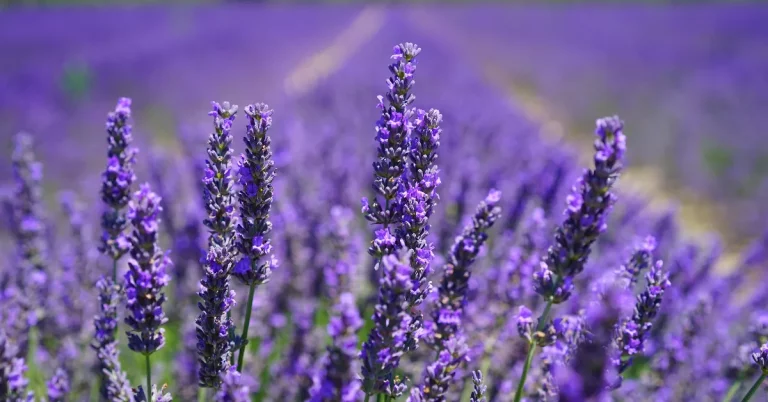
Dark Door Sport groups grapefruit with elemi resin, bergamot, and lemon, then shifts into ginger, cedar, and vetiver before settling into lavender, sandalwood, and rosemary.
How these grapefruit perfumes differ
Meydan
- Grapefruit partners
- Bergamot, saffron, cardamom, cinnamon, lavender, apple
- Surrounding character
- Spiced, aromatic, woody, leathery, and resinous
- Choose this direction if…
- You like citrus used as a flash of brightness against a dense, dark, spice-and-wood composition.
R2B2 Crypto
- Grapefruit partners
- Mint, bergamot, marine notes, orange blossom
- Surrounding character
- Cool, fresh, aquatic, green, and woody
- Choose this direction if…
- You want grapefruit emphasized through minty freshness and a marine heart rather than heavy spice.
Junoon Oud
- Grapefruit partners
- Woody notes, jasmine, musk, amber
- Surrounding character
- Woody, musky, warm, and patchouli-rich
- Choose this direction if…
- You enjoy a bright citrus opening set directly against woods and a warmer amber-musk center.
Dark Door Sport
- Grapefruit partners
- Bergamot, lemon, elemi resin, ginger
- Surrounding character
- Citrusy, aromatic, dry, woody, and fresh-spicy
- Choose this direction if…
- You prefer grapefruit with other citrus notes, crisp aromatics, ginger, cedar, and vetiver.
Grapefruit perfume FAQ
Does grapefruit perfume smell like fresh grapefruit juice?
Sometimes, but not always. A grapefruit note may emphasize juicy fruit, tart peel, dry bitterness, green freshness, or a stylized citrus accord rather than a literal fresh-cut-fruit smell.
Is grapefruit usually a top note?
It is commonly used in the opening because its citrus character is bright and volatile. The surrounding formula can extend its impression or echo its freshness later in the fragrance.
Is grapefruit sweeter than orange or mandarin in perfume?
Usually it is perceived as less round and sweet. Grapefruit is especially recognizable for its tartness and bitter peel effect, although the exact balance depends on the perfume.
If a perfume lists grapefruit, does it contain natural grapefruit oil?
Not necessarily. A note list describes the intended scent impression. The formula may use natural grapefruit material, aroma materials that recreate the effect, or a blend of both.
Why does grapefruit smell bitter in some fragrances?
The natural fruit has a pronounced peel bitterness, and perfumers can deliberately emphasize that dry rind-like facet. Woods, herbs, vetiver, resins, and spices can make the bitterness feel even more noticeable.
What kinds of perfumes use grapefruit well?
Grapefruit works naturally in citrus, aromatic, fresh, woody, floral, marine, and warm compositions. Its brightness can either lead a fresh fragrance or provide contrast against heavier notes such as amber, patchouli, leather, and oud.
Grapefruit brings brightness with an edge
Grapefruit is valuable in perfumery because it does more than make a fragrance smell citrusy. Its mix of sparkle, tartness, juiciness, and peel-like bitterness can brighten florals, sharpen aromatics, freshen woods, and create vivid contrast against warmer or darker materials.