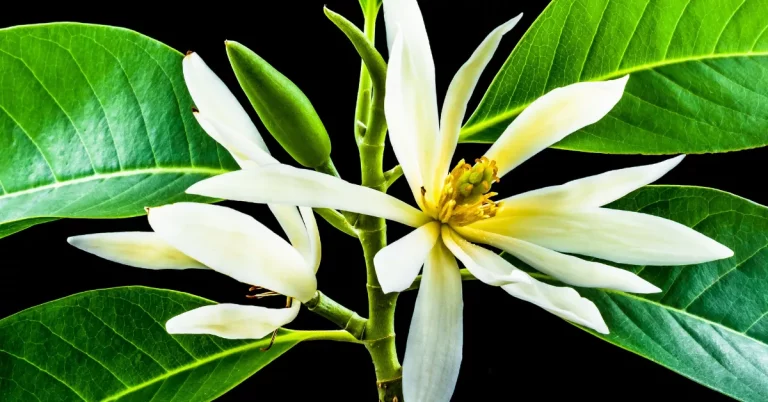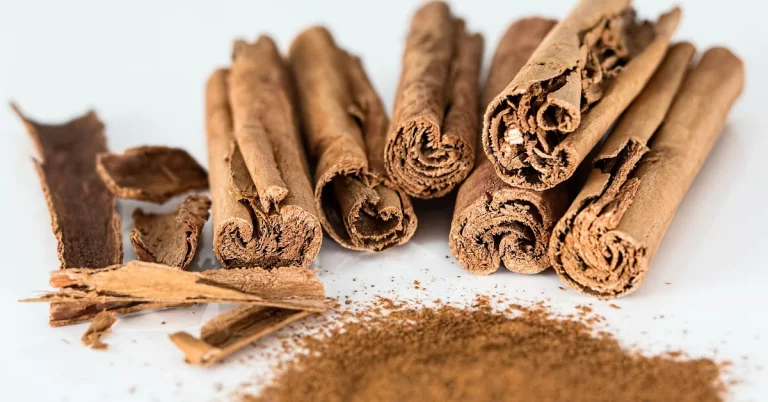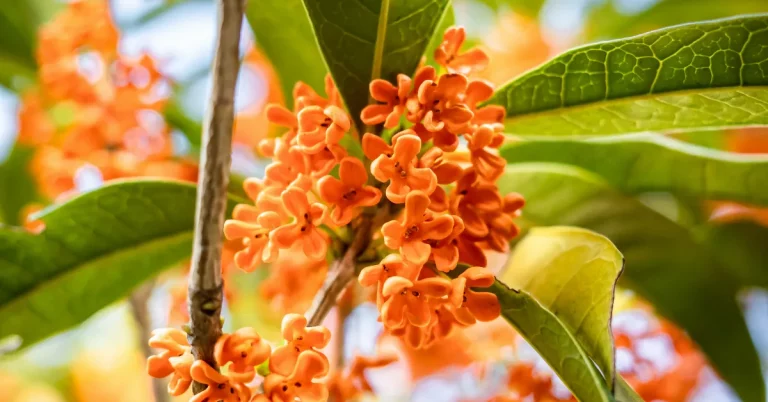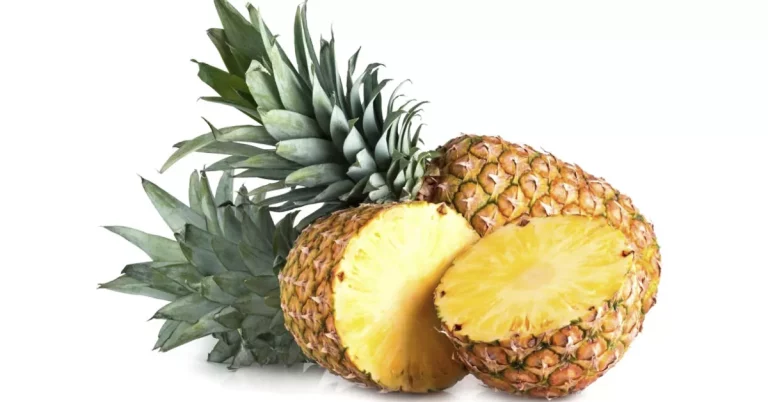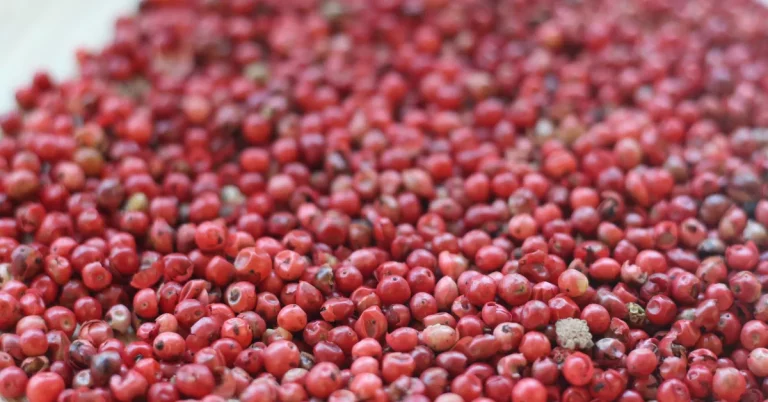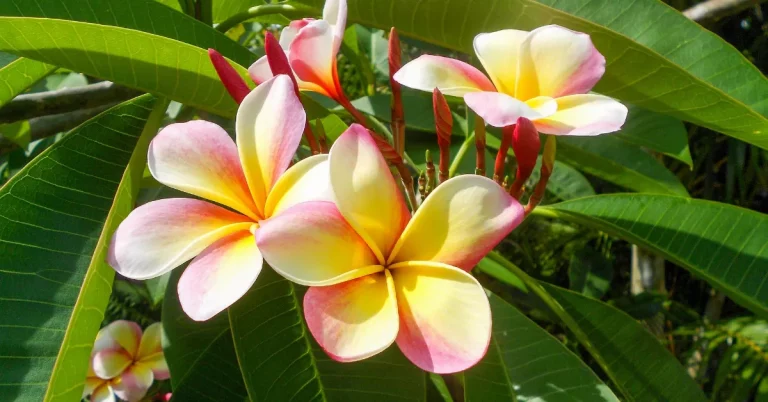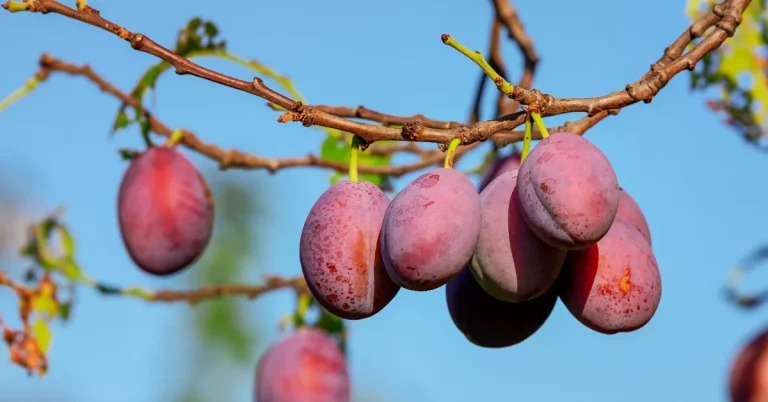
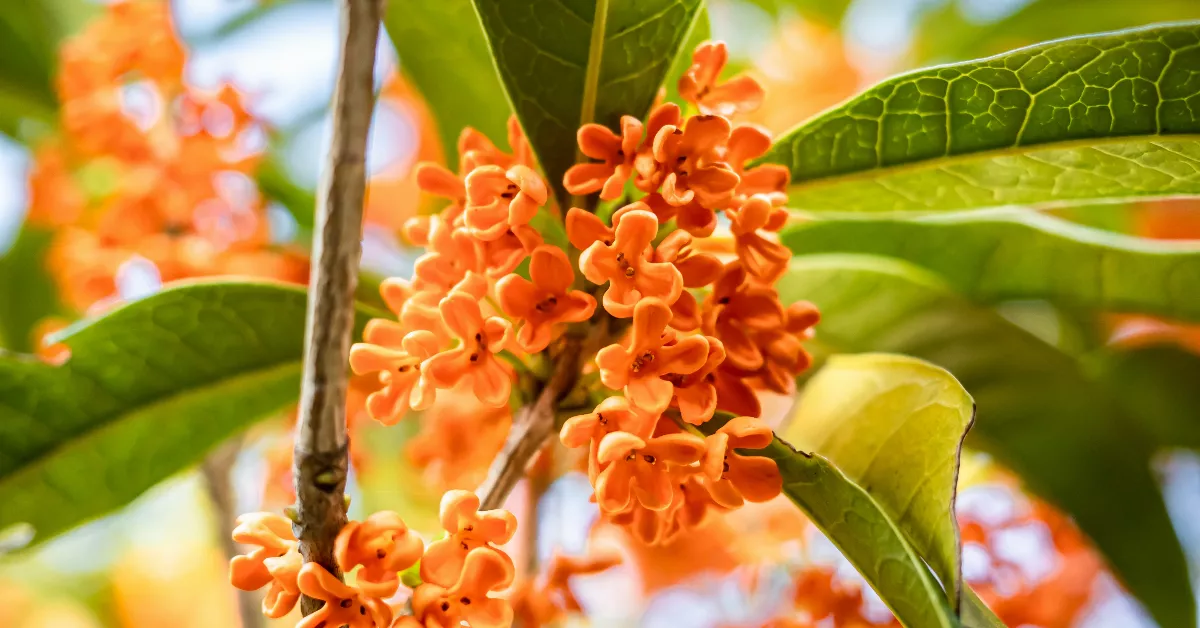
Osmanthus is a small, intensely fragrant flower known in perfumery for an unusual blend of floral sweetness, apricot-like fruitiness, tea-like nuance, and soft leather. Natural osmanthus absolute can be remarkably complex, while an “osmanthus” note in a finished perfume may be natural, reconstructed, or interpreted through an accord rather than a literal flower extract.
What is osmanthus?
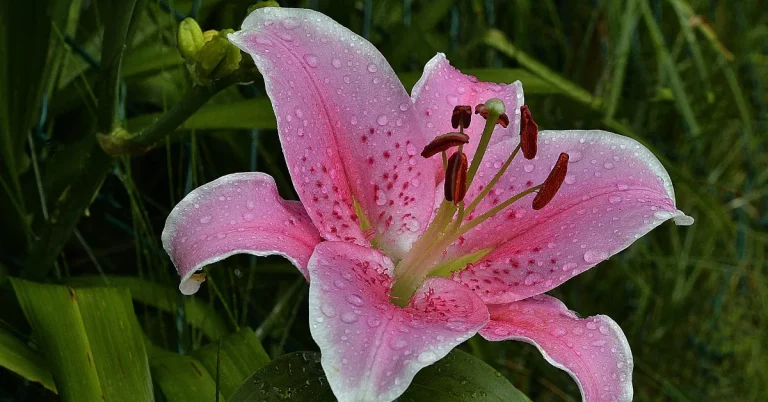
Osmanthus fragrans is an evergreen flowering plant in the olive family, Oleaceae. Its tiny blossoms are prized for a fragrance that can seem surprisingly rich compared with their delicate appearance.
From flower to perfumery material
In fine fragrance, natural osmanthus is most commonly encountered as an absolute made from the flowers. Commercial materials from China are produced by solvent extraction, often after the freshly harvested blossoms have been preserved before extraction.
That natural material is not the same thing as every perfume that lists “osmanthus” as a note. A note list describes the smell a composition is designed to suggest, not a disclosure of the formula.
What does osmanthus smell like?
Osmanthus is difficult to reduce to a single floral description. Its signature often sits between ripe yellow fruit, delicate flowers, tea, and supple leather, with the balance changing according to the material and the composition around it.
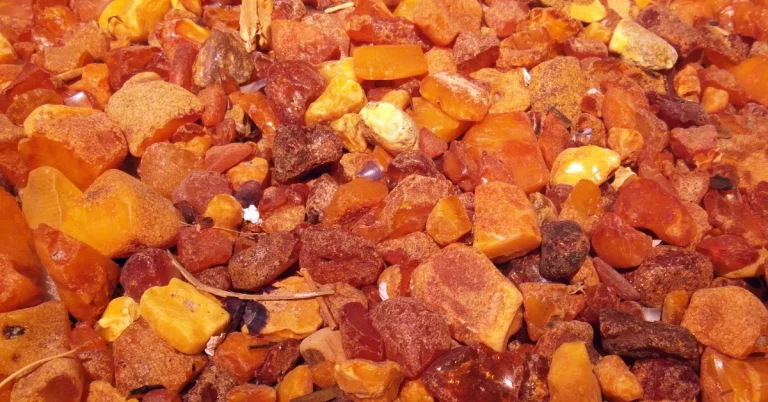
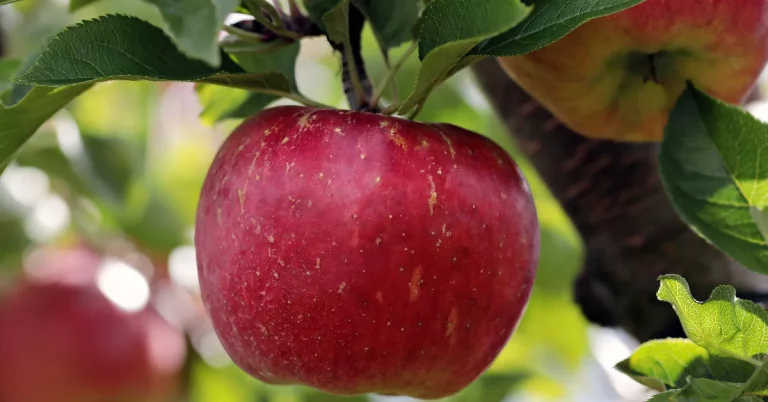
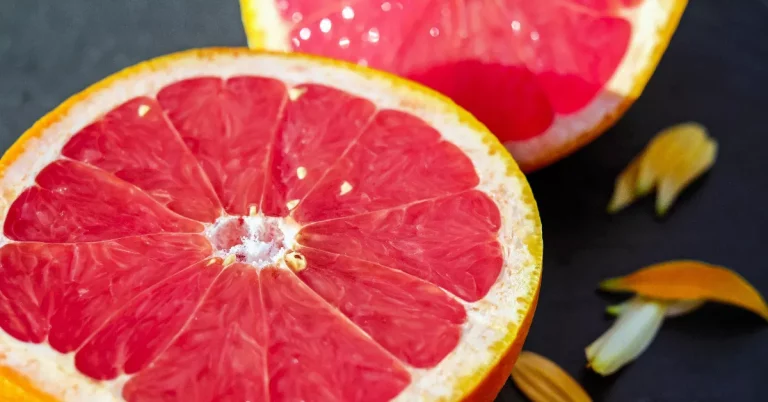
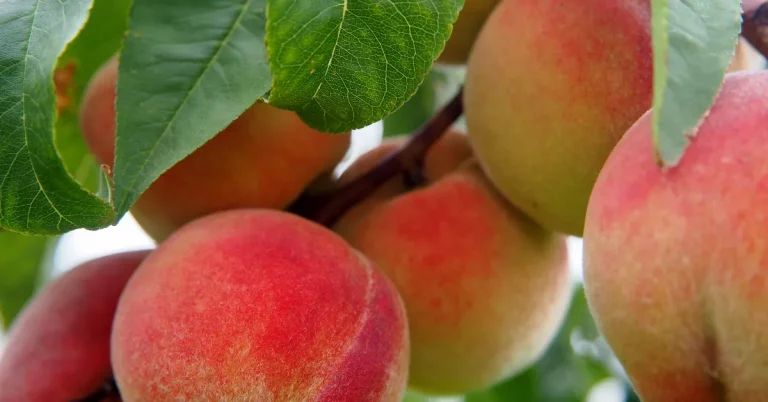
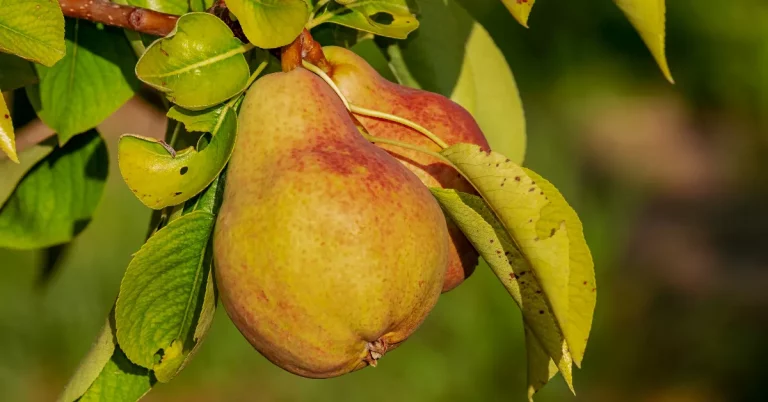
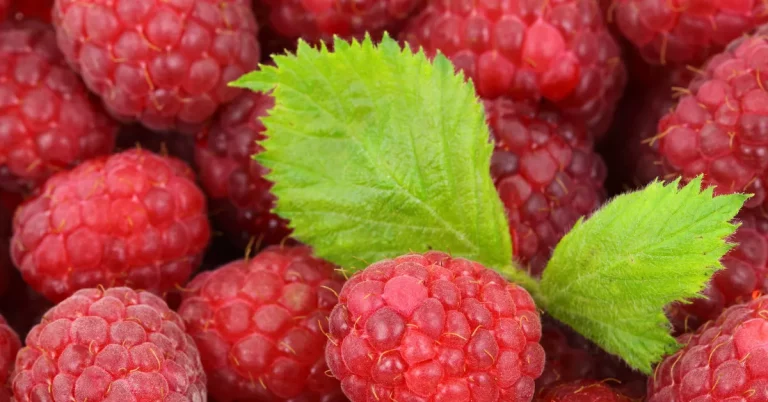
A soft, ripe stone-fruit impression is one of osmanthus’s most recognizable facets.
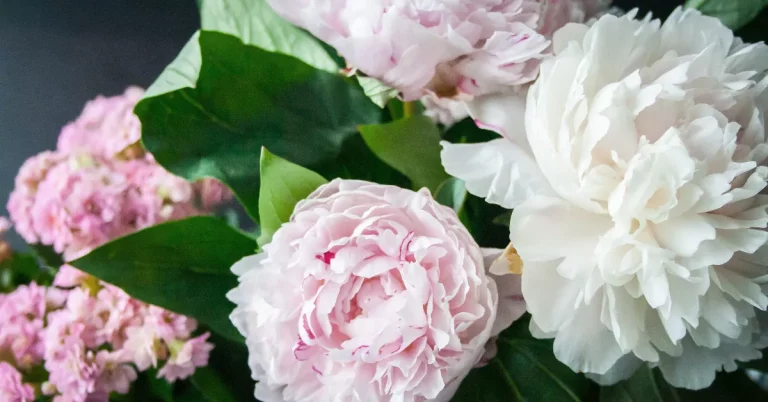
The flower adds a smooth floral body that can feel delicate even when the absolute itself is concentrated.
Natural osmanthus absolute can carry a warm, suede-like or gently animalic leather nuance.
Some materials reveal a dry, refined tea facet that keeps the fruitiness from feeling simply juicy.
Raisin, plum, and other dried-fruit impressions can deepen the apricot character.
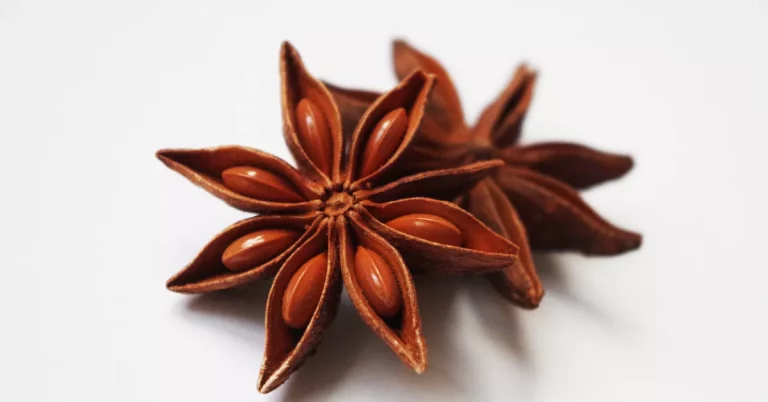
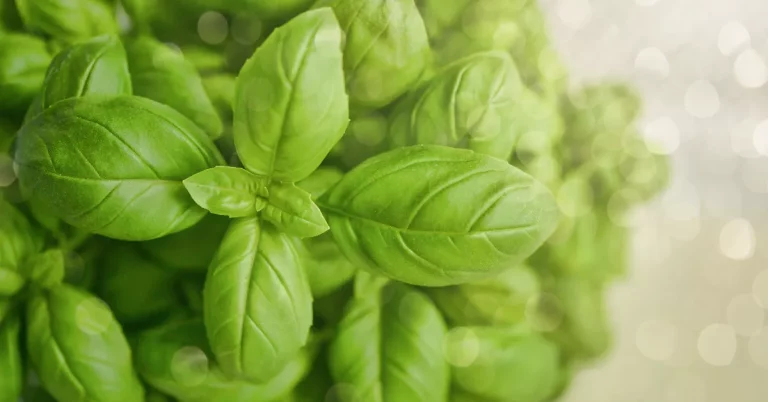
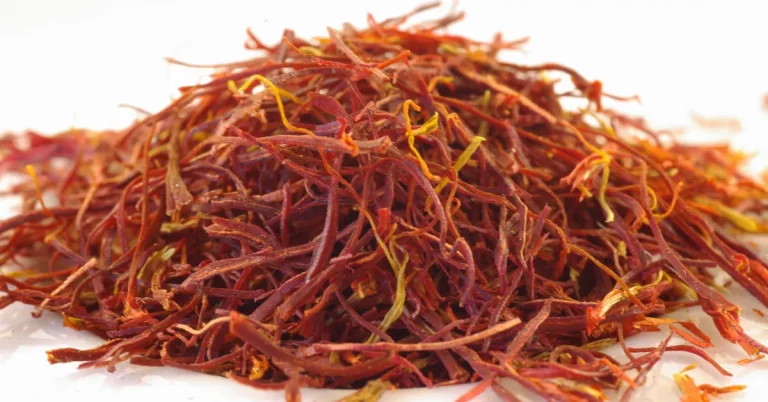
Subtle green, woody, or lightly spicy edges may appear beneath the sweeter floral-fruit profile.
Why osmanthus can smell so different
The living flower, a natural absolute, and an osmanthus accord are related but not identical scent experiences. Processing and formulation can emphasize very different sides of the note.
Natural absolute versus an osmanthus accord
Natural osmanthus absolute is a concentrated flower extract with fruity, floral, tea-like, and leathery dimensions. Producers may preserve freshly harvested flowers before extraction, and that handling can help develop the deeper leathery and animalic character associated with some absolutes.
A perfumer can also construct or reinforce an osmanthus impression with other materials. That makes it possible to highlight the apricot, floral, tea, suede, or smoky side without reproducing every facet of the natural absolute.
What changes the impression?
- The specific natural material or accord used in the formula.
- How strongly the composition emphasizes fruit versus leather or tea.
- Whether florals, woods, tobacco, spices, resins, or musks surround the note.
- Whether osmanthus is a central theme or a subtle bridge inside a larger accord.
How osmanthus works in a fragrance
Osmanthus is especially useful when a perfumer wants floral and fruity effects to overlap with something drier, darker, or more textured. Its apricot-like brightness can soften leather and tobacco, while its leathery and tea-like edges can keep fruit accords from becoming overly sweet.
What pairs well with osmanthus?
Osmanthus works beautifully with ingredients that either amplify its floral-fruity softness or draw out its darker tea, wood, amber, and leather-adjacent character.
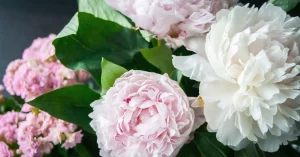
Perfumes that show different sides of osmanthus
These four fragrances place osmanthus in very different settings, from a layered classic floral to cherry, incense, tobacco, spice, vanilla, woods, and musk.

1000
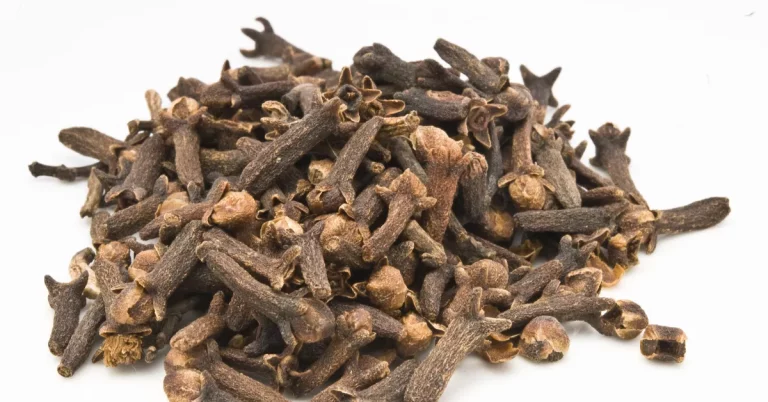
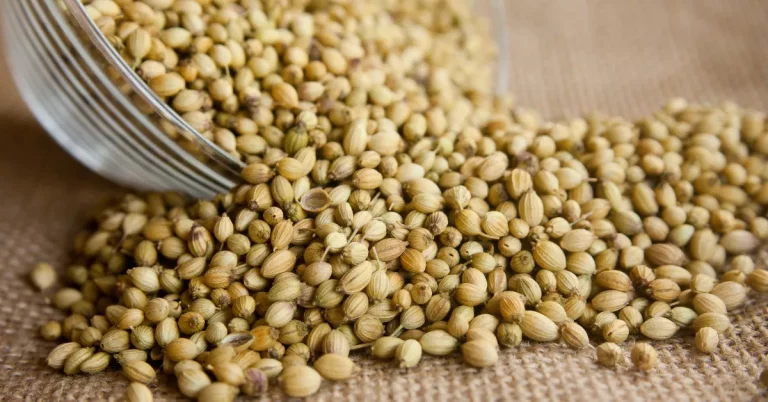
Osmanthus appears in an elaborate opening with Bulgarian rose, tarragon, green notes, coriander, bergamot, and angelica before the fragrance moves into a broad floral heart and a mossy, woody, musky base.
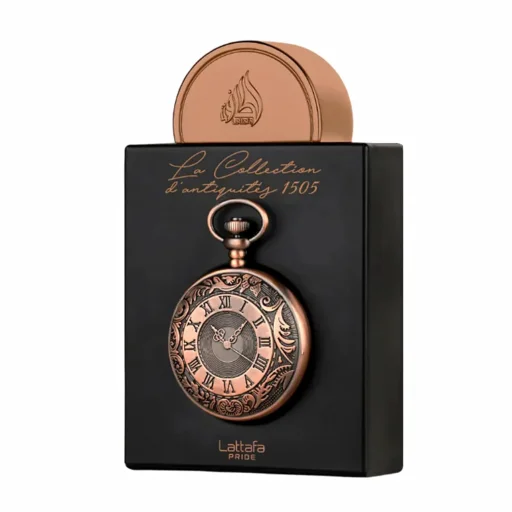
La Collection D’Antiquites 1505
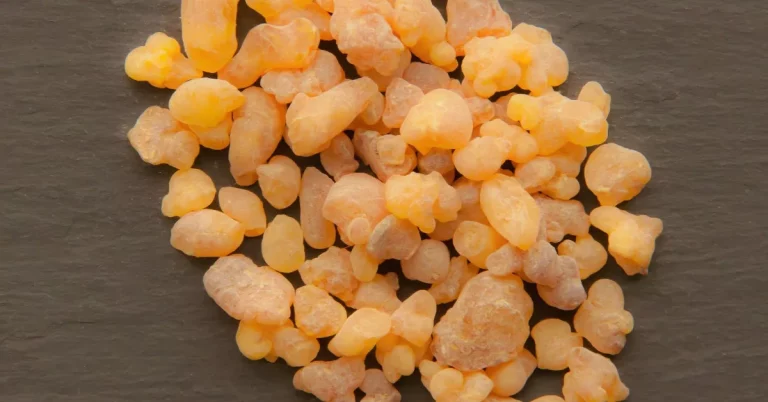
Black cherry and saffron lead into a heart of frankincense, osmanthus, and amyris, followed by balsamic notes and dark woods.
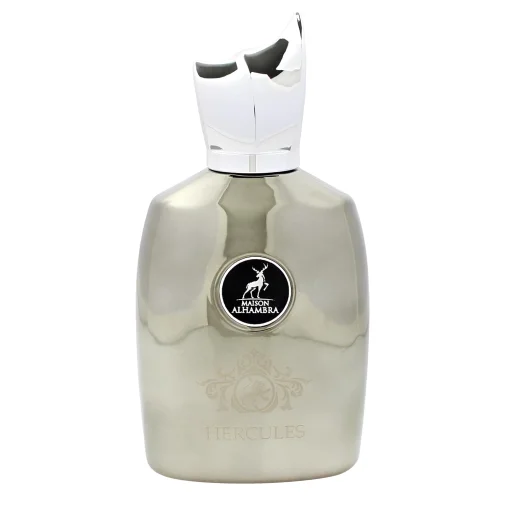
Hercules
Cinnamon and pepper open the fragrance before osmanthus joins tobacco leaf, labdanum, and incense in the heart over a vanilla, woody, musky base.
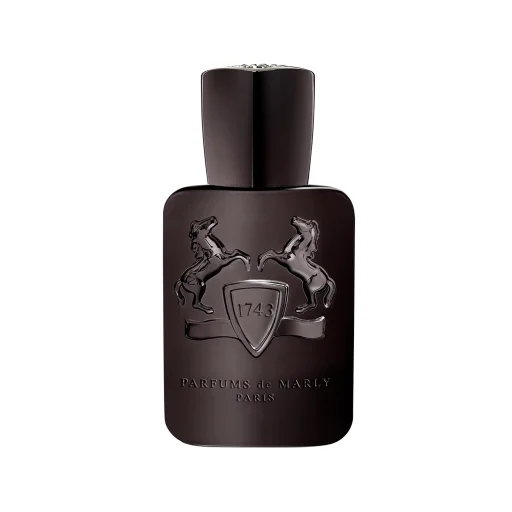
Herod
Osmanthus sits in the heart with tobacco leaf, incense, and labdanum beneath a cinnamon-and-pepperwood opening and above vanilla, cedar, musk, cypriol, and vetiver.
Four ways osmanthus changes character
Jean Patou 1000
- Osmanthus partners
- Rose, green notes, jasmine, oakmoss, civet, woods
- Surrounding character
- Layered floral, green, mossy, woody, softly animalic
- Choose this direction if…
- You want osmanthus woven into a complex classical floral structure with a darker mossy base.
La Collection D’Antiquites 1505
- Osmanthus partners
- Black cherry, saffron, frankincense, amyris, guaiac wood
- Surrounding character
- Dark fruity, smoky, resinous, woody
- Choose this direction if…
- You like the fruitier side of osmanthus pulled into cherry, incense, balsam, and woods.
Maison Alhambra Hercules
- Osmanthus partners
- Tobacco leaf, labdanum, incense, vanilla, cedar
- Surrounding character
- Warm spicy, tobacco, resinous, woody, sweet
- Choose this direction if…
- You want osmanthus in a warm tobacco-incense setting softened by vanilla and woods.
Parfums de Marly Herod
- Osmanthus partners
- Tobacco leaf, incense, labdanum, cinnamon, vanilla
- Surrounding character
- Spiced, smoky, tobacco-rich, woody, vanilla-warm
- Choose this direction if…
- You prefer osmanthus as a supporting floral-fruit texture inside a darker tobacco and vanilla composition.
Osmanthus perfume FAQ
What does osmanthus smell like in perfume?
Osmanthus commonly suggests apricot-like fruit, soft florals, tea, and a distinctive suede or leather nuance. Some interpretations are bright and fruity, while others are darker, smoky, woody, or softly animalic.
Is osmanthus a fruity note or a floral note?
It can read as both. Osmanthus is a flower, but its scent is famous for ripe and dried-fruit impressions, especially apricot-like facets, alongside its floral character.
Why can osmanthus smell leathery?
Natural osmanthus absolute can contain a pronounced leather-like or animalic facet. Commercial processing of preserved flowers can further develop the warm phenolic character associated with that impression.
Does an osmanthus note mean the perfume contains natural osmanthus absolute?
No. A perfume note describes an intended scent impression, not necessarily a literal ingredient declaration. The effect may use natural osmanthus, a reconstructed accord, supporting aroma materials, or a combination of approaches.
Where does osmanthus usually sit in a fragrance?
Osmanthus is often treated as a heart note or a heart-to-base material because its floral-fruit character can connect the brighter opening with woods, leather, tobacco, amber, musk, or resins below.
What makes osmanthus smell lighter or darker?
Citrus and transparent florals can make it feel brighter and fresher. Tobacco, incense, labdanum, woods, amber, spice, and musk can emphasize its dried-fruit, suede, smoky, or animalic side.
A flower with a hidden leather edge
Osmanthus stands out because it refuses to behave like a simple floral. Its apricot-like sweetness can feel delicate and luminous, yet tea, dried fruit, suede, smoke, and animalic warmth may sit just beneath the surface. That tension gives perfumers an unusually flexible bridge between blossoms, fruit, tobacco, woods, amber, and leather-like accords.