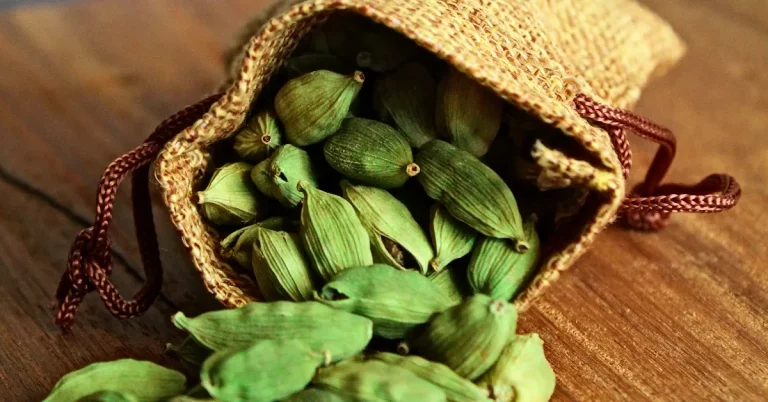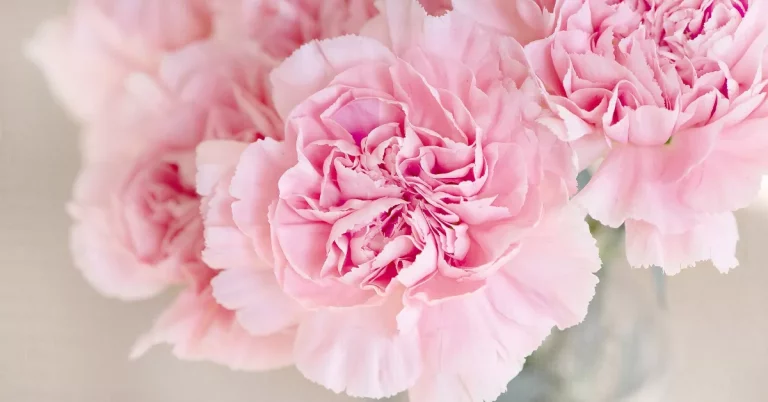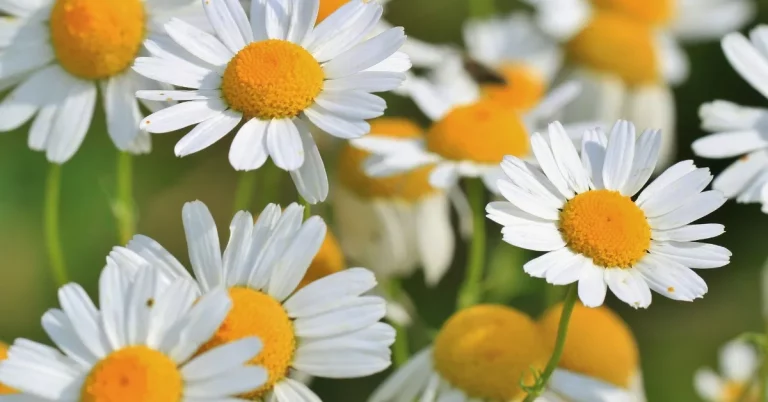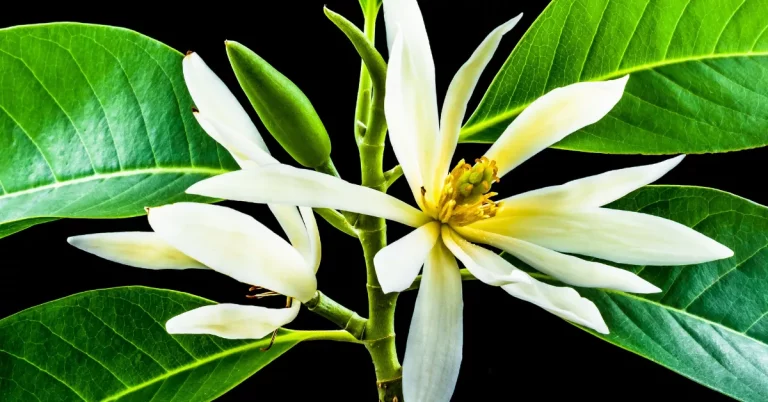
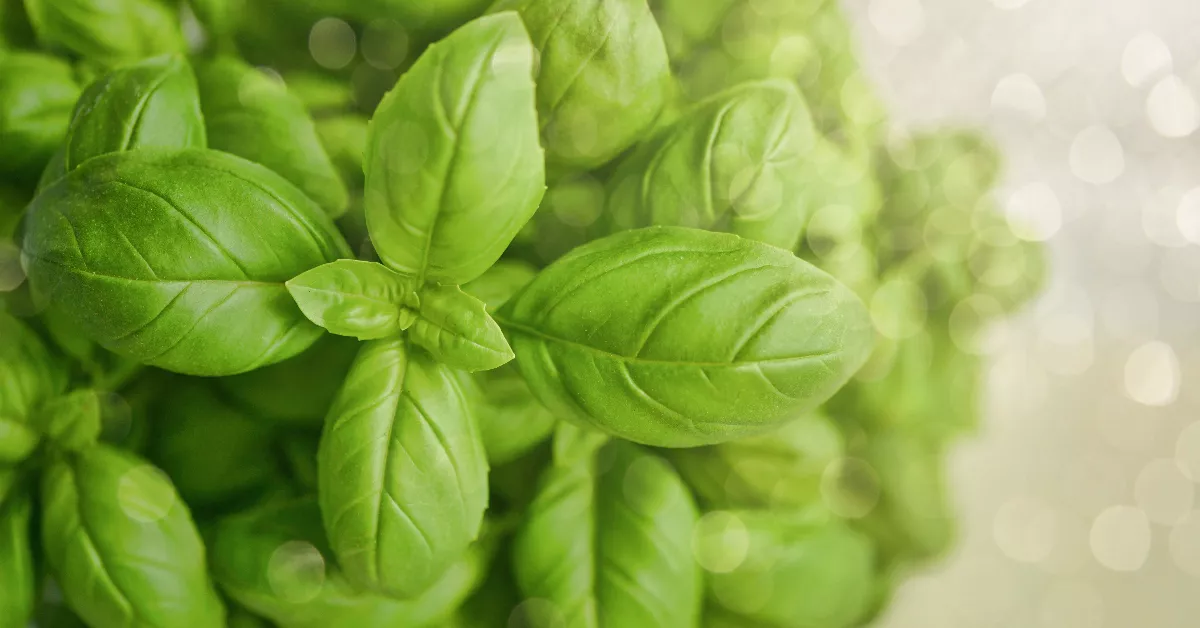
Basil brings the unmistakable freshness of crushed green leaves into perfume: aromatic, herbaceous, lightly spicy, and sometimes almost citrus-bright. In fragrance formulas, the basil note can sharpen citrus, enliven florals, or add a cool green edge to woods and spices.
What is basil?
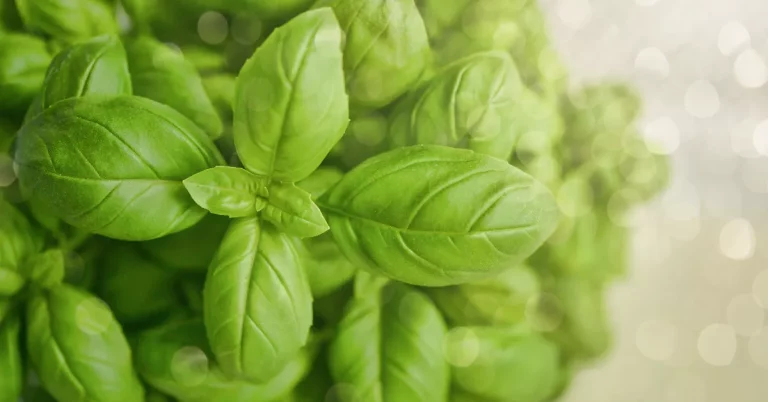
Basil is an aromatic herb in the mint family, best known in cooking but also valued for its vivid leafy scent. Perfumery may use basil-derived aromatic material or recreate the impression of basil as part of a composed note or accord.
A familiar herb with a very different perfume role
Fresh basil leaves release a strong aroma when crushed, combining green foliage with spicy, sweet, and sometimes citrus-like nuances. That distinctive profile makes basil useful when a fragrance needs freshness without relying only on citrus.
In perfume, “basil” should be read as a scent impression unless a formula is specifically documented as containing a natural basil material. A listed note does not by itself prove that literal basil extract is present.
What does basil smell like?
Basil usually smells greener and more aromatic in perfume than it does as a background kitchen herb. Its scent can feel crisp, leafy, peppery, slightly sweet, and bright enough to bridge herbs with citrus.
The immediate impression is often freshly torn leaves and stems.
A distinctly botanical, garden-like aroma keeps compositions feeling natural and lively.
Basil can have a peppery or clove-like bite rather than smelling soft or grassy.
Some basil impressions lean lemony or sparkling, which makes them easy partners for bergamot and lemon.
Behind the greenness there can be a subtle sweet warmth, especially in fuller aromatic accords.
Used lightly, basil adds lift and a clean, almost tonic-like freshness.
Why basil can smell different
The word “basil” covers multiple cultivated types and aromatic styles. The plant material, variety, growing conditions, and the way a perfumer represents basil can all change the final impression.
Natural material versus perfume note
A natural basil aromatic material captures only one version of the plant’s scent and may emphasize particular green, spicy, sweet, or citrus-like facets. The result can differ from the smell of a fresh leaf in your hand.
A perfumer can also build a basil effect from other materials, exaggerating whichever facet suits the composition. That is why two fragrances listing basil can smell very different from each other.
What changes the impression?
- The basil variety and aromatic profile being referenced.
- Whether the effect is natural, reconstructed, or blended from several materials.
- The surrounding notes, especially citrus, lavender, florals, spices, woods, and resins.
- The amount used: a trace can feel sparkling, while a stronger dose can read distinctly herbal.
How basil works in a fragrance
Basil is often used as a connecting note. It can sit between citrus and herbs, add leafy contrast to flowers, or bring aromatic freshness into warmer woody and spicy structures.
What pairs well with basil?
Basil is especially effective when a perfumer wants to connect bright top notes with aromatic, floral, spicy, or woody elements deeper in the fragrance.
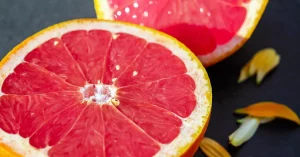
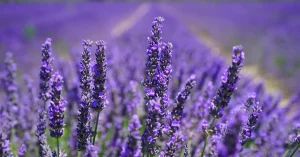
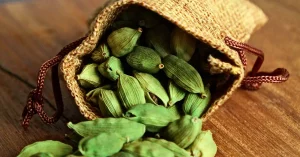
Perfumes that show different sides of basil
These fragrances place basil in very different settings, from bright citrus and florals to leather, warm spice, woods, and amber.
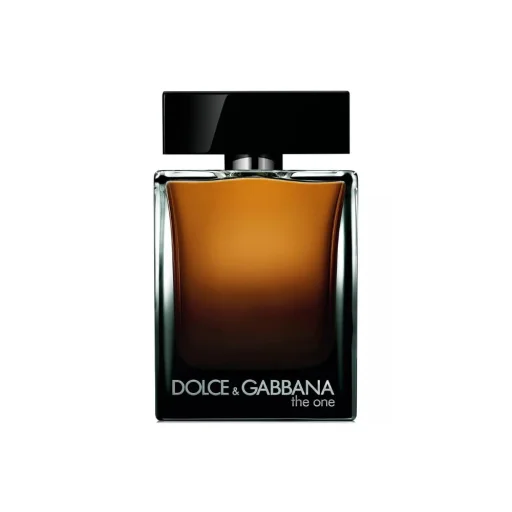
The One for Men Eau de Parfum
Basil appears in a citrus-and-spice opening before the fragrance moves into warmer cardamom, ginger, amber, tobacco, and cedar. The herb keeps the bright opening aromatic rather than purely fruity.
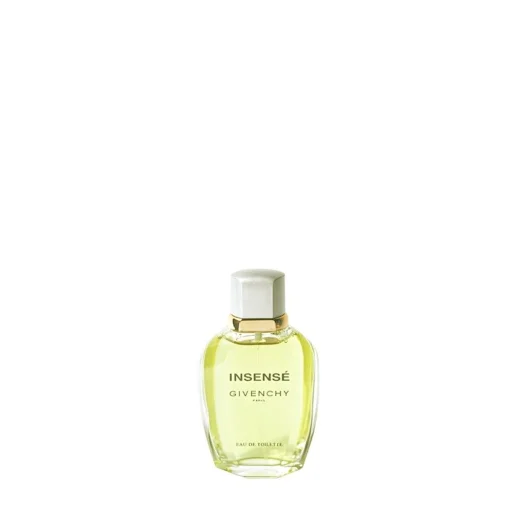
Insensé
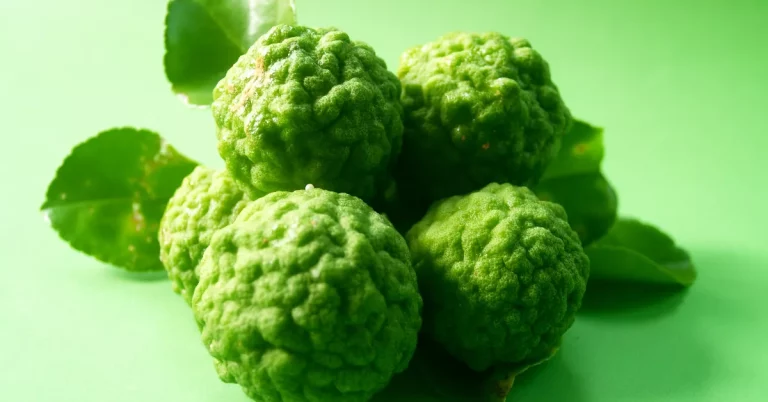
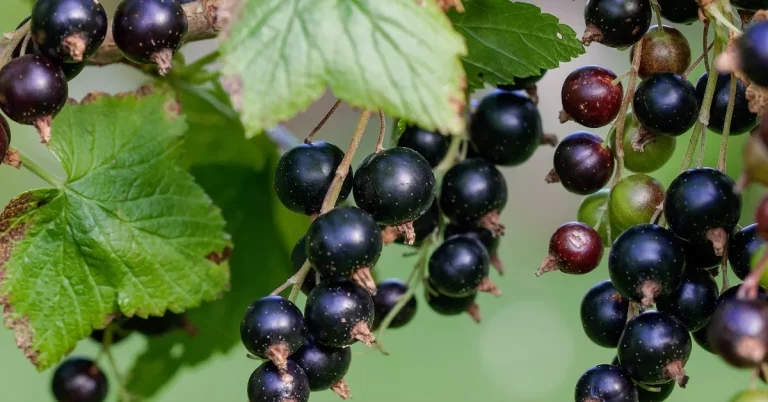
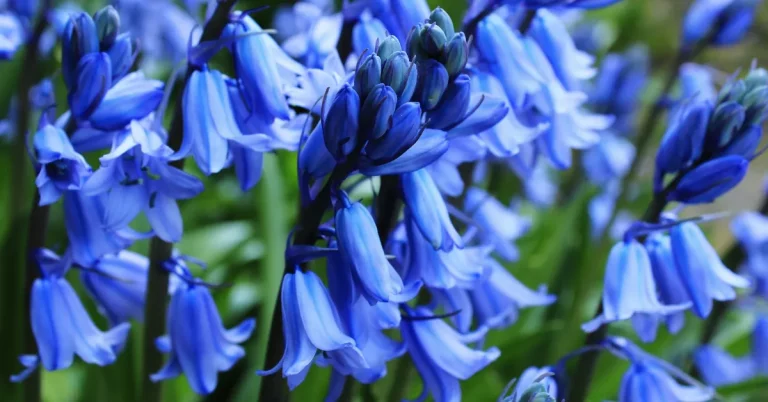
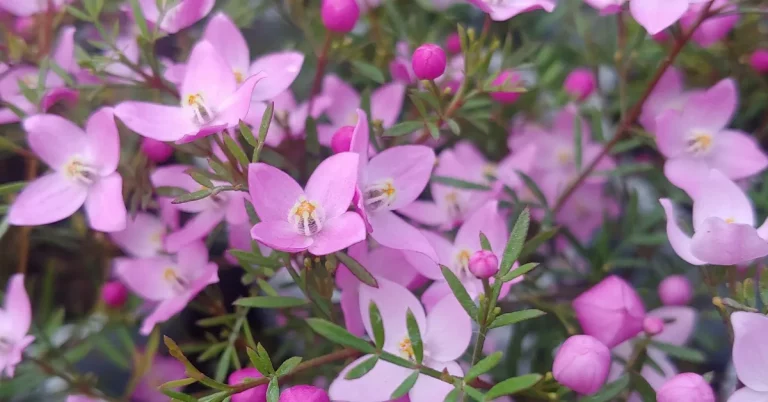
Here basil sits inside a broad fresh opening of aldehydes, black currant, lavender, bergamot, mandarin, and lemon. A floral heart and fir base make the green aromatic note feel airy and garden-like rather than heavy.

Legend for Men
Basil appears in a dense aromatic-spicy heart alongside nutmeg, cinnamon, geranium, pepper, iris, sage, and jasmine. It acts less like a lone green note and more like part of a layered herbal-spice accord.
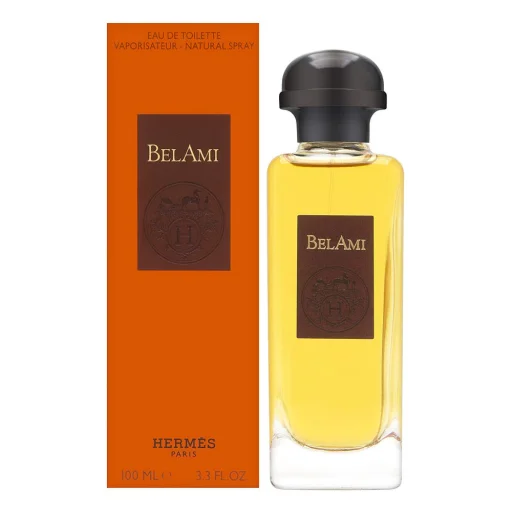
Bel Ami
Bel Ami places basil in the heart with carnation, patchouli, cedar, orris root, and jasmine, following a citrus-and-spice opening. The surrounding leather, oakmoss, vetiver, amber, and woods make basil feel darker and more structured.
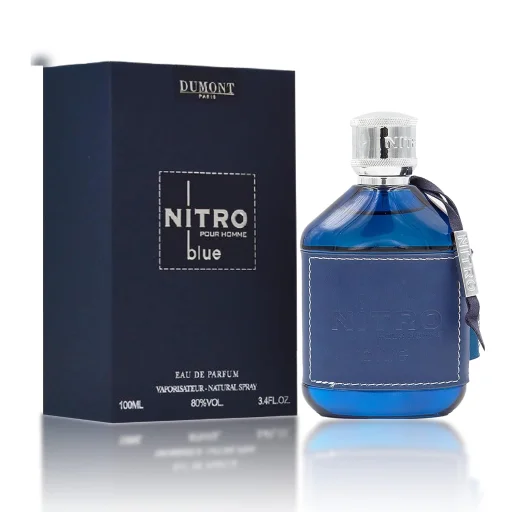
Nitro Blue
Basil is part of a bright, spicy opening with sage, lemon, cinnamon, and orange blossom. It leads into a much sweeter and warmer heart and base built around balsam, cardamom, praline, amber, patchouli, and woods.
Five ways basil can change direction
The One for Men Eau de Parfum
- Basil partners
- Grapefruit, coriander, cardamom, ginger
- Surrounding character
- Citrus-bright, warm spicy, ambered, tobacco-woody
- Choose this direction if…
- You like basil as a crisp accent against richer warm notes.
Insensé
- Basil partners
- Lavender, bergamot, lemon, mandarin, florals
- Surrounding character
- Fresh, aromatic, floral, airy green
- Choose this direction if…
- You want basil surrounded by citrus, lavender, and cool florals.
Legend for Men
- Basil partners
- Sage, pepper, nutmeg, cinnamon, geranium
- Surrounding character
- Spicy, aromatic, floral, woody, musky
- Choose this direction if…
- You enjoy basil woven into a complex herbal-spice heart.
Bel Ami
- Basil partners
- Sage, cardamom, cedar, patchouli, carnation
- Surrounding character
- Woody, leathered, earthy, aromatic
- Choose this direction if…
- You prefer basil with dry woods, moss, leather, and classic aromatics.
Nitro Blue
- Basil partners
- Sage, lemon, cinnamon, orange blossom
- Surrounding character
- Bright at first, then sweet, balsamic, and warm spicy
- Choose this direction if…
- You like a fresh herbal opening that quickly moves into sweeter ambered warmth.
Basil perfume FAQ
Does basil in perfume smell like cooking basil?
Sometimes, but usually only in part. A basil note may emphasize the plant’s green, spicy, citrus-like, or aromatic side without recreating the full smell of fresh culinary basil.
Is basil a top note or a heart note?
It can function in either area. Its freshness makes it natural in openings, while its herbal and spicy character can also bridge into an aromatic or floral heart.
Is basil a masculine perfume note?
No. Basil is historically common in many men’s aromatic fragrances, but the material itself is not gendered and can work equally well in citrus, green, floral, botanical, or modern unisex compositions.
Why does basil sometimes smell citrusy?
Some basil varieties naturally have a brighter lemon-like aromatic character, and perfumers can also reinforce that facet by pairing basil with lemon, bergamot, grapefruit, or other citrus notes.
Does a basil note mean the perfume contains basil extract?
No. Note lists describe the intended scent impression and structure of a fragrance; they do not automatically identify the literal raw materials in the formula.
What does basil add to a perfume?
It adds freshness, leafy greenness, aromatic lift, and a subtle spicy edge. It is especially useful for connecting citrus top notes with herbs, florals, woods, spices, or ambered bases.
Basil makes freshness feel alive
Basil is one of those perfume notes that can be easy to overlook but highly effective in context. A small green-herbal accent can make citrus feel sharper, florals more botanical, spices more aromatic, and woods more vivid—giving a fragrance the sensation of crushed leaves rather than simple sweetness.