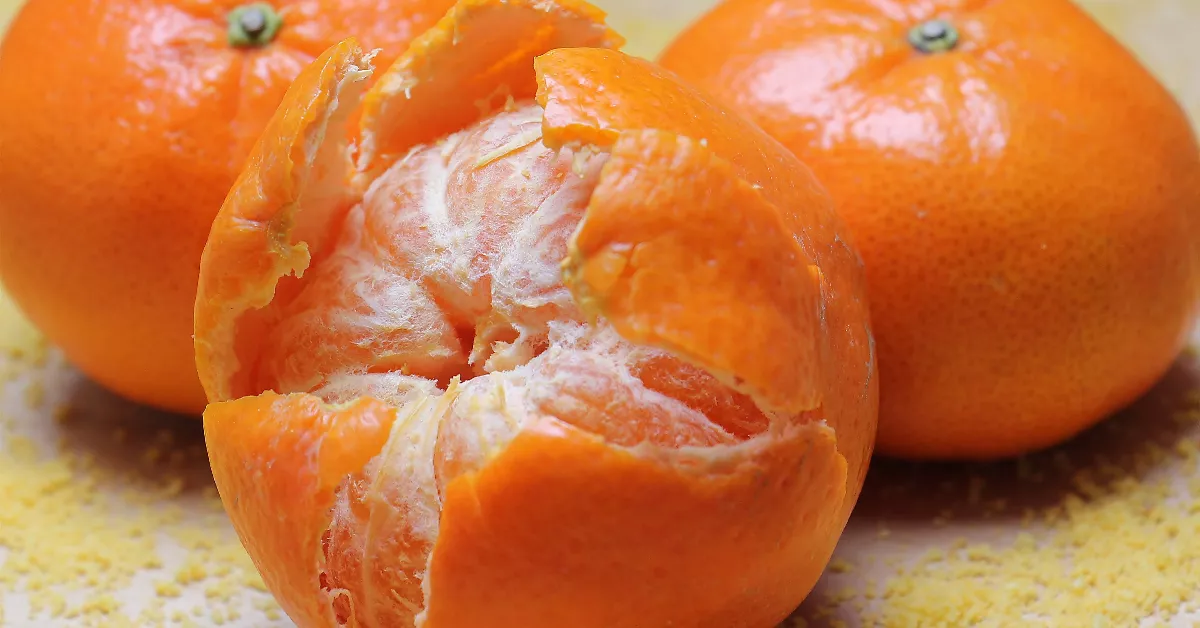
Mandarin orange brings a bright, juicy citrus impression to perfume, often softer and sweeter than sharper citrus notes such as lemon or grapefruit. In fragrance, it can feel sparkling, peel-like, green, fruity, or gently floral depending on the material and the notes around it. A listed mandarin orange note may represent natural citrus material, a constructed accord, or a combination of both.
What is mandarin orange?
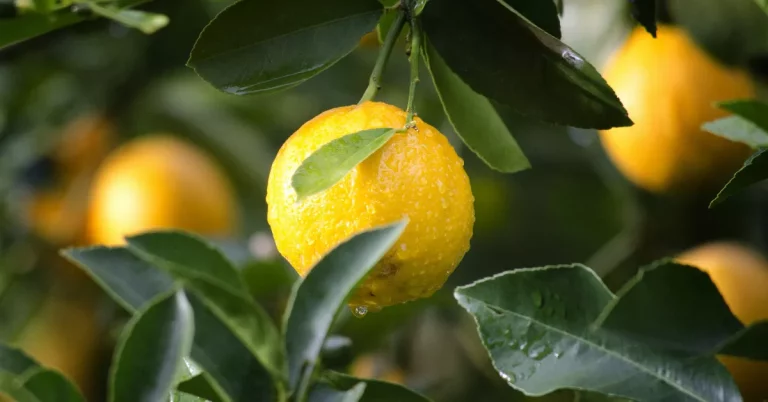
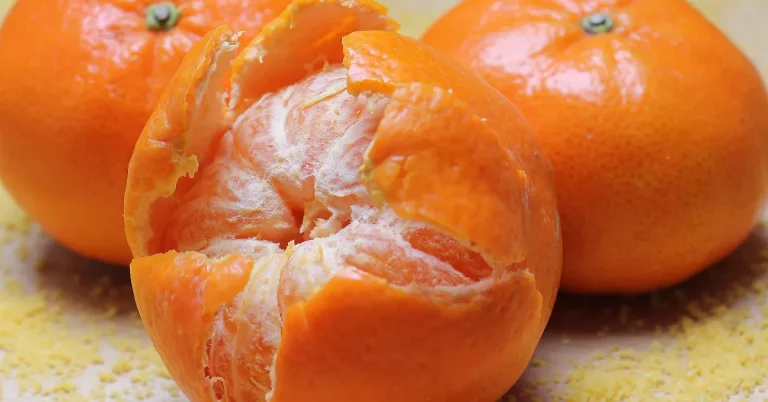
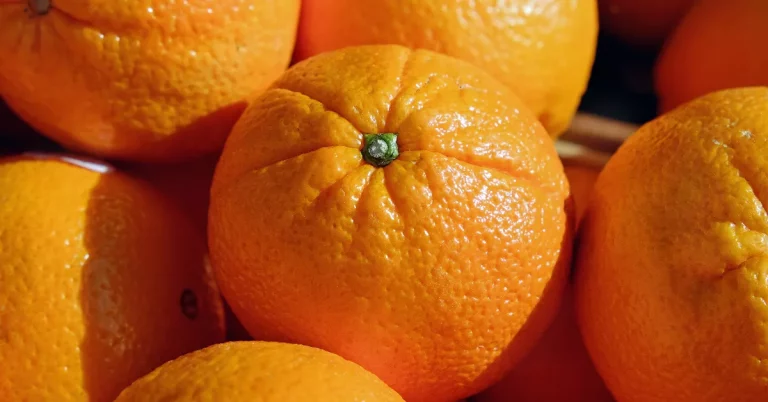
Mandarin oranges are citrus fruits associated botanically with Citrus reticulata and related cultivated forms. Their aromatic peel is especially important to fragrance because it contains the volatile oil that gives freshly peeled mandarins their recognizable burst of citrus scent.
Fruit, aromatic material, and perfume note
In natural perfumery materials, mandarin peel oil is commonly obtained by mechanical expression of the outer peel. The resulting scent can combine juicy sweetness with fresh zest, rind-like bitterness, and softer green or floral nuances.
On a perfume note list, however, “mandarin orange” describes the scent impression being presented. It does not by itself prove that a finished fragrance contains a particular natural mandarin oil.
What does mandarin orange smell like?
Mandarin orange usually smells bright and unmistakably citrusy, but it often has a rounder, sweeter character than more sharply tart citrus notes. Its effect can range from freshly peeled fruit to green zest, soft floral citrus, or warm juicy sweetness.
Can suggest fresh fruit and succulent citrus flesh rather than only dry peel.
Often feels naturally rounded and softly sugary without necessarily becoming gourmand.
A lively rind-like sparkle gives the note energy and helps it brighten an opening.
Some mandarin effects lean fresher, tarter, and more leafy or underripe in character.
Soft floral nuances can make mandarin blend especially smoothly into jasmine, rose, violet, and other flowers.
A faintly bitter or aromatic rind impression can keep the fruitiness crisp rather than syrupy.
Why mandarin orange can smell different from perfume to perfume
Natural citrus materials vary, and a perfume note can also be deliberately reconstructed or stylized. That makes “mandarin orange” a flexible label rather than a promise of one identical aroma in every fragrance.
Natural peel oil versus a mandarin accord
Natural mandarin peel oil can vary with the fruit, maturity, growing conditions, origin, harvest, and processing. These differences can shift the balance between sweet fruitiness, green freshness, rind-like bitterness, and softer aromatic facets.
Perfumers can also build or reinforce a mandarin impression with other fragrance materials. In a finished composition, the note may therefore smell cleaner, greener, sweeter, more sparkling, or more abstract than freshly peeled fruit.
What changes the effect?
- Bergamot and other citrus notes can sharpen mandarin’s sparkle and make the opening feel more vivid.
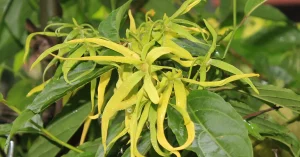
- Jasmine, rose, violet, and ylang-ylang can draw mandarin smoothly into a floral heart.
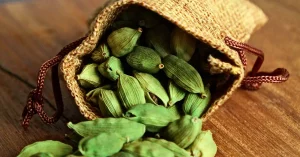
- Cardamom, pepper, cinnamon, and aromatic herbs can emphasize a brighter spicy-citrus direction.
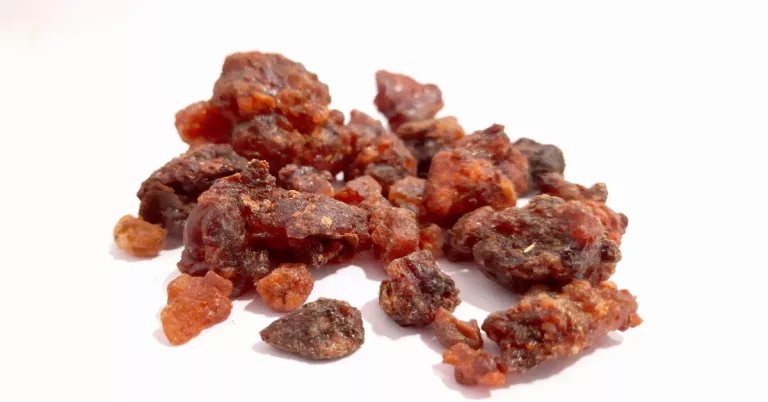
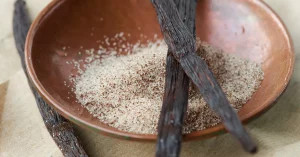
- Vanilla, amber, sandalwood, musk, and patchouli can turn the initial citrus brightness toward a warmer drydown.
How mandarin orange works in a fragrance
Mandarin orange is especially useful near the opening of a perfume, where its volatility and recognizable citrus character can create immediate brightness. It can also act as a bridge, making transitions from fruit and citrus into flowers, aromatics, spices, woods, amber, or vanilla feel more fluid.
What pairs well with mandarin orange?
Mandarin orange is easy to steer because it combines citrus brightness with soft fruitiness. Other citrus notes make it more sparkling, florals smooth it into the heart, spices add contrast, and warmer base notes turn the opening toward a richer finish.

Five perfumes that show different sides of mandarin orange
These five supplied fragrances place mandarin orange beside aromatics, flowers, fruit, spice, woods, amber, vanilla, leather, and aquatic notes. Together they show how quickly a bright citrus opening can change direction once the rest of the composition takes over.
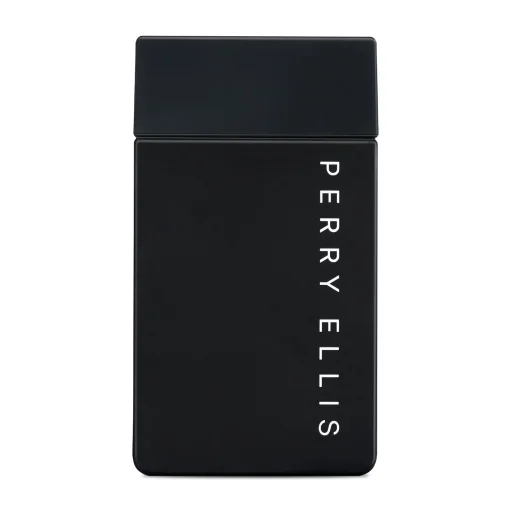
Midnight
Midnight places mandarin orange directly in a warm, spicy opening with amber and cinnamon. Orange blossom, rosemary, and geranium continue the aromatic-citrus connection before vanilla, tonka bean, and amber make the later stages smoother and sweeter.
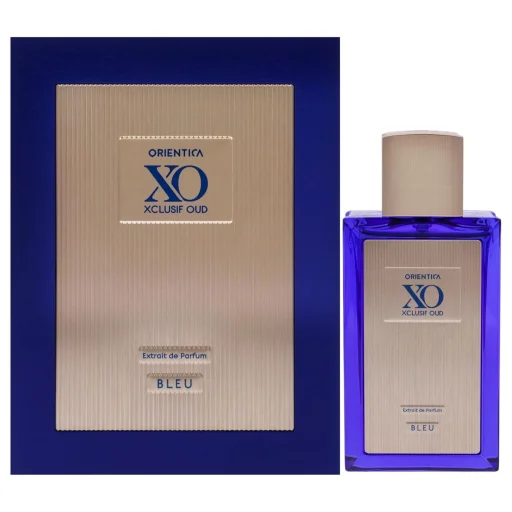
Xclusif Oud Bleu
Xclusif Oud Bleu puts mandarin orange into a busy aromatic-fruity opening with green apple, pepper, lavender, and bergamot. A floral-spicy heart leads into vanilla, sandalwood, musk, guaiac wood, and patchouli, moving the citrus quickly toward a warmer woody style.
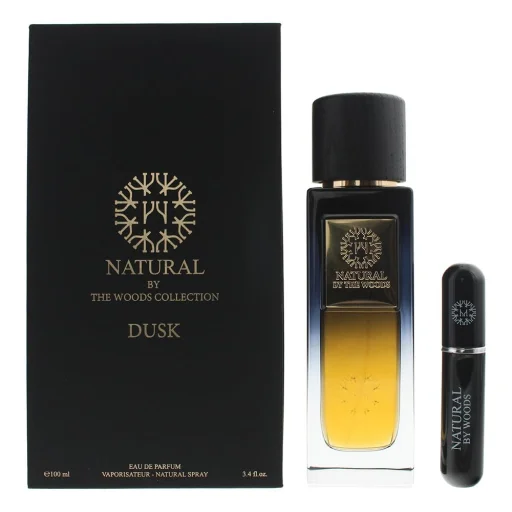
Dusk
Dusk opens mandarin orange beside crisp apple and aromatic lavender. Violet, geranium, and jasmine soften the transition into the heart, while vanilla, cardamom, pepper, woods, sandalwood, and patchouli make the drydown markedly warmer and spicier.
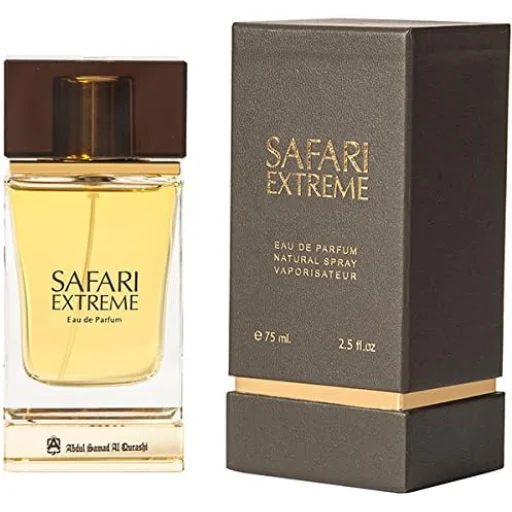
Safari Extreme
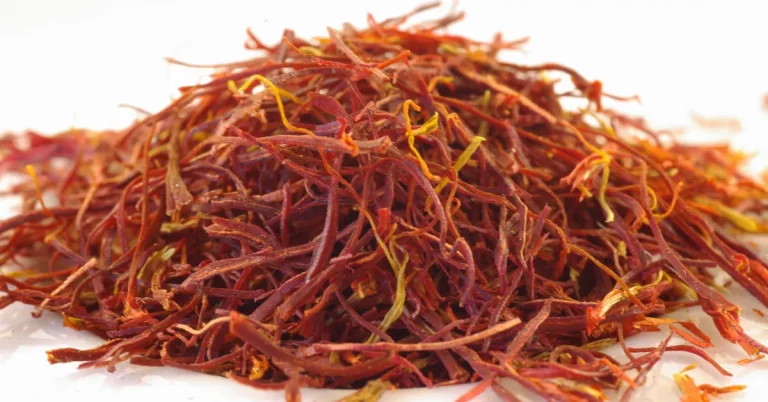
Safari Extreme places mandarin orange inside a very large opening of citrus, fruit, flowers, herbs, and saffron. The composition then moves through a dense floral-spicy heart before settling into vanilla, sandalwood, leather, musk, iris, amber, suede, clove, and other woods.
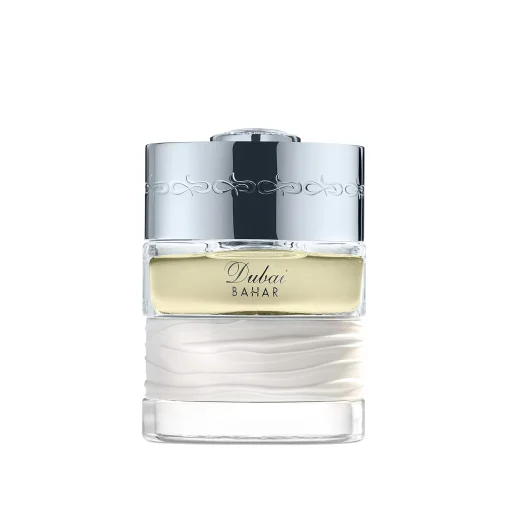
Bahar
Bahar uses mandarin orange as one part of an expansive aquatic-citrus-fruit opening filled with sea, ozone, green, spice, citrus, and multiple fruit notes. Its floral, woody, and spicy heart sits over a sandalwood, vetiver, amber, vanilla, musk, oud, and patchouli base.
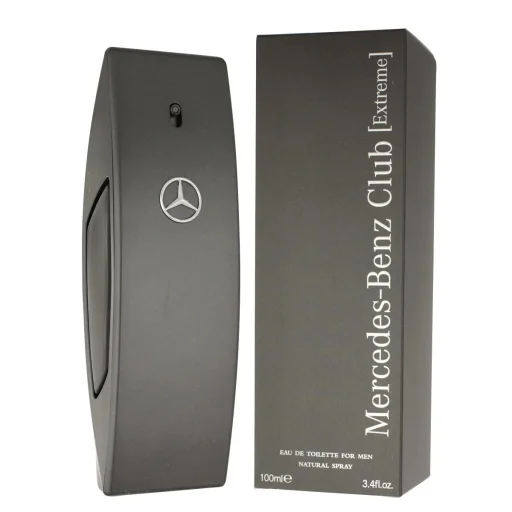
Club Extreme
Club Extreme gives mandarin orange a compact fresh opening beside lotus and bergamot. Amber, leather, and sandalwood quickly deepen the structure before patchouli, woody notes, and musk form the base.
Five ways mandarin orange changes character
Perry Ellis Midnight
- Mandarin orange partners
- Cinnamon, amber, orange blossom, rosemary, vanilla, tonka bean
- Surrounding character
- Citrusy, aromatic, warm spicy, sweet
- Choose this direction if…
- You want mandarin warmed immediately by cinnamon and amber before a sweet vanilla-tonka drydown.
Xclusif Oud Bleu
- Mandarin orange partners
- Bergamot, green apple, lavender, pepper, cardamom, vanilla, sandalwood, patchouli
- Surrounding character
- Fresh, aromatic, spicy, woody, vanilla-softened
- Choose this direction if…
- You like mandarin woven into a crisp aromatic opening that develops into spicy florals and warm woods.
Dusk
- Mandarin orange partners
- Apple, lavender, violet, jasmine, cardamom, pepper, vanilla, sandalwood
- Surrounding character
- Fruity, aromatic, floral, warm spicy, woody
- Choose this direction if…
- You want the citrus brightened by apple and lavender before it settles into florals, spice, vanilla, and woods.
Safari Extreme
- Mandarin orange partners
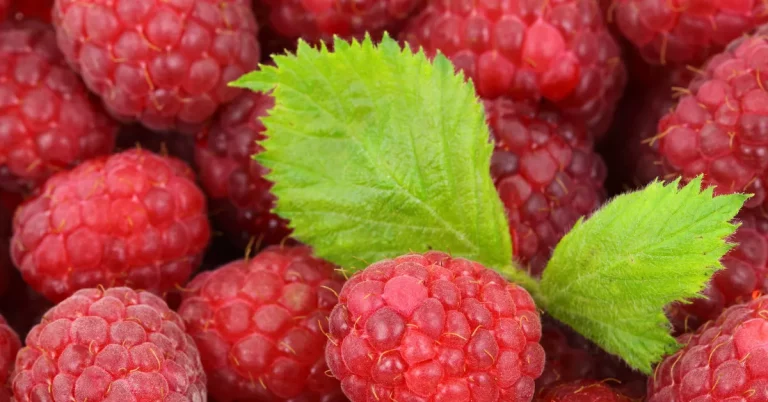
- Raspberry, bergamot, saffron, magnolia, jasmine, rose, vanilla, leather, sandalwood
- Surrounding character
- Fruity, floral, spicy, woody, leathery
- Choose this direction if…
- You prefer mandarin as one bright thread inside a dense, highly layered fruity-floral and woody composition.
Mercedes-Benz Club Extreme
- Mandarin orange partners
- Lotus, bergamot, amber, leather, sandalwood, patchouli, musk
- Surrounding character
- Fresh, watery-floral, ambered, leathery, woody
- Choose this direction if…
- You want a concise mandarin-and-bergamot opening that quickly turns darker through leather, amber, sandalwood, and patchouli.
Mandarin orange perfume FAQ
Does a mandarin orange note mean the perfume contains natural mandarin oil?
No. A note list describes the scent impression or structure presented by the fragrance. Mandarin orange can be represented with natural citrus material, a constructed accord, other fragrance materials, or a combination of approaches.
Is mandarin orange sweeter than other citrus notes?
It often reads as rounder, juicier, and sweeter than very sharp citrus effects such as lemon or grapefruit, but the final impression depends on the material and the surrounding notes.
Is mandarin orange usually a top note?
Yes, mandarin is commonly used near the opening because its bright citrus character is highly noticeable early in a fragrance. It can also help connect the opening to floral, aromatic, spicy, or woody layers beneath it.
Why can one mandarin perfume smell green while another smells sweet?
Natural mandarin materials can vary with the fruit and processing, and perfumers can also shape a mandarin accord in different directions. Green citrus, herbs, and pepper can sharpen it, while vanilla, amber, ripe fruit, and soft florals can make it feel rounder and sweeter.
What floral notes pair especially well with mandarin orange?
Jasmine, rose, violet, geranium, orange blossom, and ylang-ylang can all work well because mandarin’s bright fruitiness helps open a floral bouquet without overwhelming it.
What should I look for if I want a warmer mandarin fragrance?
Look for mandarin paired with vanilla, amber, tonka bean, sandalwood, patchouli, leather, cardamom, cinnamon, or other warm spices and woods. These notes can turn a fresh citrus opening toward a richer drydown.
Mandarin orange brings sunshine to almost any fragrance direction
Mandarin’s charm comes from the balance between sparkle and softness. Follow it toward bergamot and lavender for a brighter aromatic effect, into jasmine and rose for a floral transition, through cardamom and pepper for spice, or down into vanilla, amber, sandalwood, leather, and patchouli for a warmer finish.