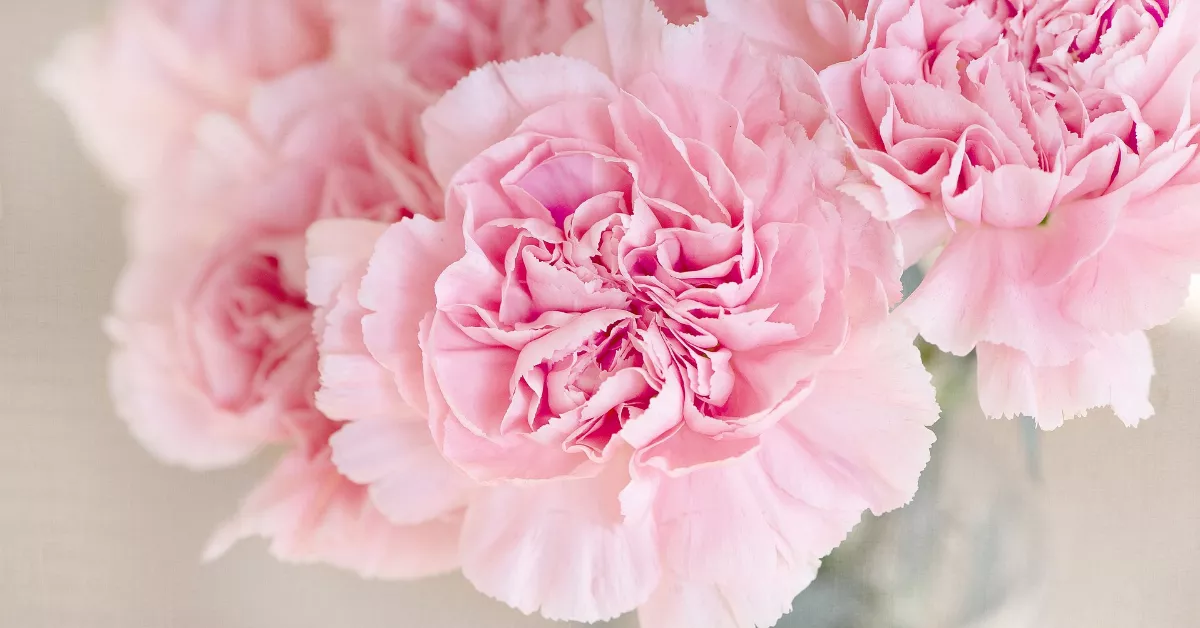
Carnation brings an unusual kind of floral character to perfume: petaled and bright, but edged with a warm, clove-like spice. In fragrance compositions, the carnation note can make a bouquet feel more vivid, peppery, powdery, or classically floral depending on what surrounds it.
What is carnation?
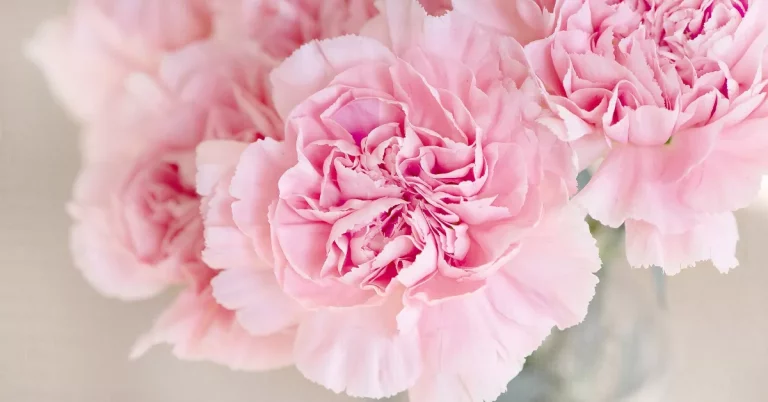
Carnation commonly refers to Dianthus caryophyllus, a flowering plant in the Caryophyllaceae family. The living flowers are known for a floral scent with a distinctive spicy edge that is often compared with clove, cinnamon, or nutmeg.
A flower with a naturally spicy personality
Unlike florals that read mainly as creamy, dewy, or honeyed, carnation can smell noticeably seasoned. Its floral body is often paired with a dry, peppery warmth that gives the bloom a recognizable character.
In perfumery, “carnation” can describe the impression of the flower rather than a declaration that a literal carnation extract is present. Perfumers can construct the effect as an accord, shaping how floral, spicy, green, or powdery it feels.
What does carnation smell like?
The classic carnation impression sits between flower and spice. It can feel bright and freshly petaled at first, then reveal a warmer, drier character that recalls clove and pepper.
The defining balance: recognizable flower petals with a warm, seasoned edge rather than simple sweetness.
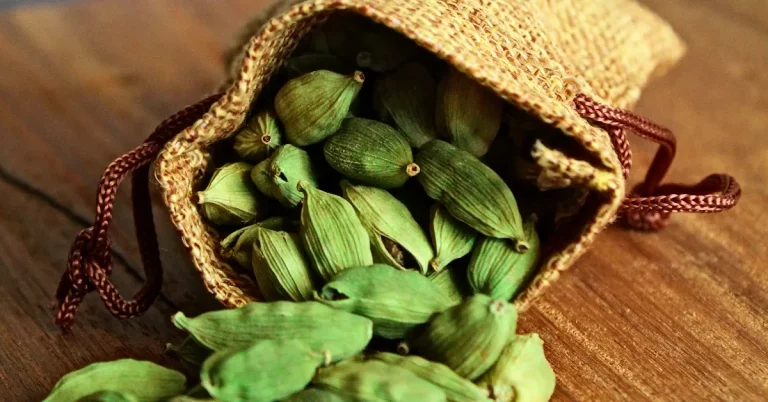
A familiar carnation effect is a dry, aromatic spice reminiscent of clove without turning the note into a culinary spice accord.
Some interpretations emphasize a brisk, tingling quality that makes a floral bouquet feel sharper and more animated.
Leafy or stem-like nuances can make carnation feel freshly cut and less plush, especially beside herbs or other green notes.
With violet, iris, musk, or soft woods, carnation can take on a smoother, cosmetic-style floral softness.
Amber, woods, resins, and deeper spices can pull carnation toward a richer and more enveloping floral profile.
Why can carnation smell different from perfume to perfume?
The scent of the living flower is only one reference point. A perfumer can emphasize different parts of the carnation idea, and surrounding notes can dramatically change how the accord is perceived.
The flower and the perfume note are not identical
Natural carnation materials have been produced for fragrance work, but a perfume that lists carnation does not necessarily contain such a material. The note may instead be recreated or reinforced with other aromatic materials to suggest the flower.
That freedom lets the perfumer move carnation from a fresh bouquet effect toward something more peppery, clove-like, powdery, woody, or resinous without changing the name of the note.
What changes the impression?
- Rose and jasmine make carnation read as part of a fuller floral bouquet.
- Clove, nutmeg, pepper, and saffron emphasize its spicy side.
- Violet, iris, and musk can make the note feel softer and more powdery.
- Woods, amber, leather, and resins give carnation a darker, warmer frame.
How carnation works in a fragrance
Carnation is especially useful when a perfumer wants a floral note with more structure and spice than a soft petal accord alone. It can bridge flowers to spices, or add contrast inside woody, ambered, aromatic, and powdery compositions.
What pairs well with carnation?
Carnation is easy to steer because its floral and spicy sides can be developed separately. Flowers broaden its bouquet, citrus brightens it, while spices, woods, and amber deepen its warmer character.
Two fragrances that place carnation in very different settings
These two compositions show how carnation can shift depending on its neighbors: one surrounds it with an expansive floral-spice heart, while the other places it inside a dry, aromatic, woody structure.
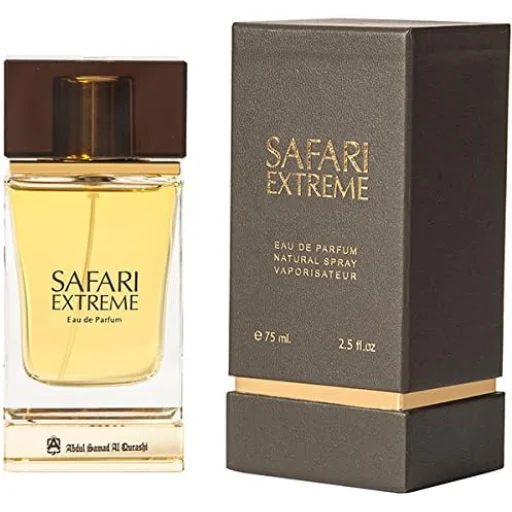
Safari Extreme
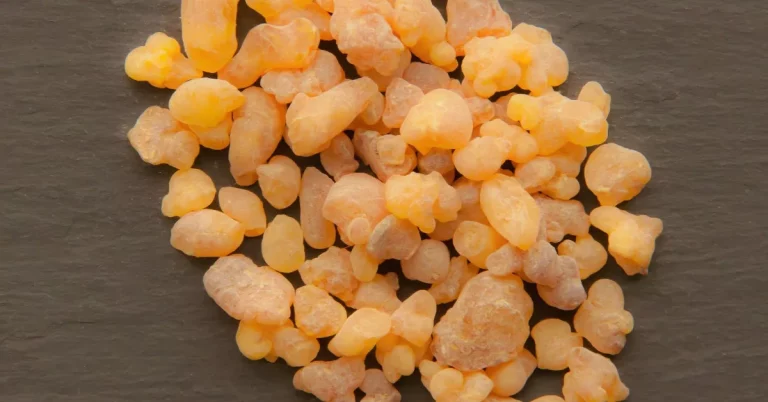
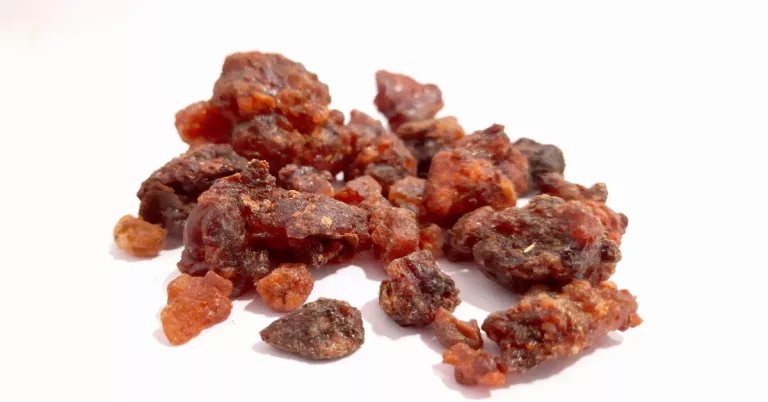
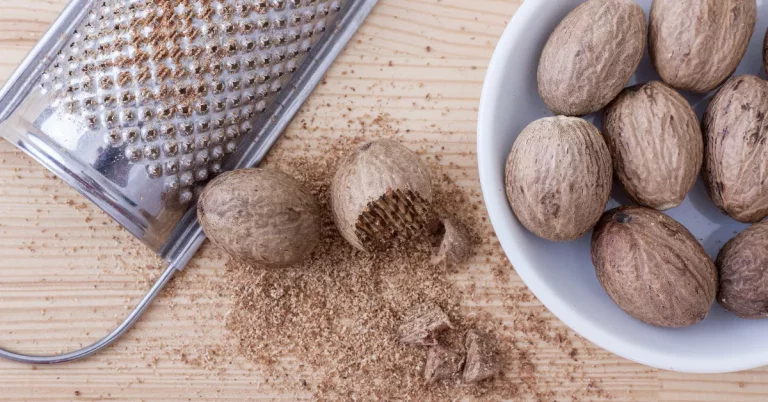
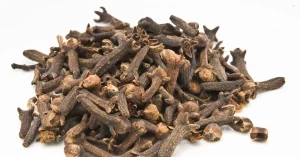
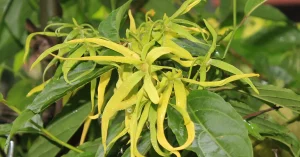
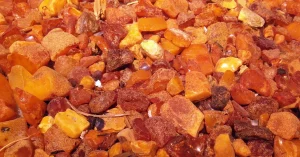
Safari Extreme places carnation in a densely layered floral and spicy heart. Rose, jasmine, tuberose, violet, ylang-ylang, peach, nutmeg, and olibanum surround it, while the base adds woods, leather, musk, amber, vanilla, suede, iris, and clove.
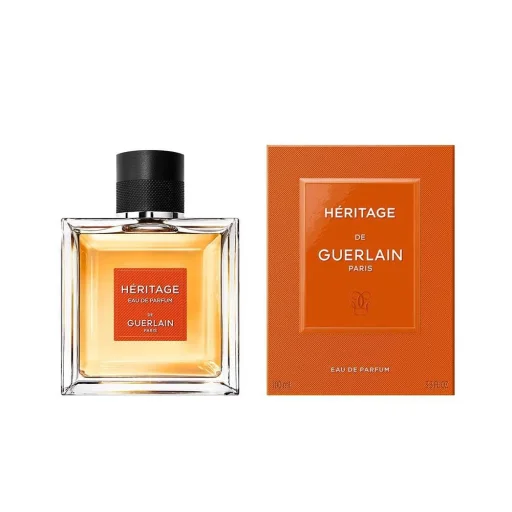
Héritage Eau de Toilette
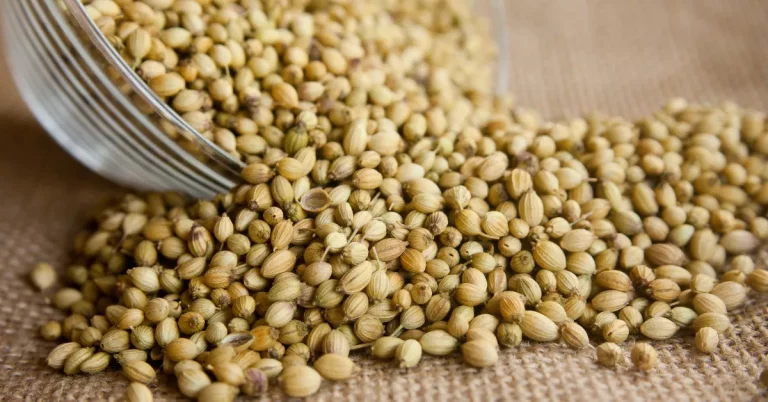
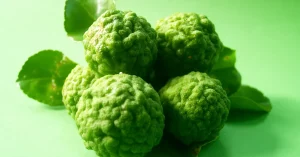
Héritage gives carnation a drier aromatic frame. Lavender, clary sage, citrus, juniper, and green notes lead into a heart of patchouli, coriander, geranium, pepper, carnation, fir, rose, iris-like orris, jasmine, cyclamen, and lily-of-the-valley over sandalwood, amber, oakmoss, cedar, and musk.
How these carnation settings compare
Safari Extreme
- Carnation partners
- Nutmeg, violet, jasmine, Bulgarian rose, tuberose, ylang-ylang, clove
- Surrounding character
- Dense floral-spice heart over vanilla, woods, leather, musk, amber, and suede
- Choose this direction if…
- You want carnation folded into a broad, warm floral composition with several spices and a substantial woody-amber base.
Héritage Eau de Toilette
- Carnation partners
- Coriander, pepper, pink pepper, geranium, rose, orris, jasmine, patchouli
- Surrounding character
- Aromatic, spicy, green, woody, and mossy
- Choose this direction if…
- You prefer carnation in a drier aromatic structure where pepper, herbs, woods, and moss share the spotlight with the floral heart.
Carnation perfume FAQ
Does carnation smell like clove?
It can. A clove-like spicy warmth is one of carnation’s most recognizable scent associations, but carnation also retains a clear floral character that separates it from the spice itself.
Is carnation a sweet floral note?
It can have sweetness, but it is usually described more accurately as a spicy floral. Depending on the formula, it may feel dry, peppery, green, powdery, warm, or softly sweet.
Is carnation the same ingredient as cloves?
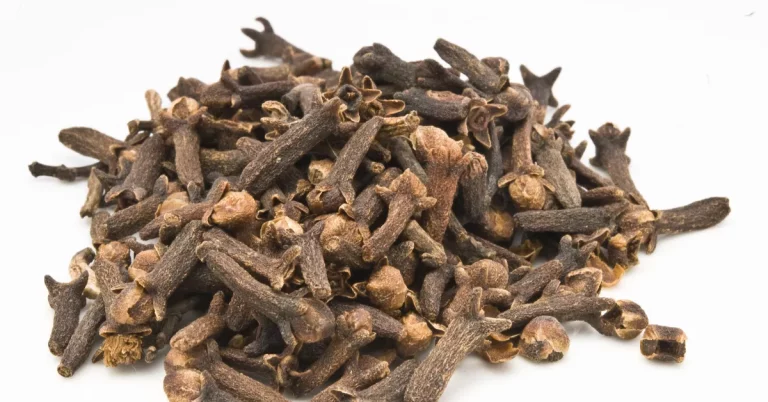
No. Carnation is a Dianthus flower, while culinary cloves are dried flower buds from the clove tree. Their scents can overlap in spicy character, but botanically they are different materials.
Does a carnation note mean real carnation extract is in the perfume?
Not necessarily. A perfume note describes an intended scent impression. Carnation may be represented with a natural material, an accord made from other perfume materials, or a combination of approaches.
Where does carnation usually appear in a perfume?
Carnation is especially at home in the heart, where it can connect florals with spices, herbs, woods, and warmer base notes. Individual formulas can use the effect differently.
What notes make carnation feel softer?
Rose, jasmine, violet, iris-like notes, musk, sandalwood, and other smooth florals or woods can soften carnation’s sharper spicy edge and bring out a more petaled or powdery impression.
Carnation is where petals meet spice
Carnation stands apart from softer florals because its beauty comes with a built-in contrast: floral petals against clove-like warmth and peppery dryness. In perfume, that tension makes it a versatile bridge between bouquets, spices, woods, amber, aromatics, and powdery notes.