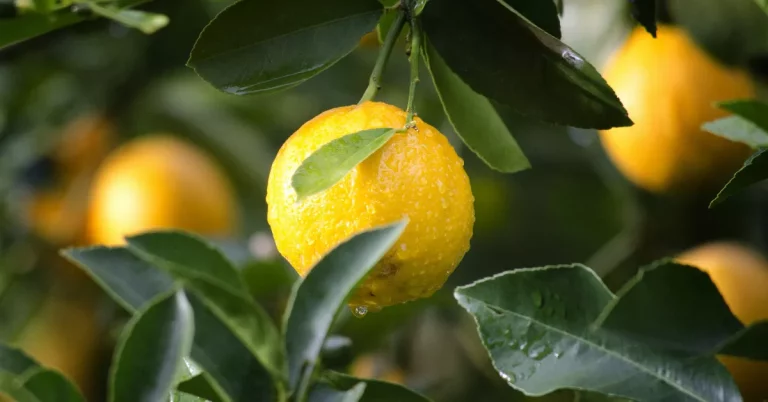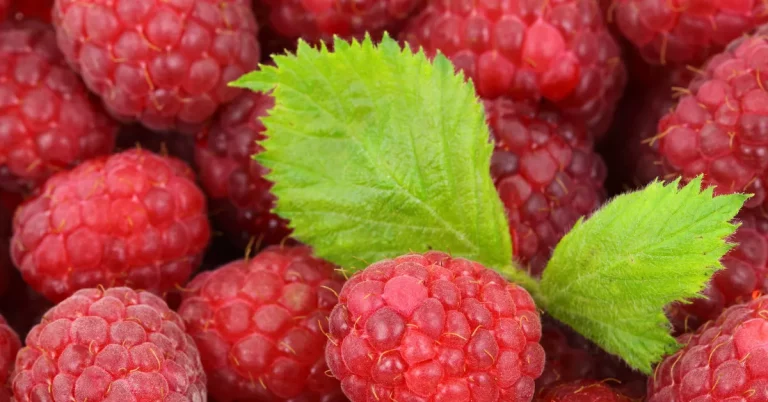
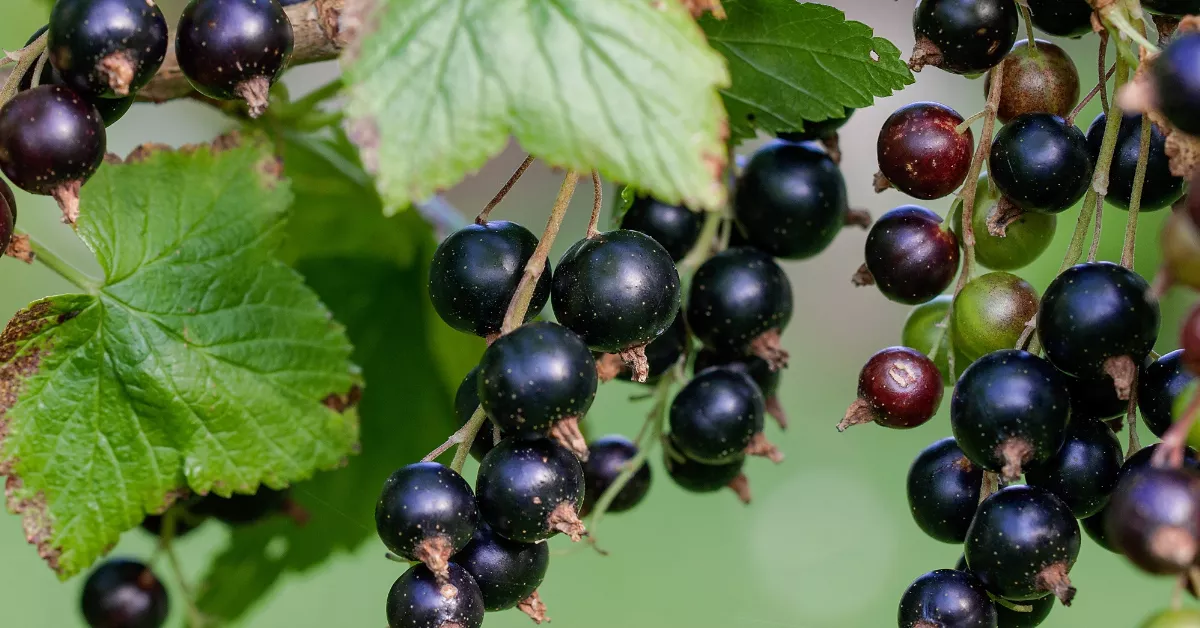
Black currant, often called cassis in perfumery, can bring a fragrance a vivid mix of dark fruit, tart brightness, leafy greenness, and an unmistakably sharp edge. Depending on how it is built and what surrounds it, the note can feel juicy and berry-like, cool and green, floral, wine-like, or surprisingly pungent.
What is black currant?
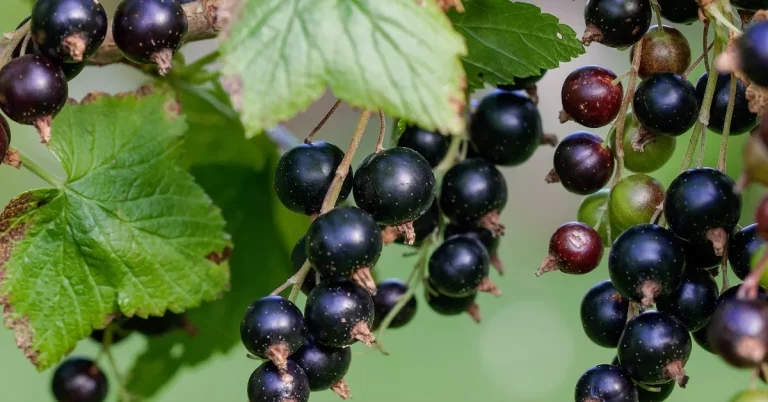
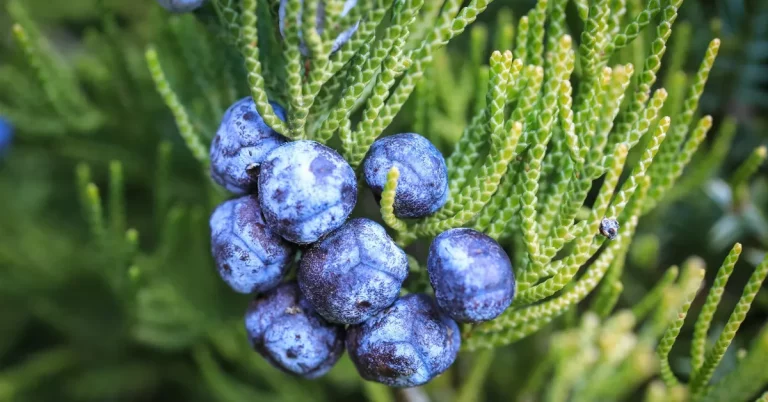
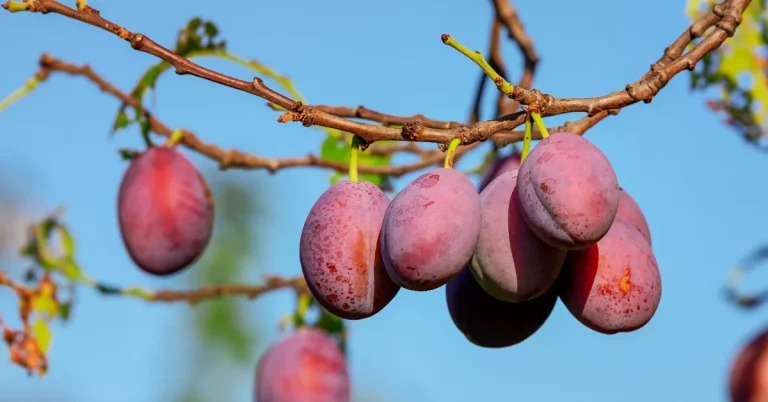
Black currant is the dark fruit of Ribes nigrum, a temperate-climate shrub native across a broad range from Europe into parts of Asia. In fragrance, however, the words “black currant” or “cassis” describe an olfactory note and do not by themselves tell you which aromatic materials were used.
Fruit note, plant material, or both?
The edible berries suggest a tart, dark, juicy fruit profile, but one of the distinctive natural black-currant materials used by perfumers comes from the plant’s buds rather than the ripe fruit.
Blackcurrant bud absolute can smell intensely green, fruity, fresh, sulfurous, and slightly minty or rosy. A finished cassis accord may emphasize those facets, soften them, or reconstruct a brighter berry impression with other fragrance materials.
What does black currant smell like?
Black currant is unusually multidimensional for a fruit note. It can be recognizably berry-like while also carrying leafy, tart, earthy, or pungent nuances that keep it from smelling like simple fruit candy.
A mouthwatering acidic impression keeps the fruit lively and can make the opening feel crisp rather than syrupy.
The berry effect often feels deeper than apple, pear, or citrus, with a purple-fruit character that can suggest cassis liqueur or crushed berries.
Leafy and stem-like facets can make cassis feel freshly picked and connect it naturally to herbs, florals, moss, and woods.
Natural blackcurrant bud material is known for a sharp sulfurous edge that can read as pungent or animalic when prominent.
Used with citrus or aromatic notes, black currant can add a sparkling fruit lift without becoming purely sweet.
In richer compositions, its dark tartness can suggest cassis cordial, fruit skin, or a lightly fermented fruit impression.
Why black currant can smell so different
The name on a perfume note list describes the intended scent impression, not a fixed recipe. Black currant can therefore range from a naturalistic bud-and-leaf effect to a polished fruity accord.
Natural bud absolute versus a cassis accord
Blackcurrant bud absolute is a natural aromatic material obtained from the buds and is valued for its strong fruity-green character, including a distinctive sulfurous facet. It does not simply smell like sweet ripe berries.
A perfumer can also build a black-currant or cassis impression with a blend of materials. That makes it possible to emphasize juiciness, tartness, greenness, floral lift, or dark-fruit richness without requiring the perfume to contain literal blackcurrant extract.
What changes the effect?
- Citrus and crisp fruits can make black currant feel brighter, juicier, and more sparkling.
- Rose, jasmine, violet, and other florals can turn it into a polished fruity-floral bridge.
- Vanilla, amber, musk, and sandalwood can soften its tartness and make the fruit feel rounder.
- Patchouli, moss, oud, pepper, leather, and darker woods can emphasize its shadowy, wine-like side.
How black currant works in a fragrance
Black currant is useful because it can function as more than a simple fruit accent. Its tart fruitiness can add lift, while its green and sometimes pungent facets create contrast and help link fruit to florals, aromatics, woods, mosses, musks, and amber.
What pairs well with black currant?
Black currant is especially flexible because it contains both bright fruit and darker green facets. Citrus can sharpen it, flowers can soften it, and woods, amber, spice, or creamy notes can pull it into a deeper direction.
Six ways perfumes frame black currant
These supplied fragrances show how differently black currant can behave depending on the notes around it, from citrusy and floral to spicy, woody, aquatic, musky, and gourmand-leaning.
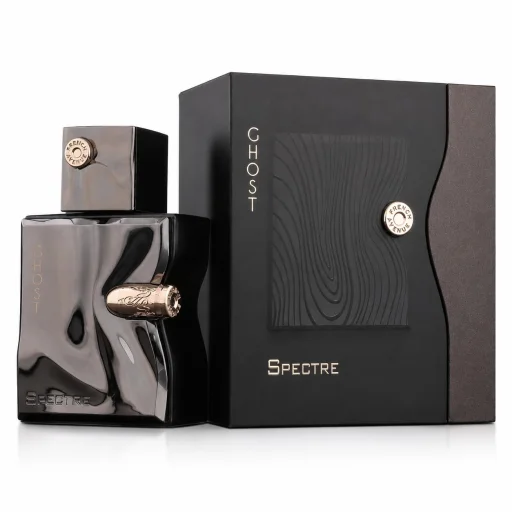
Spectre Ghost
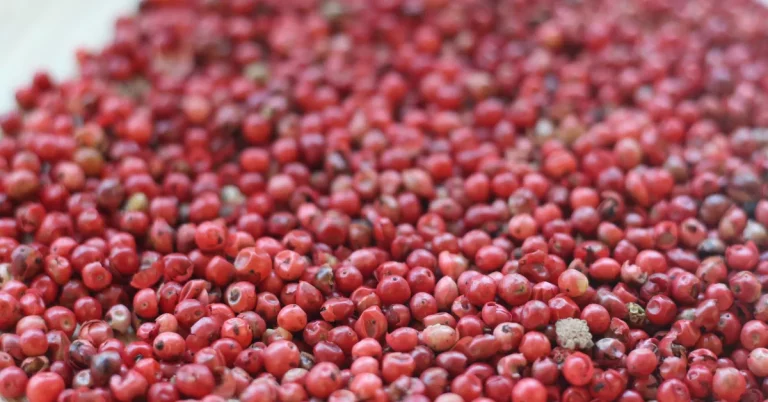
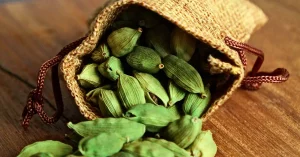
Spectre Ghost opens with ginger, cardamom, and bergamot, then places black currant in a heart with rose and pink pepper before settling into vanilla, patchouli, and cedarwood.
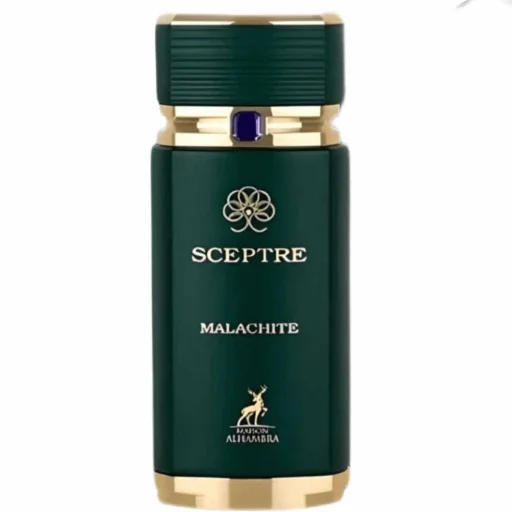
Sceptre Malachite
Sceptre Malachite places black currant directly in a citrus-led opening with green tangerine and bergamot, then moves into an aromatic floral-spicy heart over amber, musk, woods, and vetiver.
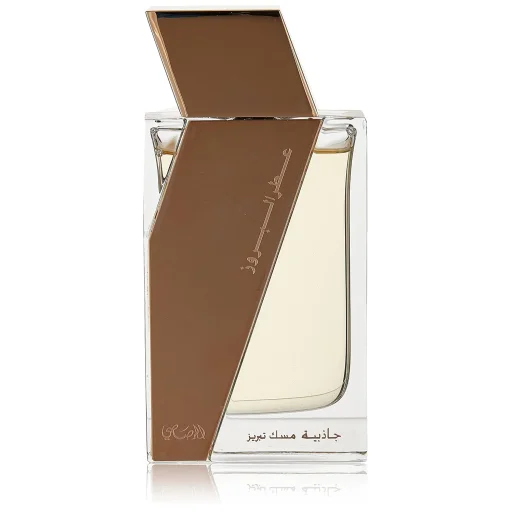
Attar Al Boruzz Jazeebiyat Musk Tabriz
This composition gives black currant a crowded fruit-and-citrus setting with peach, cassis, coconut, lemon, mandarin, and other opening notes, followed by tuberose, orange blossom, and orris over musk, oud, vanilla, and amber.
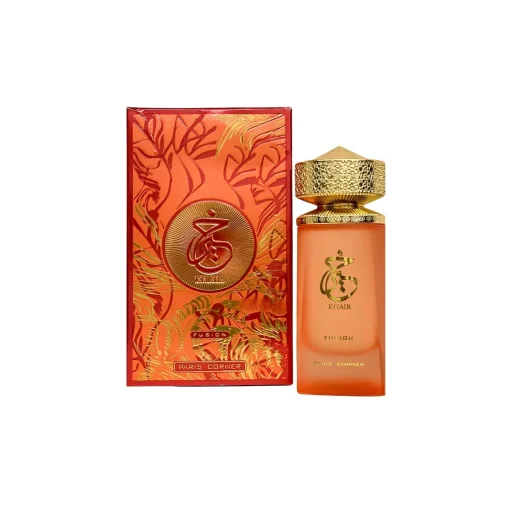
Khair Fusion
Khair Fusion pairs black currant with litchi, red apple, and Italian lemon in a bright fruit opening, then moves through pansy, Taif rose, and jasmine sambac into a soft musky, vanilla, cedar, and sandalwood base.
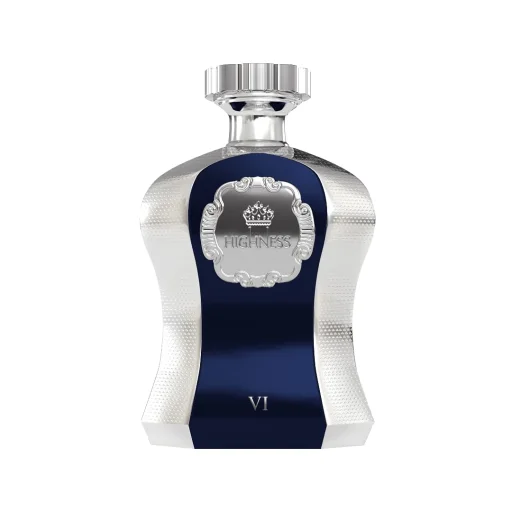
Highness VI
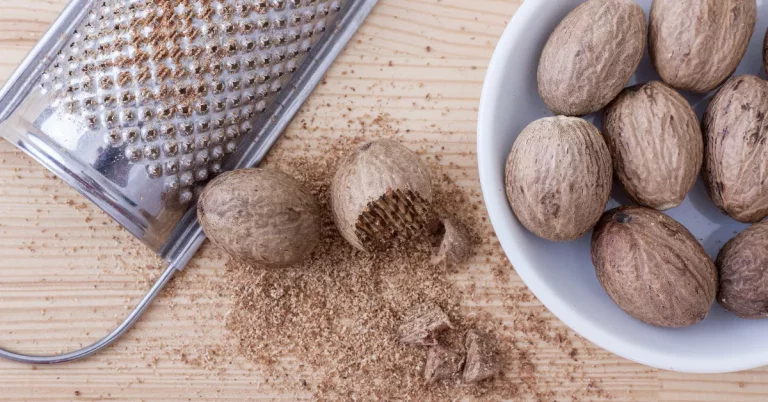
Highness VI surrounds black currant with a more aromatic and earthy structure: spices, ambergris, and nutmeg lead into lavender, patchouli, and black currant before amber, musk, and oakmoss form the base.
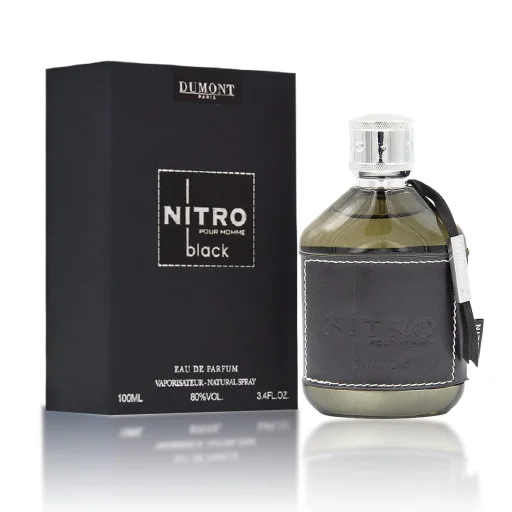
Nitro Black
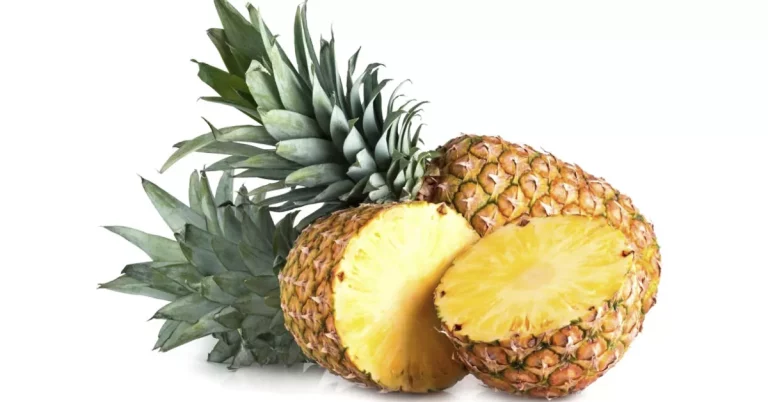
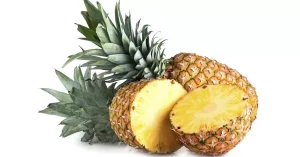
Nitro Black puts black currant beside pineapple, bergamot, and apple, then contrasts the fruit with birch, patchouli, pepper, lavender, rose, and jasmine before a musk, amber, and vanilla base.
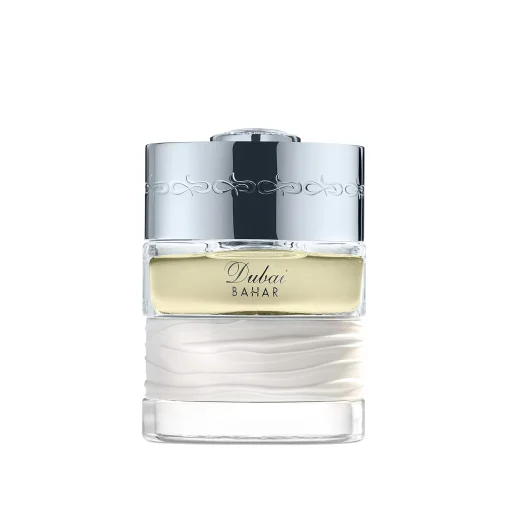
Bahar
Bahar places black currant inside a broad aquatic-citrus-fruit opening with sea, ozonic, watery, green, citrus, spice, and multiple fruit notes, followed by a floral-woody heart and a dense woody, ambered base.
Five directions for black currant in perfume
Spectre Ghost
- Black currant partners
- Rose, pink pepper, ginger, cardamom, vanilla, patchouli
- Surrounding character
- Spicy, floral, warm, woody
- Choose this direction if…
- You want black currant tucked into a spicy floral heart with a warm vanilla-wood base.
Sceptre Malachite
- Black currant partners
- Green tangerine, bergamot, jasmine, lavender, pink pepper, vetiver
- Surrounding character
- Citrusy, aromatic, floral, woody
- Choose this direction if…
- You prefer cassis at its brighter, fresher end with citrus and aromatics.
Khair Fusion
- Black currant partners
- Litchi, red apple, lemon, rose, jasmine, vanilla, sandalwood
- Surrounding character
- Fresh-fruity, floral, soft, sweet
- Choose this direction if…
- You like black currant blended into a colorful fruit bouquet with a floral and creamy base.
Highness VI
- Black currant partners
- Lavender, patchouli, nutmeg, amber, musk, oakmoss
- Surrounding character
- Aromatic, spicy, earthy, mossy
- Choose this direction if…
- You want the fruit pulled into a drier, darker aromatic structure rather than a sweet fruity accord.
Nitro Black
- Black currant partners
- Pineapple, bergamot, apple, birch, patchouli, pepper, rose, jasmine
- Surrounding character
- Fruity, smoky-woody, spicy, floral
- Choose this direction if…
- You like juicy fruit contrasted with birch, patchouli, pepper, and warmer base notes.
Black currant perfume FAQ
Is black currant the same as cassis in perfumery?
Usually, yes. “Cassis” is the French word commonly used for black currant, and fragrance descriptions may use either term for a black-currant scent impression.
Does a black currant note mean the perfume contains real black currant?
No. A listed note describes the smell or concept within the composition. It may come from a constructed accord, natural blackcurrant bud material, or a combination of fragrance materials.
Is natural blackcurrant perfume material made from the berries?
Not necessarily. A distinctive natural material used in fine fragrance is blackcurrant bud absolute, made from the plant’s buds. Its smell is greener and more sulfurous than a simple sweet-berry aroma.
Why can black currant smell sharp or unusual in perfume?
Blackcurrant bud material is known for sulfurous and green facets in addition to fruitiness. When a perfume emphasizes that side, cassis can smell pungent, leafy, tart, or even slightly animalic rather than conventionally sweet.
Is black currant always a top note?
No. Its bright fruit character often works well near the opening, but black currant also appears in perfume hearts, where florals, aromatics, woods, spices, or patchouli can reshape it.
What should I look at when comparing black currant perfumes?
Look first at the notes immediately around it. Citrus and fresh fruit point toward a brighter cassis; rose and jasmine suggest fruity-floral; vanilla and musk soften it; while patchouli, moss, birch, spice, oud, or dark woods can make it feel deeper and more shadowed.
Black currant is more than a dark berry note.
It can sparkle beside bergamot, turn lush beside rose and jasmine, become playful with other fruits, or reveal its greener and more pungent side against herbs, spice, patchouli, moss, and woods. That tension between juicy fruit and sharp greenery is exactly what makes cassis such a useful and recognizable perfume idea.