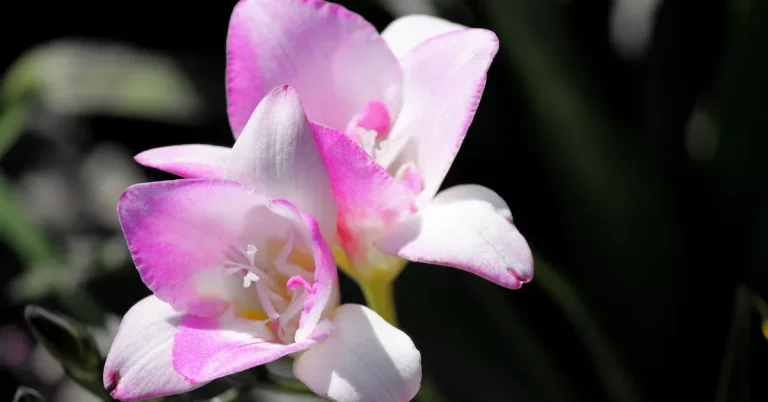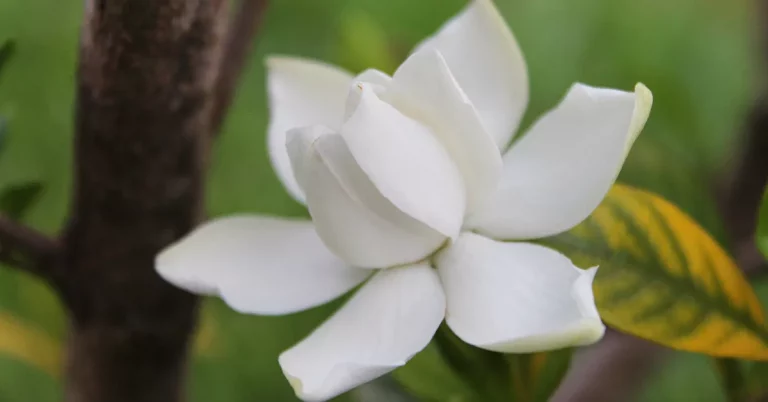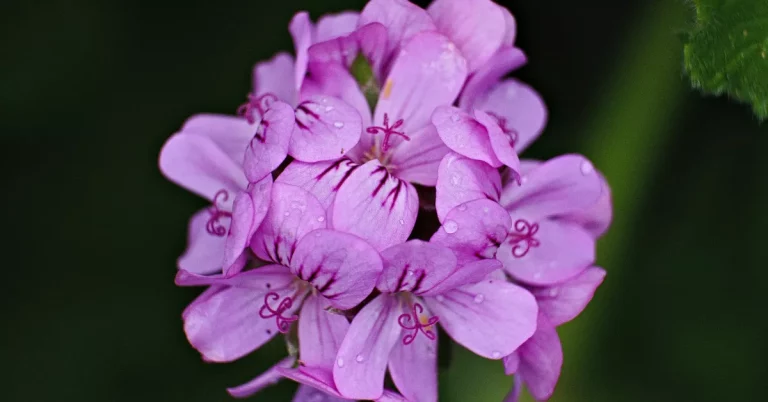
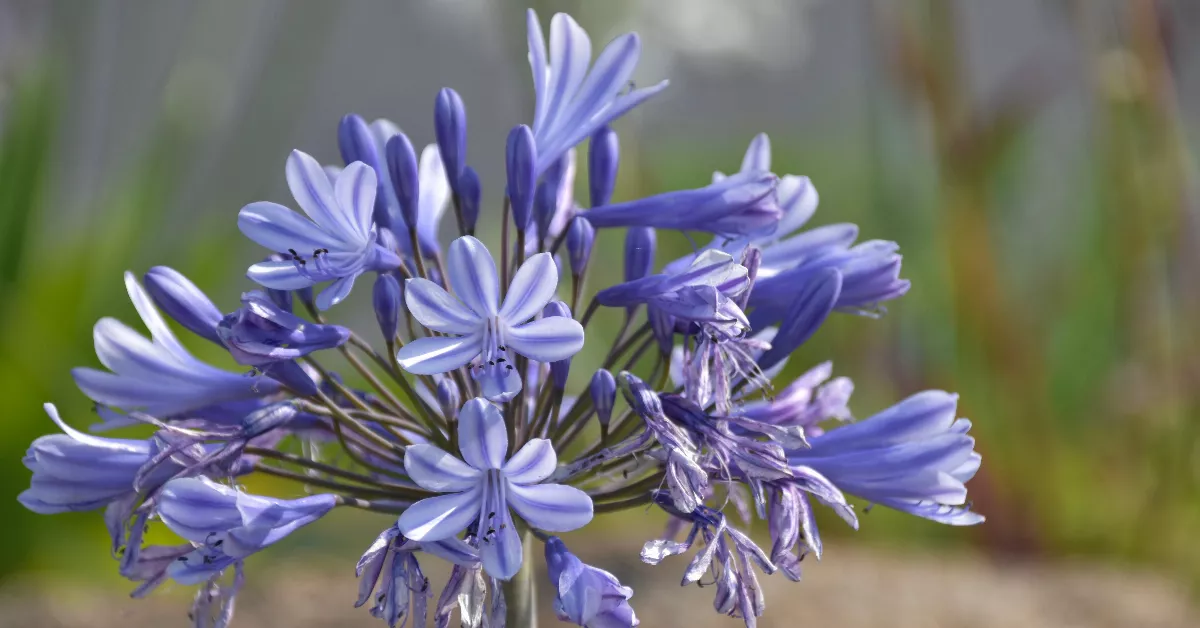
Tuberose is one of perfumery’s most recognizable white-floral ideas: creamy, sweet, lush, and often more heady than delicate. Natural tuberose material can be used in fragrance, but a listed tuberose note may also be an accord built to suggest the flower rather than proof that a literal flower extract is present.
What is tuberose?
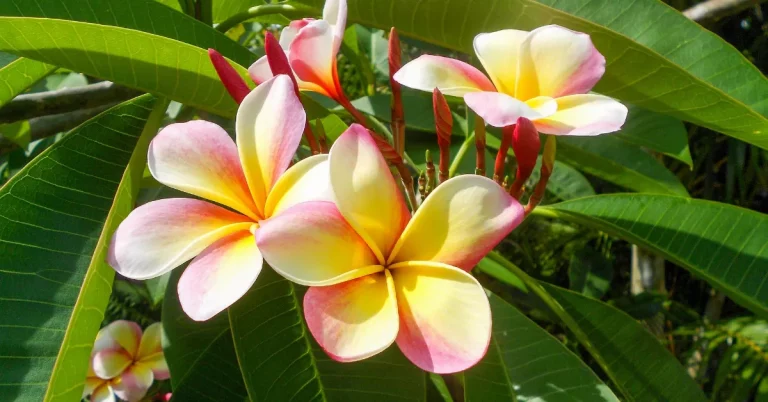
Tuberose, botanically known as Polianthes tuberosa, is a highly fragrant flowering plant native to Mexico. Despite its name, it is not a rose.
Flower, perfume material, and perfume note
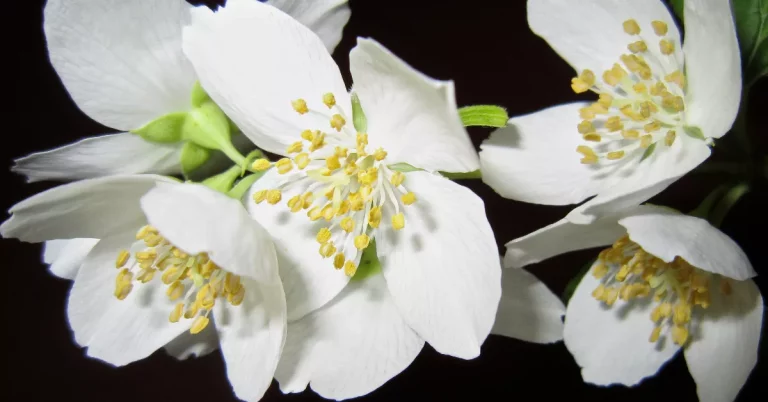
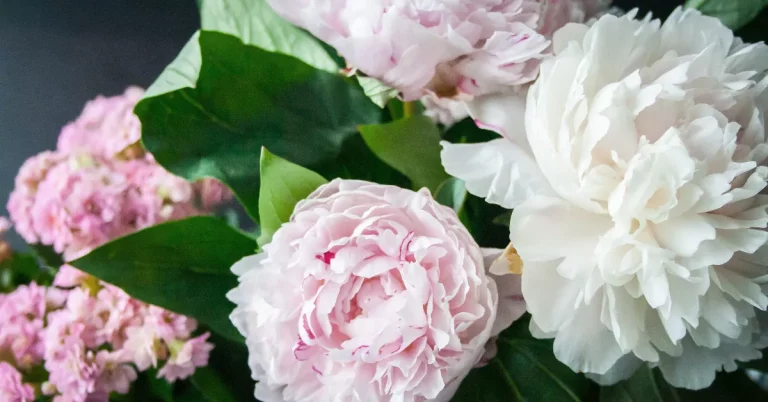
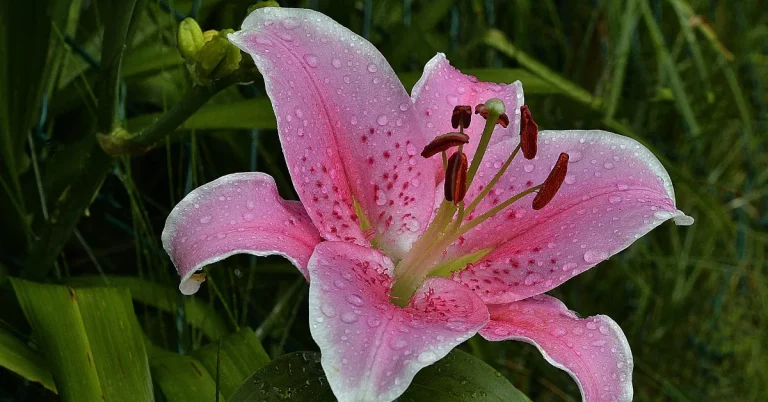
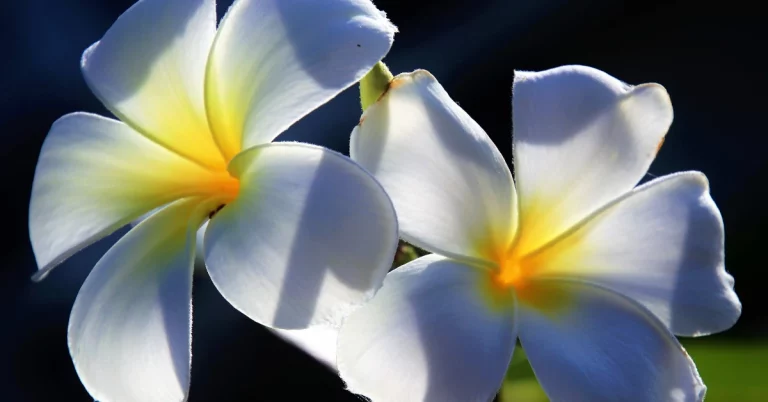
Tuberose produces waxy white flowers with a powerful natural fragrance. In perfumery, the flower can provide an aromatic natural material such as tuberose absolute.
The word “tuberose” on a fragrance note list is broader than the raw material itself. A perfumer may use natural tuberose material, a constructed accord, or a combination of materials to create the recognizable white-floral effect.
What does tuberose smell like?
Tuberose is typically richer and more enveloping than an airy spring floral. Its character can move between creamy sweetness, green freshness, dense petals, and a more sensual or animalic floral depth depending on the material and composition.
A full, blooming floral character with the unmistakable richness associated with intensely fragrant white flowers.
Tuberose can feel smooth, rounded, and almost buttery, especially beside vanilla, sandalwood, or other soft notes.
Its floral sweetness can feel nectar-like and lush without necessarily becoming a dessert-style gourmand.
Fresh leafy or stem-like facets can cut through the flower’s richness and make the note feel more naturalistic.
At higher intensity, tuberose can dominate a bouquet with a dense, expansive floral presence.
Some treatments reveal a warm, sensual, slightly animalic depth beneath the creamy petals.
Why tuberose can smell different from perfume to perfume
The flower itself has a complex aroma, but “tuberose” in a finished perfume can represent several different things. The raw material, dosage, accord construction, and surrounding notes all change how the flower is perceived.
Natural material versus a tuberose accord
Natural tuberose absolute is an intensely aromatic floral material with rich sweet-floral character and deeper fatty or creamy nuances. Traditional perfumery has also used techniques such as enfleurage for flowers like tuberose that continue giving off fragrance after picking.
Modern perfumes can reproduce or reshape a tuberose impression with aroma materials rather than relying entirely on a natural extract. That is why a note pyramid should be read as a description of the fragrance’s olfactory structure, not as a literal ingredient list.
What changes the effect?
- Citrus, green notes, and fresh aromatics can make tuberose feel brighter and less dense.
- Jasmine, orange blossom, rose, and other florals can turn it into part of a larger white-floral or mixed bouquet.
- Vanilla, tonka, praline, and amber can emphasize its creamy, sweet, enveloping side.
- Sandalwood, oud, leather, musk, and spices can give tuberose a darker, warmer, or more textured frame.
How tuberose works in a fragrance
Tuberose is most often associated with the heart of a composition, where it can lead a white-floral bouquet or connect brighter opening notes with richer woods, amber, musk, spice, or sweetness below.
What pairs well with tuberose?
Tuberose is easy to steer because its creamy white-floral body can be brightened, made more bouquet-like, softened into sweetness, or pushed toward a deeper woody and ambered style.
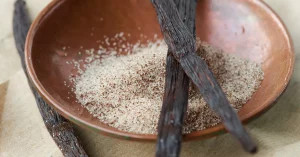
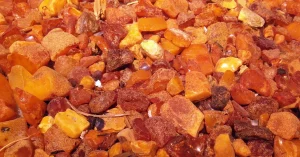
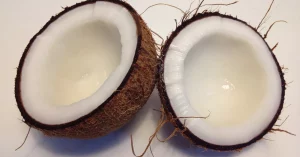
Three perfumes that show different sides of tuberose
These three supplied fragrances place tuberose in very different surroundings: a fruity white-floral oud composition, a sweet spiced gourmand structure, and a broad floral-spicy-woody blend.
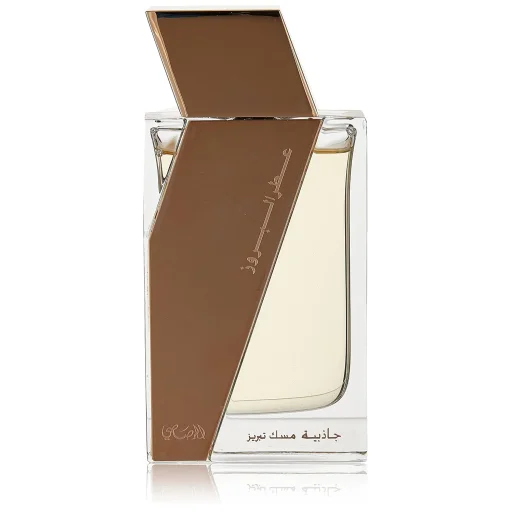
Attar Al Boruzz Jazeebiyat Musk Tabriz
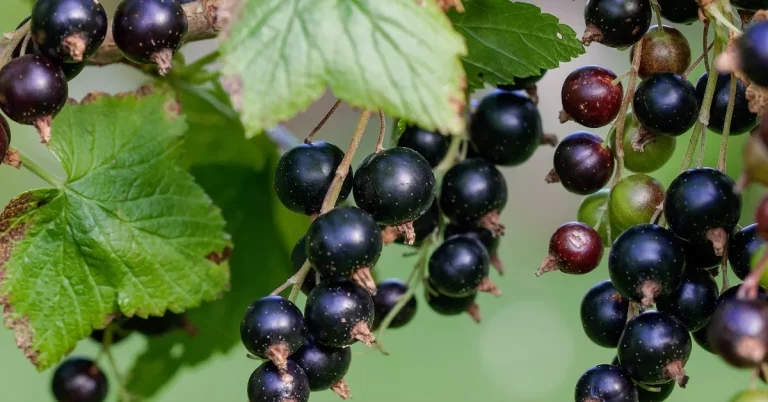
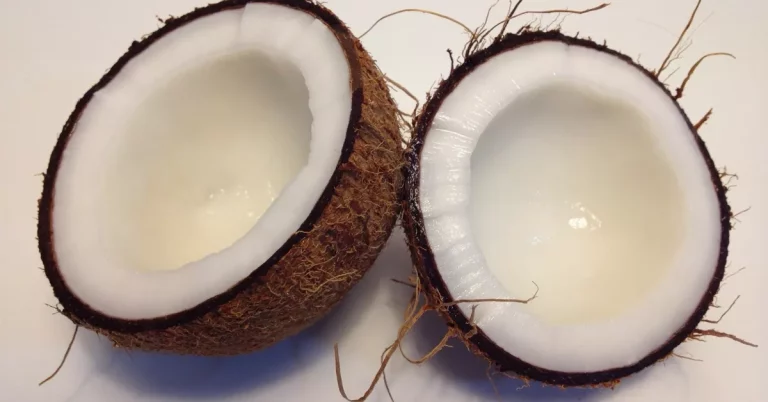
Rasasi places Indian tuberose in a floral heart with Tunisian orange blossom and Italian orris root after a bright, fruity opening of black currant, peach, cassis, coconut, lemon, and Italian mandarin. Musk, Indian oud, Madagascar vanilla, and amber then give the floral center a warm, deep base.
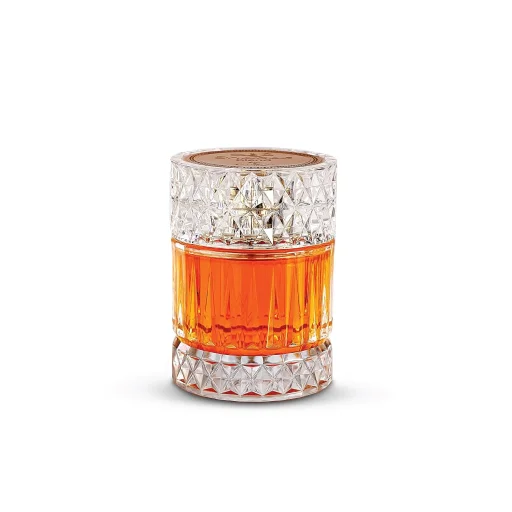
Sharaf Blend
Sharaf Blend surrounds tuberose with dates, nutmeg, and saffron above and vanilla and praline beside it in the heart. Tonka bean, amberwood, benzoin, and musk continue the sweet, warm direction into the base.

Safari Extreme
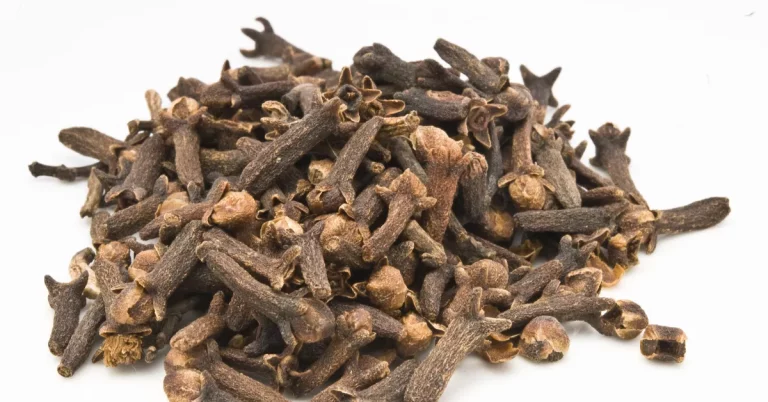
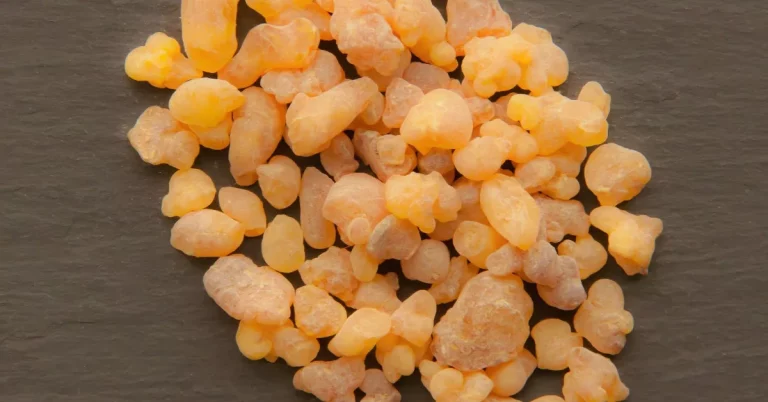
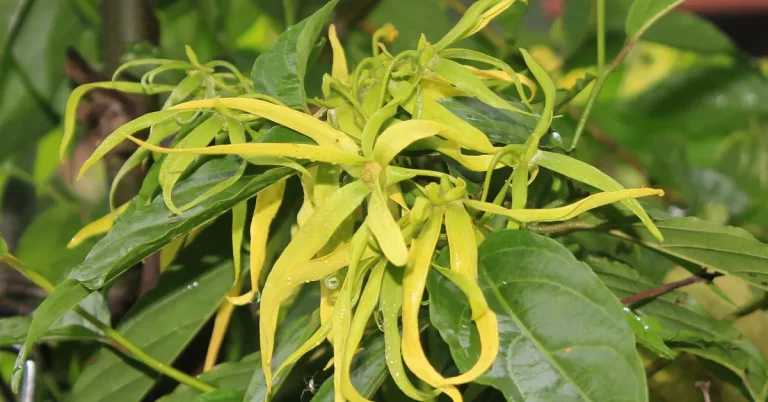
Safari Extreme uses tuberose as one flower inside a densely layered heart of ylang-ylang, peach, violet, jasmine, Bulgarian rose, carnation, nutmeg, and olibanum. A similarly broad opening of citrus, raspberry, saffron, magnolia, herbs, and florals leads into a base of vanilla, sandalwood, leather, musk, iris, amber, suede, clove, and woods.
Three ways tuberose can change character
Attar Al Boruzz Jazeebiyat Musk Tabriz
- Tuberose partners
- Orange blossom, orris, black currant, peach, coconut, oud, vanilla, amber
- Surrounding character
- Fruity, white floral, powdery, woody, warm
- Choose this direction if…
- You want tuberose in a lush white-floral heart that moves from bright fruit into oud, vanilla, musk, and amber.
Sharaf Blend
- Tuberose partners
- Vanilla, praline, dates, saffron, nutmeg, tonka, benzoin
- Surrounding character
- Sweet, warm spicy, ambered, gourmand-leaning
- Choose this direction if…
- You like tuberose made creamier and sweeter by vanilla, praline, dates, warm spice, and balsamic base notes.
Safari Extreme
- Tuberose partners
- Ylang-ylang, jasmine, rose, violet, saffron, nutmeg, sandalwood, leather, amber
- Surrounding character
- Floral, spicy, woody, leathery, complex
- Choose this direction if…
- You want tuberose integrated into a broad, highly layered floral-spicy composition rather than presented as a solo white flower.
Tuberose perfume FAQ
Does a tuberose note mean a perfume contains real tuberose extract?
No. A listed tuberose note describes the intended or perceived scent. The effect may come from natural tuberose material, a constructed accord, or a combination of both.
Is tuberose actually a type of rose?
No. Tuberose is botanically distinct from roses. It belongs to the Asparagaceae family and is native to Mexico.
What does tuberose usually smell like in perfume?
Tuberose is generally a rich white floral with creamy, sweet, lush, green, and sometimes warmer animalic facets. Its exact character depends heavily on the formula around it.
Why can tuberose perfumes smell so different?
Different materials, accords, dosages, and surrounding notes can emphasize different facets. Citrus and greenery can make it fresher, vanilla can make it creamier, and woods, amber, leather, oud, or spice can make it deeper and darker.
Where does tuberose usually appear in a perfume?
It is commonly treated as a heart note because it blends naturally into floral bouquets, although its richness can influence the fragrance well into the drydown.
What should I look for when comparing tuberose perfumes?
Look first at the notes directly around the tuberose. Jasmine and orange blossom suggest a fuller white-floral bouquet; vanilla and praline suggest sweetness; citrus and green notes suggest brightness; woods, amber, oud, leather, and spice suggest a warmer or darker interpretation.
Tuberose can be creamy, green, luminous, or dramatically rich.
The word “tuberose” on a note list is only the beginning. Look at what surrounds it: bright citrus can open the flower up, jasmine and orange blossom can build a sweeping white-floral bouquet, vanilla can emphasize creaminess, and woods, amber, oud, leather, or spice can reveal a deeper and more opulent side.