Anise brings a sweet, aromatic spice effect to perfume, often recalling licorice, fennel, cool herbs, and softly sugary spice. In a fragrance, an anise note can feel bright and airy or darker and more enveloping depending on whether it is surrounded by citrus, florals, woods, vanilla, amber, or other spices.
What is anise?
Anise, or Pimpinella anisum, is an aromatic annual herb in the Apiaceae family. The plant’s small fruits are commonly called aniseed and are valued for their distinctive sweet, licorice-like aroma.
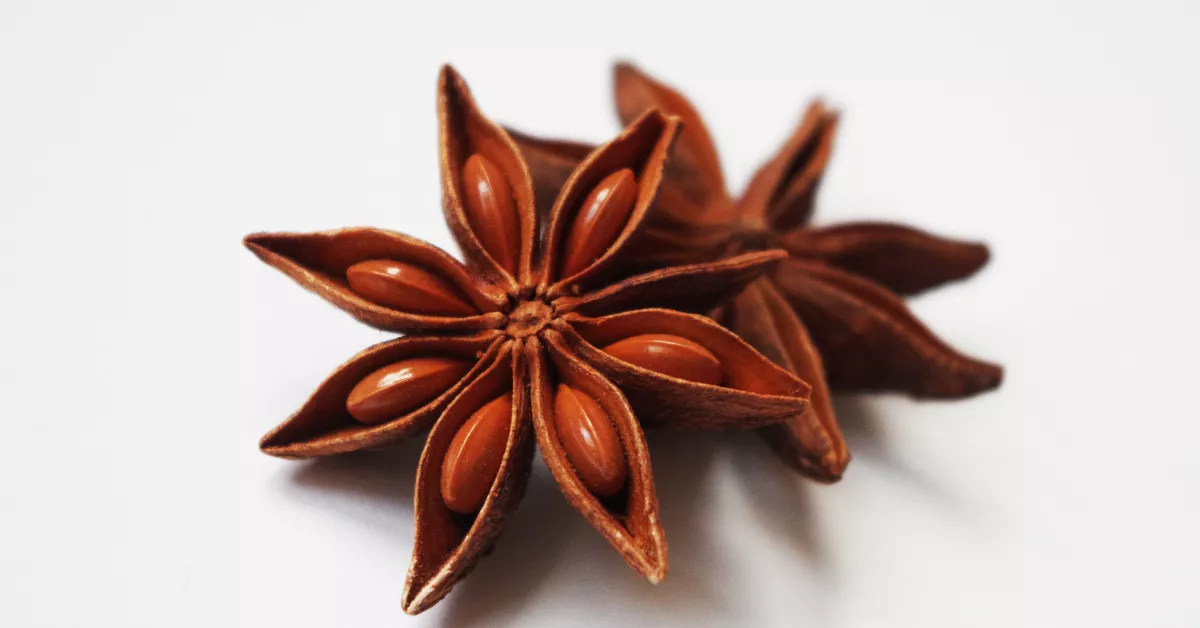
Anise and star anise are not the same plant
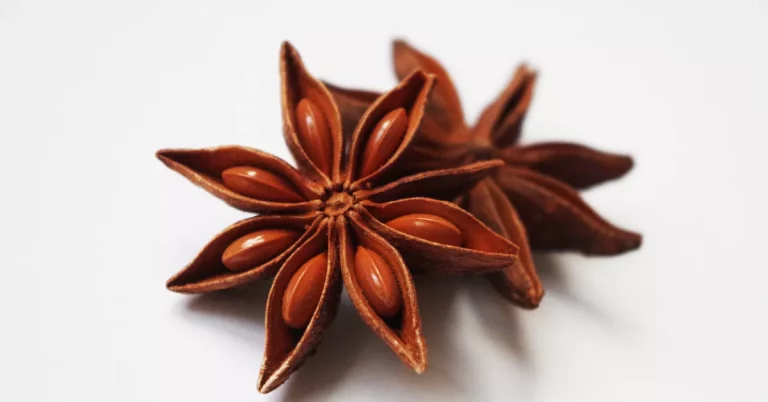
True anise is Pimpinella anisum, an herb in the same botanical family as parsley, fennel, and coriander. Star anise is Illicium verum, the fruit of a tree in a different plant family.
Their aromas can overlap strongly, so perfume descriptions sometimes place anise and star anise in a similar olfactory territory. A listed note describes the intended scent impression and does not by itself reveal which raw materials are present in the formula.
What does anise smell like?
Anise is recognizable for its sweet, penetrating aromatic character. It can suggest black licorice and fennel while also carrying herbal freshness and a soft spicy warmth that changes noticeably with the rest of the perfume.
The most recognizable facet is a dark-sweet, distinctly aromatic impression reminiscent of licorice candy.
Anise has sweetness built into its spicy character, but it need not smell sugary or dessert-like.
A green, plant-like edge can keep the note from feeling purely sweet and gives it an aromatic freshness.
Because fennel occupies a related scent territory, anise can suggest the cool sweetness of crushed fennel seed.
Beside citrus, tea, lavender, or airy florals, anise can feel surprisingly crisp and almost cooling.
Vanilla, amber, cacao, woods, or caramel can pull the same note toward a deeper and rounder spicy sweetness.
True anise, star anise, and the perfume note
True anise and star anise are botanically unrelated, yet their aromatic profiles overlap enough that both are associated with the familiar sweet, licorice-like anise impression.
How the scent may be represented
A perfume that lists anise or star anise may use a natural aromatic material, other perfumery materials that reproduce part of the recognizable effect, or a combination of materials shaped into an anise-like accord.
For the wearer, the surrounding composition matters as much as the label. The same anise idea can feel bright beside bergamot and lemon, floral beside jasmine, gourmand-like beside cacao or caramel, or darker beside leather, patchouli, and amber.
What changes the impression?
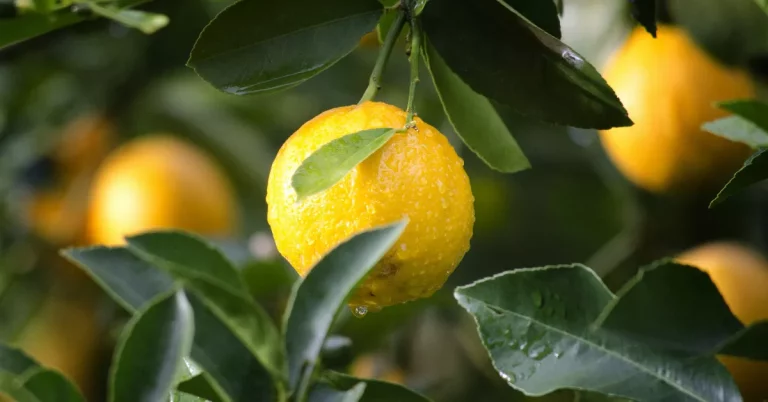
- Citrus and pepper can sharpen anise into a brighter, livelier spice effect.
- Jasmine, rose, and other florals can soften its licorice edge with floral volume.
- Vanilla, caramel, cacao, and amber can emphasize sweetness and warmth.
- Woods, patchouli, leather, moss, and smoke can make it feel drier, darker, or more structured.
How anise works in a fragrance
Anise is often less about creating a fully “licorice perfume” than about changing the shape of the notes around it. Used as an accent, it can add sweetness without vanilla, spice without heaviness, or an aromatic twist that makes fruit, florals, woods, and amber feel more distinctive.
What pairs well with anise?
Anise works especially well with notes that either brighten its aromatic edge or give its sweetness a richer frame. Citrus and florals keep it lifted, while spices, vanilla, and amber can make it feel warmer and more enveloping.
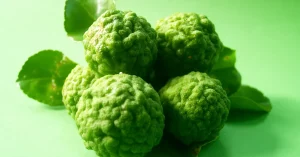
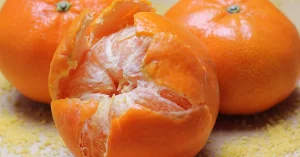
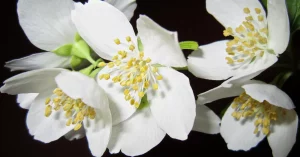
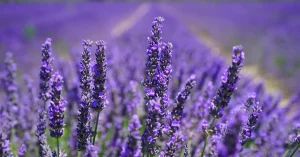
Two ways anise can change direction
These fragrances show two very different settings for the note: a fruity, woody, musky heart in Armaf Club de Nuit Precieux, and a brighter star-anise opening that moves into cacao, sandalwood, smoke, tea, jasmine, and patchouli in Guerlain L’Instant de Guerlain Pour Homme EDP.

Club de Nuit Precieux
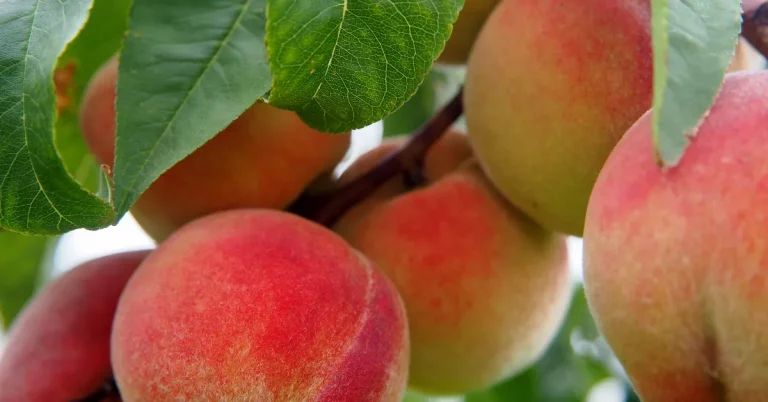
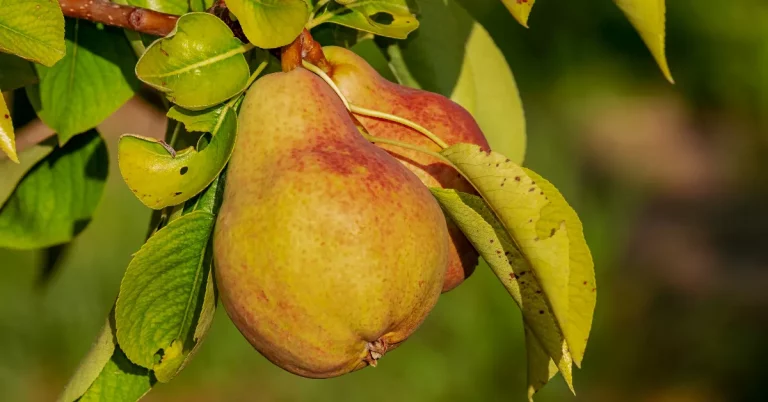
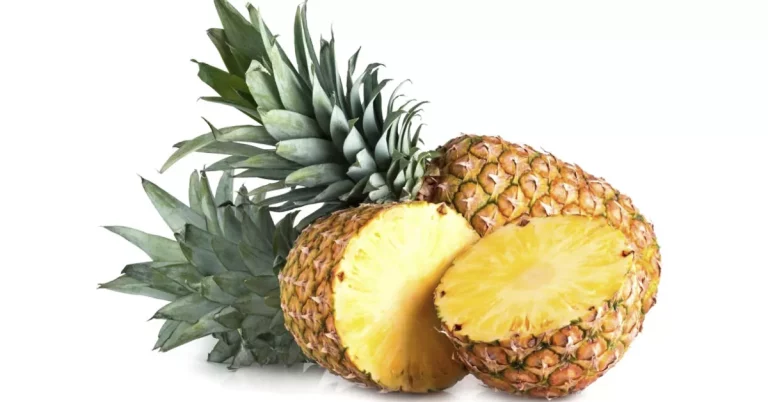
Anise appears in the heart after an opening of pineapple, pear, caramel, lemon, bergamot, and pink and black pepper. White wood, oak moss, jasmine, and lily of the valley surround the spice before the fragrance settles into ambroxan, vanilla, leather, musk, amber, patchouli, and cedar.
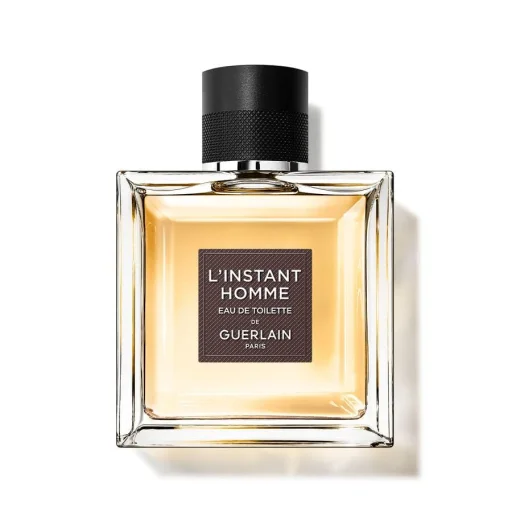
L’Instant de Guerlain Pour Homme EDP
This fragrance places star anise at the top with bergamot, elemi, lemon, and pepper. The composition then moves into cacao pod, sandalwood, smoke, tea, and jasmine before a patchouli base.
From fruity-woody anise to smoky star anise
Club de Nuit Precieux
- Anise partners
- Jasmine, lily of the valley, white wood, oak moss, vanilla, amber, leather
- Surrounding character
- Fruity and sweet on top, floral-woody around the anise, then musky, ambered, leathery, and woody underneath
- Choose this direction if…
- You want anise woven into a busy fruity-woody composition rather than presented as a solitary licorice-like note.
L’Instant de Guerlain Pour Homme EDP
- Anise partners
- Bergamot, lemon, pepper, elemi, cacao, tea, smoke, sandalwood, jasmine, patchouli
- Surrounding character
- Bright citrus-spice at first, then increasingly warm, smoky, woody, cacao-toned, and earthy
- Choose this direction if…
- You want a star-anise opening sharpened by citrus and pepper before it moves into a darker cacao, tea, smoke, wood, and patchouli setting.
Anise perfume FAQ
What does anise smell like in perfume?
Anise usually reads as sweet, aromatic, herbal, and licorice-like, with a spicy freshness that can become cooler beside citrus and herbs or warmer beside vanilla, cacao, amber, and woods.
Is anise the same as star anise?
No. True anise is Pimpinella anisum in the Apiaceae family, while star anise is Illicium verum in the Schisandraceae family. They are different plants but share a closely related sweet, licorice-like aromatic character.
Does anise always smell like black licorice?
Licorice is the easiest reference point, but a perfume can emphasize other facets. Citrus can make anise feel brighter, florals can soften it, and woods, smoke, leather, cacao, vanilla, or amber can make it feel deeper and warmer.
Is anise a sweet note or a spicy note?
It can be both. Anise has an inherent sweet-aromatic quality, yet it also behaves like a spice and can add freshness, warmth, or contrast depending on the composition.
Does a listed anise note mean the perfume contains natural anise?
No. A note list describes the smell a perfume is designed to suggest. The formula may use a natural anise-related material, a reconstruction, other aroma materials, or a combination of approaches.
What notes make anise easier to wear?
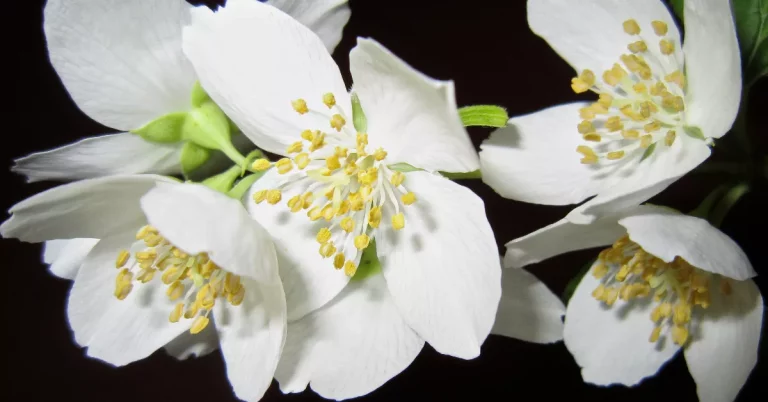
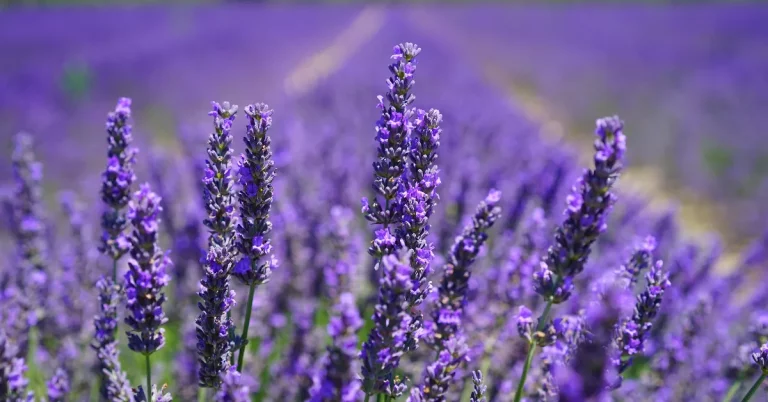
Bergamot and mandarin can brighten it, jasmine and lavender can make it more floral or aromatic, and vanilla or amber can smooth its sharper licorice-like edge. Woods and patchouli are useful when you prefer a drier, more grounded direction.
Anise is a small note with a very recognizable signature
Anise can move easily between bright aromatic spice, floral contrast, warm sweetness, and darker woods. Look for citrus and lavender when you want its fresher side, jasmine when you want floral lift, and vanilla, amber, cacao, leather, or patchouli when you want its sweet licorice character to feel deeper and richer.