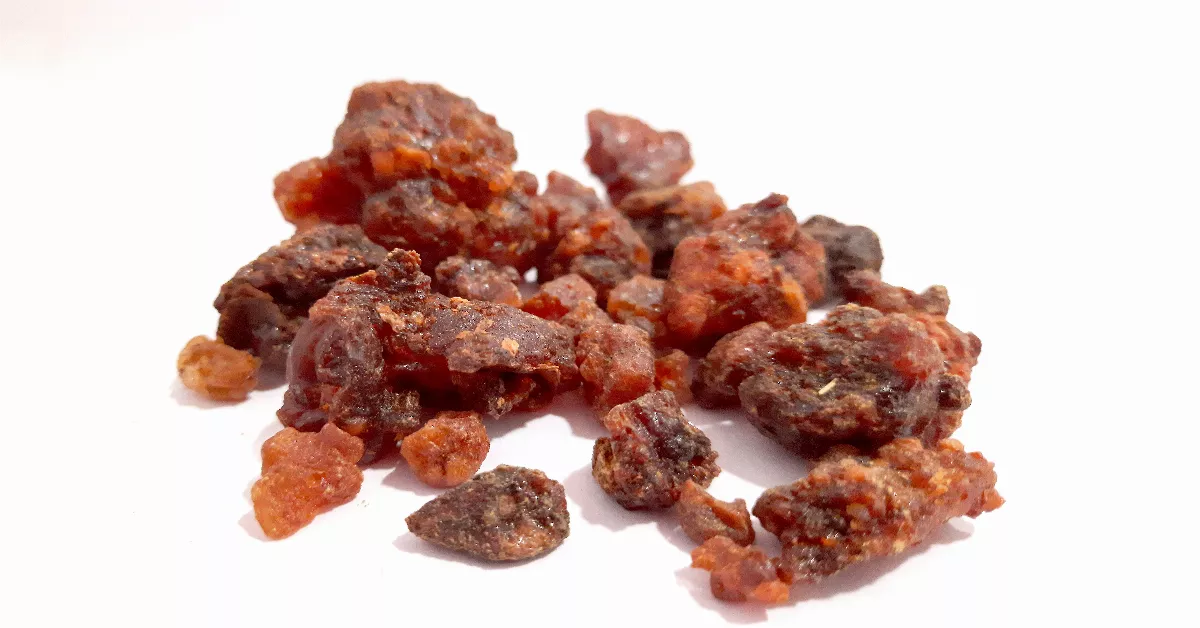
Myrrh gives perfume a deep resinous warmth that can feel balsamic, smoky, earthy, gently bitter, or softly sweet. The natural material is a fragrant gum-resin associated especially with Commiphora myrrha, while a listed myrrh note in a perfume may instead describe an accord or reconstructed scent impression.
What is myrrh?
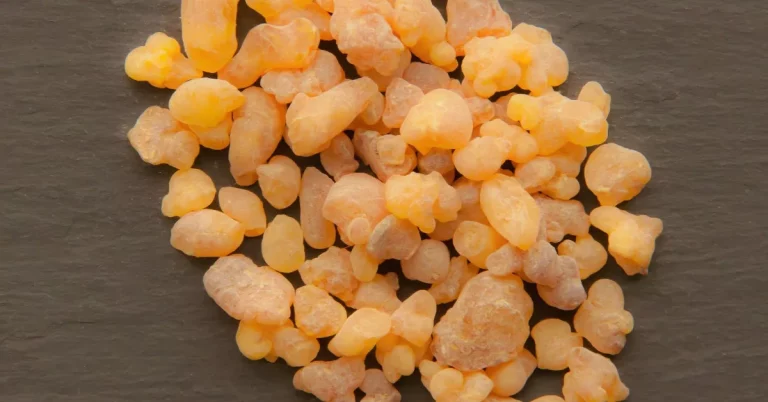
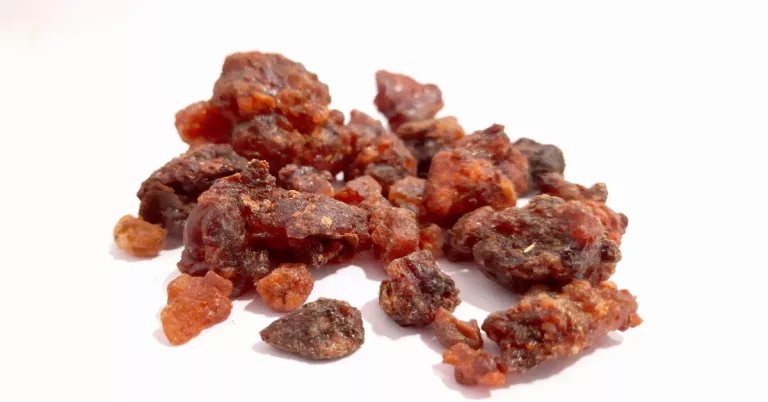
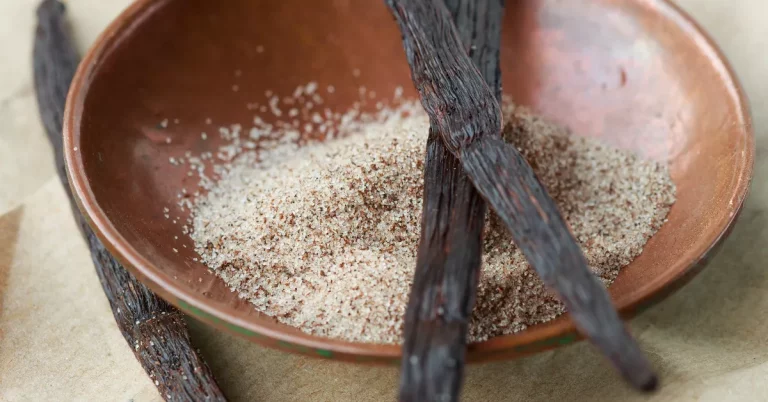
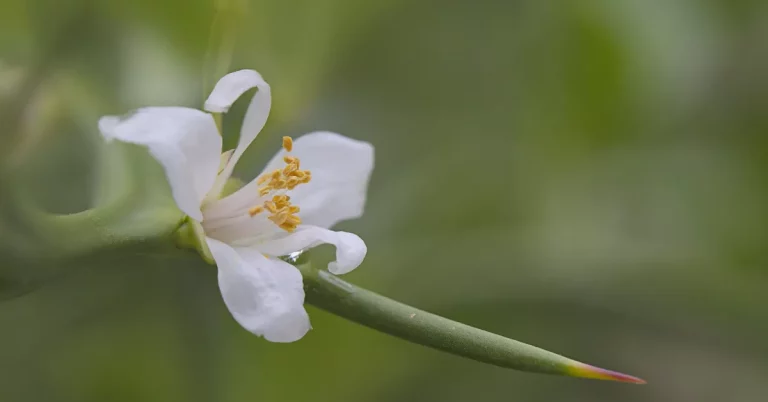
Myrrh is an aromatic gum-resin produced by trees and shrubs in the genus Commiphora. Commiphora myrrha is a major botanical source and is native to parts of northeastern Africa and the southern Arabian Peninsula.
From tree resin to perfume note
When the bark is wounded or tapped, resinous exudate emerges and hardens. That botanical material has long been valued for its aromatic character and is one source of the myrrh profile used in fragrance.
On a perfume note list, however, “myrrh” is not an ingredient declaration. A perfumer may use natural myrrh material, other aroma materials, or an accord designed to evoke selected facets of myrrh.
What does myrrh smell like?
Myrrh is usually perceived as dark, warm, and resinous, but it is not simply sweet incense. Depending on the material and the surrounding accord, it can move between dry smoke, earthy bitterness, balsamic softness, woody depth, and a faint medicinal edge.
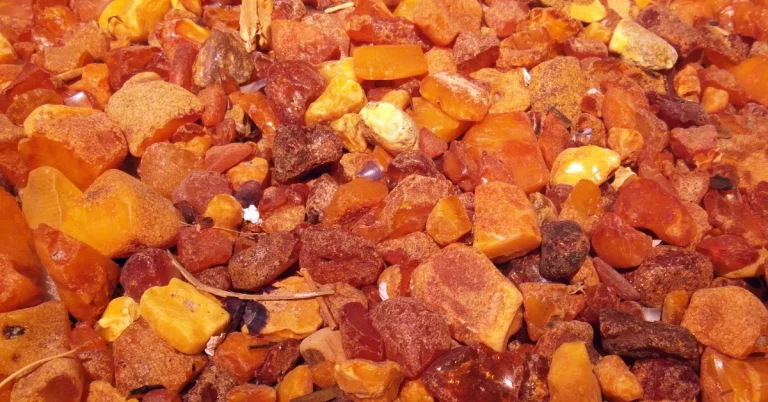
A dense sap-like character gives myrrh its unmistakable sense of depth and texture.
Its warmer side can feel rounded and softly sweet, especially beside vanilla, benzoin, or other balsamic notes.
Myrrh can suggest incense smoke or charred warmth without necessarily smelling sharply burnt.
A dry, grounded undertone keeps the note from becoming purely sweet or syrupy.
Subtle bitterness can add contrast to creamy woods, amber effects, fruit, and vanilla.
Some interpretations reveal a cool, austere, almost medicinal nuance that makes the resin feel more severe and mysterious.
Why myrrh can smell different from perfume to perfume
There is no single fixed “myrrh smell” in finished fragrance. The natural material itself can vary, and perfumers can also stylize the note by emphasizing only part of its resinous profile.
Natural material versus perfume accord
Natural myrrh begins as a gum-resin from Commiphora. Its aromatic character can be represented in perfumery through natural-derived material, but a fragrance can also create a recognizable myrrh effect without presenting the resin literally.
This is why two perfumes that both list myrrh may feel surprisingly different. One can be creamy and sweet, another dry and smoky, and another cool, woody, or medicinal.
What shifts the impression?
- Vanilla, tonka, and balsams can make myrrh feel smoother, sweeter, and more enveloping.
- Sandalwood, guaiac wood, and other woods can emphasize its dry, grounded character.
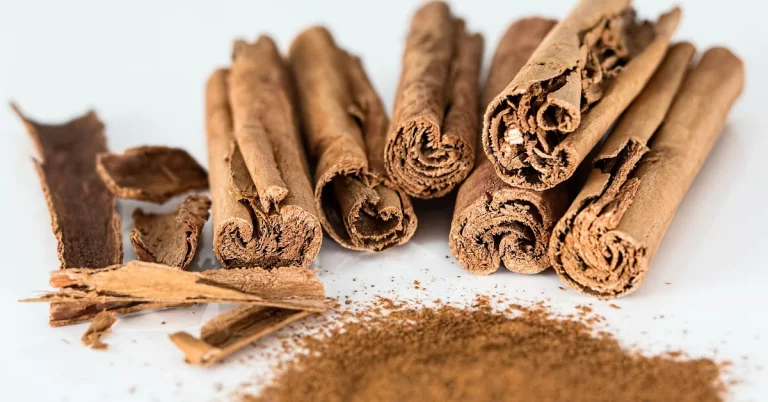
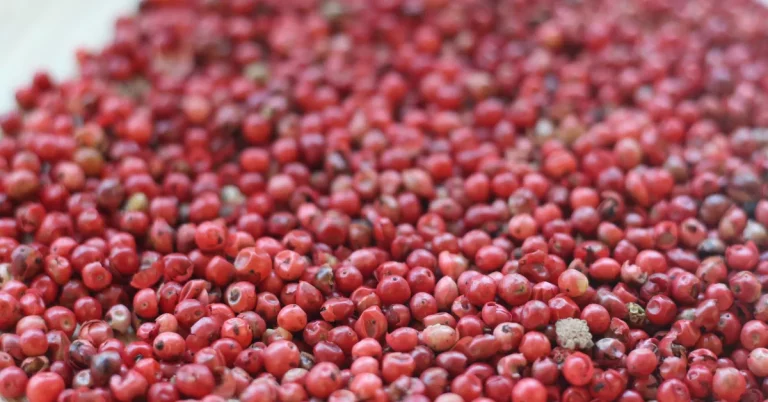
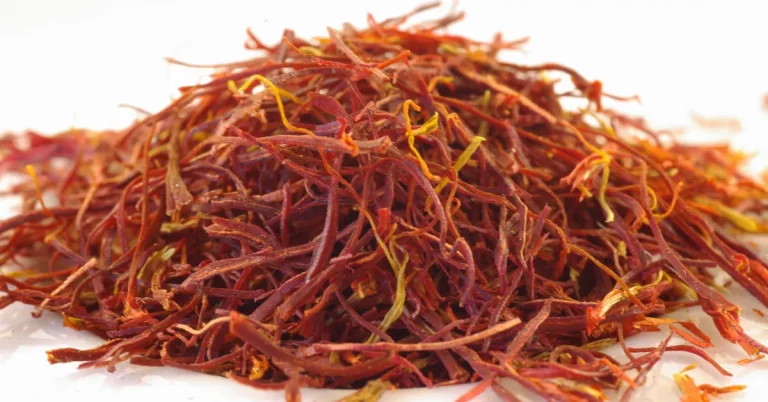
- Cinnamon, saffron, pepper, and aromatic spices can sharpen its warm resinous edge.
- Florals, iris, musk, or green notes can soften the darkness and make myrrh feel more polished or airy.
How myrrh works in a fragrance
Myrrh is useful when a composition needs warmth, shadow, or a resinous bridge between other materials. It can deepen sweet notes without turning purely gourmand, reinforce incense effects, or give woods and florals a darker foundation.
What pairs well with myrrh?
Myrrh is especially at home with warm woods, balsams, spice, vanilla, and incense, but floral and powdery notes can reveal a softer side of the resin.
Perfumes that show different sides of myrrh
These three fragrances place myrrh in very different surroundings: a warm cognac-and-spice composition, a leathered green-balsamic base, and an airy floral fragrance grounded by tea, musk, and resin.
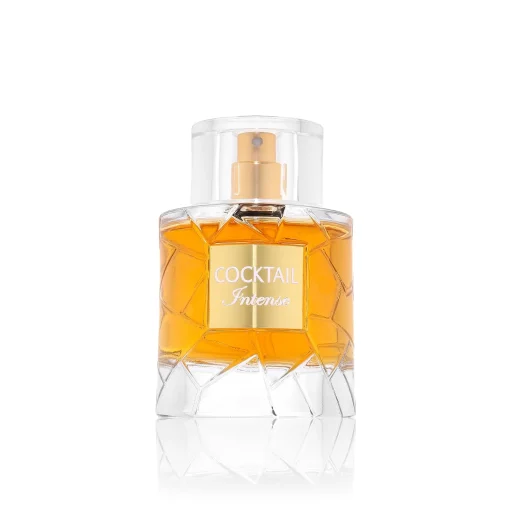
Cocktail Intense
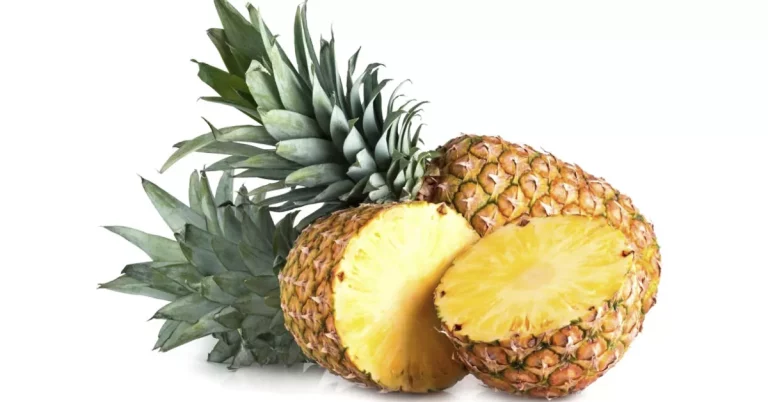
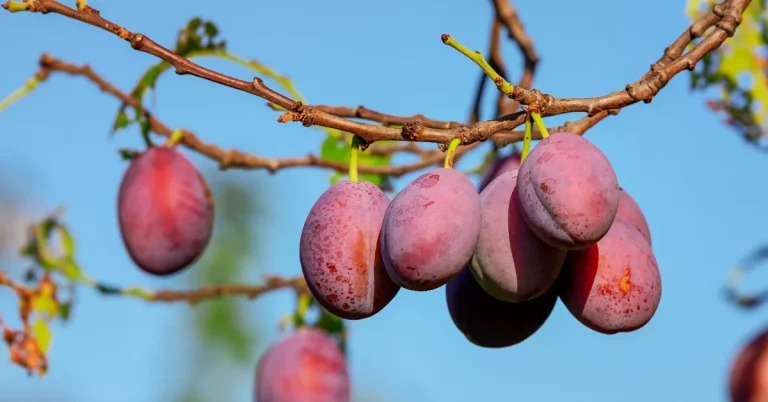
Myrrh sits in the heart with cashmeran and iris after an opening of cognac, cinnamon, and plum, then leads into a base of vanilla, tonka bean, and sandalwood.
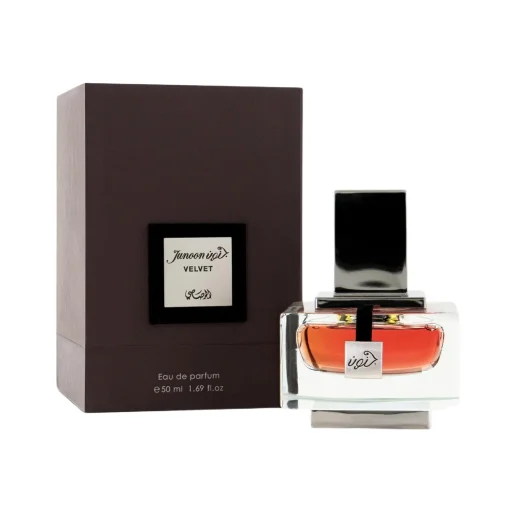
Junoon Velvet Pour Homme
Myrrh appears in a dense base of Tolu balsam, musk, vanilla, benzoin, and sandalwood beneath a green, powdery, resinous heart and a leathered opening.
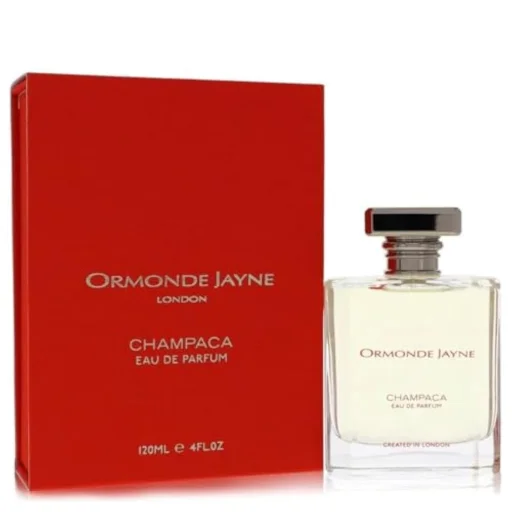
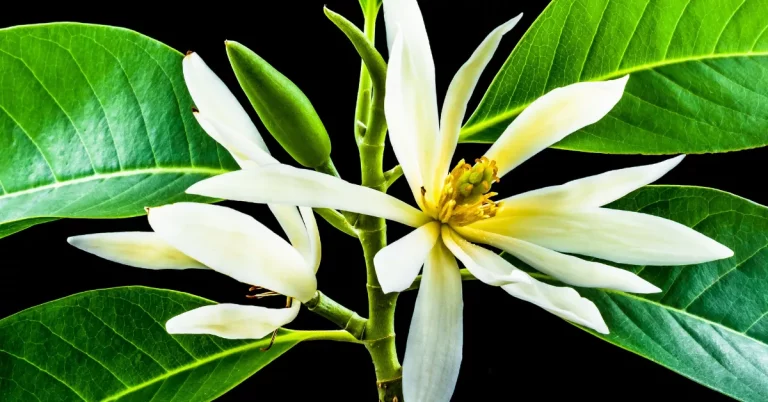
Champaca
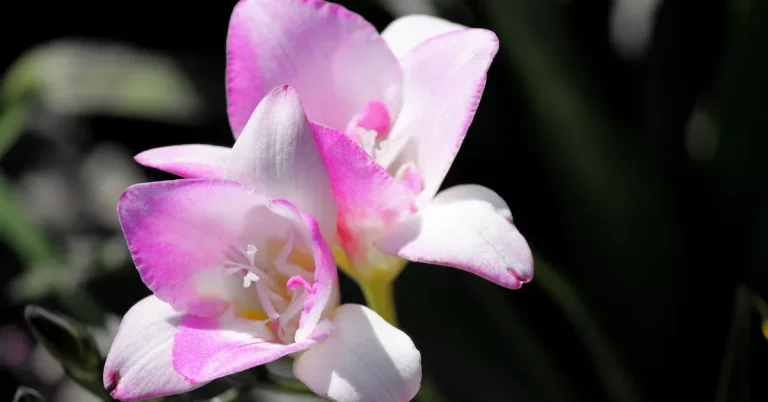
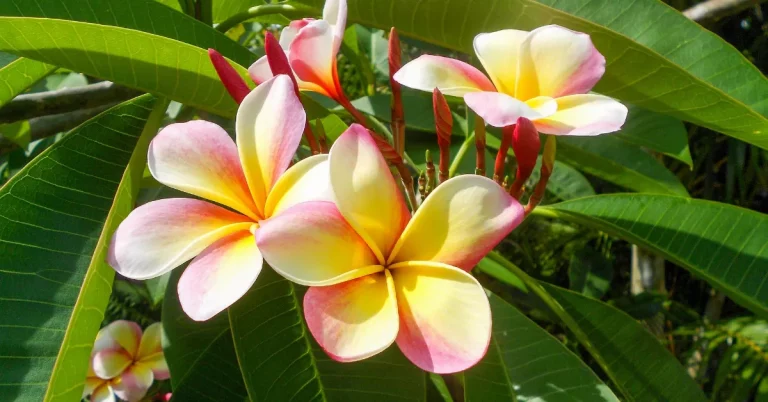
Here myrrh is part of the base beneath champaca, freesia, and rice, with green tea and musk giving the resin a lighter and more transparent setting.
Three ways myrrh can shape a perfume
Cocktail Intense
- Myrrh partners
- Cashmeran, iris, cinnamon, vanilla, tonka bean, sandalwood
- Surrounding character
- Warm, fruity-spiced, woody, powdery, and creamy
- Choose this direction if…
- You like myrrh softened by sweet spice, vanilla, and smooth woods.
Junoon Velvet Pour Homme
- Myrrh partners
- Tolu balsam, benzoin, vanilla, sandalwood, musk, labdanum
- Surrounding character
- Leathered, green, balsamic, powdery, and woody
- Choose this direction if…
- You prefer myrrh in a darker resin blend with green aromatics and leather.
Champaca
- Myrrh partners
- Green tea, musk, champaca, freesia, rice
- Surrounding character
- Floral, soft, green, airy, and gently resinous
- Choose this direction if…
- You want myrrh as a subtle grounding note beneath lighter florals and tea.
Myrrh perfume FAQ
What does myrrh smell like in perfume?
Myrrh usually smells warm, resinous, balsamic, earthy, and slightly smoky, often with a dry or bittersweet edge. Some interpretations can also feel medicinal, woody, or softly sweet.
Does a myrrh note mean a perfume contains natural myrrh resin?
No. A perfume note describes the scent impression. The formula may use natural myrrh material, reconstructed facets, or an accord designed to suggest myrrh without functioning as a literal ingredient list.
Is myrrh the same as frankincense?
No. Both are aromatic gum-resins associated with incense traditions, but they come from different botanical genera and have different scent profiles. Myrrh is commonly perceived as darker, warmer, more balsamic, and more bitter, while frankincense often feels brighter, drier, and more airy or mineral.
Is myrrh sweet?
It can be, but sweetness is only one facet. Myrrh often carries dry, bitter, earthy, smoky, or medicinal nuances that keep it from smelling like a simple sweet balsam.
Is myrrh usually a base note?
Myrrh often appears in the deeper part of a fragrance because its resinous character works naturally with woods, balsams, amber effects, and musks. It can also appear in a heart accord, as Cocktail Intense shows.
What makes myrrh smell softer in perfume?
Vanilla, tonka bean, benzoin, sandalwood, musk, iris, and gentle florals can round its bitter or smoky edges. Green, leathery, spicy, or incense-like partners tend to emphasize a drier and darker side.
Myrrh brings warmth, shadow, and resinous texture
Myrrh can make a perfume feel ancient and incense-like, smooth and balsamic, dry and woody, or unexpectedly soft beneath flowers and musk. Its character depends less on a single fixed smell than on what the perfumer chooses to reveal around it.