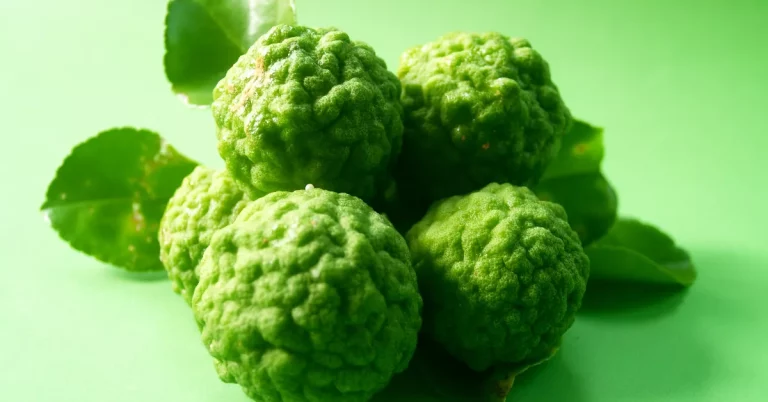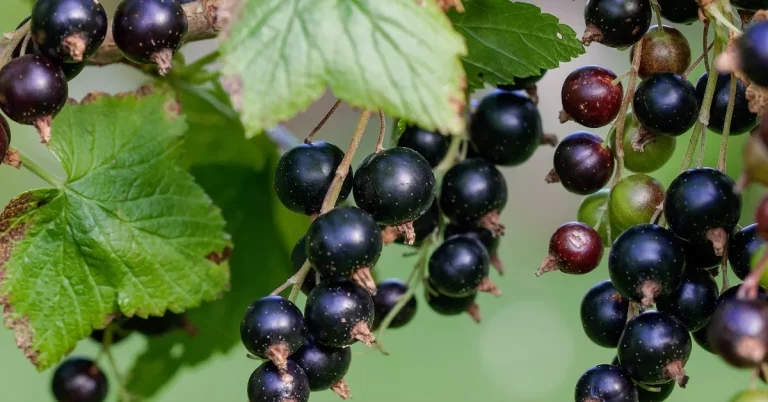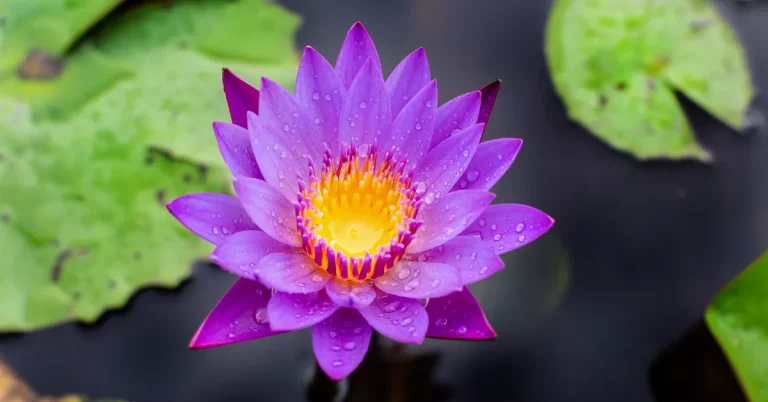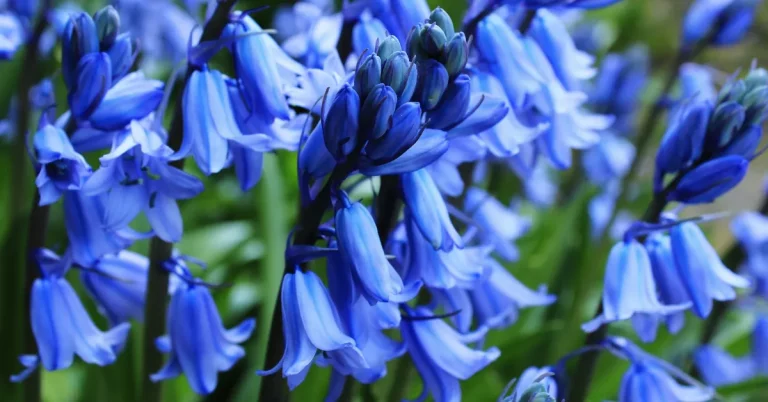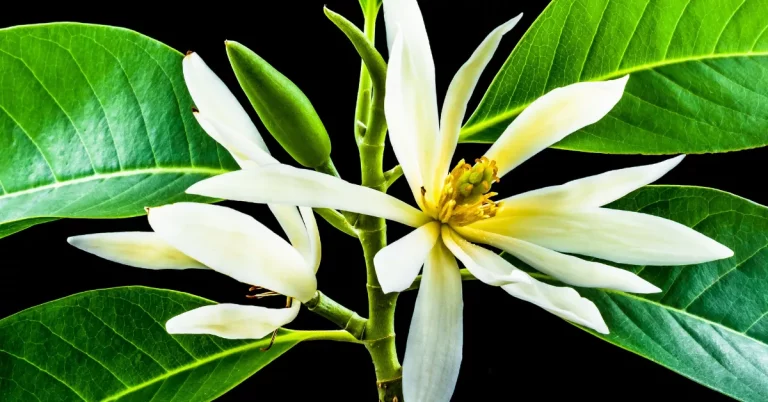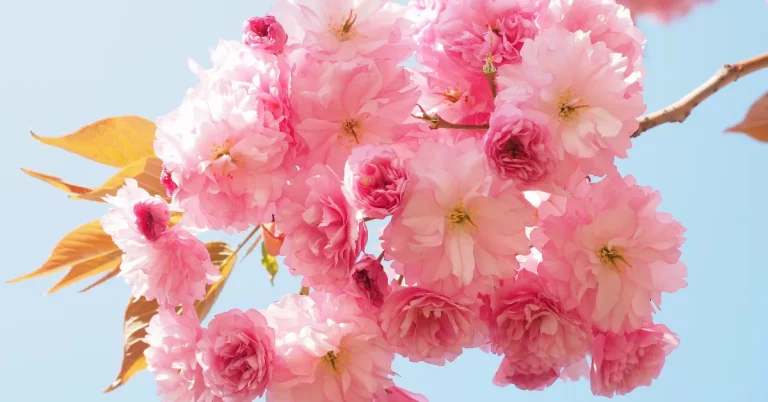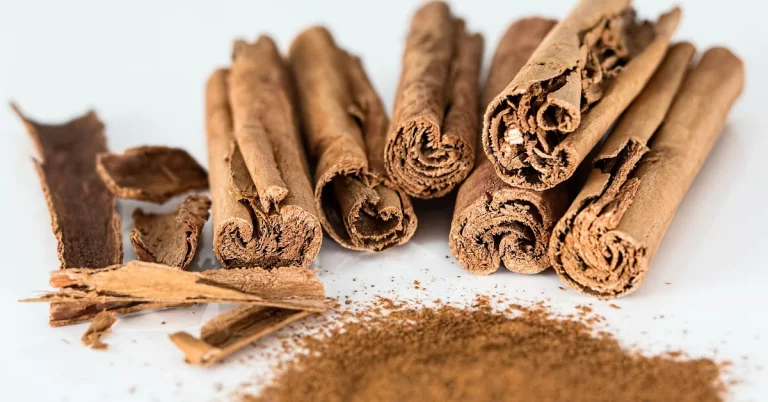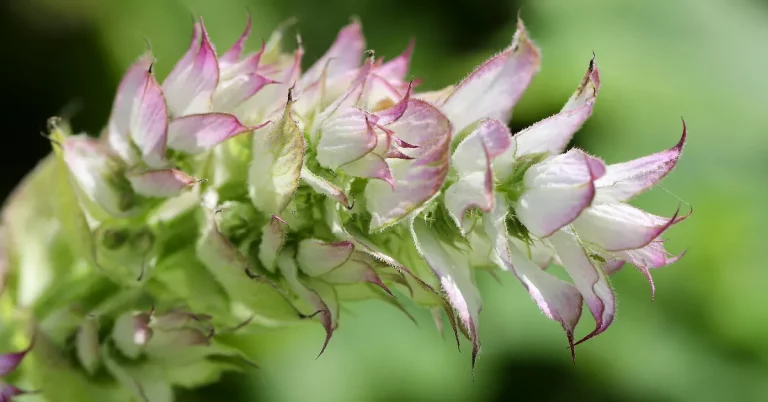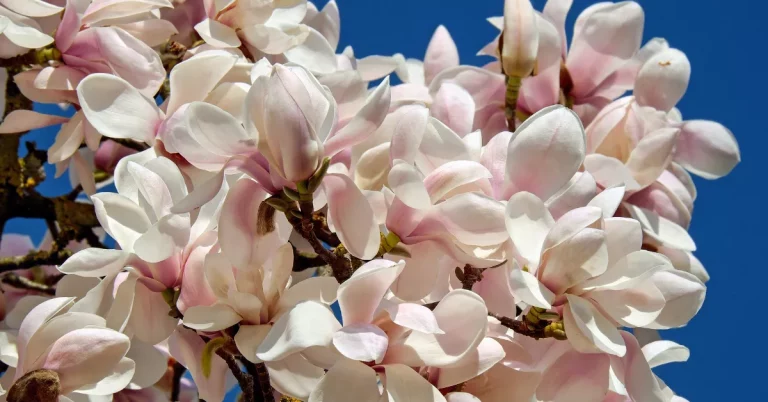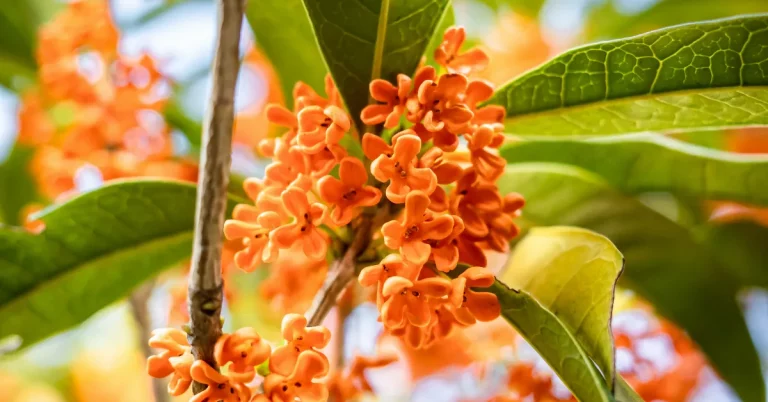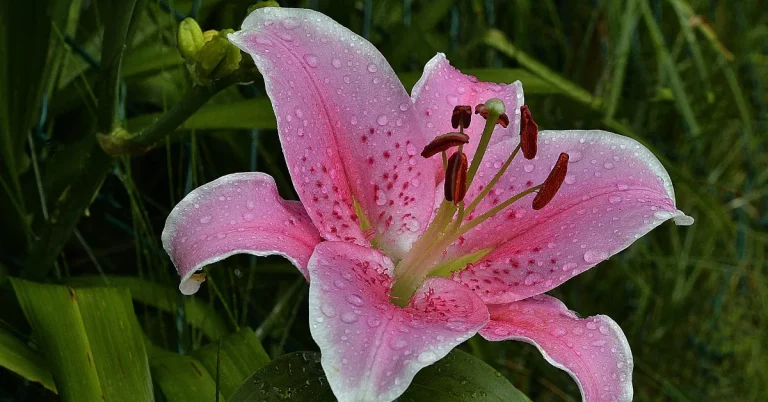
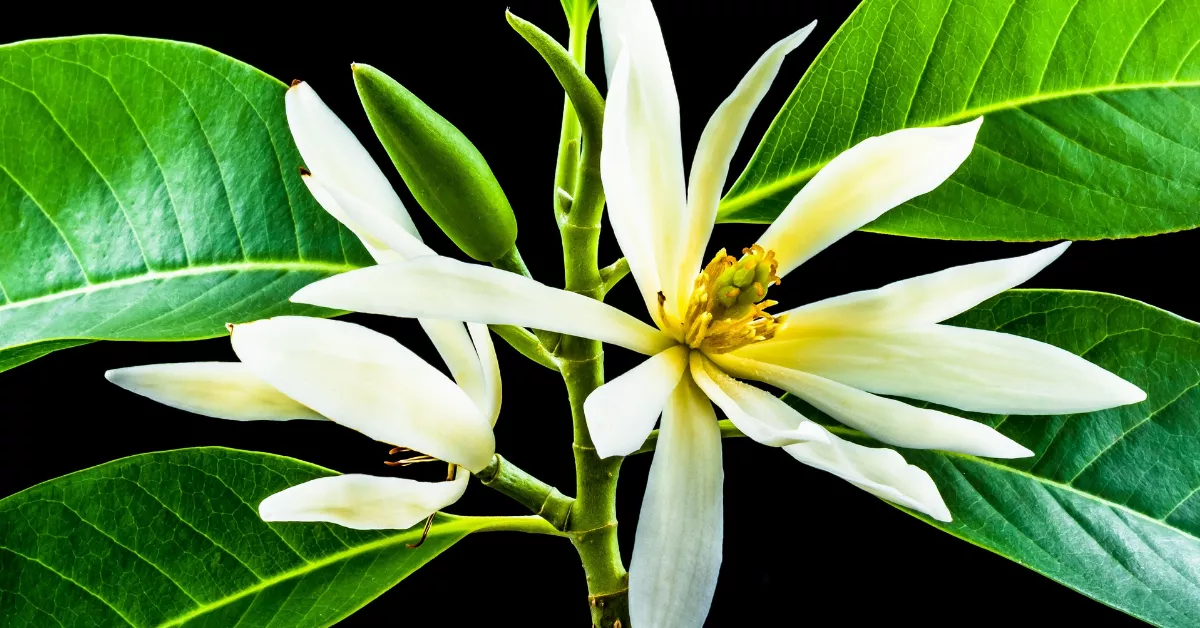
Champaca is a richly fragrant flower from Magnolia champaca, a tropical tree in the magnolia family. In perfume, the name can refer to the character of the flower, a natural champaca extract, or an accord built to suggest its warm, sweet, creamy floral scent.
What is Champaca?
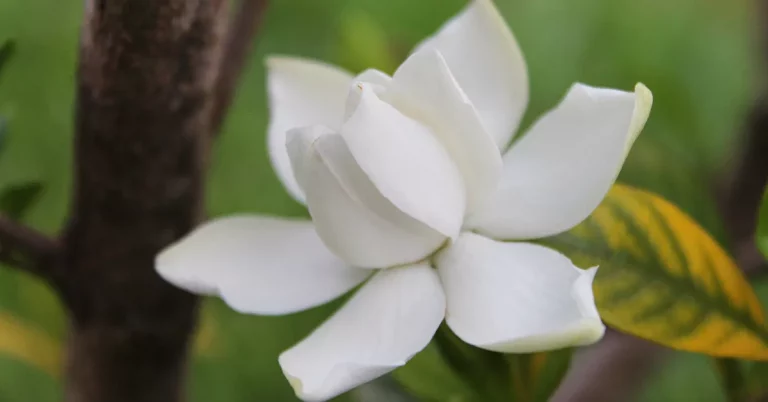
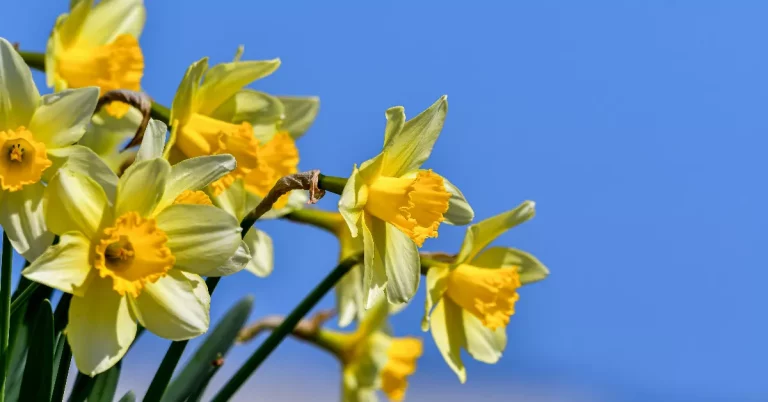
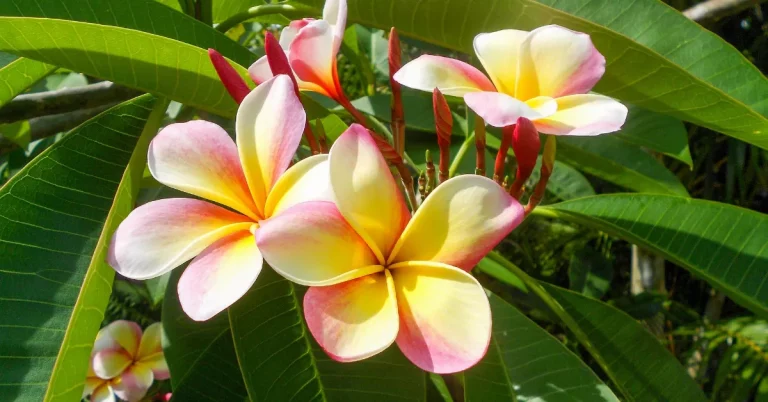
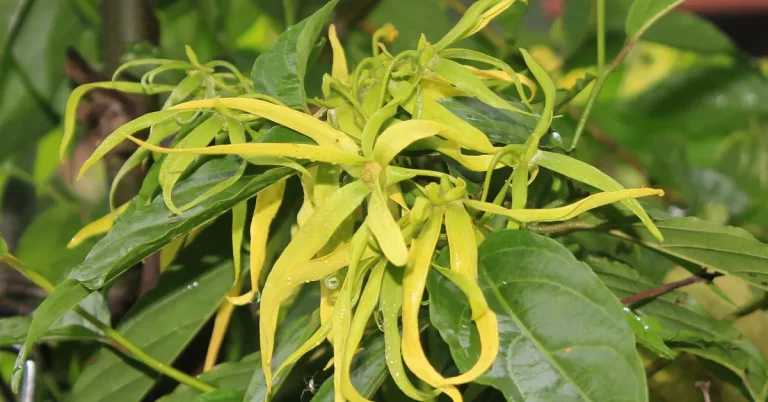
Champaca comes from Magnolia champaca, also widely known by its older botanical name Michelia champaca. The species is native across parts of South and Southeast Asia and grows as a tropical tree with highly fragrant flowers.
A magnolia with a perfume all its own
Although champaca belongs to the magnolia family, its perfume profile is usually described as denser and more tropical than the airy floral image many people associate with garden magnolias.
Natural champaca material can be used in fine fragrance, but a perfume that lists “champaca” as a note may instead use a constructed accord. A note list describes the intended scent impression, not necessarily the literal raw materials in the formula.
What does Champaca smell like?
Champaca is a full-bodied floral rather than a crisp, watery blossom. Its character can move between honeyed sweetness, creamy petals, orange-flower-like brightness, soft powder, gentle spice, and a warm woody undertone.
The central impression is lush and distinctly floral, with a rounded, enveloping quality.
A golden sweetness can make champaca feel nectar-rich rather than sugary or candied.
The floral body often feels smooth and dense, helping it blend naturally into sandalwood, musk, and other soft bases.
Some expressions suggest the brightness of orange blossom or neroli without becoming a simple citrus note.
A soft, petal-like powderiness can appear around the richer floral core.
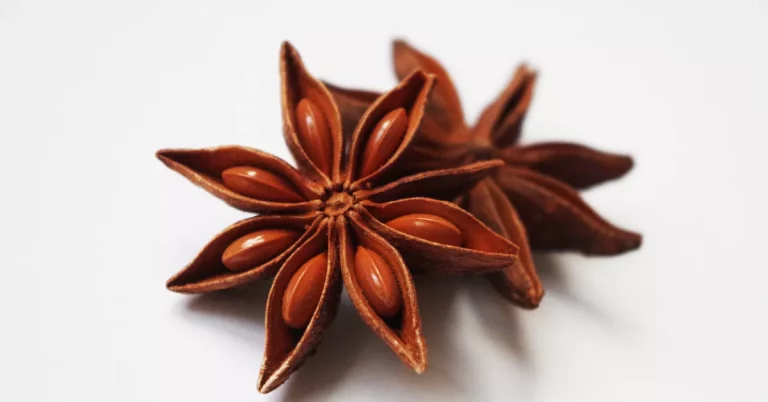
Depending on the material and composition, champaca can show subtle spicy or woody shadows beneath the flower.
From champaca flower to perfume note
Perfumery can approach champaca either as a natural floral material or as an olfactory idea. That distinction matters when reading ingredient lists and perfume note pyramids.
Natural material
Champaca flowers can be processed by solvent extraction to produce an absolute for perfumery. The resulting material concentrates the flower’s rich aromatic character and is used as one component within a larger formula.
Natural extracts are complex materials rather than single aroma molecules. Their perceived scent can shift with the source material, processing, storage, dilution, and the other ingredients around them.
Champaca as a listed note
- A note pyramid communicates how a perfume is meant to smell; it is not a complete formula.
- “Champaca” may represent natural champaca, a reconstructed accord, or a combination of materials.
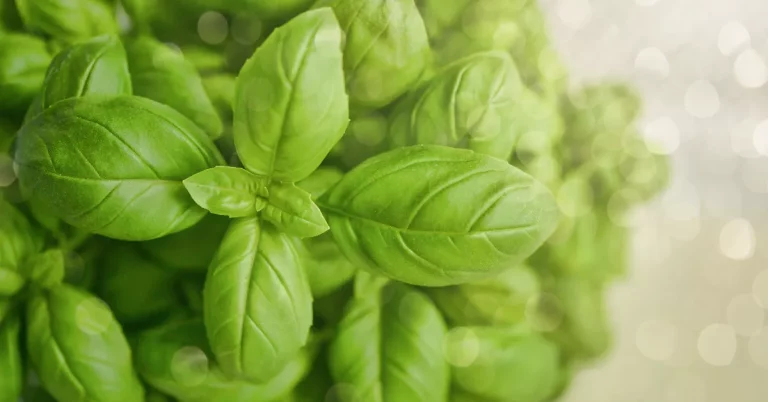
- Bright citrus and green notes can make it feel fresher and more transparent.
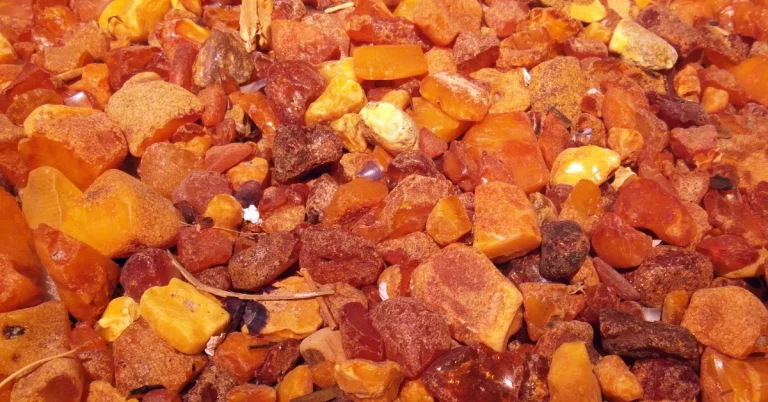
- Vanilla, woods, resins, musk, and amber materials can emphasize its warm, creamy depth.
How Champaca works in a fragrance
Champaca is especially useful when a perfumer wants a floral heart with more warmth and density than a simple fresh-petal effect. It can connect luminous top notes to musky, woody, ambery, or resinous bases without losing its floral identity.
What pairs well with Champaca?
Champaca is flexible enough to sit inside bright florals, creamy woods, resinous ambers, and fruitier compositions. These pairings either echo its floral richness or create contrast around it.
Perfumes that show different sides of Champaca
These fragrances place champaca in very different surroundings, from bamboo, rice, and green tea to jasmine, spice, tropical fruit, woods, and solar florals.
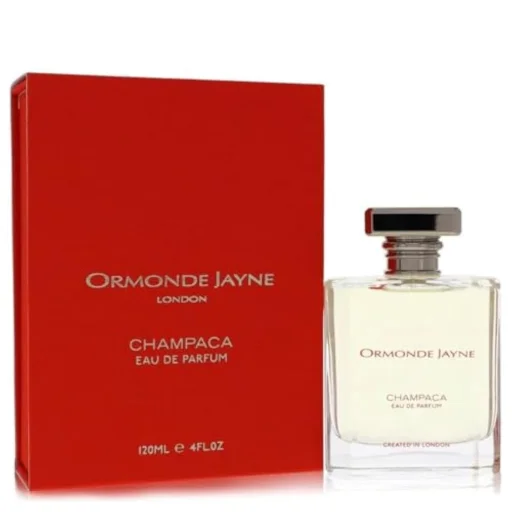
Champaca
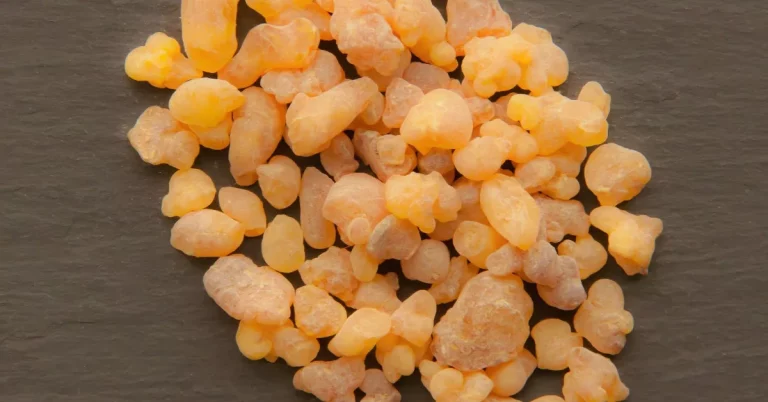
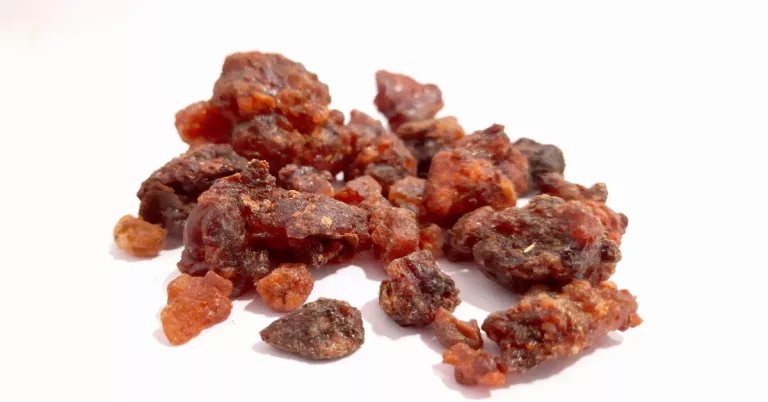
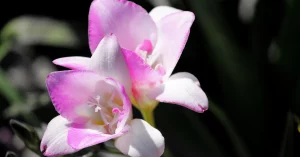
Champaca sits at the center of an unusual floral composition framed by bamboo, neroli, pink pepper, freesia, rice, green tea, musk, and myrrh.
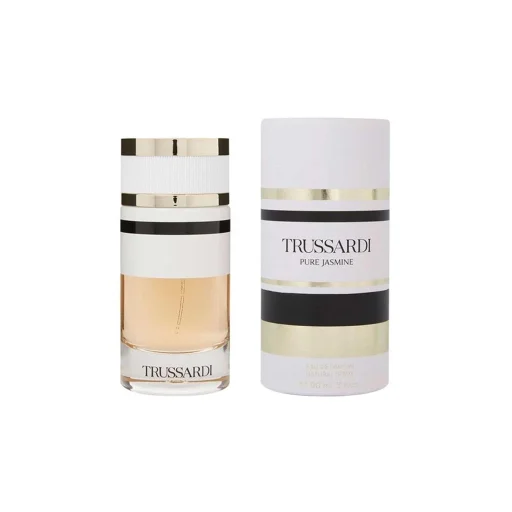
Pure Jasmine
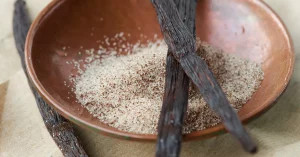
Here champaca shares the floral heart with jasmine and Mugane, above a sweet, woody base of vanilla, sandalwood, and patchouli.
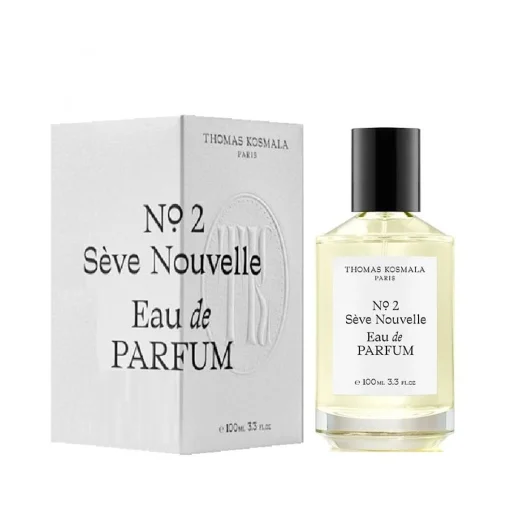
No. 2 Sève Nouvelle
Champaca appears inside a warm spicy and woody composition with saffron, peppers, tonka bean, patchouli, labdanum, and amber woods.
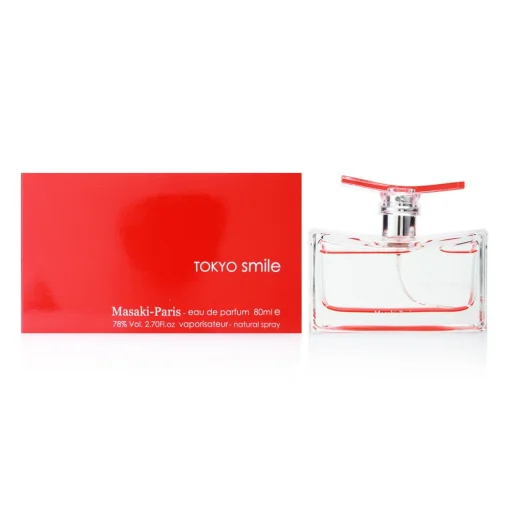
Tokyo Smile
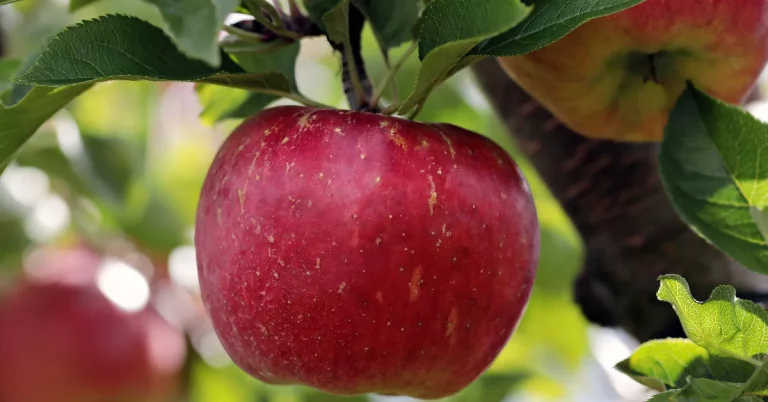
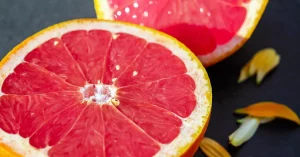
Champaca is surrounded by bright tropical fruit and citrus before the composition narrows into a floral heart and a simple musky base.
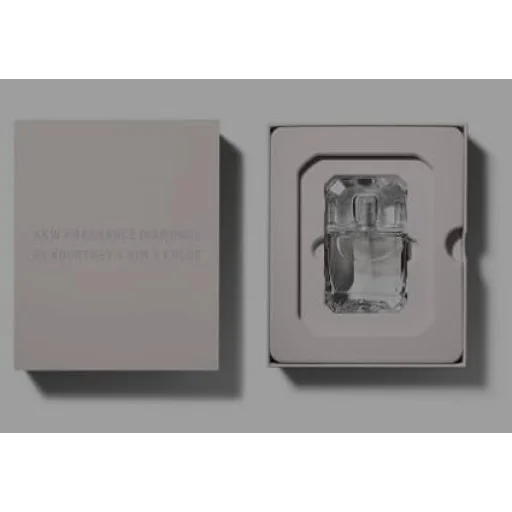
Diamond Kim
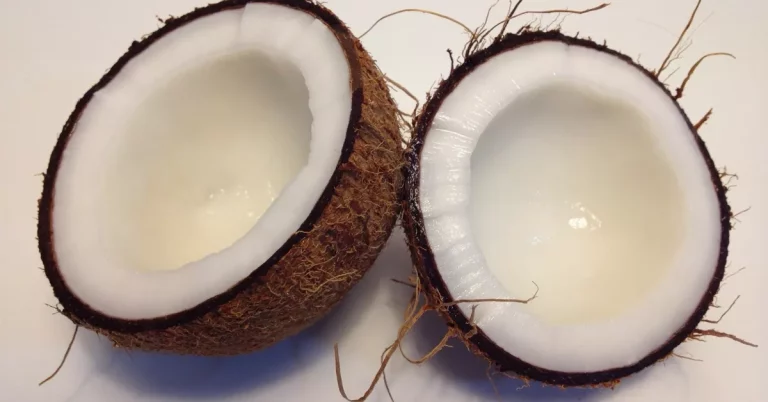
Champaca joins orange blossom and ylang-ylang in a yellow-and-white floral heart, with green, spicy, sweet, musky, solar, and coconut-milk accents around it.
Five ways to wear Champaca
Ormonde Jayne Champaca
- Champaca partners
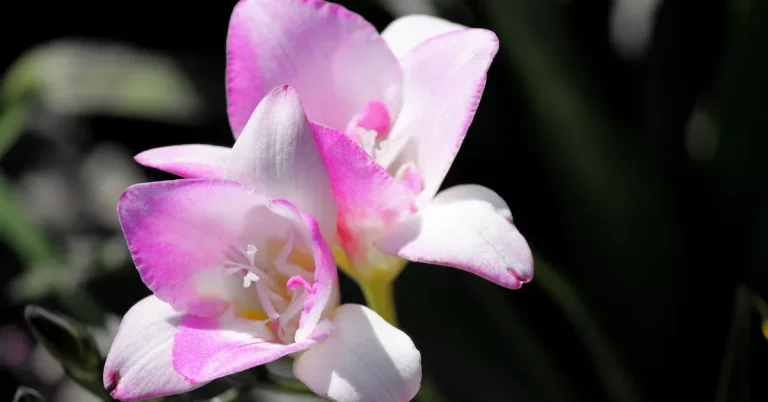
- Freesia, bamboo, neroli, rice, green tea, musk, myrrh
- Surrounding character
- Green, airy, softly musky and quietly resinous
- Choose this direction if…
- You want champaca framed by transparent greens and unusual soft-textured notes rather than heavy sweetness.
Trussardi Pure Jasmine
- Champaca partners
- Jasmine, neroli, bergamot, vanilla, sandalwood, patchouli
- Surrounding character
- Floral, creamy, sweet and woody
- Choose this direction if…
- You like champaca as part of a polished jasmine-centered floral with a warm vanilla-wood base.
Thomas Kosmala No. 2 Sève Nouvelle
- Champaca partners
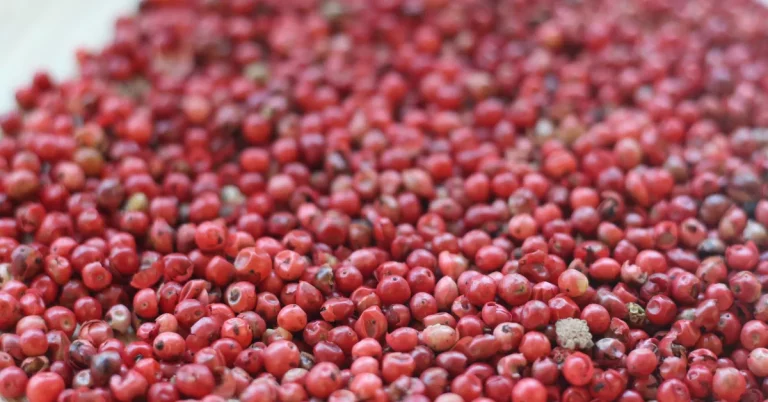
- Saffron, pink pepper, tonka bean, patchouli, labdanum, amberwood
- Surrounding character
- Spicy, woody, ambery and darker
- Choose this direction if…
- You want the flower embedded in spice and warm woods rather than presented as a purely floral bouquet.
Masaki Matsushima Tokyo Smile
- Champaca partners
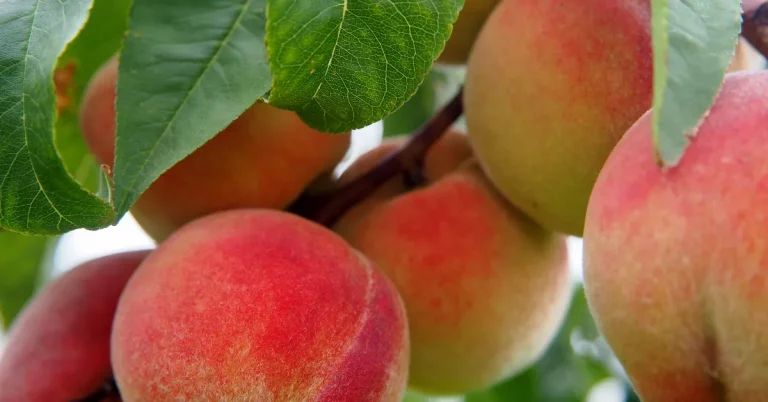
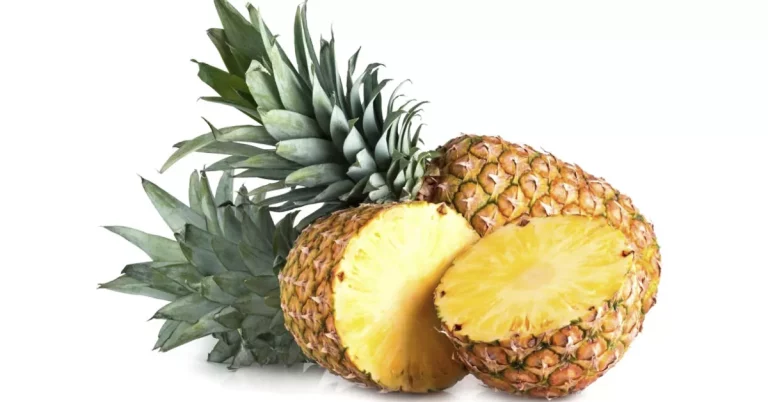
- Peach blossom, rose, passionfruit, peach, grapefruit, yuzu
- Surrounding character
- Fruity, citrusy, bright and floral
- Choose this direction if…
- You prefer a cheerful, fruit-bright interpretation where champaca is softened by rose and peach blossom.
KKW Fragrance Diamond Kim
- Champaca partners
- Orange blossom, ylang-ylang, coconut milk, white musk, solar notes
- Surrounding character
- Lush, creamy, radiant and tropical
- Choose this direction if…
- You like champaca surrounded by other full florals with creamy musk and sunlit tropical softness.
Champaca perfume FAQ
Is champaca a type of magnolia?
Yes. The accepted botanical name is Magnolia champaca, in the Magnoliaceae family. You may also see the older name Michelia champaca, which remains common in fragrance and botanical references.
What does champaca smell like in perfume?
It is generally a warm, rich floral with honeyed, creamy, sweet, softly powdery, and sometimes gently spicy or woody facets. The balance changes from fragrance to fragrance.
Is champaca the same as magnolia in perfume?
No. Champaca belongs to the magnolia family, but “magnolia” and “champaca” are usually treated as distinct perfume notes. Champaca is typically used to suggest a denser, warmer, more tropical floral profile.
Does a champaca note mean the perfume contains natural champaca absolute?
Not necessarily. A perfume note describes an olfactory impression. The effect may come from natural champaca material, a reconstructed accord, or a combination of ingredients.
Why can champaca smell different from one perfume to another?
The perfumer can emphasize different facets through dosage and surrounding notes. Citrus and greens can brighten it, jasmine and ylang-ylang can make it more floral, and vanilla, musk, woods, resins, or amber materials can deepen its warm side.
Is champaca usually a top, heart, or base note?
It is commonly presented as part of the heart of a fragrance because of its floral character, although the way it is constructed can allow its impression to connect the opening with the deeper woody, musky, or ambery drydown.
A golden floral with many directions
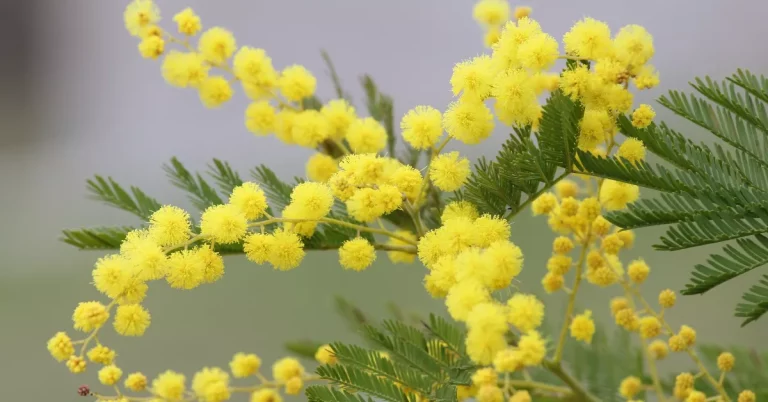
Champaca can feel luminous and green, creamy and floral, fruit-bright, or darkened by spice and woods. Its appeal in perfumery comes from that flexibility: the same floral idea can bridge delicate blossoms, tropical richness, soft musk, glowing amber, and polished woods depending on what surrounds it.