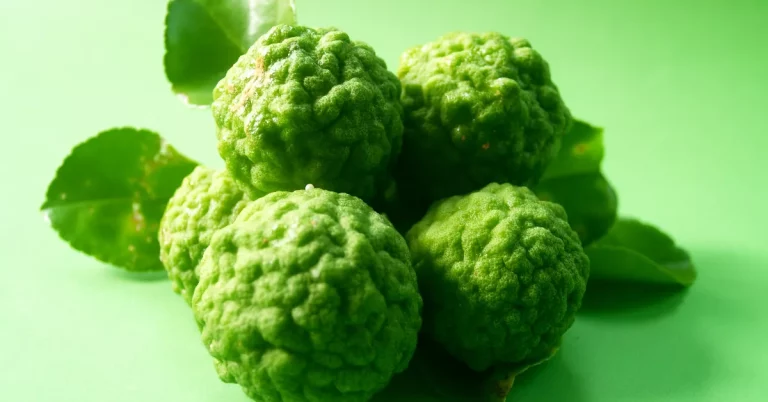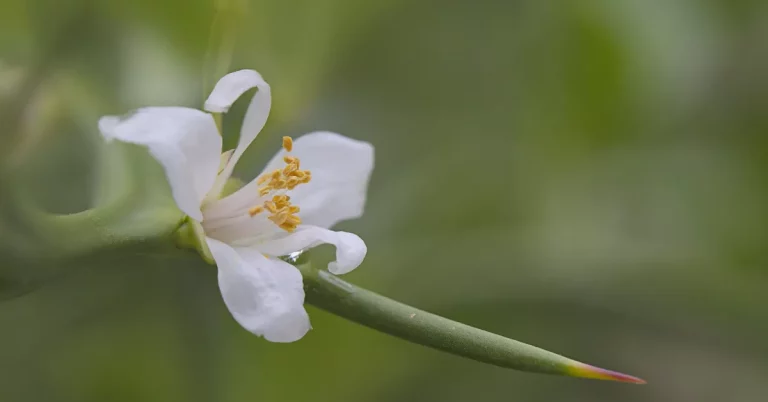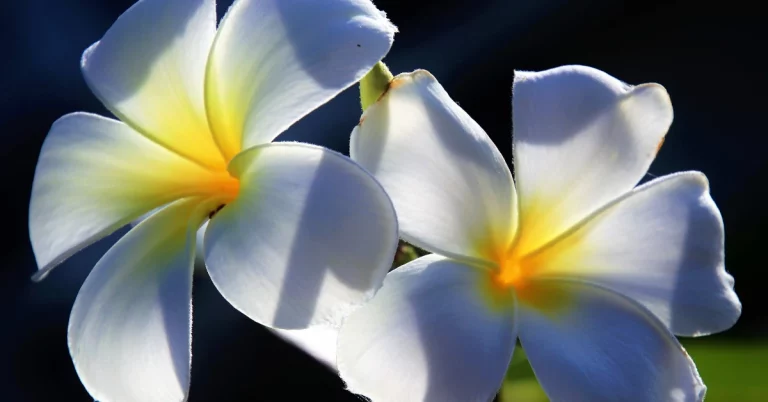
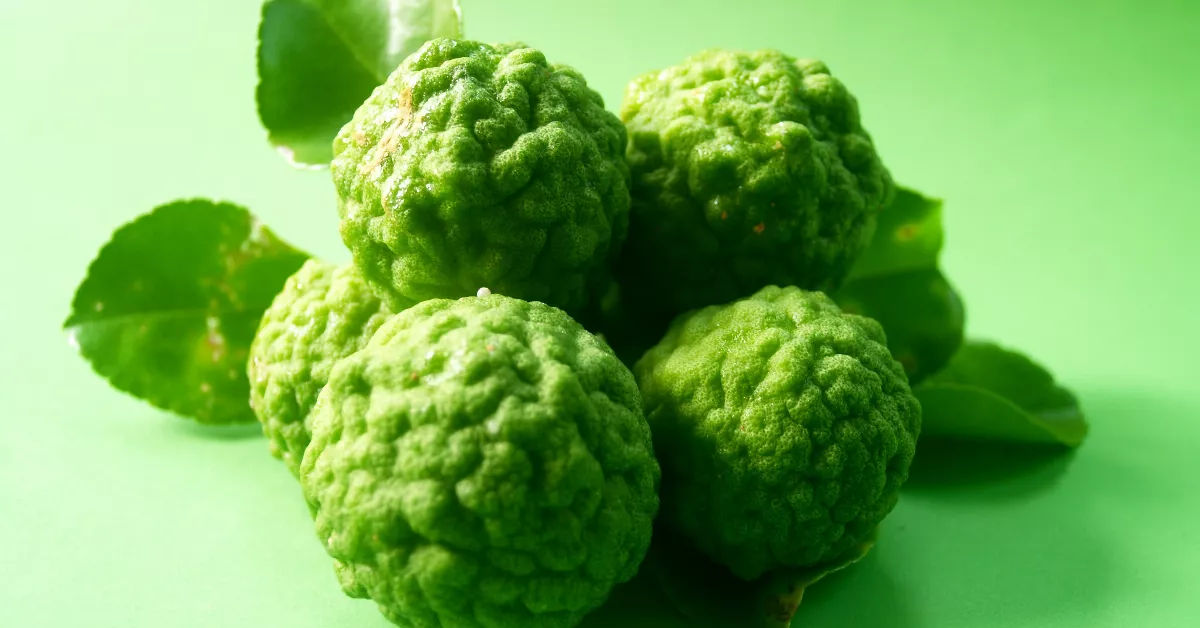
Bergamot is one of perfumery’s most recognizable citrus notes: bright, peel-like, aromatic, gently floral, and often touched by green or bitter nuances. Natural bergamot oil is obtained from the rind of the bergamot fruit, but a listed bergamot note can also be created or reinforced with other fragrance materials. In a finished perfume, it is especially useful for adding lift and connecting sparkling citrus openings with florals, herbs, spices, woods, and warmer notes.
What is bergamot?
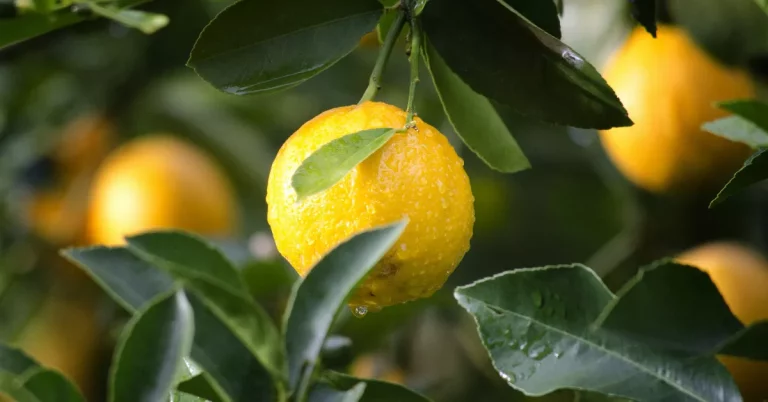
Bergamot is a fragrant citrus fruit commonly identified botanically as Citrus bergamia. It is closely associated with southern Italy, especially Calabria, and its aromatic peel is the source of the natural essential oil used in fragrance and flavoring.
A citrus fruit, a perfume material, and a scent idea
Natural bergamot essential oil is typically produced from the fruit peel by mechanical expression or cold pressing. The resulting material is valued for a citrus character that is more complex than a simple lemon or sweet-orange impression, with aromatic, green, softly floral, and bitter facets.
A perfume that lists “bergamot” does not necessarily contain literal bergamot essential oil. The note describes the smell or role presented by the fragrance, and perfumers may use natural bergamot material, other aroma materials, or a combination of both.
What does bergamot smell like?
Bergamot smells unmistakably citrusy, yet it often feels softer, greener, and more perfumed than a straightforward lemon note. Depending on the material and the surrounding composition, it can suggest freshly cut peel, leafy freshness, a mild floral softness, aromatic herbs, or a refined bitter edge.
A sparkling citrus core gives bergamot its immediate freshness and makes it easy to notice near the opening of a fragrance.
The peel-like character can feel lively and textured, closer to fragrant rind than to sugary fruit juice.
Leafy or slightly grassy nuances can keep the citrus effect crisp rather than purely sweet.
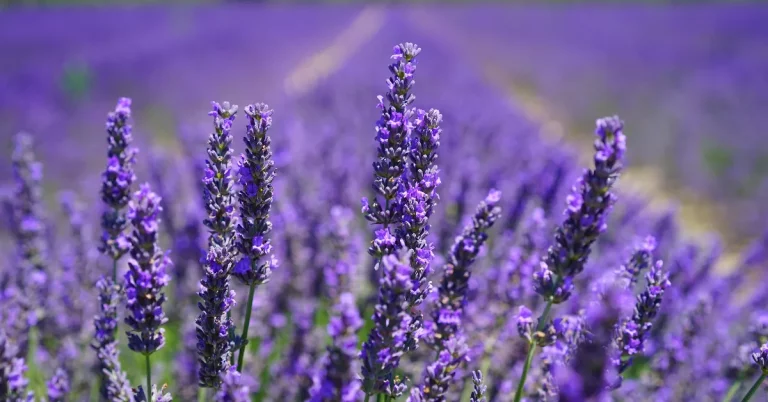
A gentle floral softness helps bergamot blend smoothly into lavender, jasmine, rose, and other aromatic or floral notes.
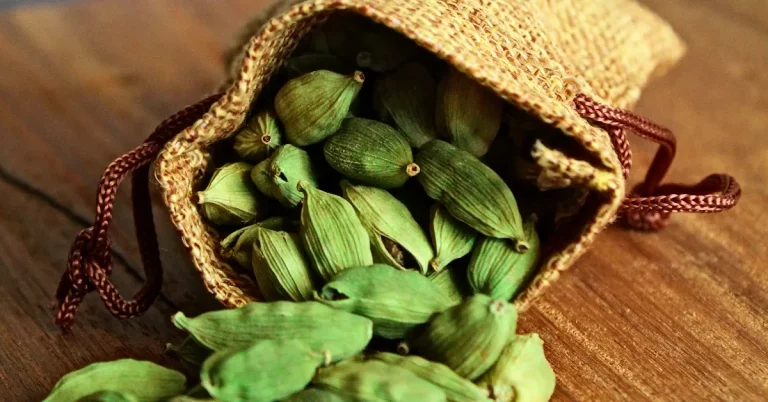
Herbal and tea-like impressions may emerge beside lavender, sage, mint, cardamom, or other fresh aromatic materials.
A restrained bitter edge can make bergamot feel drier and more sophisticated than a candy-like citrus accord.
Why can bergamot smell different from fragrance to fragrance?
Natural citrus materials are not perfectly uniform, and a perfume note is broader than any one raw material. Origin, growing conditions, fruit maturity, processing, storage, and later treatment of the oil can all influence natural material, while a perfumer can also reshape the bergamot effect through the rest of the formula.
From peel to perfume
Bergamot essential oil is obtained from the outer peel, where the fruit’s aromatic oil is concentrated. Expressed citrus oils preserve a vivid peel character, but the exact balance of freshness, greenery, bitterness, and floral softness can vary from one material to another.
Once bergamot enters a finished fragrance, its perception changes again. A composition may emphasize a crisp citrus flash, a green aromatic bridge, a softer floral effect, or just enough brightness to keep darker woods, amber, vanilla, or spice from feeling too dense.
What changes the effect?
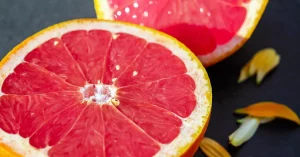
- Lemon, grapefruit, or mandarin can make bergamot feel brighter, sharper, and more overtly citrusy.
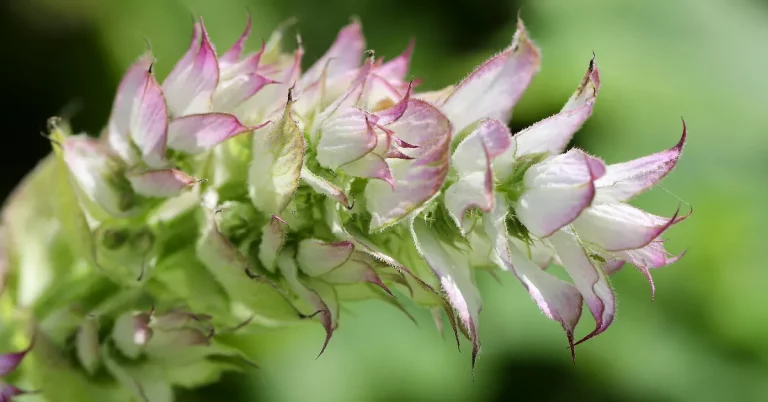
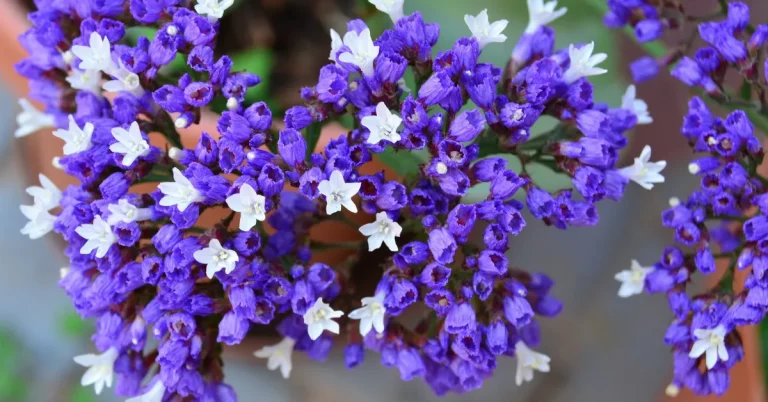
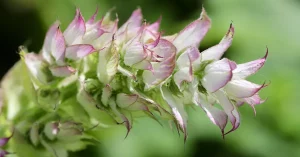
- Lavender, clary sage, mint, or cardamom can emphasize its fresh aromatic and herbal side.
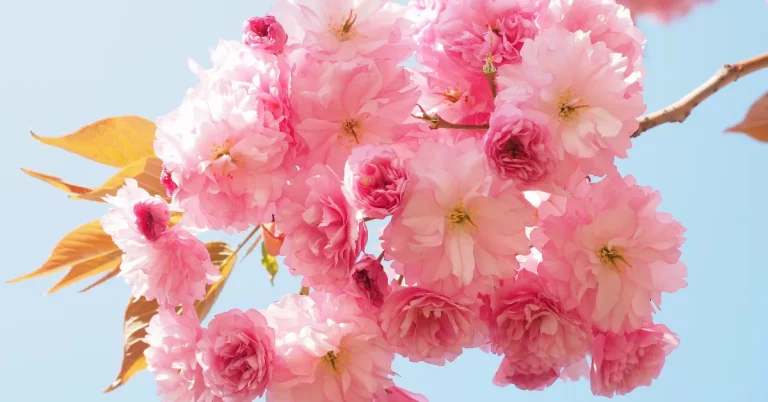
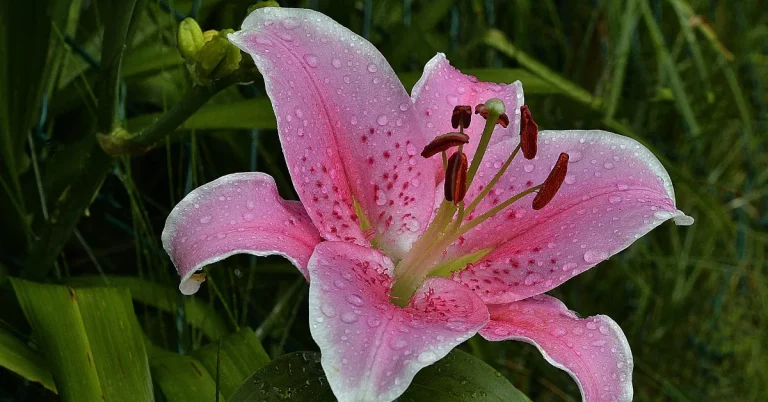
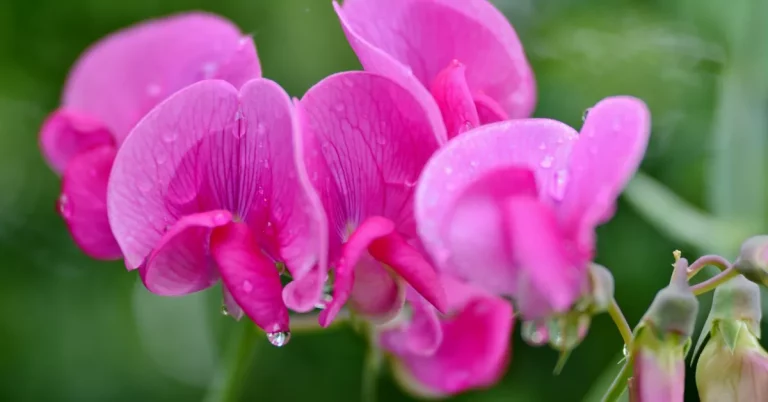
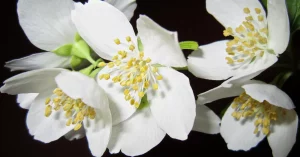
- Jasmine and rose can draw out bergamot’s softer floral character and create a smoother transition into the heart.
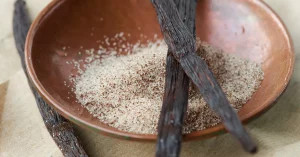
- Vanilla, amber, cedar, patchouli, sandalwood, or vetiver can turn a sparkling opening into a warmer, deeper drydown.
How bergamot works in a fragrance
Bergamot is most often associated with the opening of a perfume, but its usefulness goes beyond giving the first spray a citrus burst. Its aromatic and gently floral facets allow it to connect very different fragrance families without feeling abrupt.
What pairs well with bergamot?
Bergamot is remarkably flexible. Other citrus notes can amplify its sparkle, aromatic herbs can make it greener and crisper, florals can bring out its softer side, and warm notes can use its brightness as a clean contrast.



Five perfumes that show different sides of bergamot
These supplied fragrances place bergamot beside mint, fruit, florals, spice, vanilla, amber, woods, and aromatic herbs. Together they show how the same citrus note can read cool and fresh, fruity and polished, spicy, floral, or warm and woody depending on what surrounds it.
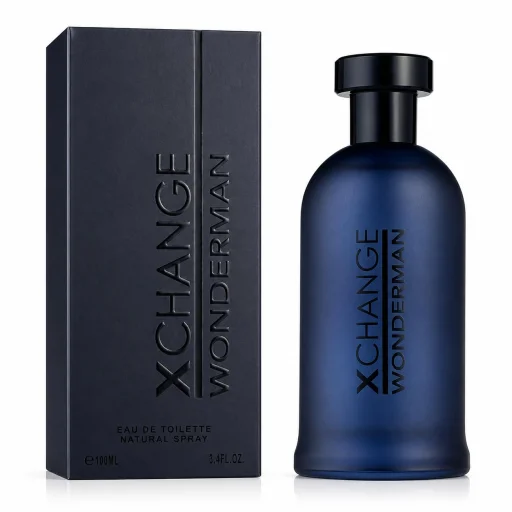
Xchange Wonderman
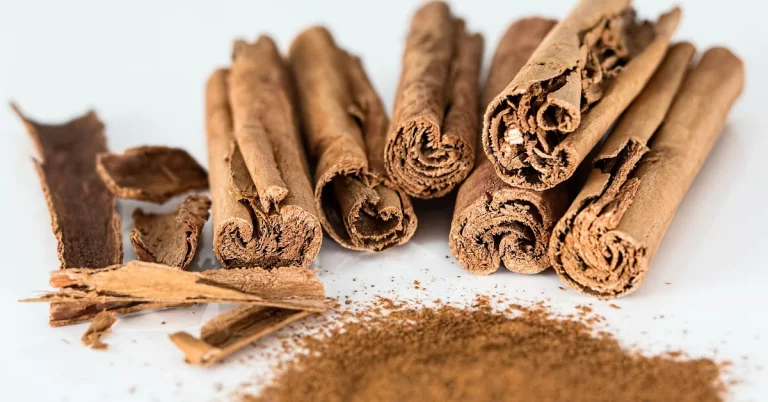
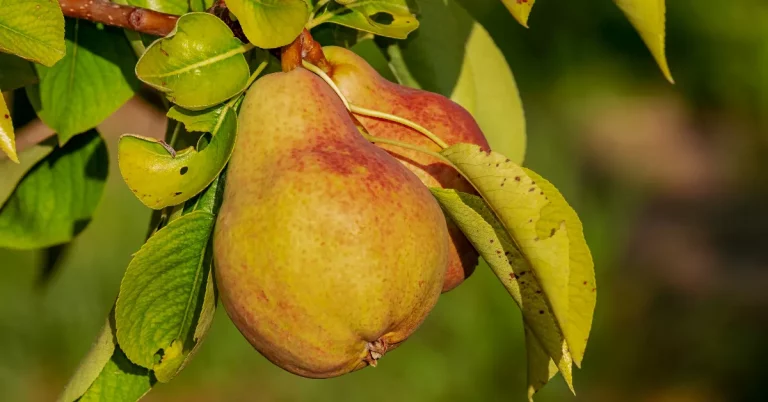
Xchange Wonderman opens with bergamot alongside pear, lavender, mint, and lemon before shifting into a spicy heart of cinnamon, sage, and coriander. Vanilla, patchouli, ambergris, and cedar give the base a warmer frame.
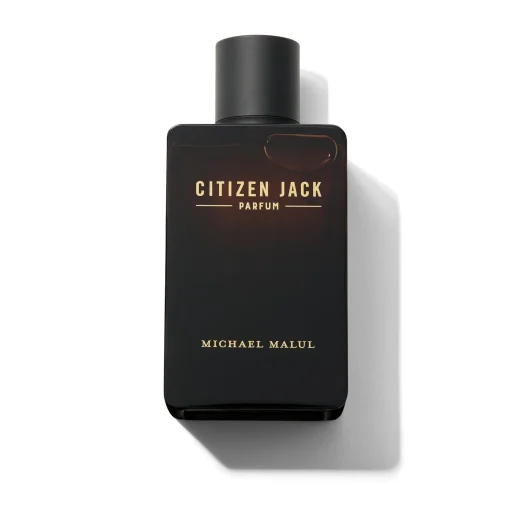
Citizen Jack Parfum
Citizen Jack Parfum places bergamot in a watery-fruity opening with melon, water lily, and mandarin leaf. The composition then warms through vanilla, amberwood, clary sage, and violet leaf before settling into sandalwood, tonka, vetiver, and musk.
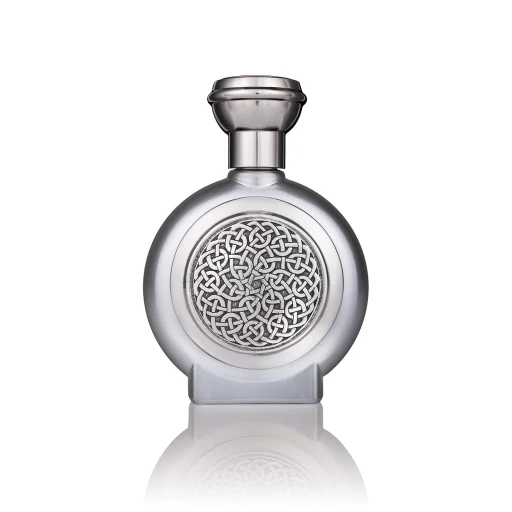
Lavish
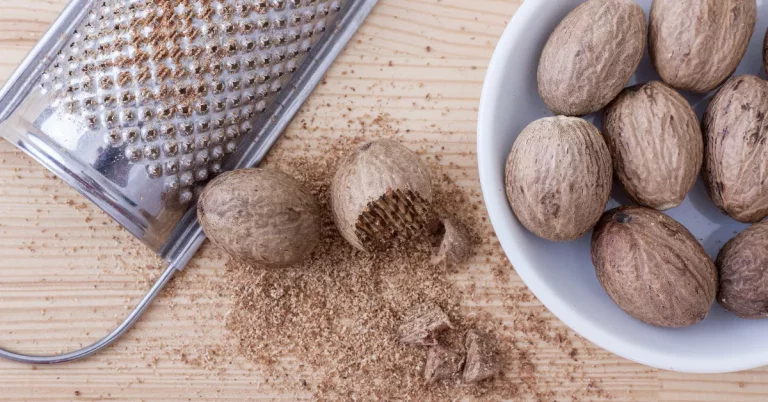
Lavish uses a concise citrus opening of lemon and bergamot, followed by orange, rose, and nutmeg. Vetiver, sandalwood, cedar, and amber give the fragrance a woody, earthy, and warm foundation.
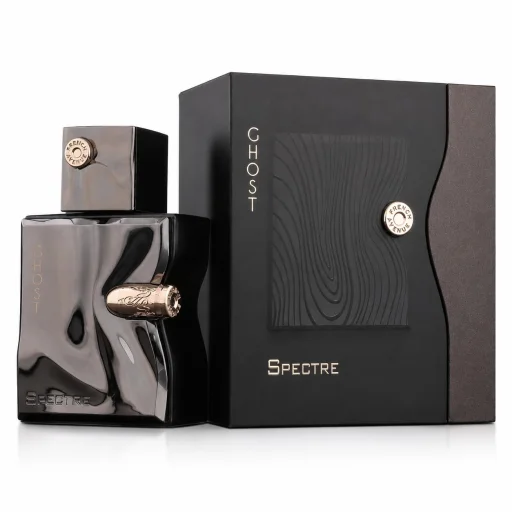
Spectre Ghost
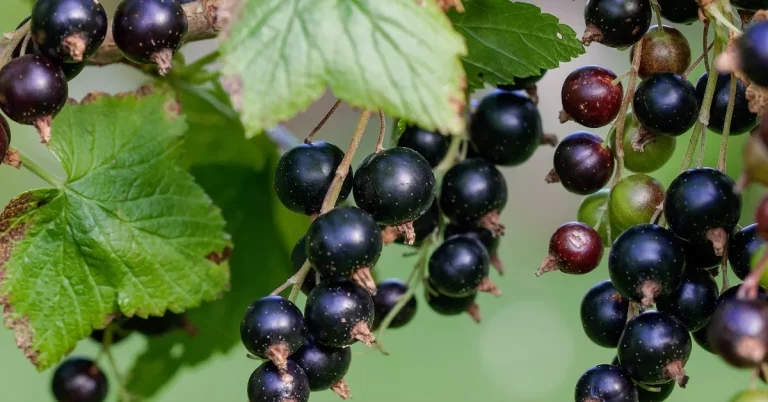
Spectre Ghost opens bergamot beside ginger and cardamom, giving the citrus note an immediately spicy frame. Black currant, rose, and pink pepper form the heart, followed by vanilla, patchouli, and cedarwood.
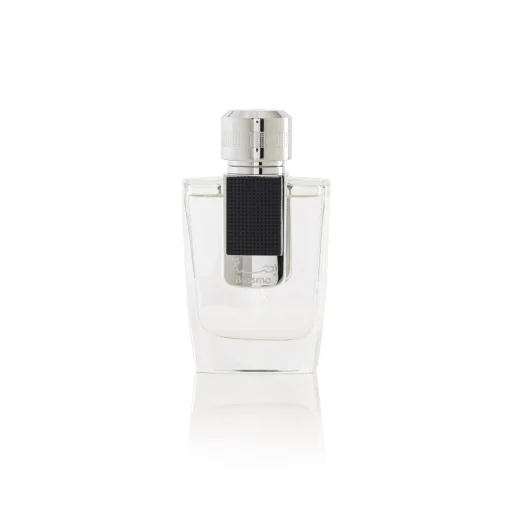
Bussma
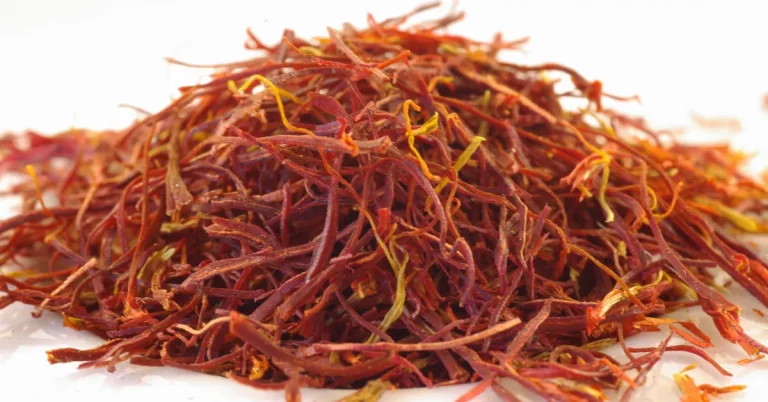
Bussma pairs bergamot with saffron at the top, then moves into a heart of vanilla and amber over cedar and tonka bean. It is the warmest, most compact bergamot structure among these supplied fragrances.
Five different bergamot directions
Xchange Wonderman
- Bergamot partners
- Lemon, mint, lavender, pear, cinnamon, sage, vanilla, cedar
- Surrounding character
- Fresh, aromatic, fruity, warm spicy
- Choose this direction if…
- You want bergamot sharpened by mint and lemon, then warmed by spice, vanilla, patchouli, and cedar.
Citizen Jack Parfum
- Bergamot partners
- Melon, water lily, mandarin leaf, clary sage, violet leaf, vanilla, sandalwood
- Surrounding character
- Fresh, watery-fruity, green, softly woody
- Choose this direction if…
- You prefer bergamot in an airy fruity opening that transitions into green aromatics and smooth warm woods.
Lavish
- Bergamot partners
- Lemon, orange, rose, nutmeg, vetiver, sandalwood, cedar, amber
- Surrounding character
- Citrusy, floral, spicy, woody
- Choose this direction if…
- You want a clear citrus opening followed by rose, spice, dry woods, vetiver, and amber.
Spectre Ghost
- Bergamot partners
- Ginger, cardamom, black currant, rose, pink pepper, vanilla, patchouli
- Surrounding character
- Fresh-spicy, fruity, floral, vanilla-woody
- Choose this direction if…
- You like bergamot pushed into a spicier opening with tart fruit, rose, vanilla, patchouli, and cedarwood behind it.
Bussma
- Bergamot partners
- Saffron, vanilla, amber, cedar, tonka bean
- Surrounding character
- Warm spicy, ambered, sweet, woody
- Choose this direction if…
- You want bergamot used as a brief bright contrast against saffron, vanilla, amber, cedar, and tonka.
Bergamot perfume FAQ
Does a bergamot note mean a perfume contains real bergamot oil?
No. A note list describes the scent impression or structure of a fragrance. Bergamot may be represented with natural bergamot oil, other fragrance materials, or a combination of both, so the note itself does not reveal the exact formula.
Is bergamot the same as lemon or orange?
No. Bergamot is its own citrus fruit. In scent, it can overlap with lemon and orange, but it is often perceived as more aromatic, green, softly floral, and gently bitter than a simple sweet-orange impression.
Is bergamot usually a top note?
Yes, bergamot is commonly used near the top of a fragrance because its bright citrus character is especially noticeable early on. Its aromatic facets can also help connect the opening to floral, herbal, spicy, or woody notes that follow.
Why does bergamot smell different in different perfumes?
Natural bergamot materials can vary, and the note can also be constructed or reinforced in different ways. The surrounding notes matter just as much: lemon makes it sharper, lavender makes it more aromatic, florals soften it, and vanilla, amber, spice, or woods make the overall effect warmer and deeper.
Does bergamot smell like Earl Grey tea?
Bergamot is the characteristic citrus aroma associated with Earl Grey tea, so some bergamot fragrances can suggest that familiar tea-like impression. In perfume, however, bergamot may be presented much more brightly, florally, greenly, or abstractly depending on the formula.
What should I look for if I want bergamot to stand out?
Look for fragrances that place bergamot prominently in a simple opening with other citrus or aromatic notes such as lemon, grapefruit, lavender, mint, or sage. When it is immediately surrounded by heavy vanilla, amber, spice, or woods, its brightest citrus phase may feel more like contrast than the main theme.
Bergamot is citrus brightness with an aromatic edge.
It can feel crisp beside lemon, brisk beside grapefruit, herbal beside lavender or sage, floral beside jasmine or rose, and surprisingly warm when it opens into vanilla, amber, spice, or woods. When you see bergamot in a perfume’s note list, look at the notes immediately around it: they usually reveal whether that citrus spark will feel juicy, green, floral, spicy, airy, or warm.