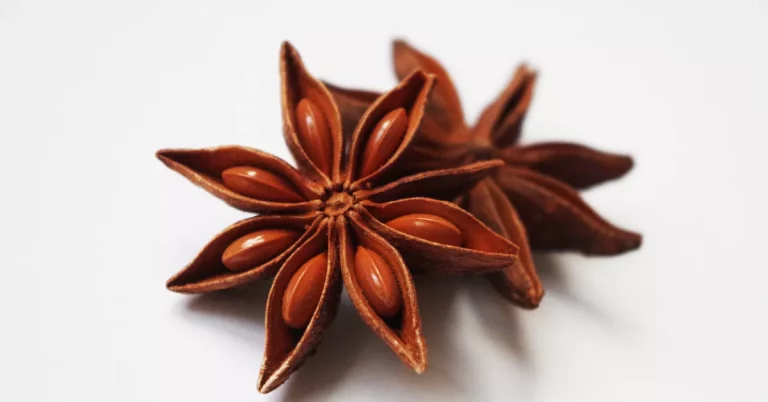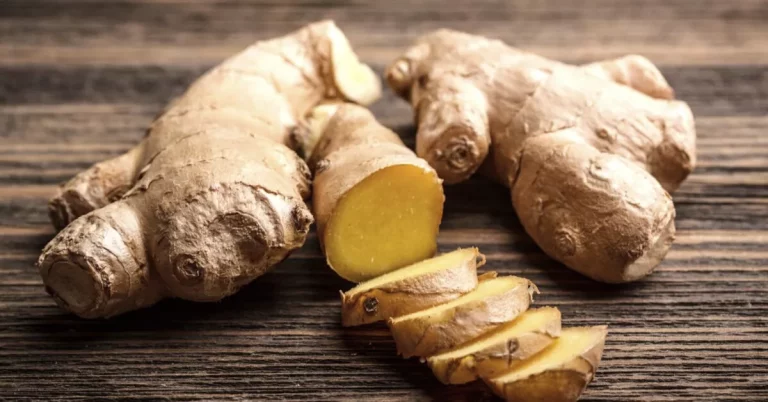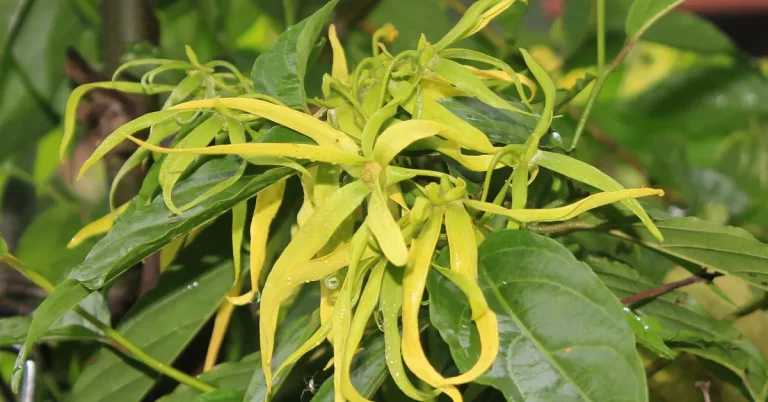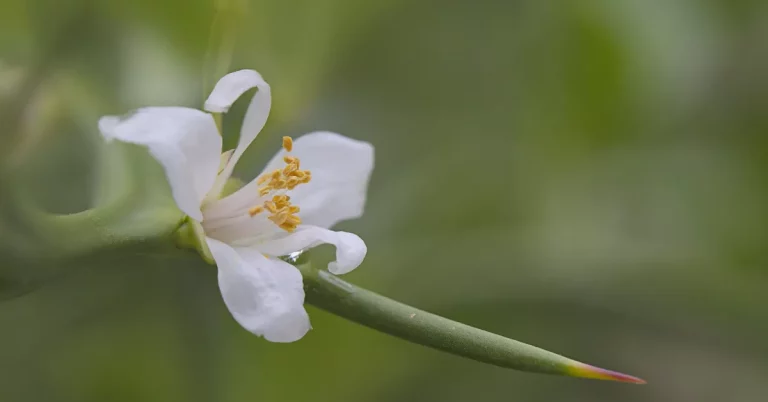
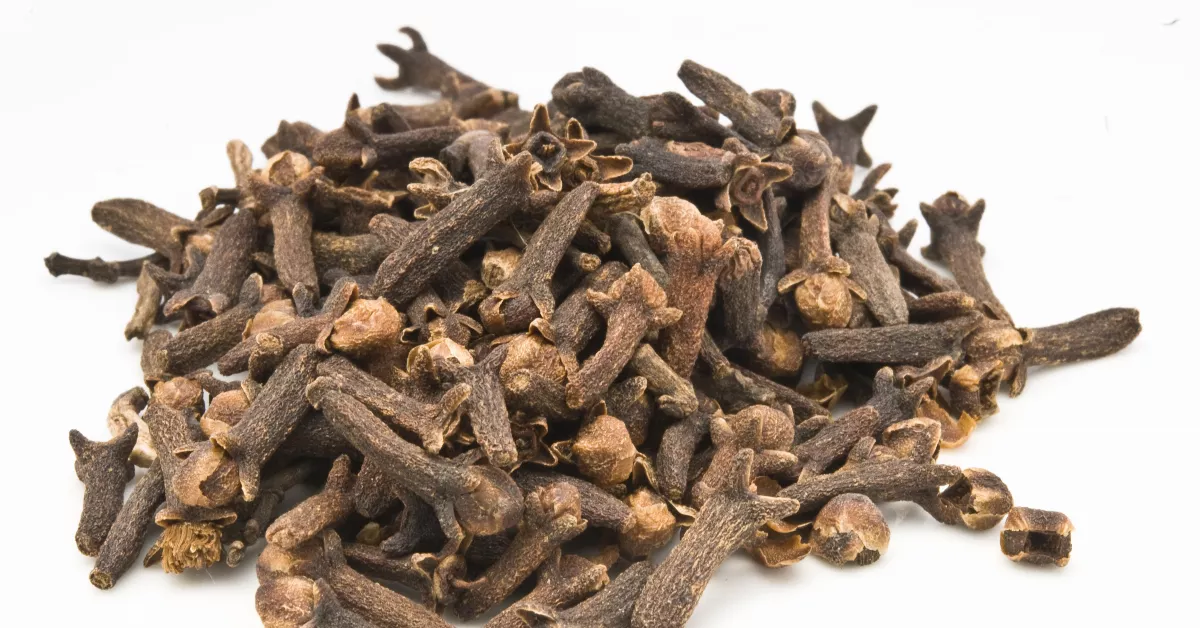
Clove brings a concentrated warm-spice effect to perfume: aromatic, woody, slightly sweet, and often dry or peppery around the edges. In fragrance, a listed clove note may represent natural clove-derived material, a constructed clove accord, or another material chosen to create a clove-like impression.
What is clove?
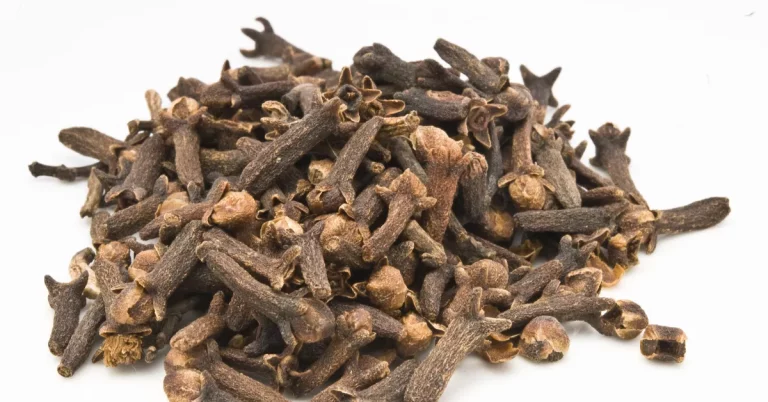
Cloves are the dried, unopened flower buds of Syzygium aromaticum, an evergreen tree in the myrtle family. The tree is native to the Maluku Islands and is cultivated for its strongly aromatic buds and oils.
From flower bud to fragrance material
The familiar culinary clove begins as a flower bud that is harvested before opening and then dried. Its aroma is unusually concentrated, which is why even a small clove impression can be easy to recognize in a perfume.
Fragrance manufacturing can use oils obtained from clove buds or leaves. A perfume that lists “clove” as a note, however, is describing the scent impression and does not by itself prove that a specific natural clove extract is present.
What does clove smell like?
Clove has a forceful warm-spice aroma with aromatic, woody, sweet, and dry facets. Depending on the surrounding notes, it can feel cozy and rounded, dark and resinous, fresh and green, or almost peppery.
The signature impression is heated and enveloping, with more depth than a bright, sparkling spice.
Clove can feel intensely fragrant and herbal-spiced rather than simply sweet.
A dry woody undertone helps clove settle naturally beside sandalwood, guaiac wood, patchouli, and other darker materials.
Beside vanilla, balsams, fruit, or amber accords, its sharpness can soften into a richer sweet-spice effect.
In fresher compositions, clove can read as a brisk, prickling accent that adds definition without becoming sugary.
Its dryness can cut through plush florals and sweet bases, preventing the surrounding composition from feeling too smooth.
Why clove can smell different from perfume to perfume
“Clove” on a note list describes an olfactory idea, not a guaranteed recipe. The exact effect depends on the clove material or accord, its concentration, and the notes placed around it.
Natural material and clove accords
Clove contains aromatic volatile oils, with eugenol being especially important to its characteristic odor. In fragrance manufacturing, clove-derived oils can come from the flower buds or the leaves.
Perfumers may also build a clove-like effect without relying on a literal bud extract. That flexibility lets the clove impression be adjusted from soft and floral-spicy to dense, woody, balsamic, or sharply aromatic.
What changes the impression?
- Sweet notes such as vanilla or fig can make clove feel rounder and more comforting.
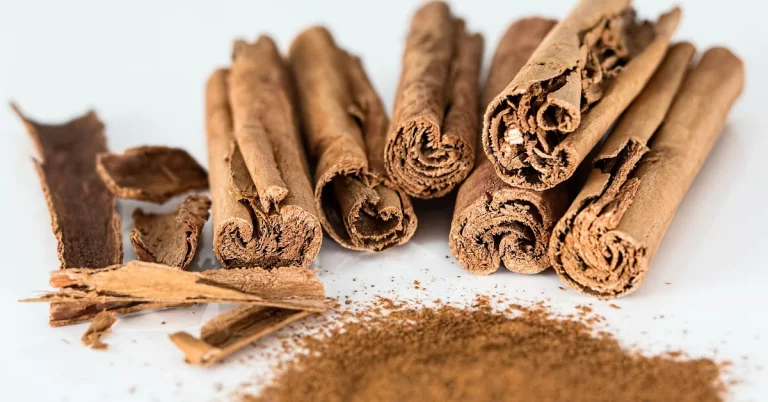
- Other spices, especially cinnamon or nutmeg, can turn it into a fuller spice accord.
- Woods, patchouli, leather, amber, and balsams can emphasize its dark, dry depth.
- Green, watery, citrus, or delicate floral notes can make clove feel brighter and more transparent.
How clove works in a fragrance
Clove is useful because it creates both warmth and tension. It can reinforce a spice theme, deepen florals and woods, or add one dry aromatic stroke to an otherwise fresh composition.
What pairs well with clove?
Clove is especially effective when a composition needs warmth, dryness, or a bridge between florals and deeper woods. These pairings show how easily it can move from plush and sweet to bright and aromatic.
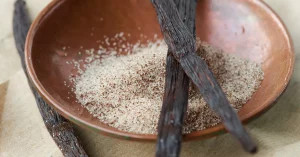


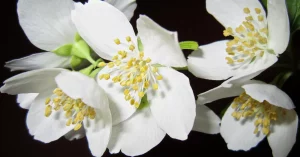
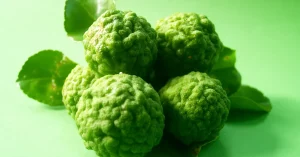
Three ways clove changes a perfume
These fragrances place clove in very different settings: a rum-soaked spice composition, an expansive floral-woody perfume, and a fresh green-bluebell cologne. The contrast makes clove’s versatility especially easy to smell on paper.

Divine Tentation
Clove appears immediately beside rum and fig, then flows into a cinnamon, balsam, and guaiac-wood heart over vanilla, amber, and patchouli. The result places clove firmly inside a rich warm-spice structure rather than using it as a small accent.

Safari Extreme
Safari Extreme surrounds a clove base note with an unusually broad composition of citrus, fruit, spices, florals, woods, leather, musk, iris, amber, and vanilla. Here clove belongs to the deep foundation rather than the opening.
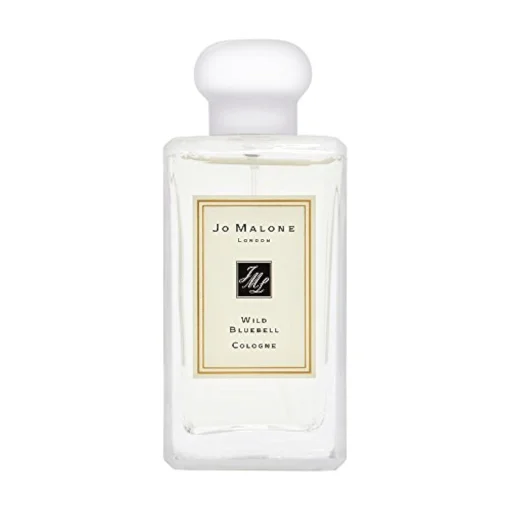
Wild Bluebell
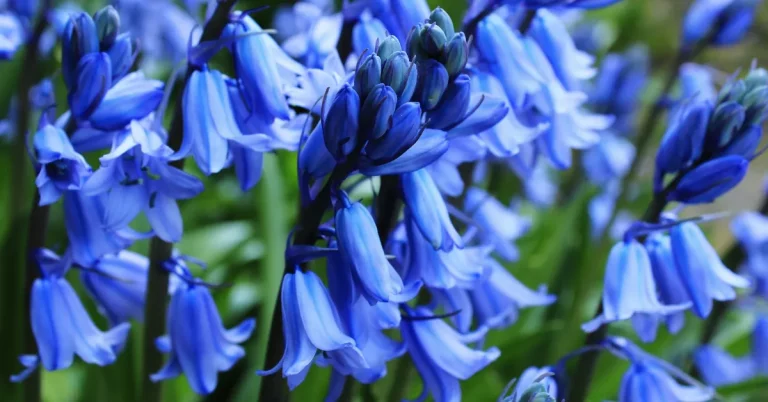
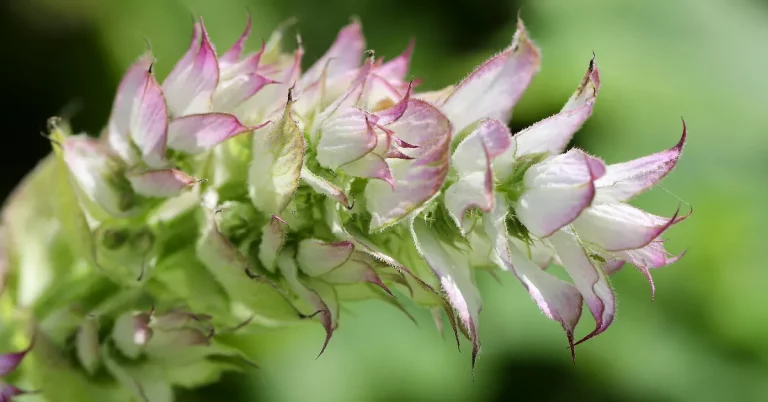
Wild Bluebell places clove in a green, dewy opening beside bluebell and leaves, then moves through peach and persimmon into musk and powdery notes. It is the lightest and freshest clove setting of the three.
From dense spice to dewy green clove
Divine Tentation
- Clove partners
- Rum, fig, cinnamon, guaiac wood, Peru balsam, vanilla, amber, patchouli
- Surrounding character
- Warm, boozy, balsamic, woody, and sweet-spiced
- Choose this direction if…
- You want clove surrounded by other warm materials, with the spice woven through a rich ambered and vanilla-toned structure.
Safari Extreme
- Clove partners
- Nutmeg, saffron, vanilla, sandalwood, leather, amber, suede, woods
- Surrounding character
- Complex floral, woody, powdery, leathery, and warm-spiced
- Choose this direction if…
- You want clove as one element in a broad, layered base beneath abundant florals, fruits, spices, woods, and soft leather notes.
Wild Bluebell
- Clove partners
- Dew drop, green leaves, bluebell, persimmon, peach, musk, powdery notes
- Surrounding character
- Fresh, green, aquatic, fruity, musky, and soft
- Choose this direction if…
- You are curious about clove used as a subtle aromatic contrast inside a much lighter, greener, cleaner fragrance.
Clove perfume FAQ
Is clove in perfume the same thing as the spice in the kitchen?
The scent reference comes from the same botanical source: the dried unopened flower buds of Syzygium aromaticum. In a finished perfume, however, “clove” is a note description and may be created with natural clove-derived material, an accord, or a combination of materials.
Does clove always make a perfume smell like holiday spices?
No. Clove can certainly become cozy and sweet beside cinnamon, vanilla, balsams, or amber, but it can also appear in green, floral, woody, leathery, or even watery compositions where the effect is drier and more aromatic.
Is clove usually a top, heart, or base note?
There is no single required placement. In the perfumes here, clove appears in the opening of Divine Tentation and Wild Bluebell, while Safari Extreme lists it in the base. Its role depends on the structure of the fragrance.
Why can clove smell sweet in one fragrance and dry in another?
Surrounding notes strongly shape the impression. Vanilla, fruit, and balsams emphasize sweetness, while woods, leather, green leaves, citrus, or airy floral notes can make clove feel drier, fresher, or more sharply aromatic.
What flowers work well with clove?
Rose and jasmine are classic directions, and clove can also sit comfortably beside carnation, ylang-ylang, tuberose, and lighter floral accords. The spice adds warmth and definition rather than simply making the floral note sweeter.
Does a clove note mean the perfume contains natural clove oil?
No. A published note list describes how the fragrance is presented or perceived; it is not a complete ingredient declaration. Unless the brand specifically identifies a natural clove material, it is safer to describe the perfume as having a clove note or clove-like accord.
Clove is a small note with a wide range
Clove can make a fragrance feel warm and enveloping, dry and woody, darkly balsamic, or unexpectedly fresh. The most revealing way to understand it is to notice what surrounds it: cinnamon and vanilla deepen the spice, woods and amber give it gravity, florals soften its edges, and green or dewy notes can turn the same idea bright and almost weightless.