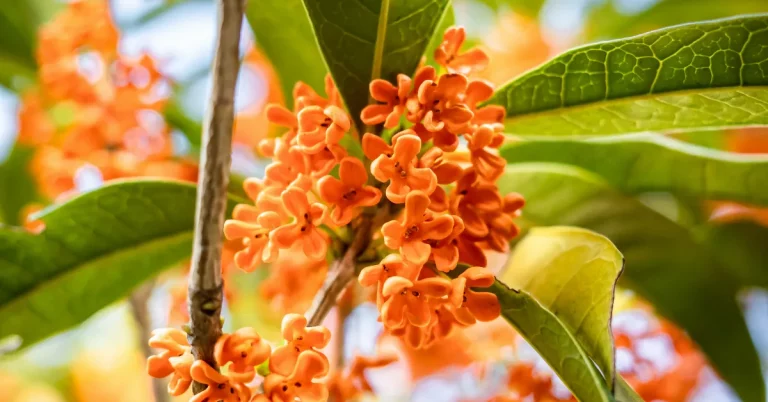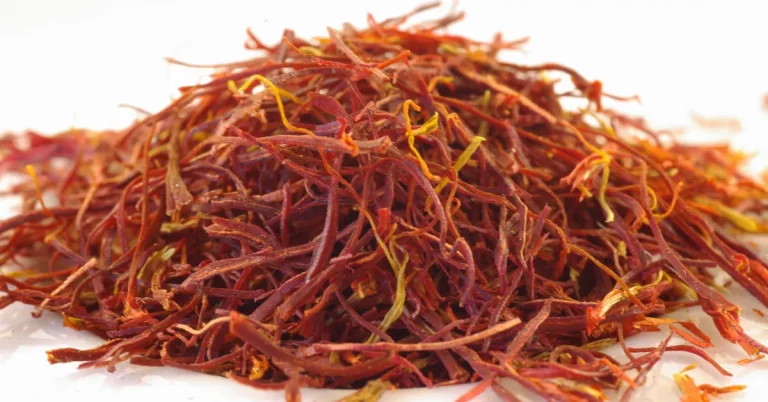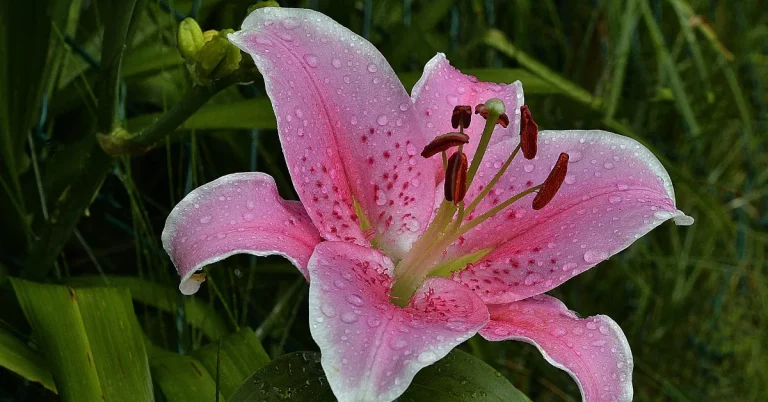
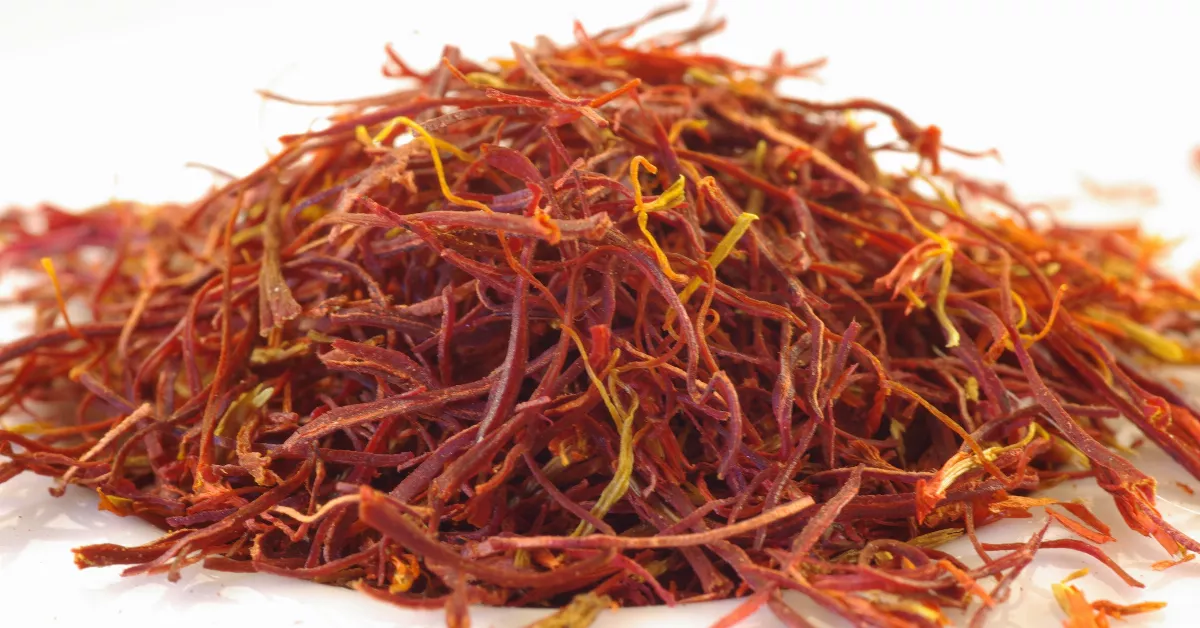
Saffron brings one of perfumery’s most distinctive spice impressions: warm, dry, slightly earthy, hay-like, and sometimes leathery or metallic. The real spice comes from the dried stigmas of Crocus sativus, but a saffron note on a perfume list may be created with an accord rather than a literal saffron extract.
What is saffron?
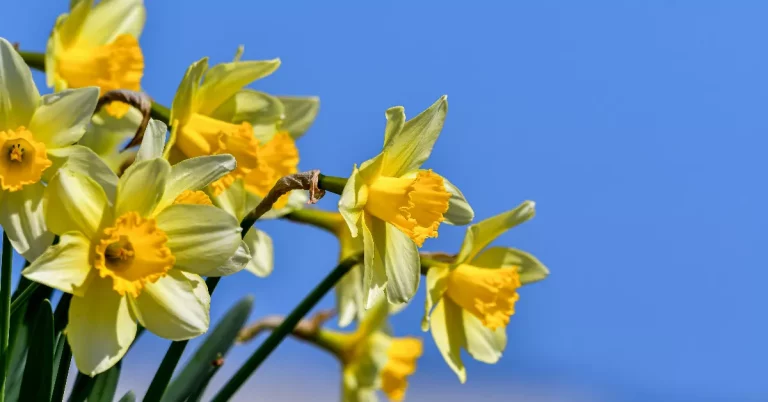
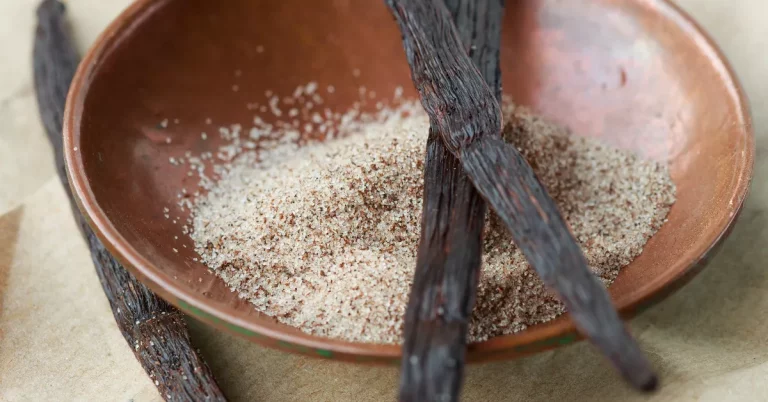
Saffron is the dried red stigma material harvested from the saffron crocus, Crocus sativus. It is best known as a spice, but its unusual aroma also makes the idea of saffron useful in fragrance.
Spice, aromatic material, and perfume note
Each saffron crocus flower bears only a small amount of the red stigma material that becomes saffron after harvesting and drying. Drying is important to the familiar aroma because it helps develop volatile compounds associated with saffron’s characteristic smell.
In perfume, “saffron” describes a scent impression rather than guaranteeing that the formula contains natural saffron. Perfumers can suggest its warm, dry, leathery, or hay-like character with an accord assembled from other fragrance materials.
What does saffron smell like?
Saffron is difficult to reduce to a single familiar smell. The natural spice has a dry aromatic warmth with hay-like and earthy nuances, while perfume accords often emphasize its leathery, metallic, spicy, or softly sweet sides.
A dry, glowing spice effect that adds warmth without necessarily smelling sugary.
Natural saffron can have a distinctive dried-grass or hay-like aromatic nuance.
A grounded, slightly dusty facet can keep the note from feeling bright or juicy.
In perfume, saffron is often shaped toward a supple leather-like effect, especially beside oud, woods, or amber.
Some saffron accords feel cool, mineral, or faintly metallic, creating contrast against warmer notes.
Vanilla, praline, fruit, amber, or tonka can pull saffron toward a rounder and sweeter expression.
Why saffron can smell different from one perfume to another
The smell of real saffron changes as the harvested stigmas are dried and stored, while the “saffron” in a finished perfume may be a stylized accord. That gives perfumers considerable room to emphasize different facets.
From crocus stigma to aroma
Safranal is a major volatile associated with saffron’s recognizable aroma. Its development is linked to changes that occur as saffron is processed and dried, so the aroma of the finished spice is not simply the smell of a fresh crocus flower.
Storage and processing can also change saffron’s chemical and aromatic profile. In fragrance, the variation can be even greater because a listed saffron note may be an interpretation rather than a direct use of the spice itself.
What changes the impression?
- Vanilla, praline, tonka, and amber make saffron feel warmer, sweeter, and rounder.
- Rose, jasmine, or orange blossom can reveal a smoother floral-spice character.
- Oud, leather, cedar, and patchouli emphasize saffron’s dry, dark, and textured side.
- Bergamot, pepper, and aromatic herbs can make the spice feel brighter and sharper.
How saffron works in a fragrance
Saffron is especially useful as a character note. It can connect bright openings to deep woody bases, add contrast to sweet accords, reinforce leather and oud effects, or put a dry spicy edge around florals.
What pairs well with saffron?
Saffron works particularly well with notes that either soften its dryness or echo its darker spicy character. Sweet notes make it plush, florals make it more luminous, and resins or woods deepen its leathery warmth.
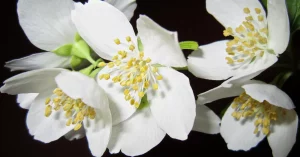
Five ways to smell saffron in perfume
These supplied fragrances place saffron in very different settings: vanilla and resins, amber and tonka, praline and oud, sweet gourmand notes, and a darker oud-leather structure.
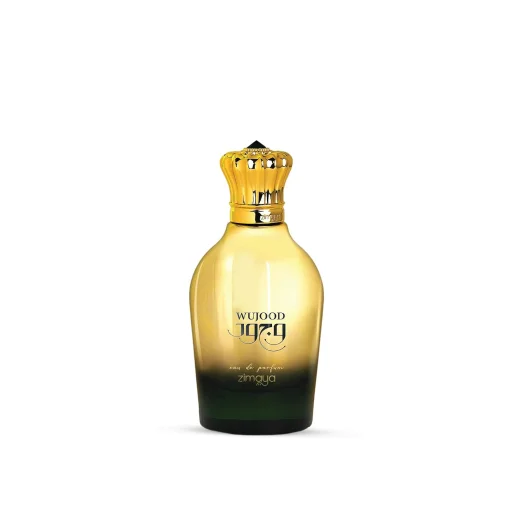
Zimaya Wujood
Wujood opens with vanilla, black pepper, and elemi, then places saffron in a heart of olibanum and musk before returning to vanilla over amber.
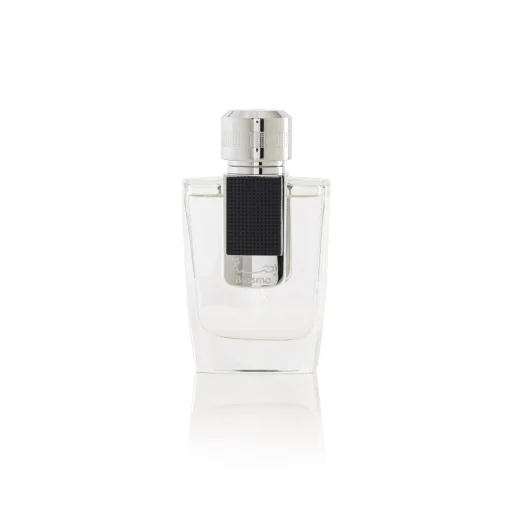
Bussma
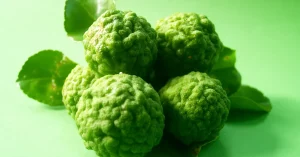
Bussma places saffron beside bergamot in the opening, then moves into vanilla and amber before cedar and tonka bean form the base.
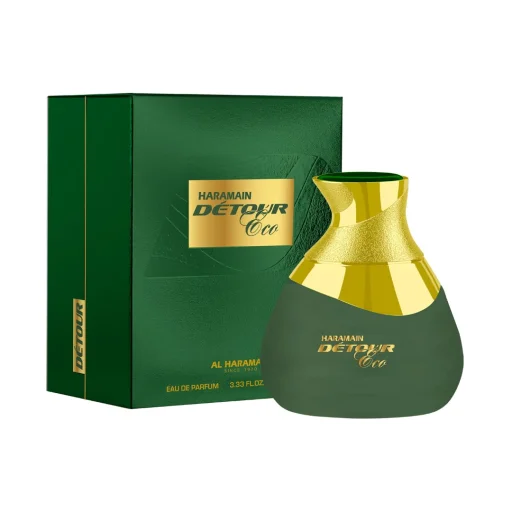
Haramain Detour Eco
Detour Eco begins with lavender, bergamot, and clary sage, pairs saffron directly with praline in the heart, and settles onto agarwood and cedar.
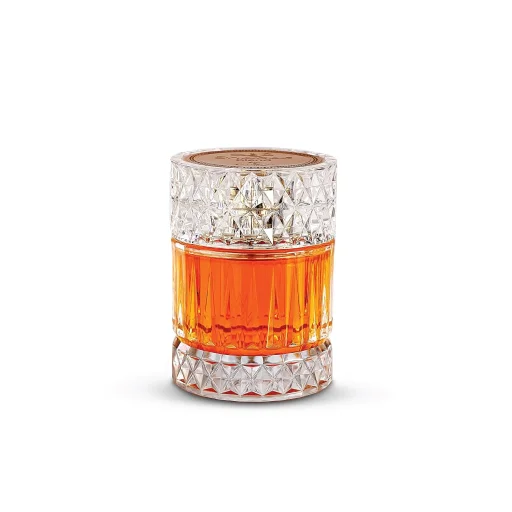
Sharaf Blend
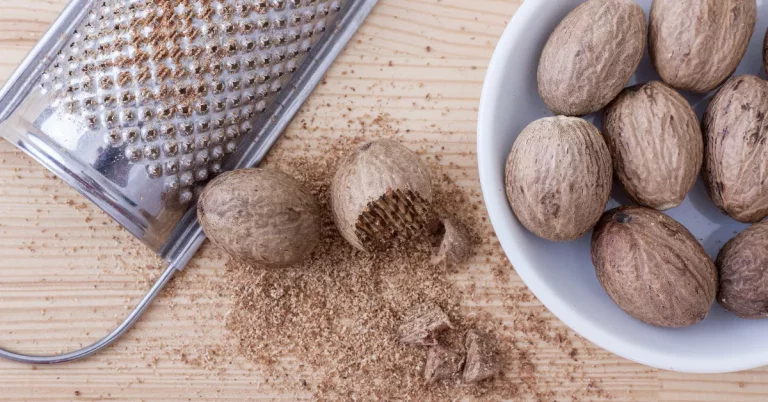
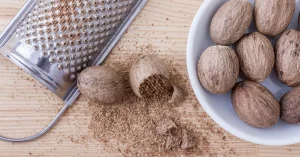
Sharaf Blend puts saffron in a sweet-spiced opening with dates and nutmeg, then develops through vanilla, praline, and tuberose over tonka bean, amberwood, benzoin, and musk.
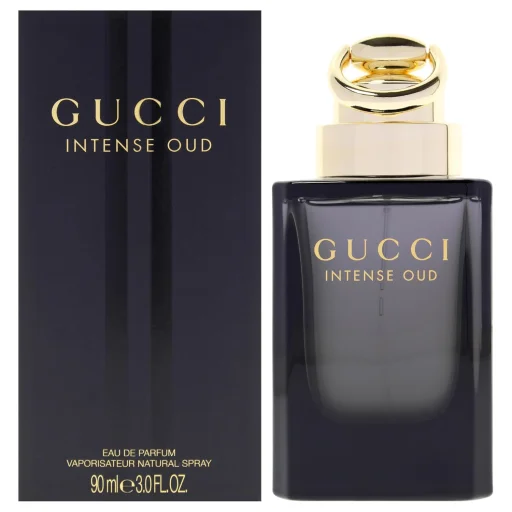
Intense Oud
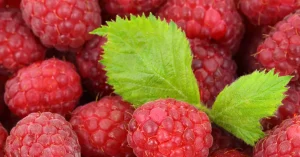
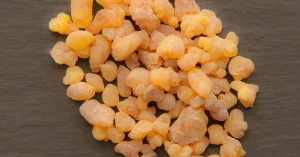
Intense Oud places saffron in an opening with frankincense, raspberry, and pear, then moves through musk, Damask rose, and orange blossom into oud, leather, patchouli, and ambergris.
Five directions for saffron in perfume
Zimaya Wujood
- Saffron partners
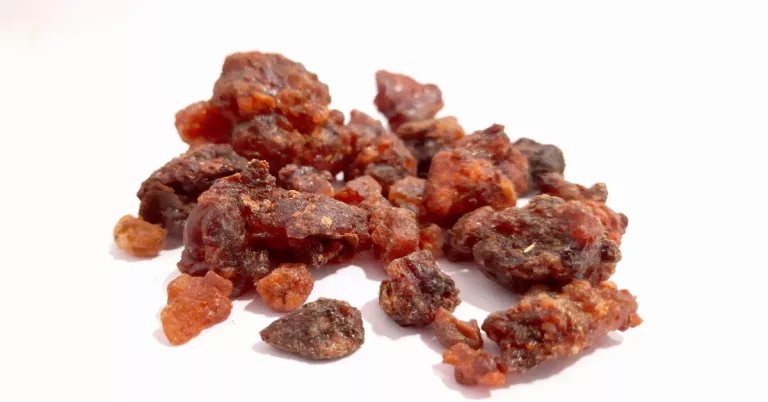
- Olibanum, musk, black pepper, vanilla, amber
- Surrounding character
- Resinous, musky, spicy, vanilla-ambered
- Choose this direction if…
- You want saffron in a warm resinous structure with pepper above it and vanilla-amber softness below.
Bussma
- Saffron partners
- Bergamot, vanilla, amber, cedar, tonka bean
- Surrounding character
- Bright spicy, warm, woody, softly sweet
- Choose this direction if…
- You like saffron brightened by citrus before moving into vanilla, amber, cedar, and tonka.
Haramain Detour Eco
- Saffron partners
- Praline, lavender, bergamot, clary sage, agarwood, cedar
- Surrounding character
- Aromatic, gourmand, woody
- Choose this direction if…
- You want a saffron-praline heart contrasted with fresh aromatics and an oud-cedar base.
Sharaf Blend
- Saffron partners
- Dates, nutmeg, vanilla, praline, tuberose, tonka, benzoin
- Surrounding character
- Sweet, warm spicy, floral, ambered
- Choose this direction if…
- You prefer saffron surrounded by rich fruit, spice, creamy sweetness, and a warm balsamic base.
Intense Oud
- Saffron partners
- Frankincense, raspberry, pear, rose, oud, leather, patchouli
- Surrounding character
- Fruity, smoky, floral, leathery, woody
- Choose this direction if…
- You want saffron pushed toward its darker leathery side, with fruit and florals providing contrast.
Saffron perfume FAQ
Does a saffron note mean a perfume contains real saffron?
No. A note list describes the intended or perceived scent character of a perfume. Saffron may be represented by a constructed accord, natural material, or a combination, so the note name alone does not prove that literal saffron is present.
Is saffron a floral note or a spice note?
Botanically, saffron comes from part of a flower, but in perfumery its smell is usually treated as a spice-like note. It can also show leathery, earthy, hay-like, metallic, or softly sweet facets.
Why can saffron smell leathery in perfume?
Saffron’s dry aromatic profile overlaps naturally with leathery scent effects, and perfumers can emphasize that direction by pairing it with oud, woods, patchouli, amber, or explicit leather notes.
Can saffron smell sweet?
Yes, especially when it is surrounded by vanilla, praline, dates, amber, tonka bean, or other sweet materials. The saffron itself can still provide dryness and spice that keeps the blend from feeling one-dimensional.
Where does saffron usually appear in a fragrance pyramid?
There is no fixed position. In the supplied examples it appears in the top or heart, where it can color the transition from bright, fruity, or aromatic notes into warmer woods, amber, oud, or sweet materials.
What should I look for when choosing a saffron perfume?
Look at the notes immediately around the saffron. Vanilla and praline suggest a sweeter direction; rose or jasmine suggest floral spice; bergamot and herbs suggest more lift; oud, leather, frankincense, patchouli, or cedar usually point toward a darker and drier treatment.
Saffron is a small note with a wide range.
It can brighten a composition with dry spice, soften into vanilla and amber, mingle with florals, or turn distinctly leathery beside oud and woods. When saffron appears on a perfume note list, the best clue to its character is the company it keeps.