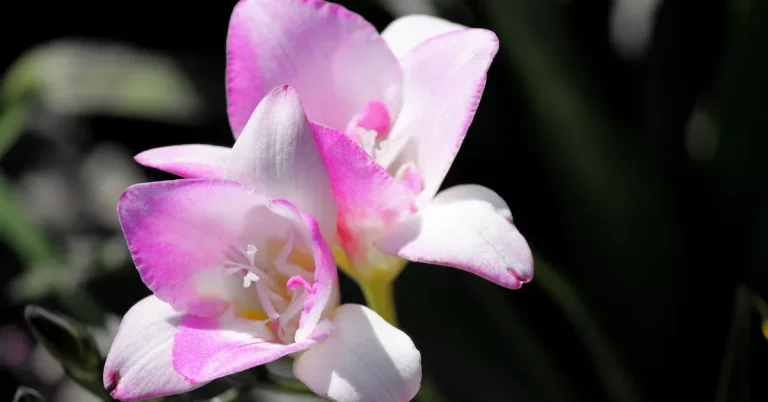
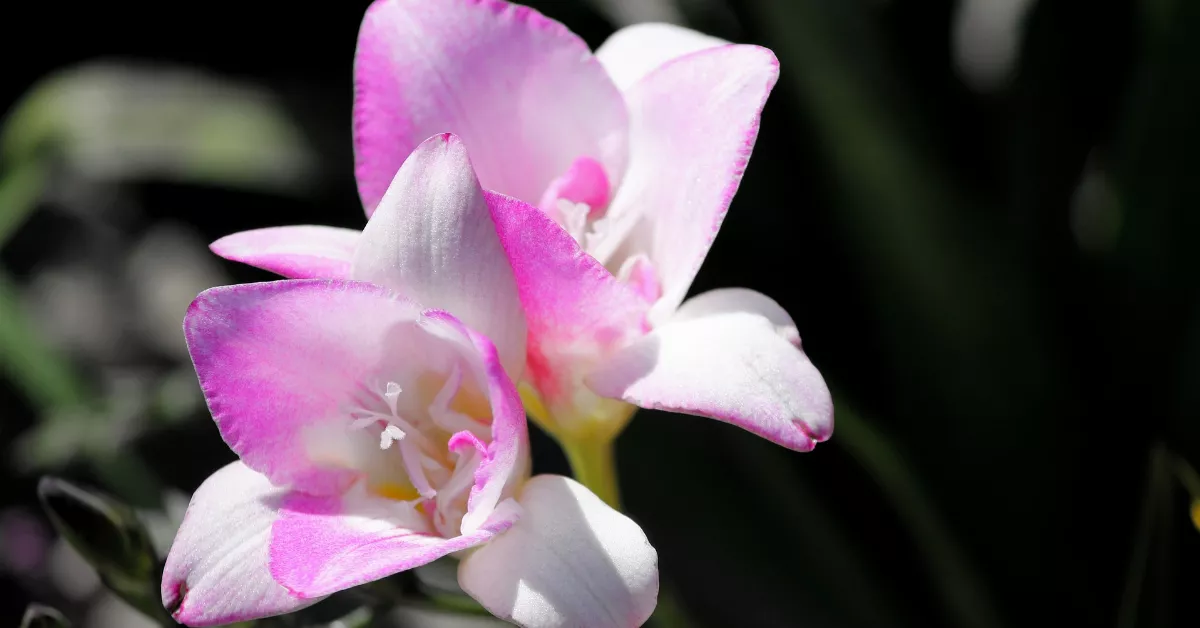
Freesia is a graceful flowering plant known for a light, airy fragrance that can feel fresh, softly sweet, green, and subtly citrus-like. In perfumery, the word “freesia” usually describes a carefully built accord inspired by the living flower rather than a literal natural freesia extract.
What is freesia?
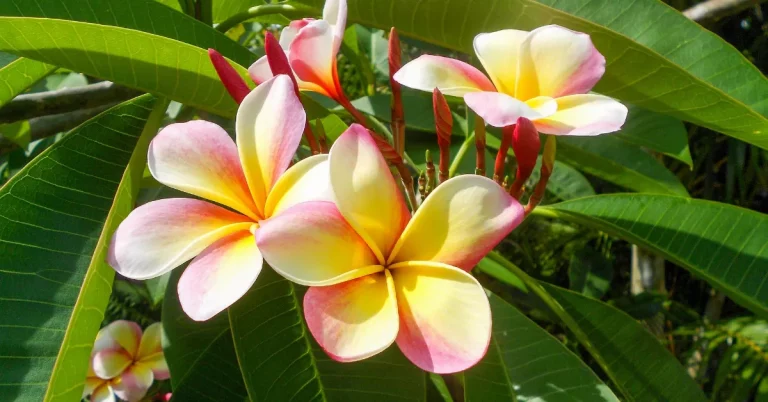
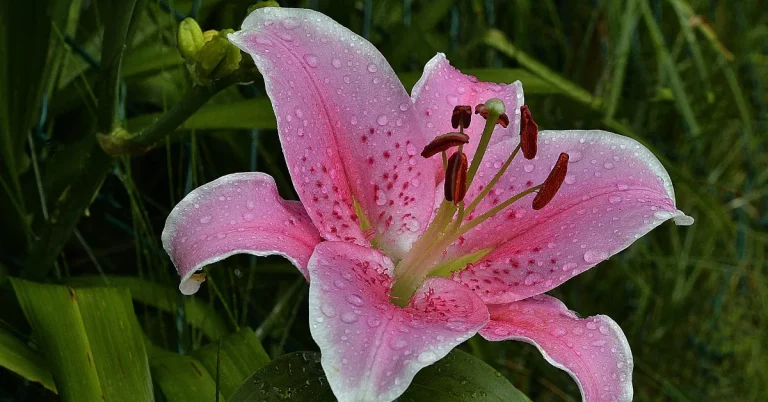
Freesia is a genus of flowering plants in the iris family, Iridaceae, originating in southern Africa. The plants grow from corms and are loved in gardens and cut-flower arrangements for their colorful, often strongly scented blooms.
A flower and a perfume idea
The living flower is the botanical starting point, but the “freesia” you read in a perfume note list is usually an olfactory interpretation. Perfumers recreate its recognizable freshness and floral lift with a blend of aroma materials.
That means a fragrance listing freesia should not automatically be understood as containing an extract taken directly from freesia flowers.
What does freesia smell like?
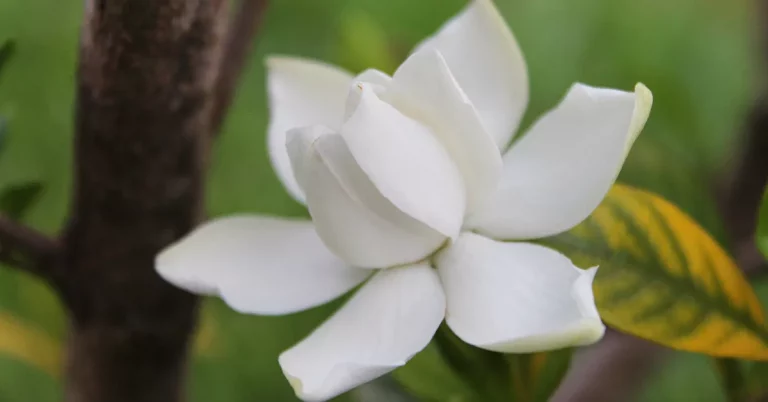
Freesia is often described as a bright floral with a clean, lightly sweet quality. Compared with richer flowers such as jasmine or gardenia, it usually reads as more transparent and breezy.
It can make a floral bouquet feel open, weightless, and full of space.
Freesia often brings a just-cut, lively quality rather than dense floral richness.
The sweetness is usually gentle and petal-like rather than syrupy or gourmand.
A faint leafy freshness can keep the floral character crisp and natural-feeling.
Some interpretations suggest a sparkling, lemony brightness around the petals.
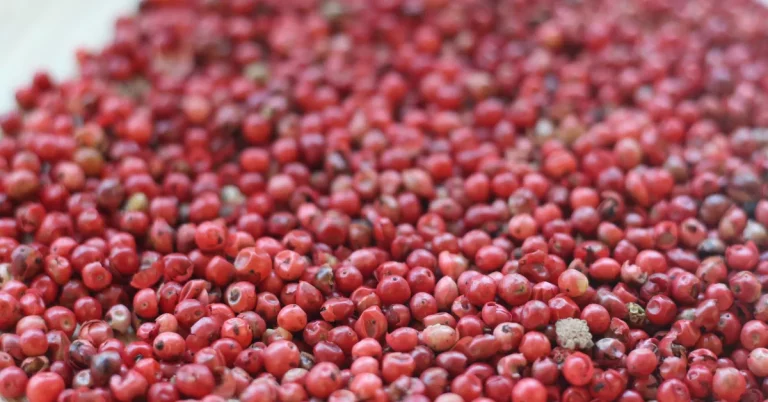
Certain freesia impressions can have a subtle tingling or peppery edge that adds animation.
Why freesia is usually recreated
The scent of a living freesia does not translate conveniently into a widely used natural perfume extract. Perfumers therefore build a freesia effect from aroma materials chosen to suggest its brightness, petal softness, green freshness, and airy sweetness.
The accord matters more than the flower extract
A freesia accord is an artistic reconstruction. Its purpose is to evoke the flower convincingly inside a composition, not necessarily to reproduce every nuance of one exact botanical specimen.
This gives perfumers flexibility: the same freesia idea can be made sparkling and sheer, rosy and romantic, creamy and white-floral, or even contrasted with woods, amber, fruit, and spice.
What changes the impression?
- The particular freesia cultivar inspiring the scent.
- Whether the accord emphasizes green, floral, citrus-like, or sweet facets.
- The neighboring notes in the perfume formula.
- The stage of the fragrance where the freesia accord appears.
How freesia works in a fragrance
Freesia is especially useful when a perfumer wants floral character without making the composition feel heavy. It can bridge fruit, citrus, green notes, and fuller flowers while preserving a fresh, polished impression.
What pairs well with freesia?
Freesia is an easy bridge note. It can freshen other flowers, soften juicy fruit, and add a luminous edge before a fragrance settles into musk, woods, or amber.

Four ways freesia changes a perfume
The perfumes below use freesia in very different surroundings, from citrus and woods to fruit, vanilla, cherry, and amber. Comparing them shows how adaptable the note can be.

Club de Nuit Intense Man Limited Edition Parfum
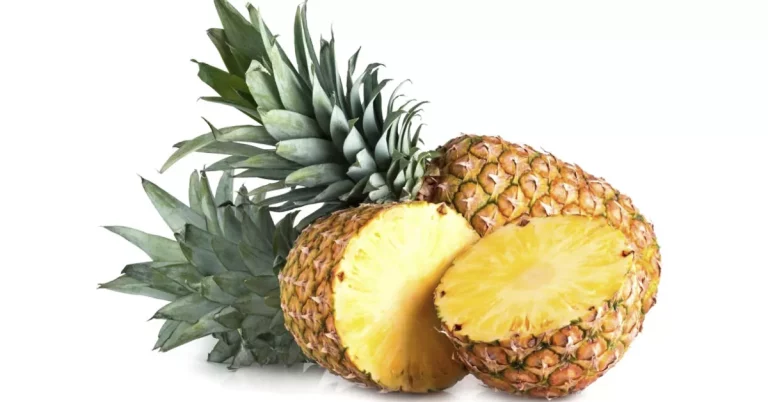
Here freesia sits inside a floral heart after a sharply citrusy, peppery, pineapple-led opening, before the fragrance moves into musk, ambergris, leather, cedar, and patchouli.

Yulali
Yulali places freesia in a lush floral center, with nectarine, apple, tangerine, and bergamot above it and a soft base of musk, vanilla, orris root, and sandalwood below.
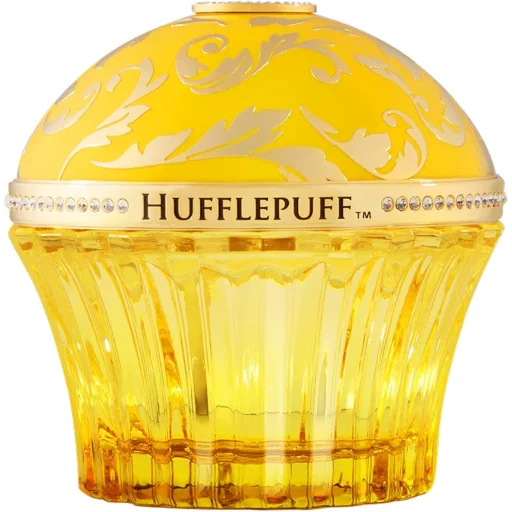
Hufflepuff Parfum
Freesia appears alongside gardenia and jasmine sambac after an opening of Italian lemon, coconut, and peach, with bourbon vanilla, vanilla bean, and Virginia cedar forming the base.
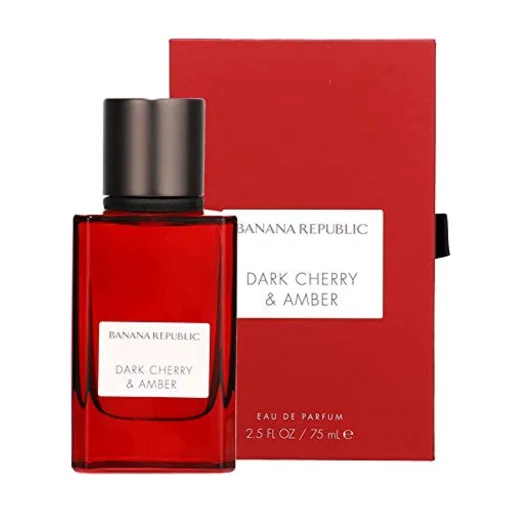
Dark Cherry & Amber
Pink freesia opens beside sour cherry, followed by a heart of praline and cherry blossom and a base of red amber and cedar.
How these freesia perfumes differ
Club de Nuit Intense Man Limited Edition Parfum
- Freesia partners
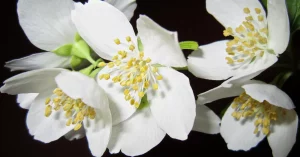
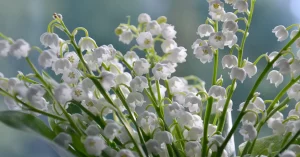
- Jasmine, rose, lily of the valley
- Surrounding character
- Citrusy and peppery above; musky, woody, leathery, and amber-like below
- Choose this direction if…
- You want freesia used as a fresh floral bridge inside a darker, more structured composition.
Yulali
- Freesia partners
- Lily of the valley, magnolia, gardenia, jasmine
- Surrounding character
- Fruity-citrus opening with a broad floral heart and soft musky, vanilla, orris, sandalwood base
- Choose this direction if…
- You enjoy freesia as part of a layered, fresh floral bouquet with fruit and gentle warmth.
Hufflepuff Parfum
- Freesia partners
- Gardenia, jasmine sambac
- Surrounding character
- Lemon, coconut, and peach leading into white florals, then vanilla and cedar
- Choose this direction if…
- You like airy freesia used to brighten creamy florals and a sweeter vanilla-centered base.
Dark Cherry & Amber
- Freesia partners
- Sour cherry, cherry blossom, praline
- Surrounding character
- Tart fruit and floral brightness moving into gourmand sweetness, amber, and cedar
- Choose this direction if…
- You want to see how freesia can sharpen a rich cherry-and-amber idea rather than simply extending a floral bouquet.
Freesia perfume FAQ
Is freesia a floral perfume note?
Yes. Freesia is treated as a floral note, usually with a fresh, airy, lightly sweet, and sometimes green or citrus-like character.
Is freesia in perfume made from real freesia flowers?
Usually not in the sense of a conventional natural flower extract. In modern perfumery, freesia is typically represented by a reconstructed accord designed to evoke the smell of the living flower.
Is freesia a strong or heavy floral?
It is generally used for a lighter effect than dense white florals. It can still be noticeable, but its typical role is brightness, transparency, and freshness rather than heavy floral richness.
Does freesia smell sweet?
It can, but the sweetness is usually soft and floral rather than dessert-like. Fruit, vanilla, or praline notes around it can make the overall perfume seem much sweeter.
Why does freesia smell different from perfume to perfume?
There is no single standardized freesia smell. Natural flowers vary, and perfumers can build the accord to emphasize different facets such as green freshness, citrus-like sparkle, soft sweetness, or a clean floral effect.
What notes are especially good with freesia?
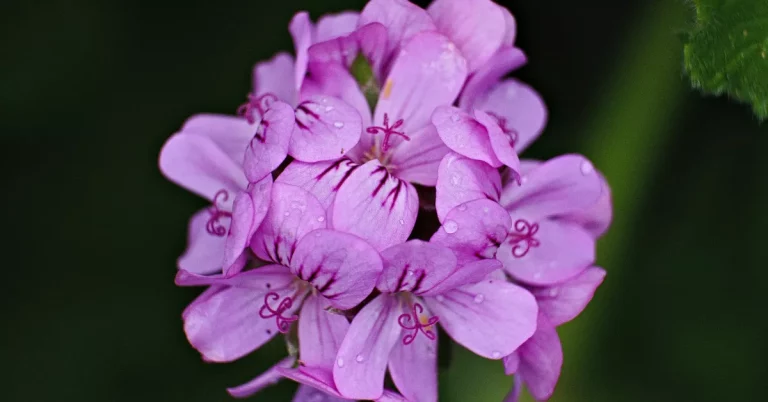
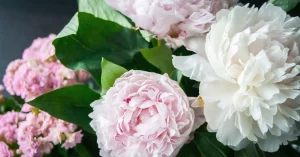
Lily of the valley, peony, rose, jasmine, magnolia, gardenia, pear, citrus, musk, woods, and amber can all work well depending on whether the goal is freshness, floral fullness, fruitiness, or warmth.
Freesia is a study in floral lightness
The charm of freesia in perfumery is less about a heavy flower extract and more about an effect: brightness, freshness, petal-like sweetness, and space. Follow the notes around it and you can see the accord shift from clean and springlike to fruity, creamy, woody, or warm while still keeping its airy floral identity.