Plum is one of perfumery’s most shape-shifting fruit notes: it can smell juicy and tart, dark and wine-like, soft and floral, or dense like dried fruit. In fragrance, the word “plum” usually describes an olfactory effect or accord rather than proving that the formula contains a literal extract of ripe plum fruit.
What is plum?
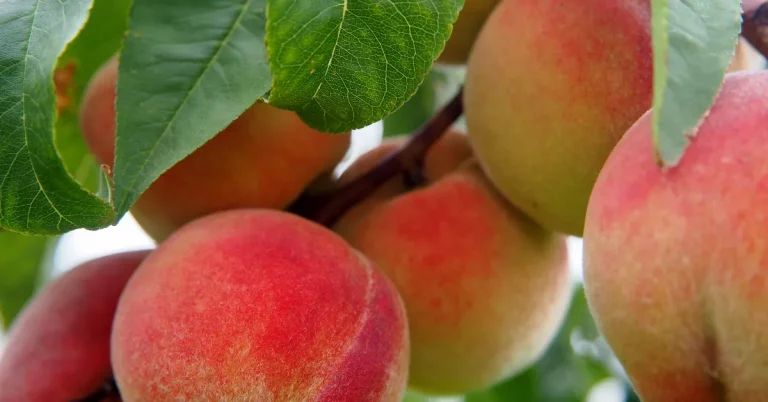
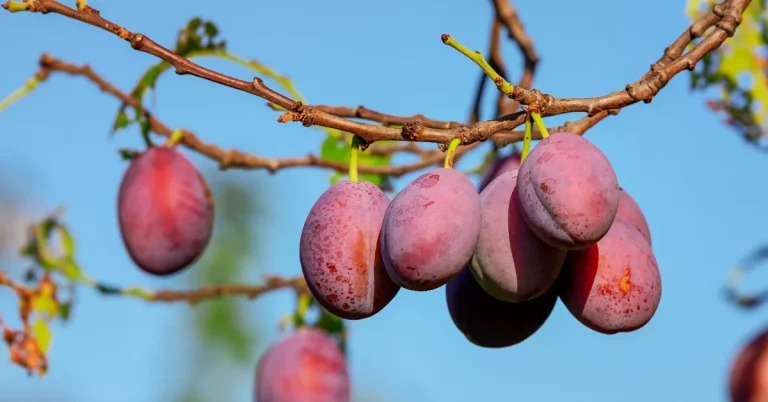
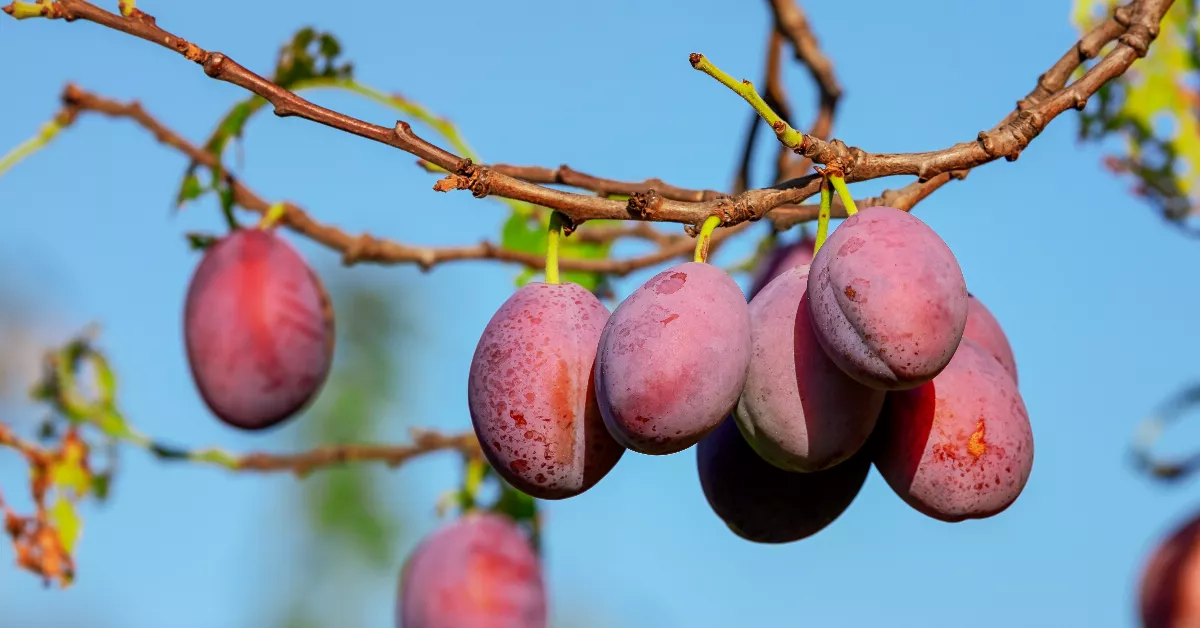
Plums are stone fruits from trees in the genus Prunus, the same broad botanical group that includes cherries, peaches, and apricots. Their perfume identity is inspired by the fruit’s aromatic impression rather than one single standardized raw material.
Fruit first, perfume accord second
Fresh plums combine sweetness, acidity, soft fruit flesh, and a darker skin-like fruitiness. Depending on ripeness and variety, the impression can move from bright and tangy to syrupy, jammy, or almost wine-like.
In perfumery, “plum” is therefore best understood as a creative note. A perfumer can emphasize the sparkling, juicy side of the fruit or push it toward prune, liqueur, floral, spicy, woody, or gourmand territory.
What does plum smell like?
There is no single “plum smell” in perfume. The note is useful precisely because it can bridge bright fruit, lush florals, spice, woods, amber, and gourmand materials without losing its recognizable dark-fruit character.
A ripe-fruit effect that can feel succulent, rounded, and mouthwatering.
Acidity keeps plum from reading as simple sugar and gives fresher versions a lively edge.
Compared with many citrus or tropical fruits, plum can feel deeper, softer, and more shadowed.
In sweeter compositions, plum can suggest cooked fruit, preserves, or a dense syrupy texture.
Some interpretations emphasize a fermented, liqueur-like, or velvety fruit character.
A prune-like direction makes plum darker, richer, and especially compatible with amber, vanilla, spice, and woods.
Why plum can smell so different from perfume to perfume
A listed plum note describes the intended scent impression, not a universal formula. Perfumers can build that impression in multiple ways and then reshape it dramatically with the rest of the composition.
The note is an interpretation
Unlike materials such as rose absolute or vetiver oil, “plum” on a note list does not by itself identify a specific extracted perfumery raw material. It may be created as an accord from multiple aroma materials, supported by natural materials, or presented simply as the descriptive idea perceived in the finished fragrance.
This is why one plum perfume can feel crisp and fresh while another smells plush, boozy, smoky, spicy, or dessert-like. The note name stays the same even when the artistic treatment changes.
What changes the effect?
- Fresh citrus and aromatic notes can brighten plum and emphasize its tart side.
- Rose, jasmine, and other florals can make it feel more perfumed and velvety.
- Vanilla, caramel, chocolate, and tonka can pull plum toward gourmand territory.
- Oud, leather, amber, patchouli, moss, and woods can make plum feel darker and more dramatic.
How plum works in a fragrance
Plum is especially useful when a perfumer wants fruitiness with more depth than a sparkling citrus or watery fruit effect. It can connect floral, gourmand, woody, spicy, amber, and leather elements while adding a plush sense of color.
What pairs well with plum?
Plum is easy to steer. Florals make it more elegant, citrus gives it lift, spices sharpen its dark-fruit character, and warm sweet notes can turn it plush and gourmand.
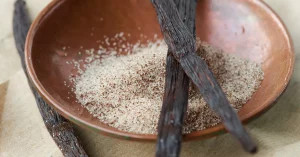
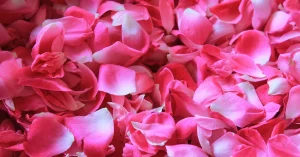
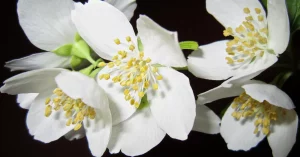
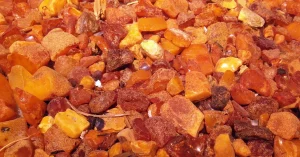
Three perfumes that show different sides of plum
These three supplied fragrances place plum in very different surroundings: gourmand oud, aromatic woods, and spicy leather. Together they show how much the notes around plum determine the final impression.
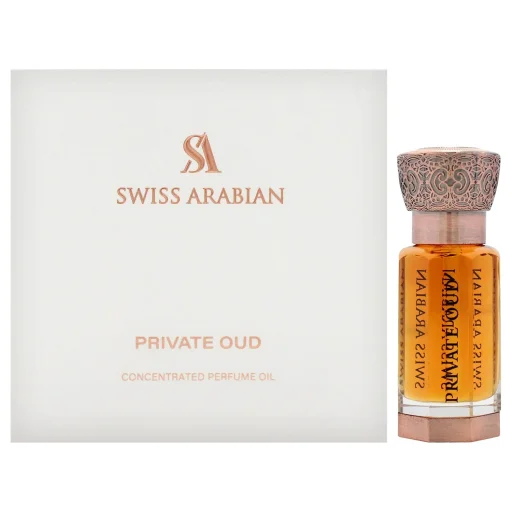
Private Oud
Private Oud opens with plum alongside oud and Bulgarian rose, then moves through tonka, vetiver, jasmine, and white florals before reaching a sweet base of dark chocolate, caramel, vanilla, and more oud. The result places plum at the entrance to a dense woody-gourmand structure rather than a fresh fruit composition.
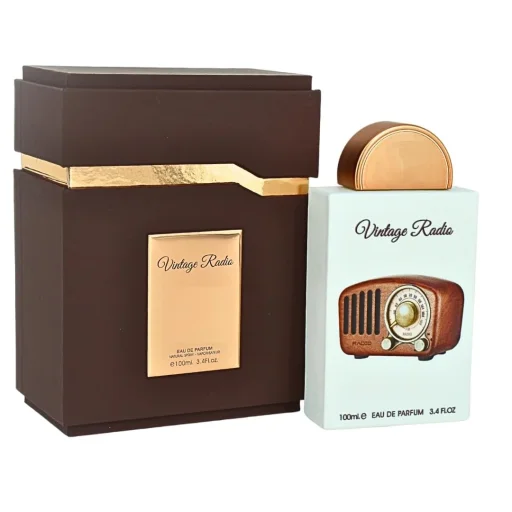
Vintage Radio
Vintage Radio introduces lavender, bergamot, and sage before bringing plum into the heart with palo santo and black pepper. Sandalwood and oud form the base, so the fruit is surrounded more by aromatic spice and woods than by obvious gourmand sweetness.
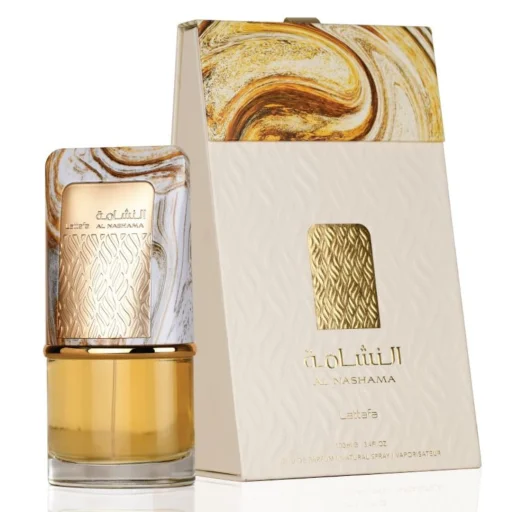
Al Nashama
Al Nashama opens with bergamot, sage, and pink pepper before a heart of plum, jasmine, and black pepper. Its base of saffiano leather, amber, patchouli, and moss shifts the fruit into a darker, textured setting with floral and spicy contrast.
Three ways plum can change character
Private Oud
- Plum partners
- Oud, Bulgarian rose, tonka, chocolate, caramel, vanilla
- Surrounding character
- Sweet, woody, floral, gourmand
- Choose this direction if…
- You want plum framed by oud and rich dessert-like notes.
Vintage Radio
- Plum partners
- Palo santo, black pepper, lavender, bergamot, sandalwood, oud
- Surrounding character
- Aromatic, spicy, woody
- Choose this direction if…
- You prefer plum with herbs, pepper, and woods rather than a strongly gourmand treatment.
Al Nashama
- Plum partners
- Jasmine, black pepper, leather, amber, patchouli, moss
- Surrounding character
- Fruity, spicy, floral, leathery, ambered
- Choose this direction if…
- You like dark fruit contrasted with floral spice and a textured leather-amber base.
Plum perfume FAQ
Does a plum note mean a perfume contains real plum extract?
Not necessarily. A perfume note describes an intended or perceived smell in the composition. Plum may be represented by an accord or a combination of materials rather than a literal extract of ripe plum fruit.
Is plum always a sweet perfume note?
No. Plum can be sweet, but it can also be tart, wine-like, spicy, woody, floral, leathery, or prune-like depending on the surrounding notes.
Is plum the same as prune in perfumery?
They are related scent ideas but not identical. “Plum” often suggests fresher or juicier fruit, while a prune-like treatment emphasizes dried, concentrated, darker sweetness.
Is plum usually a top, heart, or base note?
There is no fixed placement. Plum can appear in an opening for a juicy fruit effect, in the heart beside florals and spices, or be treated more deeply when paired with amber, woods, gourmand notes, or resins.
What makes a plum perfume smell dark?
Oud, leather, amber, patchouli, moss, woods, spices, chocolate, or other deep notes can shift plum away from a bright fruit profile and toward a richer, shadowed effect.
What should I look at when comparing plum perfumes?
Start with the notes immediately around the plum. Citrus and herbs suggest a fresher direction; rose or jasmine suggest fruity-floral; vanilla and caramel suggest gourmand; leather, oud, amber, or woods suggest a darker style.
Plum is less a single smell than a spectrum.
It can sparkle like freshly cut fruit, soften into a velvety floral heart, deepen into prune-like richness, or disappear into a dark blend of woods, spice, leather, amber, and sweets. When plum appears on a perfume note list, the best clue is not the word itself but the company it keeps.