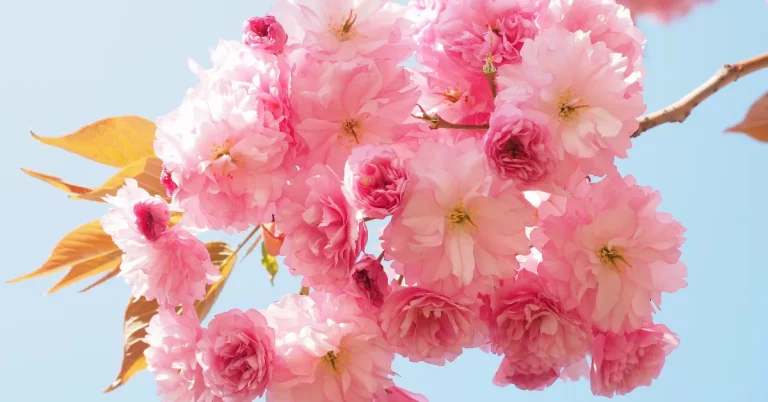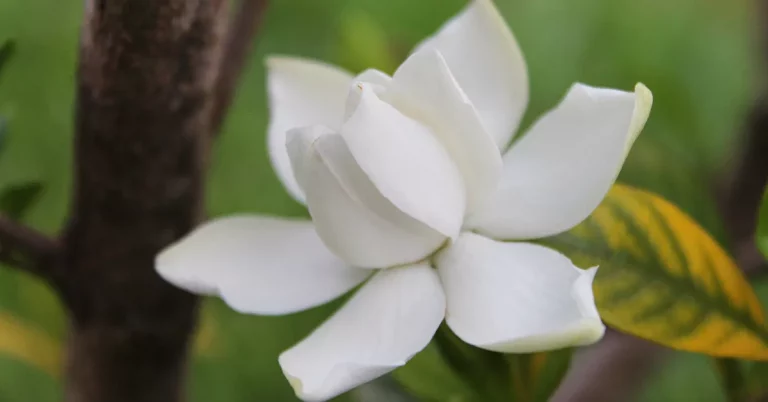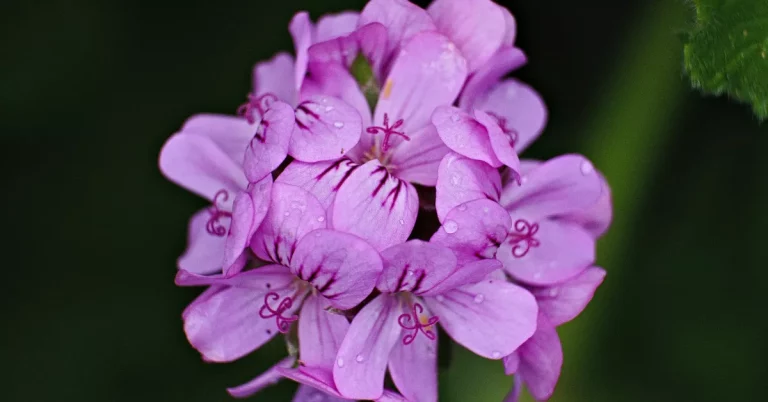
Magnolia is a floral perfume note with a smooth, luminous character that can feel creamy, citrus-touched, fresh, or softly sweet. In fragrance descriptions, “magnolia” usually refers to the impression of the flower rather than a guarantee that the perfume contains a literal magnolia extract.
What is magnolia?
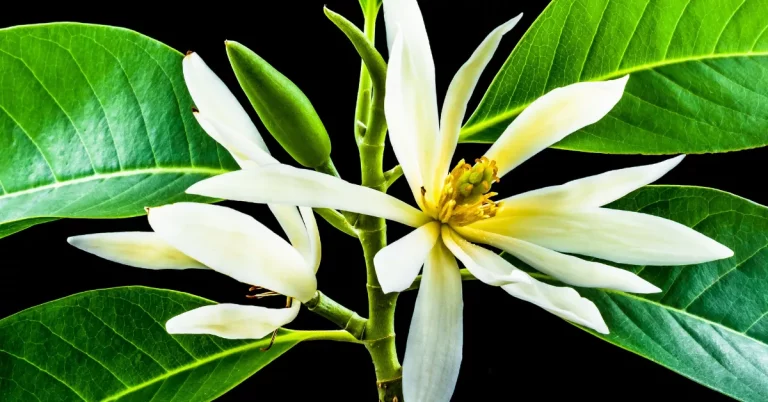
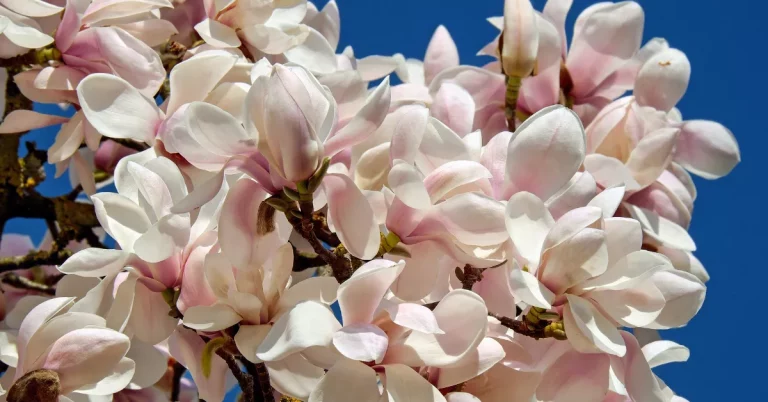
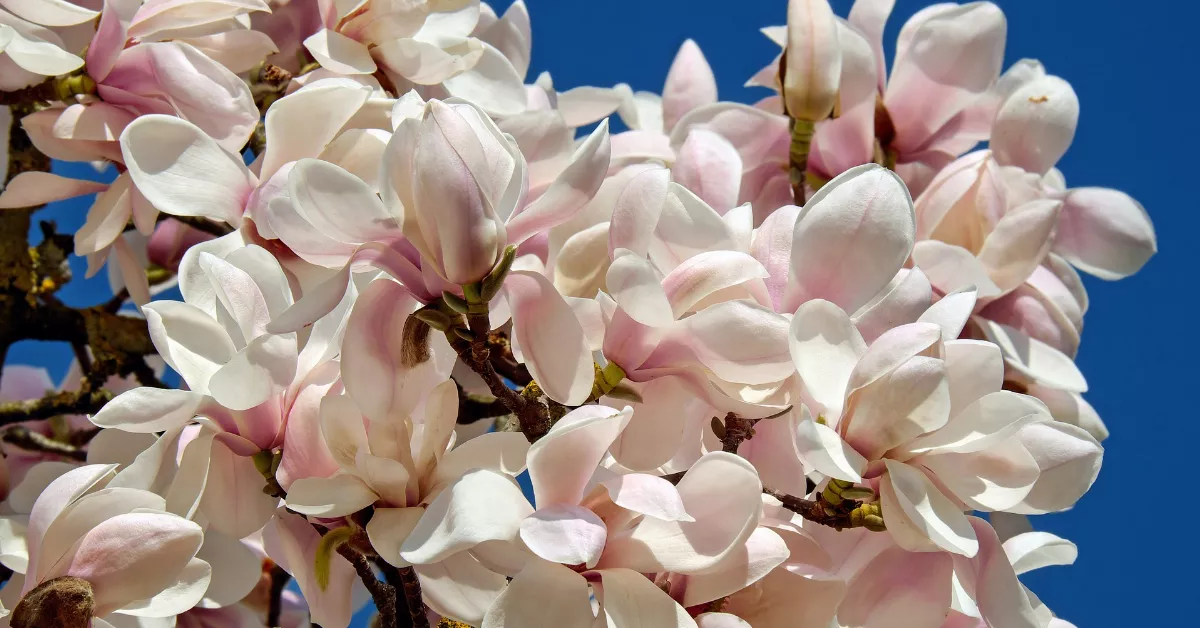
Magnolia is the name of a large group of flowering trees and shrubs known for conspicuous, often highly fragrant blossoms. Perfumery borrows from that floral character to create magnolia notes that can range from airy and petal-like to creamy and richly floral.
Flower versus fragrance note
Smelling a magnolia tree in bloom and seeing “magnolia” in a perfume note list are related ideas, but they are not automatically the same material. A perfume can recreate or stylize the scent of magnolia through an accord built from other aromatic materials.
This distinction matters because the perfumer may emphasize only one side of the flower: its creamy petals, its bright freshness, a lemony lift, or its soft white-floral richness.
What does magnolia smell like?
Magnolia is often interpreted as a polished floral with both freshness and body. It can sit between sparkling florals and creamier white-floral styles without necessarily becoming as dense or heady as tuberose or gardenia.
A smooth floral impression that suggests broad, velvety petals rather than a sharp green flower.
Many magnolia accords have a rounded, almost silky fullness that gives the floral body.
Magnolia can feel clean and open, especially when surrounded by citrus, watery, green, or musky notes.
Some interpretations bring out a lemony or sparkling brightness that keeps the flower from feeling heavy.
The sweetness is often floral and rounded rather than syrupy or dessert-like.
In richer compositions, magnolia can lean toward the plush, enveloping character associated with white flowers.
Why magnolia can smell different from perfume to perfume
“Magnolia” is not one rigid smell in perfumery. The botanical source, the perfumer’s chosen materials, and the notes around it can all change the impression.
A composed floral impression
A listed magnolia note can be created as an accord rather than from a single magnolia-derived ingredient. That gives the perfumer freedom to shape the flower toward brightness, creaminess, freshness, sweetness, or depth.
Even when a composition takes inspiration from real magnolia blossoms, the finished perfume is an interpretation. The surrounding formula determines which facets become most noticeable.
What changes the effect?
- Citrus and green notes can sharpen magnolia’s fresh, luminous side.
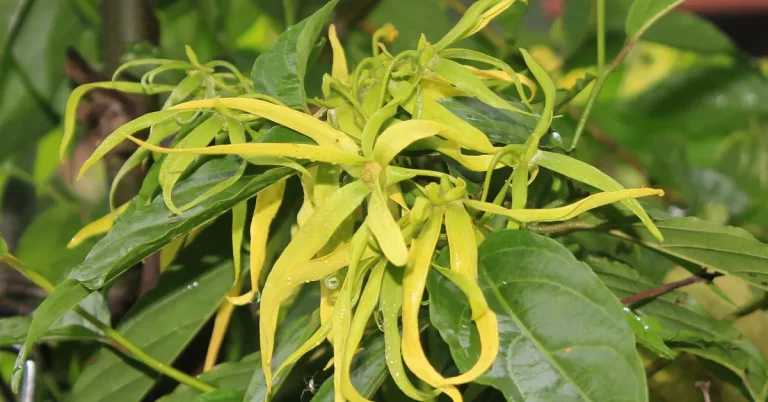
- Jasmine, tuberose, ylang-ylang, and rose can make it feel fuller and more floral.
- Fruit can emphasize sweetness and give the flower a juicier setting.
- Musk, woods, iris, vanilla, and amber can make magnolia feel softer, smoother, or warmer.
How magnolia works in a fragrance
Magnolia is useful when a composition needs a floral note that can feel elegant and substantial without always becoming dense. Depending on the formula, it can brighten a bouquet, connect citrus to florals, soften fruit, or add creamy volume to the heart.
What pairs well with magnolia?
Magnolia is flexible: bright notes make it airy, other flowers expand its bouquet, and woods or musks give its soft petals a smoother base.
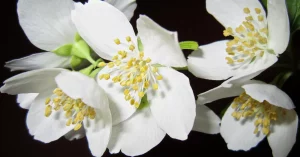

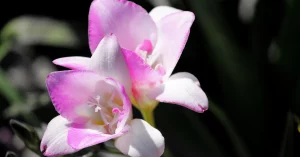
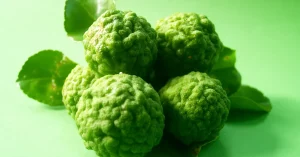
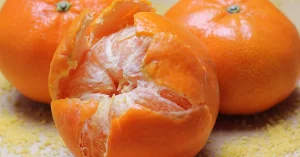
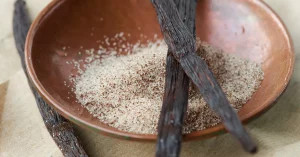
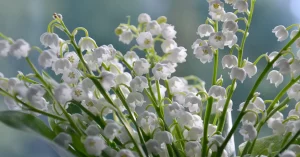
Perfumes that show different sides of magnolia
These fragrances place magnolia in very different settings, from bright fruit and airy florals to spice, woods, vanilla, and musk.
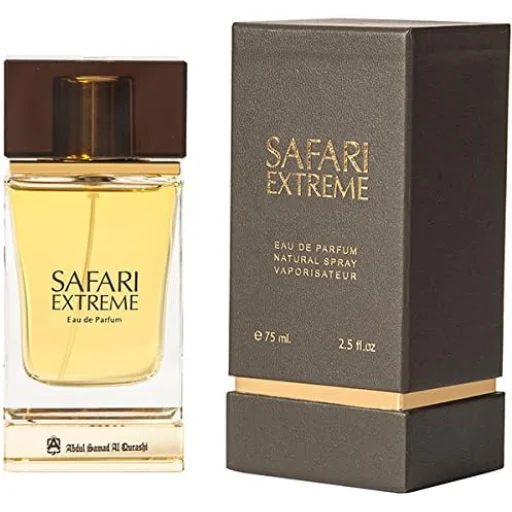
Safari Extreme
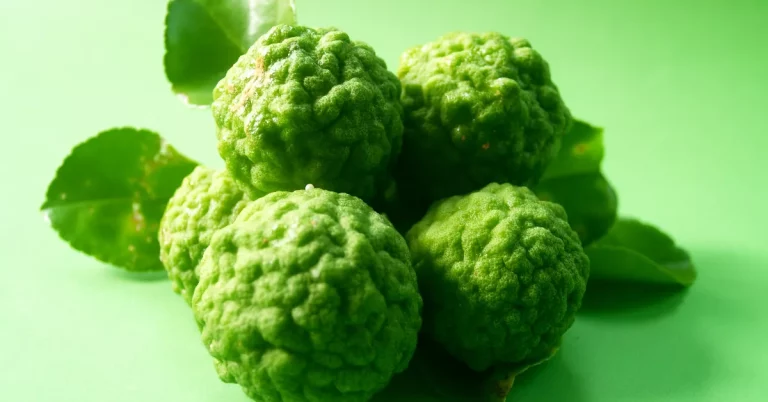
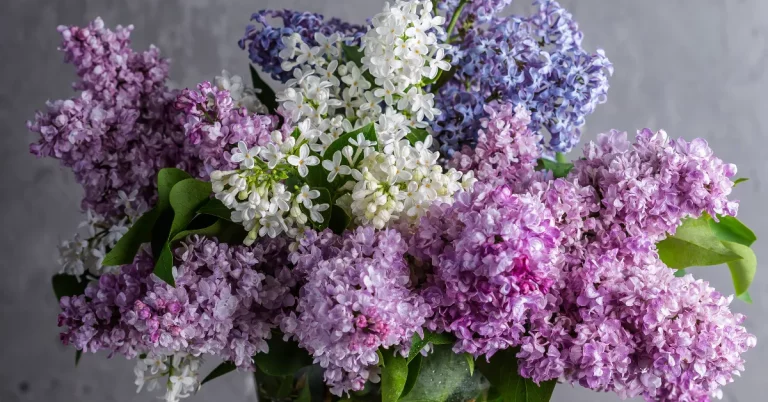
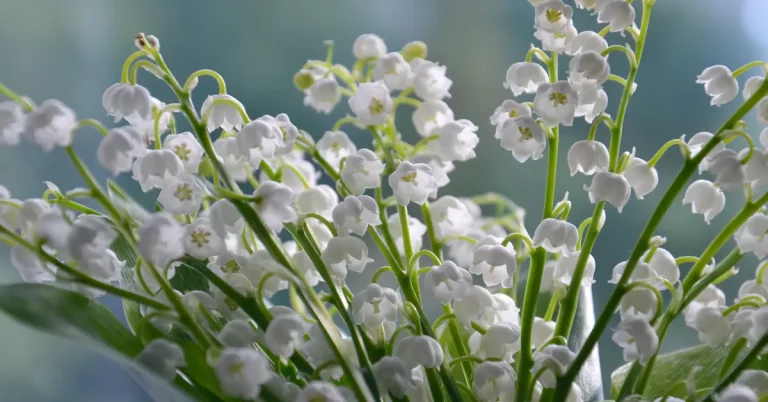
Magnolia appears in a crowded, highly contrasted opening where citrus, raspberry, saffron, herbs, lilac, lily of the valley, and other florals quickly build complexity. The heart then expands into spices, resins, fruit, and a dense floral bouquet before settling into a warm woody, musky, leathery base.
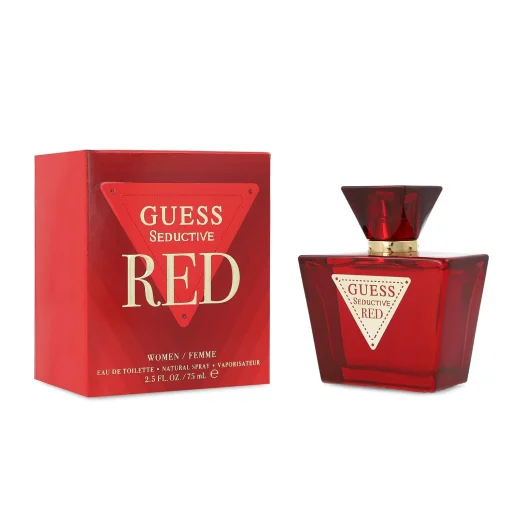
Seductive Red
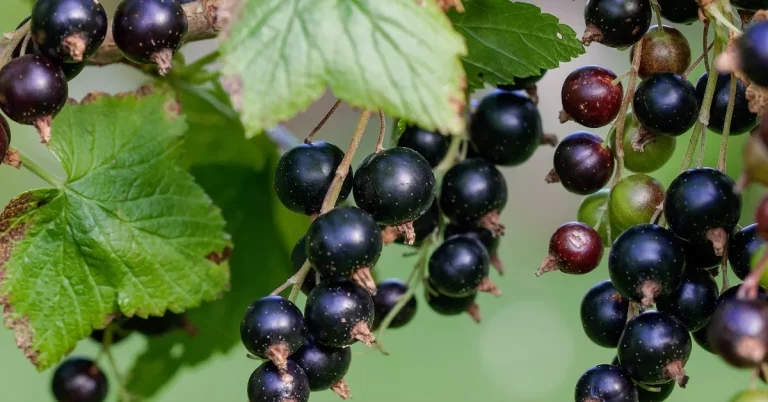
Magnolia sits in the floral heart between cherry blossom and violet, following an opening of cherry, almond, and pink pepper. Vanilla, tonka bean, and sandalwood give the base a warm sweetness, so the magnolia functions inside a fruity-floral composition rather than as a solitary flower.
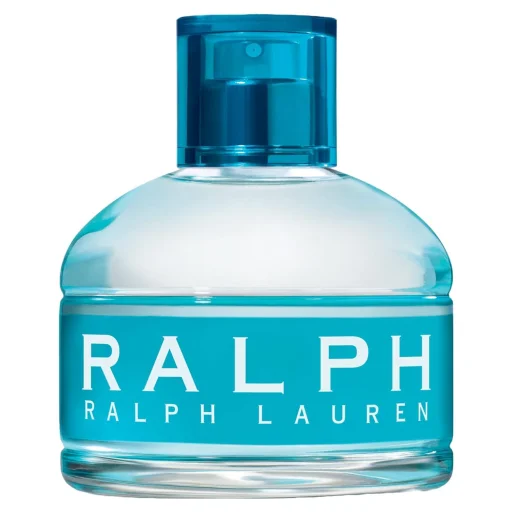
Ralph
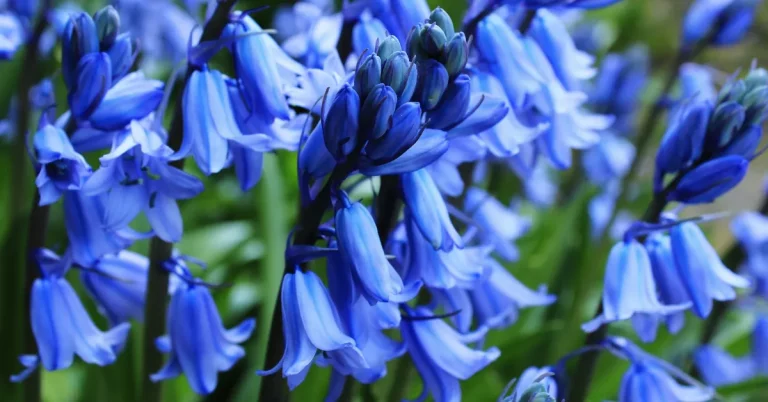
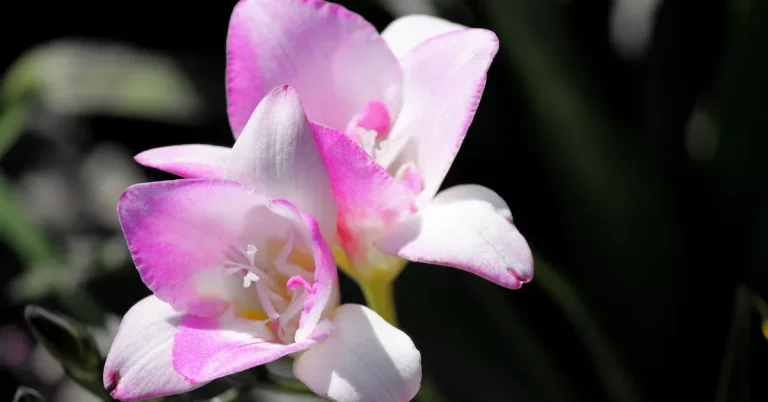
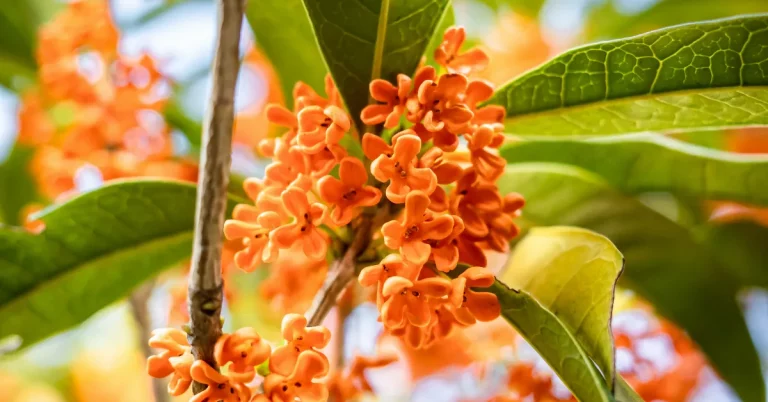
This composition places magnolia in a fresh floral heart with yellow freesia and boronia. Apple leaf, Italian mandarin, and Japanese osmanthus make the opening feel bright and fruity-green, while musk and white iris keep the drydown clean and soft.
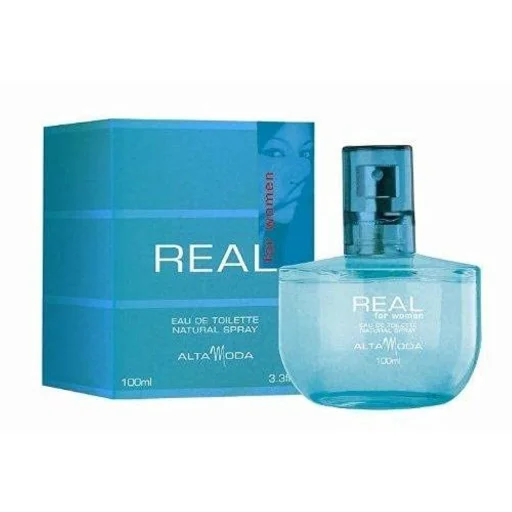
Real
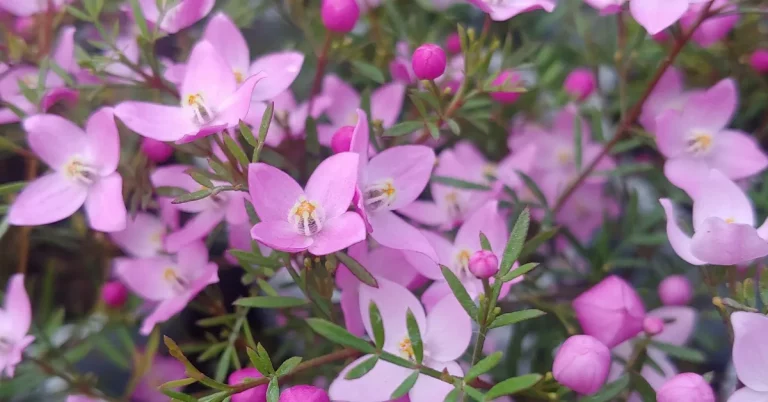
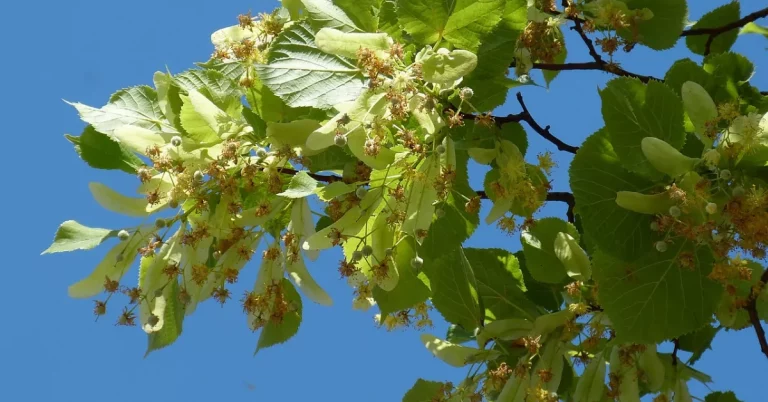
Magnolia appears in a broad floral heart with lime blossom, boronia, freesia, jasmine, and rose, alongside an unusual basmati rice note. A fruit-heavy citrus opening leads into that bouquet, while iris, musk, sandalwood, and amber create a soft, powdery-woody base.
Four ways magnolia can be framed
Safari Extreme
- Magnolia partners
- Bergamot, mandarin, lilac, lily of the valley, raspberry, saffron
- Surrounding character
- Complex, citrusy, floral, spicy, woody, and warm
- Choose this direction if…
- You want magnolia woven into a dense, highly layered composition rather than isolated as a delicate flower.
Seductive Red
- Magnolia partners
- Cherry blossom, violet, cherry, vanilla, tonka bean
- Surrounding character
- Fruity, sweet, floral, warm, and creamy
- Choose this direction if…
- You like magnolia softened by cherry and wrapped in a sweet vanilla-sandalwood base.
Ralph
- Magnolia partners
- Yellow freesia, boronia, mandarin, apple leaf, musk
- Surrounding character
- Fresh, fruity, green, floral, and clean
- Choose this direction if…
- You want a brighter, breezier magnolia surrounded by crisp fruit, citrus, light florals, and musk.
Real
- Magnolia partners
- Freesia, jasmine, rose, boronia, lime blossom, iris
- Surrounding character
- Floral, fruity, citrusy, softly powdery, and woody
- Choose this direction if…
- You enjoy magnolia as one flower inside a broad bouquet with a fruity opening and soft musky-woody base.
Magnolia perfume FAQ
Is magnolia a sweet perfume note?
It can be softly sweet, but magnolia is usually more floral than sugary. Fruit, vanilla, tonka bean, or amber can make a magnolia-centered composition smell noticeably sweeter.
Is magnolia a white floral?
Magnolia is often discussed alongside white florals because many species have pale blossoms and the perfume note can have a creamy, full floral character. In fragrance, however, it can also be styled much fresher, greener, or more citrusy.
Does a magnolia note mean the perfume contains natural magnolia extract?
No. A note list describes the scent impression or structure of a fragrance, not necessarily its literal raw-material formula. Magnolia may be represented through an accord or a combination of aromatic materials.
Why does magnolia smell lemony in some perfumes?
Perfumers can emphasize the flower’s bright, fresh side, and citrus notes such as bergamot or mandarin can make that effect even more obvious.
What is the difference between magnolia and jasmine in perfume?
Both can contribute a rich floral effect, but magnolia is often presented as smoother, fresher, and more petal-like, while jasmine frequently brings a more expansive and unmistakably heady white-floral character. The exact contrast depends on the accord and surrounding notes.
Who might like magnolia fragrances?
Magnolia is worth exploring if you enjoy polished florals that can move between clean and airy, creamy and soft, or lightly fruity. The surrounding notes matter greatly, so a magnolia perfume can feel very different from one composition to another.
Magnolia is a flower with room to change
In perfume, magnolia is less a single fixed effect than a versatile floral idea. It can glow beside citrus and freesia, become sweeter with fruit and vanilla, or gain depth among jasmine, rose, woods, musk, and spice. If you like florals that feel smooth and elegant without always becoming heavy, magnolia is an especially useful note to recognize.