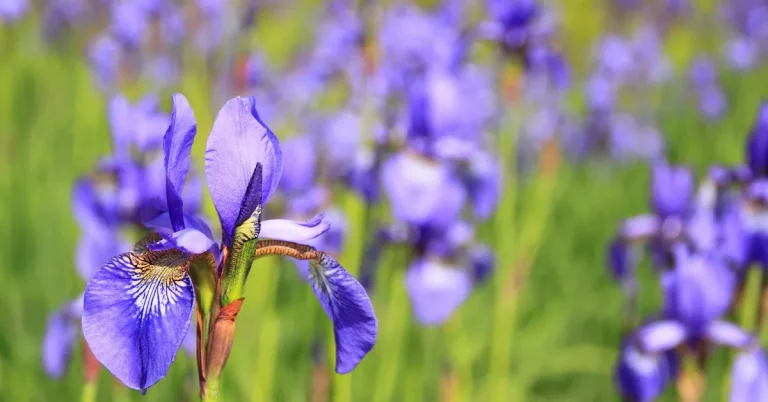
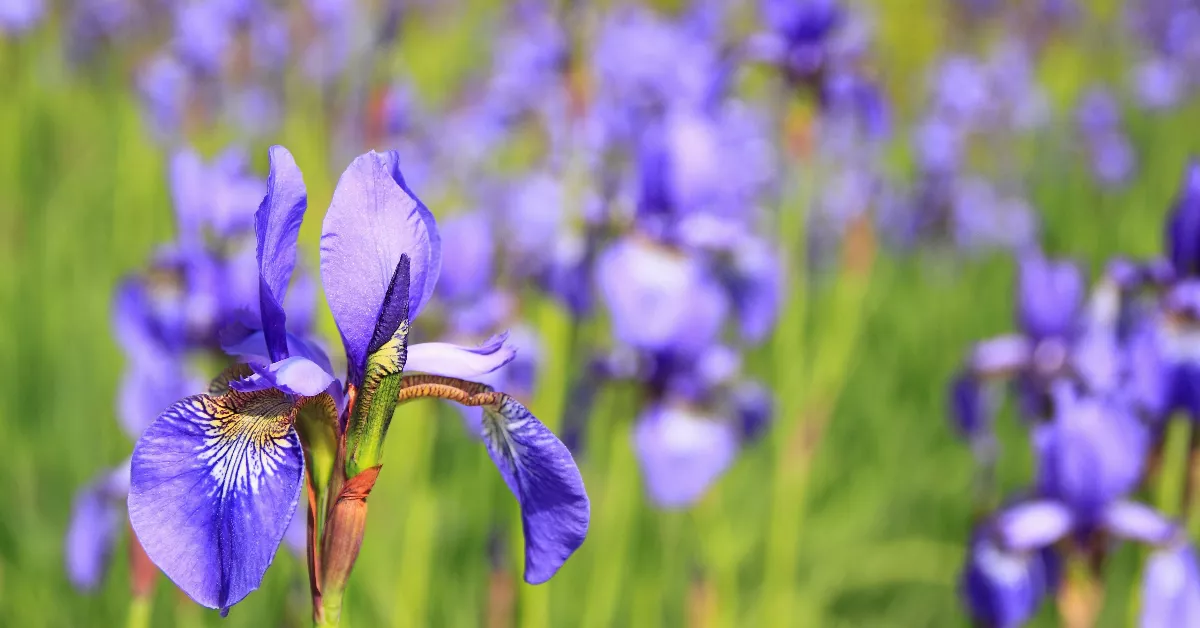
Iris is one of perfumery’s most distinctive floral ideas, prized less for the smell of the fresh flower than for the elegant, powdery character associated with its underground rhizomes. In fragrance, an iris note can feel soft and cosmetic, cool and rooty, buttery, woody, or violet-like depending on the materials used around it.
What is iris?
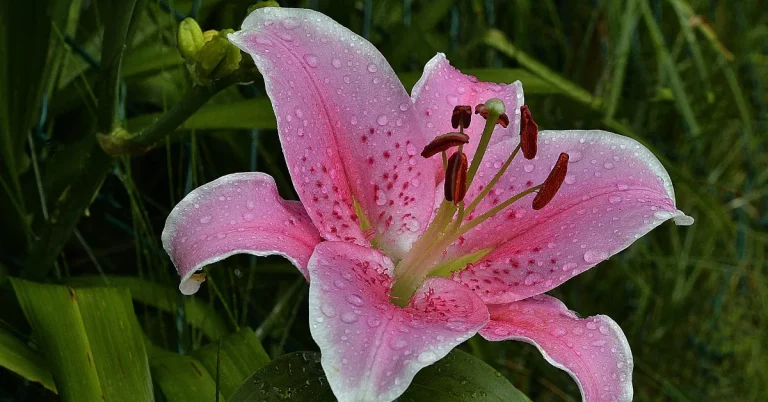
Iris is a flowering plant genus, but the classic perfume material associated with iris is traditionally connected to the plant’s rhizome rather than the petals themselves. This distinction matters because the perfume note people call “iris” often smells quite different from a freshly blooming iris flower.
Flower in name, root-like in character
In perfumery, iris is closely associated with orris, the fragrant material obtained from selected iris rhizomes after careful preparation and aging. Orris materials are precious and can contribute a refined, smooth, powdery impression.
Many modern perfumes create an iris effect with a blend of aroma materials rather than relying entirely on natural orris. A listed iris note therefore describes the intended scent impression, not necessarily a literal extract of iris in the formula.
What does iris smell like?
Iris can shift dramatically from one perfume to another. Some compositions emphasize a soft face-powder effect, while others bring out cool roots, polished woods, creamy textures, or a subtle violet-like floral quality.
A smooth, cosmetic softness often compared with fine face powder or a softly scented vanity.
A gentle floral impression that can lean cool, slightly sweet, and delicately purple in character.
An earthy, dry facet that keeps iris from behaving like a simple petal-heavy floral.
Some iris accords feel rounded and creamy, giving the composition a plush, almost suede-like smoothness.
Iris can blend naturally into sandalwood, cedar-like effects, amber woods, and other dry base materials.
In restrained formulas, iris can create a polished, airy, almost mineral cleanliness without smelling conventionally soapy.
Why iris can smell so different
The word “iris” on a perfume note list covers a broad creative territory. Natural orris materials, violet-like aroma materials, woods, musks, and other supporting ingredients can all influence how the finished iris accord is perceived.
Natural material versus iris accord
Traditional orris materials come from the rhizomes of certain iris plants and require substantial processing before they become useful in perfumery. Their aroma is valued for its smooth, powdery, rooty complexity.
Because natural orris is costly and iris is also an artistic concept, perfumers frequently build iris accords with a combination of materials. The resulting note can be brighter, cleaner, woodier, sweeter, drier, or more violet-like than a natural orris material on its own.
What changes the effect?
- Violet-like materials can push iris toward a soft floral and cosmetic direction.
- Woods and amber notes can make iris feel drier, warmer, and more structured.
- Vanilla and tonka can turn the powdery side creamier and sweeter.
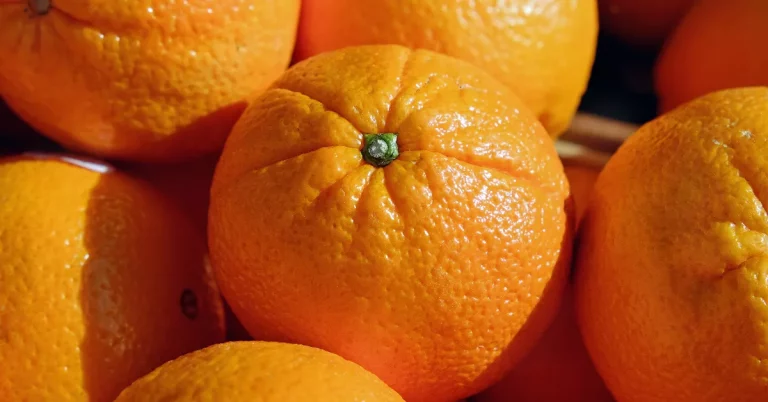
- Citrus, aromatic, or watery notes can make iris feel cleaner, cooler, and more transparent.
How iris works in a fragrance
Iris is often used to create texture as much as obvious floral scent. It can smooth transitions between notes, soften woods and spices, give florals a polished powdery veil, or add a refined coolness to richer compositions.
What pairs well with iris?
Iris is especially versatile beside soft florals, creamy woods, warm base notes, and bright accents that keep its powdery side from becoming too dense.
Perfumes that show different sides of iris
The supplied fragrances place iris in very different settings, from warm spice and vanilla to expansive woods, florals, fruit, and aquatic notes.
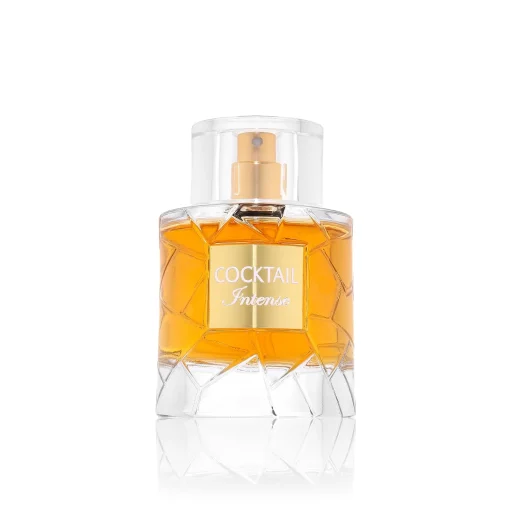
Cocktail Intense
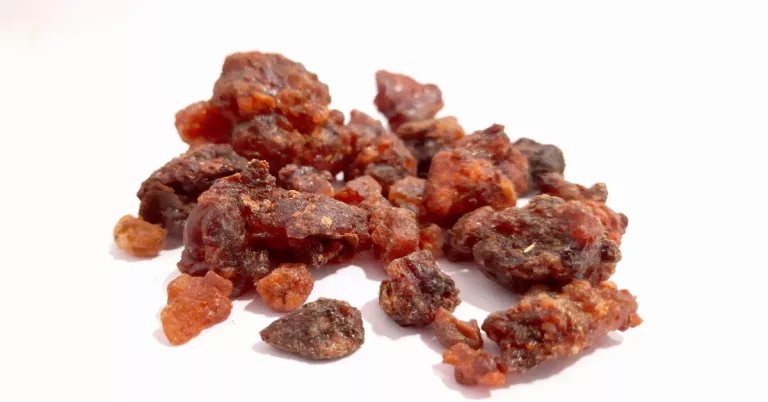
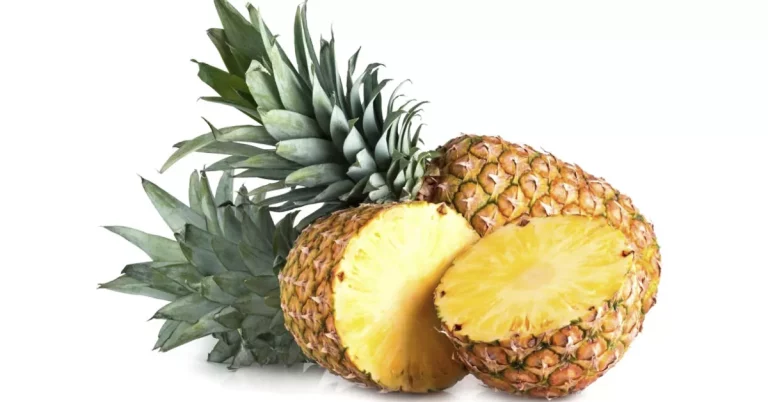
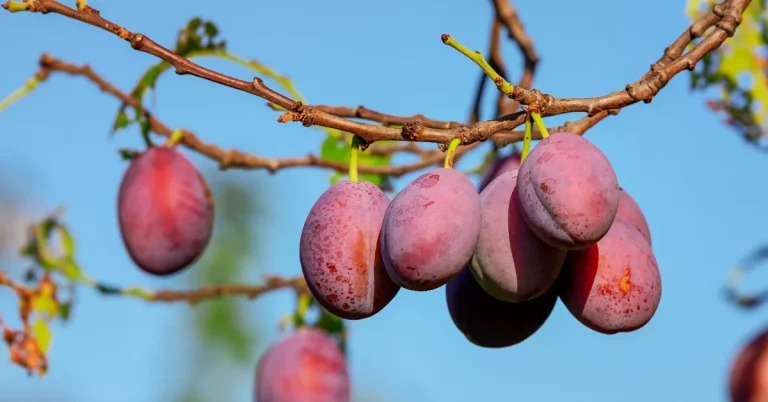
Iris appears in the heart beside myrrh and cashmeran, following an opening of cognac, cinnamon, and plum. The base of vanilla, tonka bean, and sandalwood gives the composition a warm, sweet, woody setting for iris.
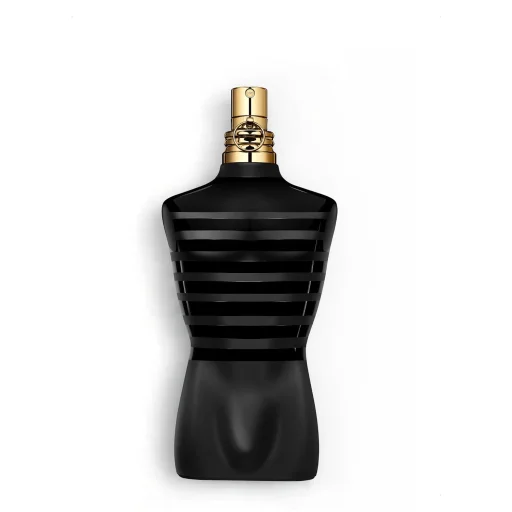
Le Male Le Parfum
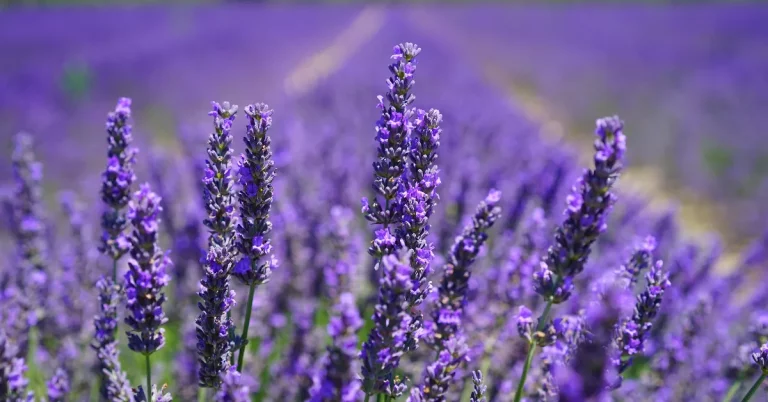
A cardamom opening leads into a heart built around lavender and iris, with vanilla, oriental notes, and woody notes beneath. The structure places iris between aromatic lavender and a warm, sweet base.

Safari Extreme
Safari Extreme surrounds iris with a broad range of florals, fruits, spices, woods, leather, musk, amber, and vanilla. Iris is listed in the base, where it sits beside sandalwood, suede, leather, musk, and other deep materials.
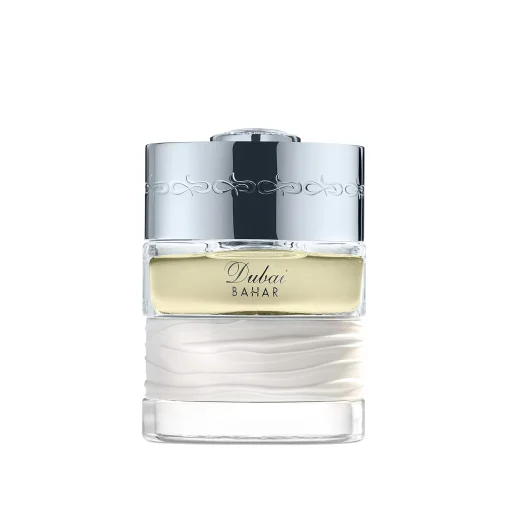
Bahar
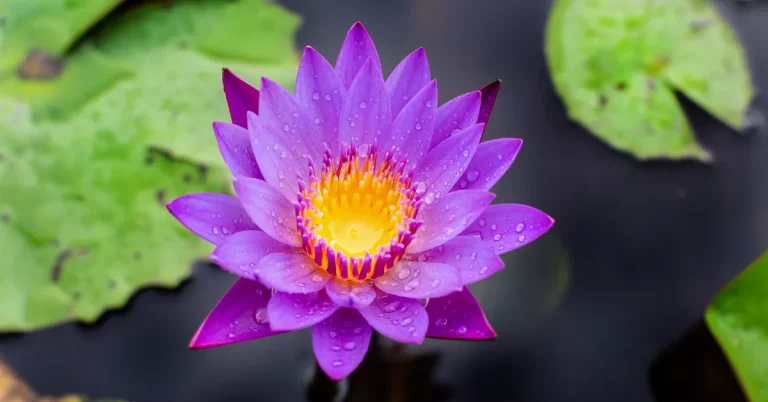
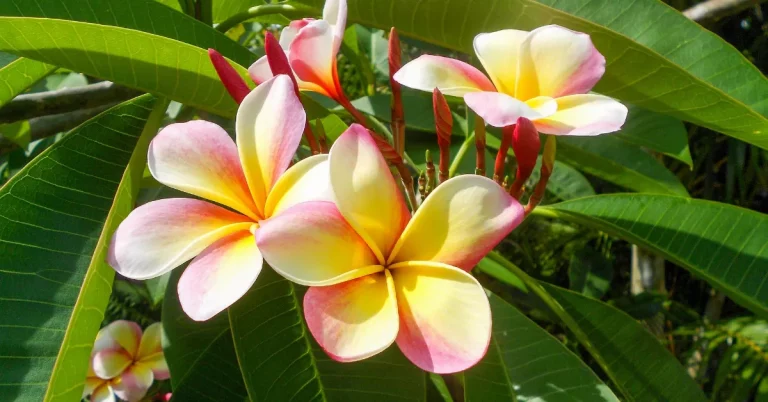
Bahar places iris in a complex heart with lotus, jasmine, rose, violet leaf, sandalwood, cedar, saffron, vanilla, and other notes. Its bright aquatic-citrus opening and woody amber base give iris a much fresher, more expansive frame than the warmer examples above.
Four ways to wear iris
Cocktail Intense
- Iris partners
- Myrrh, cashmeran, vanilla, tonka bean, sandalwood
- Surrounding character
- Warm spicy, sweet, resinous, and woody
- Choose this direction if…
- You want iris folded into a rich, warm structure rather than presented as a cool floral centerpiece.
Le Male Le Parfum
- Iris partners
- Lavender, cardamom, vanilla, woody notes
- Surrounding character
- Aromatic, spicy, powdery, and warm
- Choose this direction if…
- You like iris paired with lavender and vanilla in a streamlined aromatic-amber structure.
Safari Extreme
- Iris partners
- Sandalwood, leather, suede, musk, amber, vanilla
- Surrounding character
- Woody, warm, leathery, floral, and densely layered
- Choose this direction if…
- You prefer iris as one texture within a complex base full of woods, leather, spice, musk, and sweetness.
Bahar
- Iris partners
- Lotus, violet leaf, jasmine, rose, sandalwood, cedar, saffron
- Surrounding character
- Fresh, aquatic, citrusy, floral, and woody
- Choose this direction if…
- You want iris surrounded by bright watery notes and a broad floral-woody heart instead of a primarily powdery composition.
Iris perfume FAQ
Does iris perfume smell like an iris flower?
Not necessarily. The classic iris character in perfumery is associated with orris materials from iris rhizomes and with accords designed to evoke powdery, rooty, violet-like, woody, or creamy facets.
What is the difference between iris and orris?
Iris is the plant and the broad perfume-note idea. Orris refers to perfumery materials derived from the prepared rhizomes of certain iris plants. A perfume labeled with an iris note may use natural orris, an iris accord, or a combination of materials.
Why does iris often smell powdery?
Powderiness is one of the classic effects associated with iris and orris in perfume. Perfumers can emphasize that impression with complementary floral, woody, musky, vanilla-like, or violet-like materials.
Is iris always a floral note?
It is usually categorized within floral perfumery, but its scent can behave almost like a bridge between floral, woody, earthy, and powdery families. Some iris perfumes feel more rooty or woody than petal-like.
Can iris smell sweet?
Yes, especially when it is paired with vanilla, tonka bean, amber, or sweet florals. On its own as a perfume idea, however, iris can also be dry, cool, earthy, or restrained.
What notes are good with iris if I do not want too much powder?
Citrus, aromatic herbs, watery notes, green notes, and dry woods can make an iris-centered fragrance feel fresher or more transparent. The final effect still depends on the full composition.
Iris is less a single smell than a refined perfume texture
Its signature can move from cool violet-like powder to creamy woods, earthy roots, soft suede, or warm vanilla. That flexibility is exactly why iris appears in such different fragrance styles: it can become the star of a composition or quietly smooth and connect everything around it.