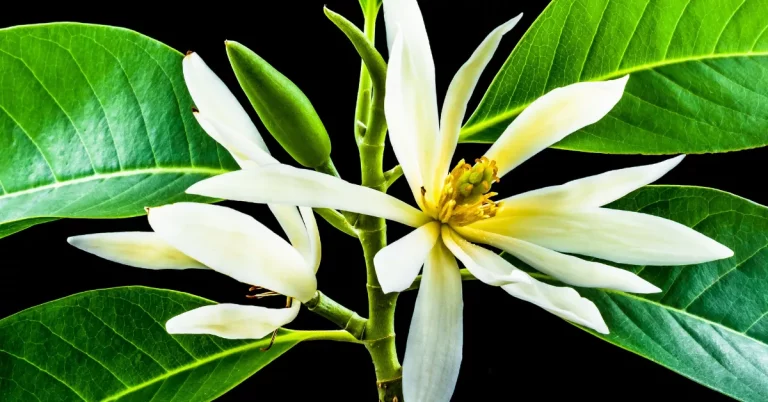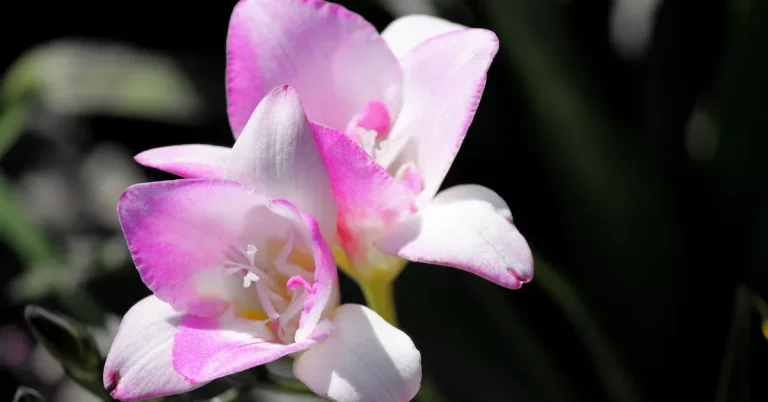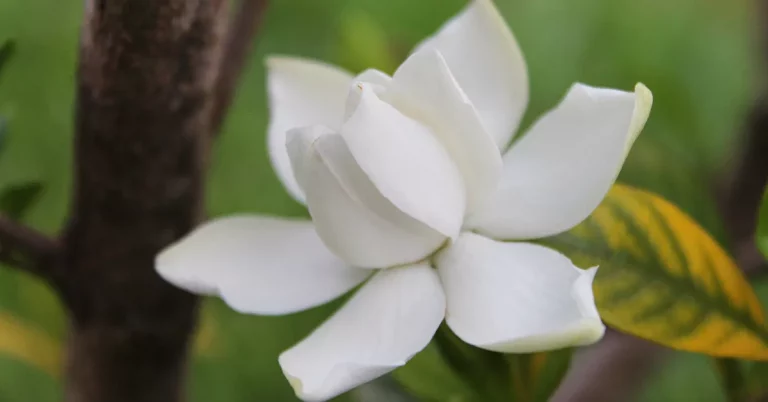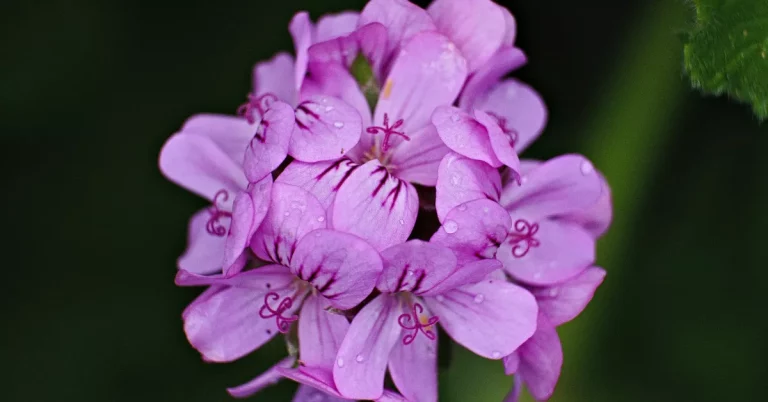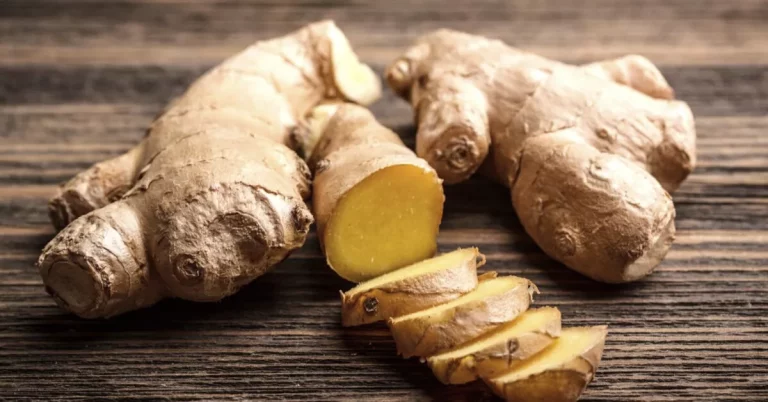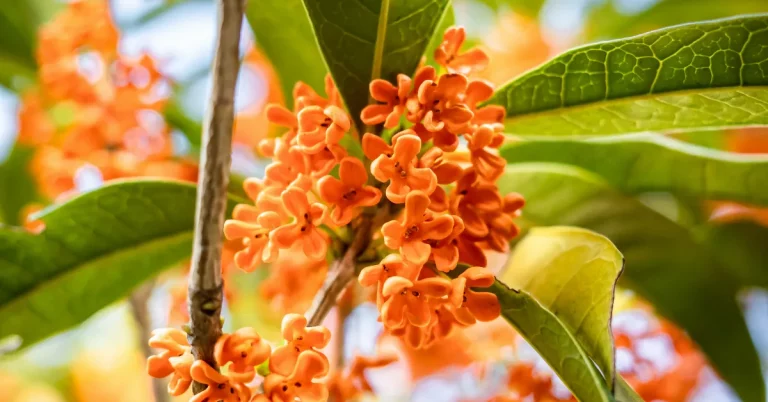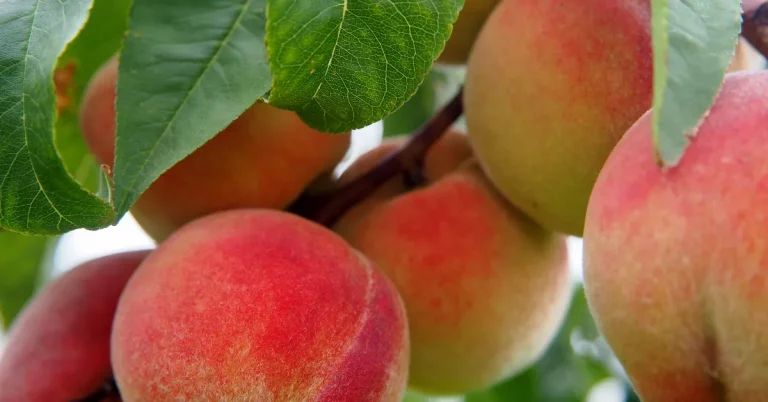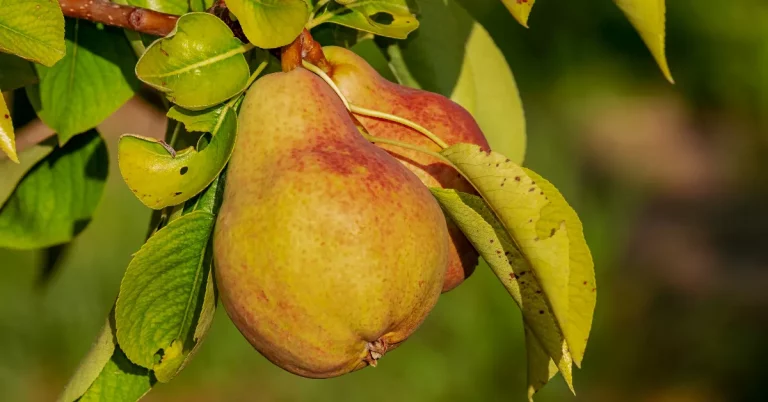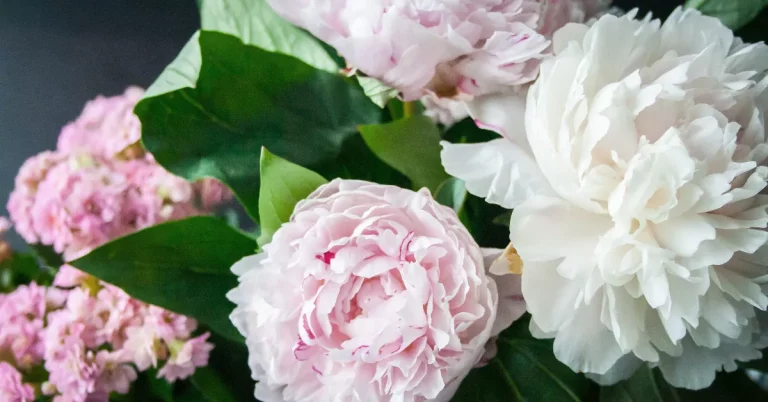
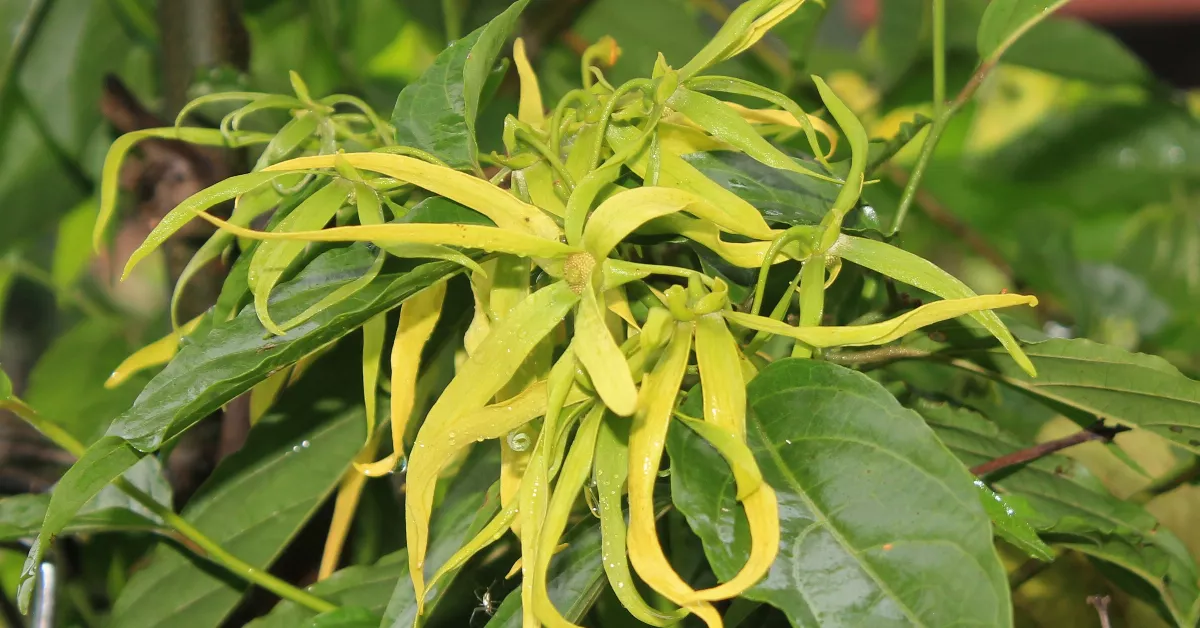
Ylang-ylang is a lush tropical floral note known for its creamy sweetness, soft spice, and almost custard-like richness. Natural ylang-ylang oil is distilled from the intensely fragrant flowers of Cananga odorata, while a perfume’s listed ylang-ylang note may represent natural material, a reconstructed accord, or a blend of both.
What is ylang-ylang?
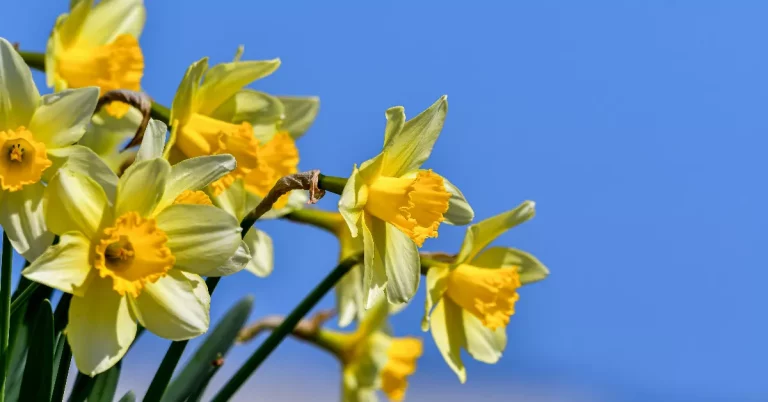
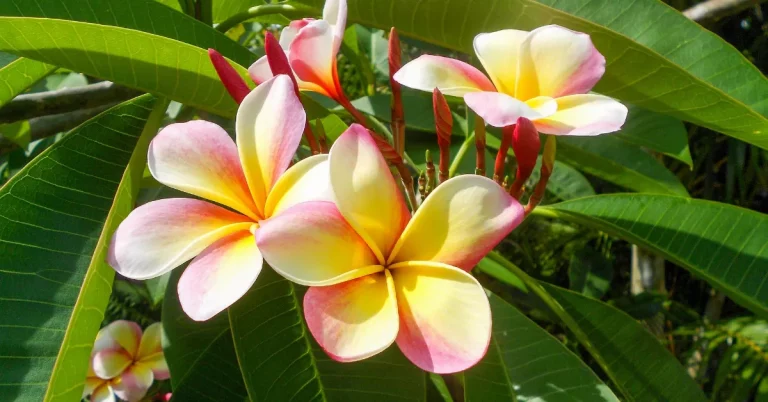
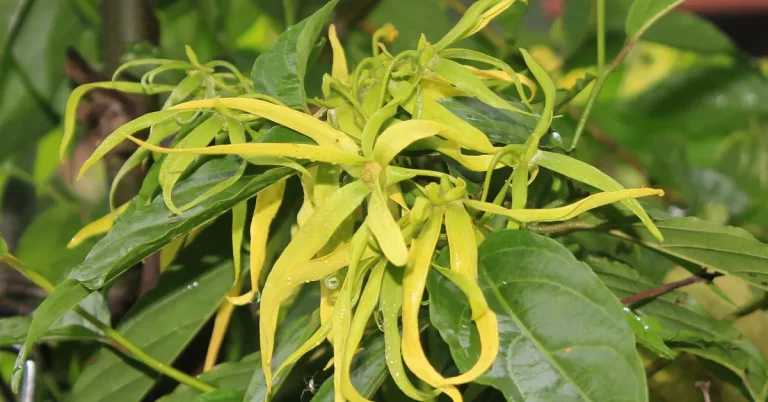
Ylang-ylang comes from the fragrant flowers of Cananga odorata, a tropical tree in the Annonaceae family. The species is native across parts of Southeast Asia through New Guinea and northern Australia and is also widely cultivated in other tropical regions.
From tropical flower to perfume material
The long-petaled flowers are highly fragrant and are commonly steam-distilled to produce ylang-ylang essential oil. The aroma captured during distillation is rich and multidimensional rather than simply “sweet floral.”
In a finished fragrance, however, the words ylang-ylang describe a scent impression. A note listing alone does not establish that a specific natural ylang-ylang oil was used in the formula.
What does ylang-ylang smell like?
Ylang-ylang is usually described as a full, sweet floral with creamy tropical warmth. Depending on the material and the notes around it, it can move from airy and petal-like to dense, buttery, fruity, spicy, or softly balsamic.
A voluptuous flower impression that feels broader and more rounded than a delicate spring blossom.
A smooth, almost buttery softness can make the floral accord feel plush and enveloping.
Its sweetness can suggest ripe petals, nectar, or tropical fruit without necessarily becoming gourmand.
Some interpretations reveal a soft banana-like or exotic-fruit nuance beneath the floral body.
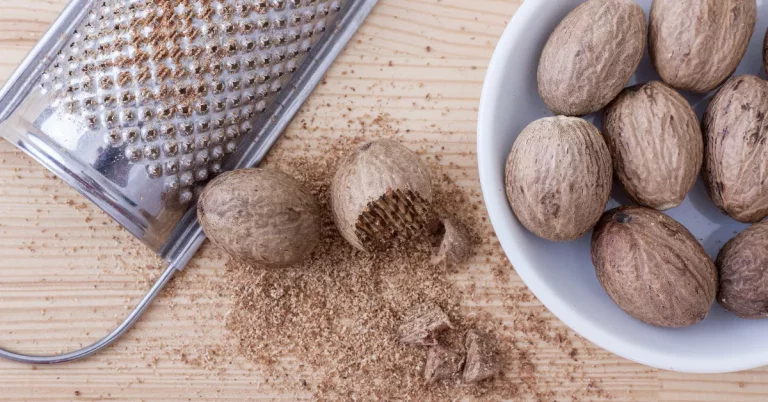
A subtle warm, peppery, or clove-like edge can keep the flower from feeling purely soft.
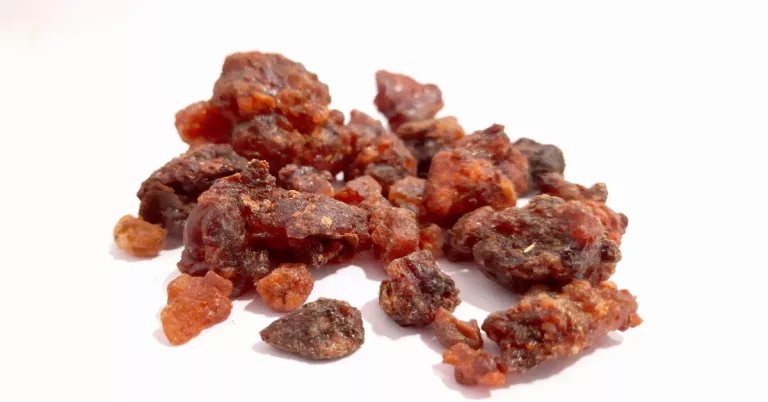
In heavier compositions, ylang-ylang can become dense, narcotic, and opulent beside amber, vanilla, resins, and woods.
Why ylang-ylang can smell so different
Natural ylang-ylang oil is unusual because the distillation may be collected in successive fractions. Those fractions do not smell identical, and the flower itself can also vary with maturity, growing conditions, and processing.
Successive distillation fractions
Commercial ylang-ylang oil may be separated into grades collected at different stages of distillation, commonly including Extra, First, Second, and Third fractions. Earlier fractions tend to emphasize more volatile floral material, while later fractions become compositionally different and generally heavier.
A perfumer may therefore be working with a particular fraction, a complete oil, another ylang-derived material, or a reconstructed ylang-ylang accord. That choice can noticeably change the result.
What changes the impression?
- The distillation fraction or type of ylang-ylang material used.
- The maturity of the flowers and conditions under which they were grown.
- The balance of citrus, florals, spices, woods, resins, musks, and sweet notes around it.
- Whether ylang-ylang is the main floral theme or a supporting part of a larger accord.
How ylang-ylang works in a fragrance
Ylang-ylang is especially useful in floral compositions because it can add body, warmth, sweetness, and continuity. It can make a bouquet feel richer, soften sharp citrus or spice, and connect luminous top notes with warmer woods and amber effects below.
What pairs well with ylang-ylang?
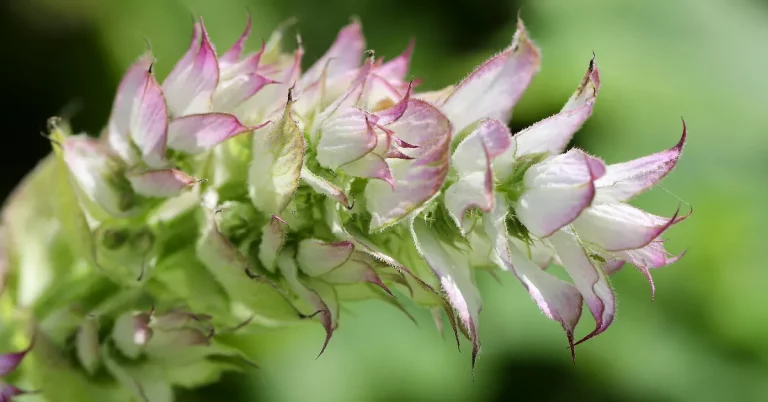
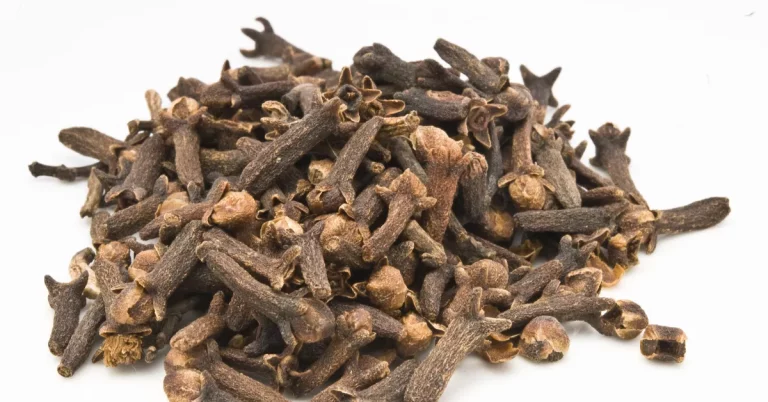
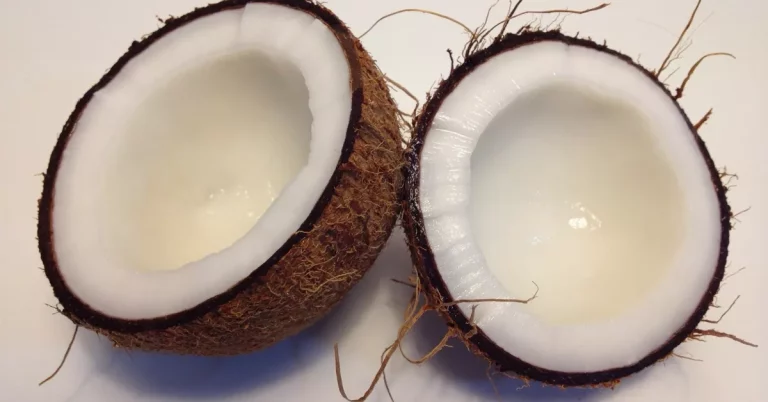
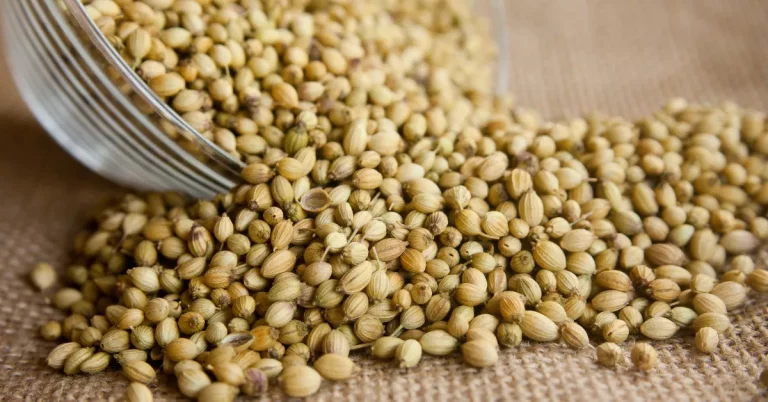
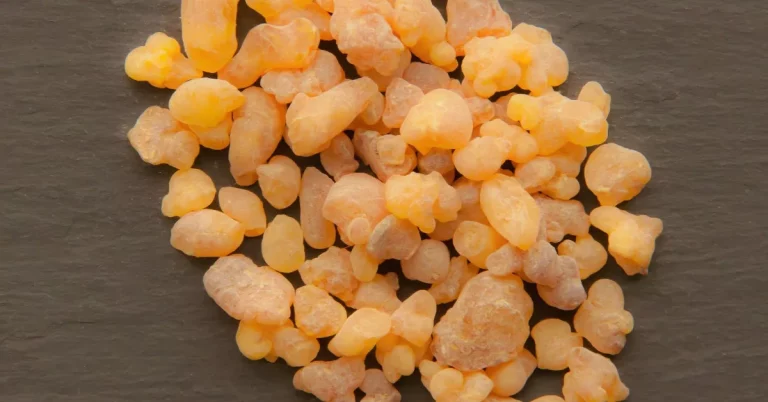
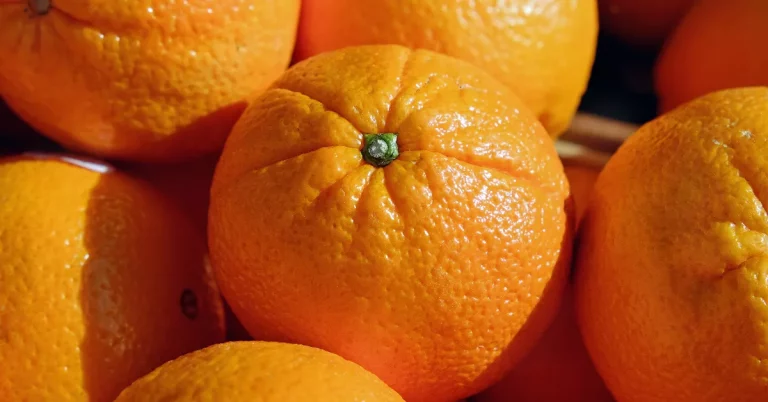
Ylang-ylang is especially at home with luminous flowers, bright citrus, creamy woods, and warm sweet notes. Each pairing can pull a different facet forward.
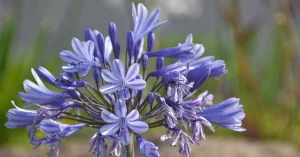
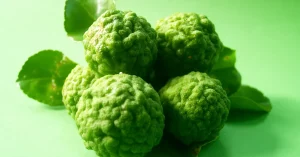
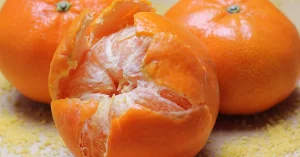
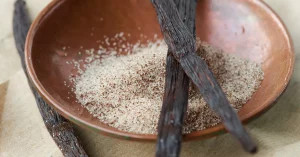
Perfumes that show different sides of ylang-ylang
These three fragrances place ylang-ylang beside very different surrounding notes, from warm amber and dates to powdery rose and a sprawling floral-spice structure.
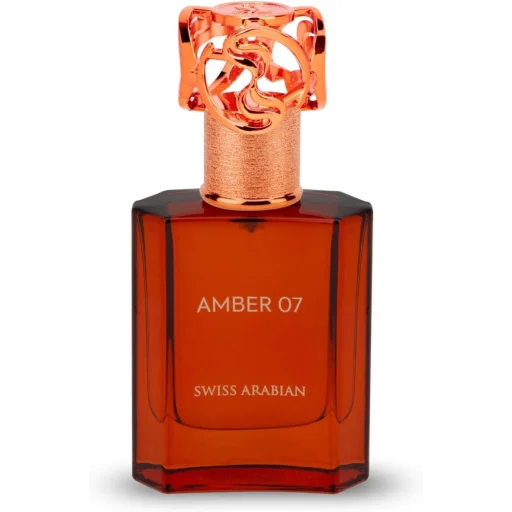
Amber 07
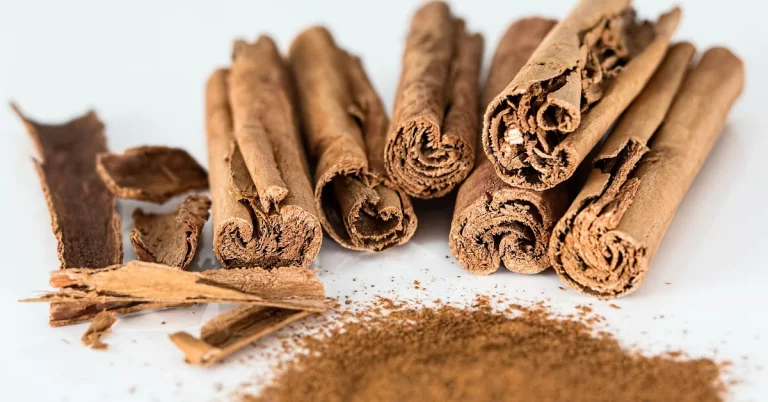
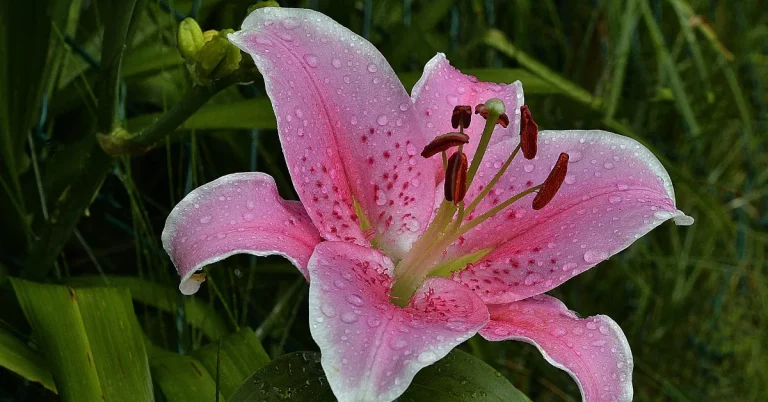
Amber, dates, and cinnamon open the fragrance with sweet warmth before rose, ylang-ylang, and orris form a floral heart. Sandalwood, incense, vanilla, and patchouli then deepen the composition into a woody, resinous, sweet base.
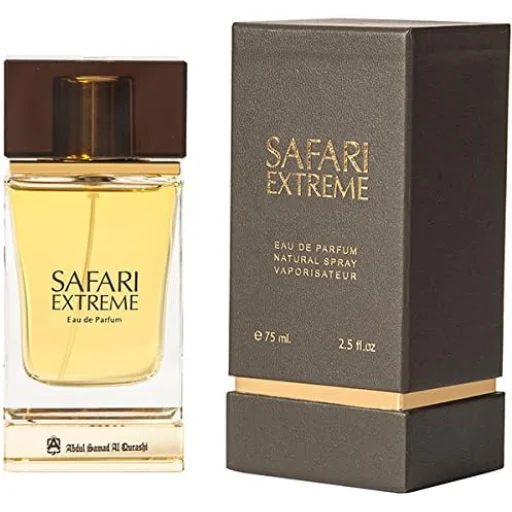
Safari Extreme
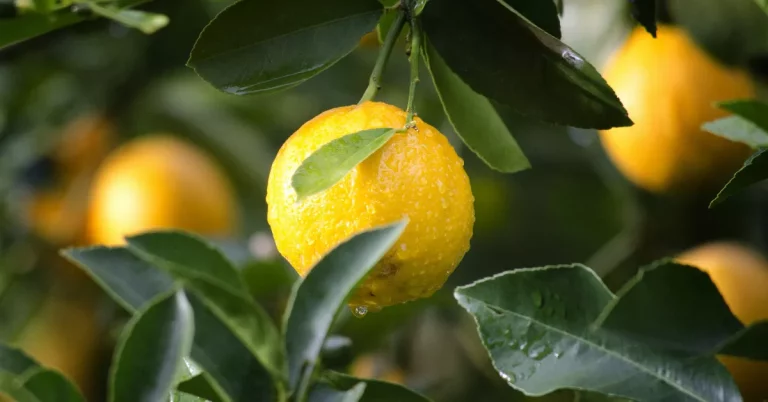
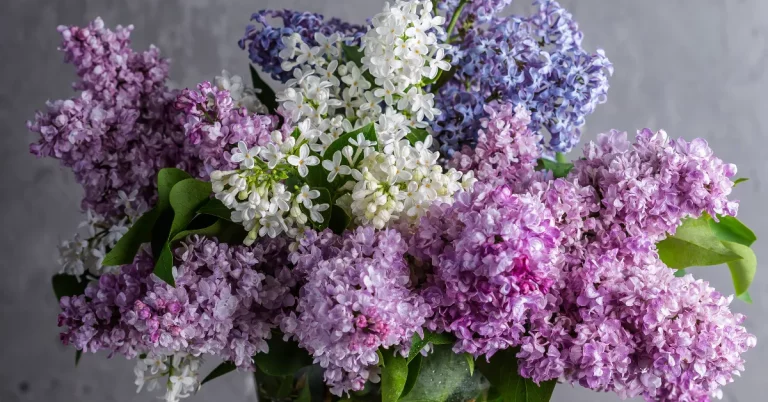
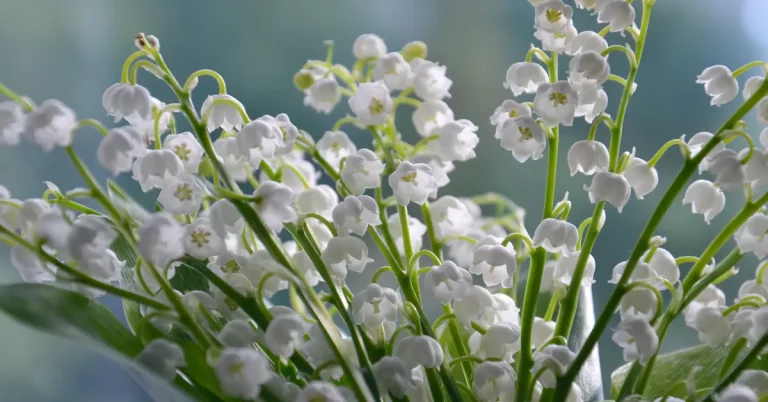
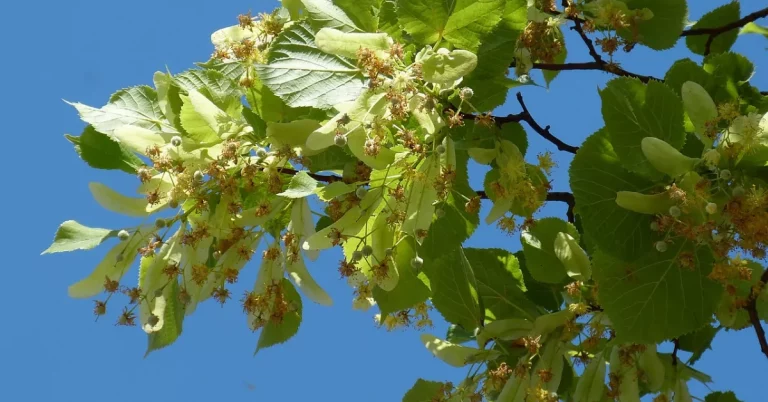
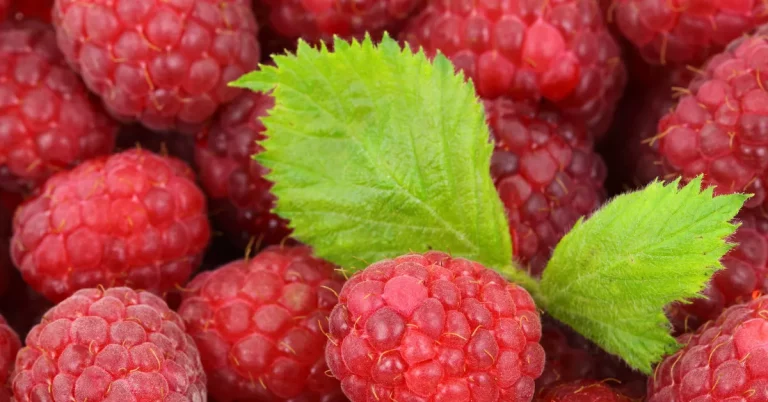
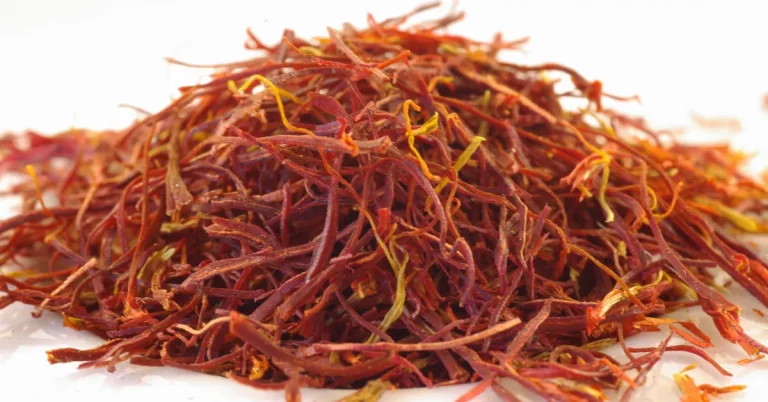
A wide-ranging opening combines mandarin orange, raspberry, saffron, magnolia, thyme, lime blossom, bergamot, lily-of-the-valley, and lilac. Ylang-ylang then appears in an especially complex floral-spiced heart before a warm woody, leathery, musky base.
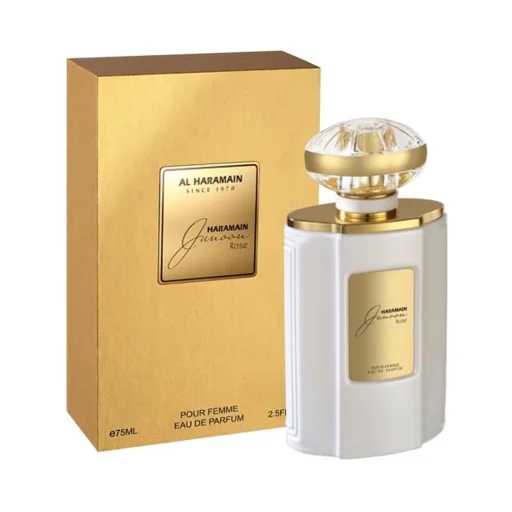
Junoon Rose
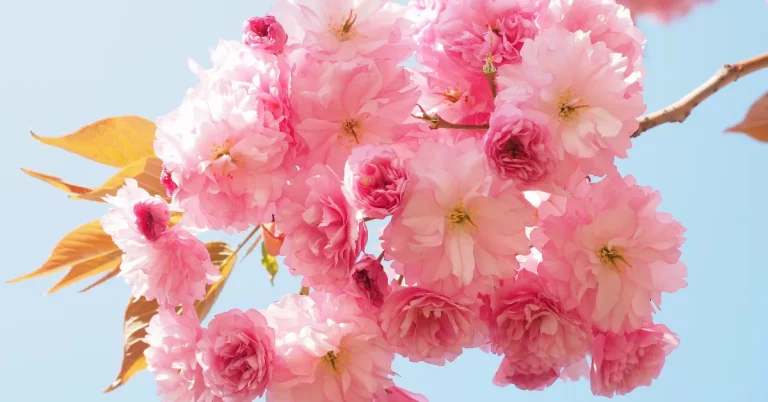
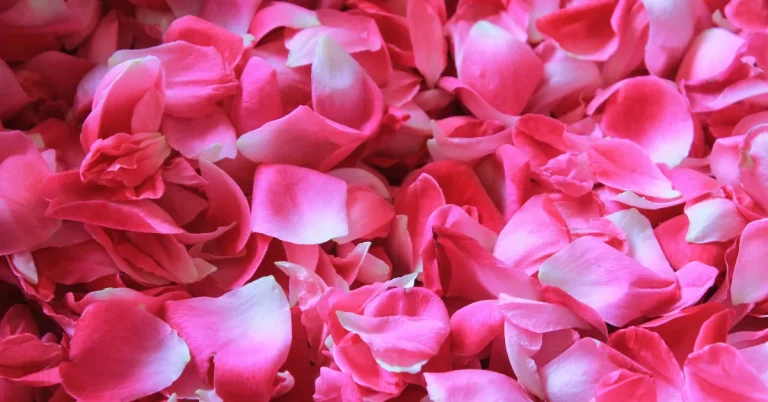
Cherry blossom, bergamot, and ylang-ylang form the opening, followed by amaretto, powdery notes, rose, and heliotrope. Suede, tonka bean, and amber make the base soft, warm, and slightly darker.
Three ways ylang-ylang changes character
Amber 07
- Ylang-ylang partners
- Rose, orris, cinnamon, vanilla, sandalwood, incense
- Surrounding character
- Sweet, ambery, warm-spiced, woody, resinous
- Choose this direction if…
- You want ylang-ylang wrapped in a warm, sweet floral-amber structure.
Safari Extreme
- Ylang-ylang partners
- Jasmine, rose, tuberose, peach, nutmeg, olibanum, sandalwood
- Surrounding character
- Complex floral, spicy, woody, leathery, warm
- Choose this direction if…
- You like ylang-ylang as one facet in a dense, highly layered floral and spice composition.
Junoon Rose
- Ylang-ylang partners
- Bergamot, cherry blossom, rose, heliotrope, amaretto, tonka
- Surrounding character
- Powdery, floral, almond-like, softly sweet, warm
- Choose this direction if…
- You want ylang-ylang in a softer floral opening that moves toward powder, rose, amber, and tonka.
Ylang-ylang perfume FAQ
Is ylang-ylang a flower or a perfume accord?
It can refer to both. Ylang-ylang is the common name associated with the fragrant flowers of Cananga odorata, and natural oil can be distilled from those flowers. In a perfume note list, however, “ylang-ylang” describes the intended scent impression and does not by itself prove which raw materials were used.
Does ylang-ylang smell like jasmine?
They overlap as rich floral notes, but they are not identical. Ylang-ylang is often creamier, sweeter, and more tropical, while jasmine can range from airy and green to intensely indolic, fruity, or animalic depending on the material and accord.
Is ylang-ylang always very sweet?
No. It naturally has a sweet floral character, but citrus, green notes, woods, incense, spices, and musks can make it feel brighter, drier, darker, or more structured.
Why are there different grades of ylang-ylang oil?
Ylang-ylang can be collected in successive fractions during distillation. Different fractions contain different proportions of aromatic compounds, so they vary in scent character and in how they are used by perfumers and other fragrance formulators.
Where does ylang-ylang usually appear in a perfume?
It is often used in the heart of a composition because of its rich floral body, but it can also appear in the opening or function as a bridge between bright top notes and warm woods, amber effects, vanilla, or resins.
What should I look for if I want a lighter ylang-ylang perfume?
Look for ylang-ylang paired with bergamot, mandarin, other citrus notes, fresh florals, or clean musks. Heavy vanilla, dense amber, sweet fruit, incense, leather, and dark woods are more likely to push it toward a richer direction.
Ylang-ylang can glow, soften, sweeten, or deepen a floral composition
Its signature is lush and creamy, but the surrounding notes determine how that richness is expressed. Citrus can make ylang-ylang feel brighter, jasmine and tuberose can magnify its floral body, vanilla and sandalwood bring out its softness, and spice, incense, patchouli, or amber can reveal a darker, warmer side.