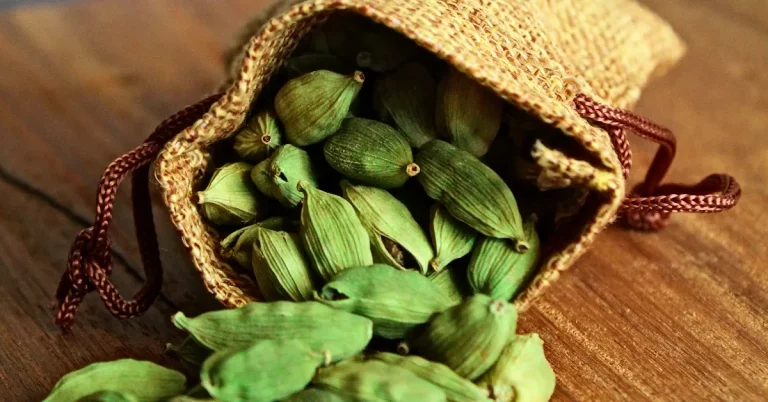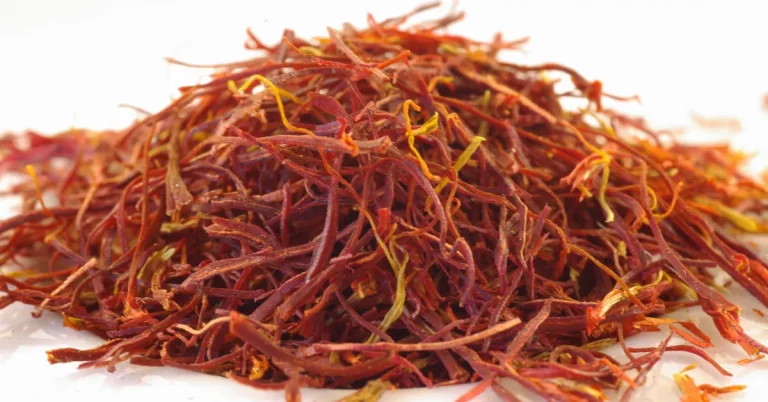
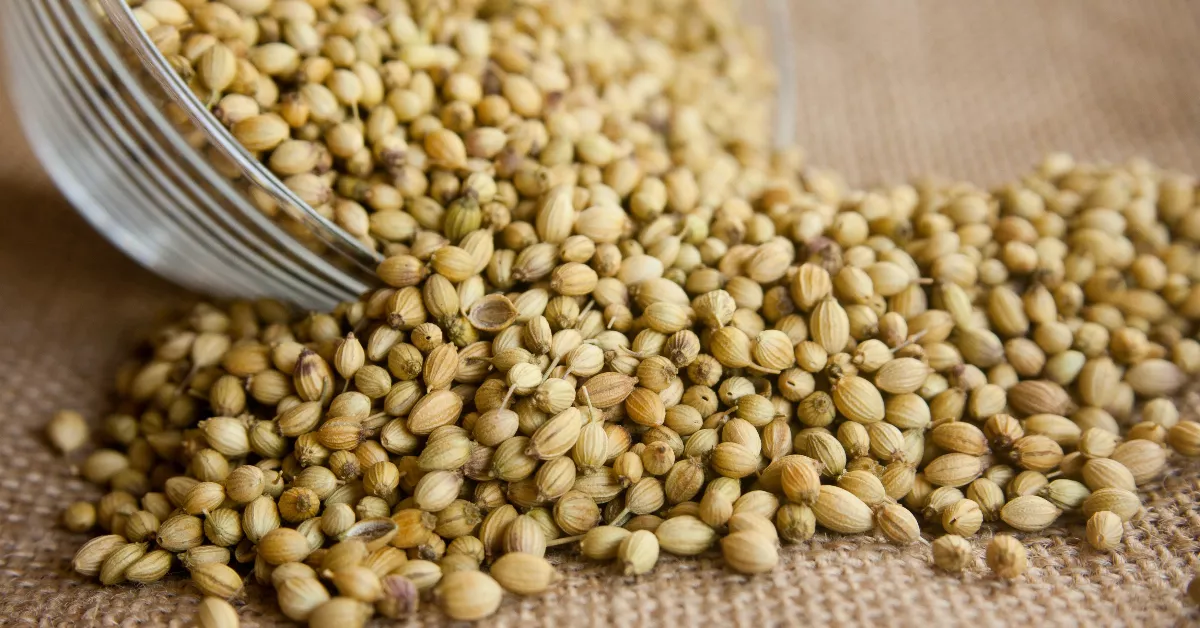
Coriander brings a distinctive kind of spice to perfume: warm and aromatic, yet often lifted by citrusy, green, and gently woody facets. In fragrance note lists, “coriander” usually points to the aromatic character associated with the plant’s dried seeds rather than the sharply leafy smell of fresh cilantro.
What is coriander?
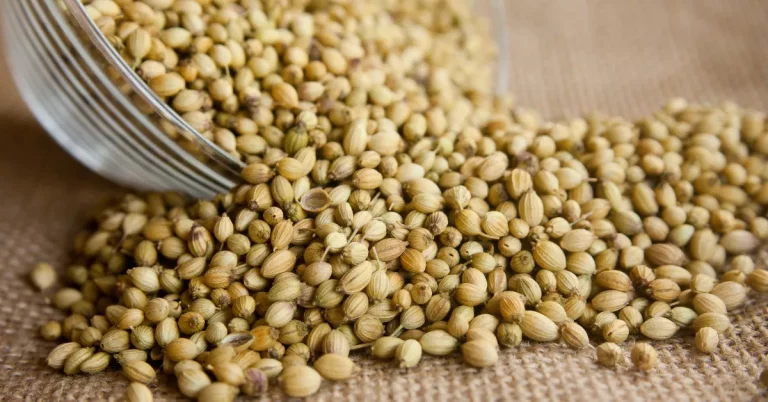
Coriander comes from Coriandrum sativum, an aromatic herb whose leaves and dried fruits—commonly called coriander seeds—have very different scent personalities.
Seed spice, not simply “cilantro”
Fresh coriander leaves, often called cilantro, can smell intensely green, pungent, and herbaceous. The ripe dried seeds move in another direction: warmer, rounder, more citrus-like, and distinctly spicy.
In perfumery, a coriander note commonly evokes this seed-like character. A note listing describes the intended olfactory impression and does not by itself prove that a fragrance contains natural coriander essential oil.
What does coriander smell like?
Coriander can make a fragrance feel spicy without becoming dense. Its seed-like profile often combines warm spice with a bright aromatic lift, allowing it to bridge citrus, herbs, flowers, and woods.
A rounded, dry spice impression that feels gentler and less fiery than pepper or clove.
A light lemony or peel-like brightness can keep coriander feeling fresh rather than heavy.
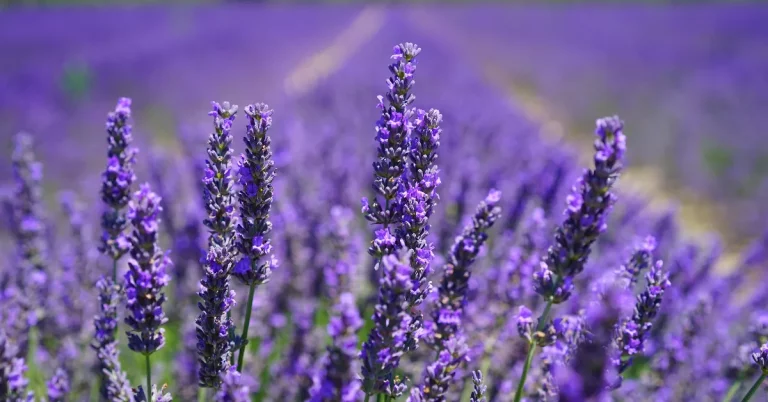
Its herbal-spice quality sits naturally beside lavender, sage, tarragon, basil, and other aromatic notes.
Some compositions emphasize a dry green facet, especially when coriander is surrounded by herbs or leafy notes.
The seed-like aroma can have a subtle rounded sweetness that smooths sharper citrus and spice.
Against cedar, sandalwood, vetiver, or patchouli, coriander can read as especially dry and structured.
Why coriander can smell different from perfume to perfume
“Coriander” is a note description as well as the name of a real botanical material, so its final character depends on both the material used and the way the surrounding formula frames it.
From botanical material to perfume note
Natural coriander seed essential oil can be produced by distilling the dried fruits. In a finished perfume, however, the coriander impression may come from a natural material, a constructed accord, supporting aroma materials, or a combination of these approaches.
The note can therefore be pushed toward bright citrus, dry herbs, warm spice, floral complexity, or woody depth without every fragrance smelling like a jar of culinary coriander seeds.
What changes the impression?
- Citrus notes emphasize coriander’s bright, zest-like side.
- Lavender, sage, basil, and tarragon bring out its aromatic greenness.
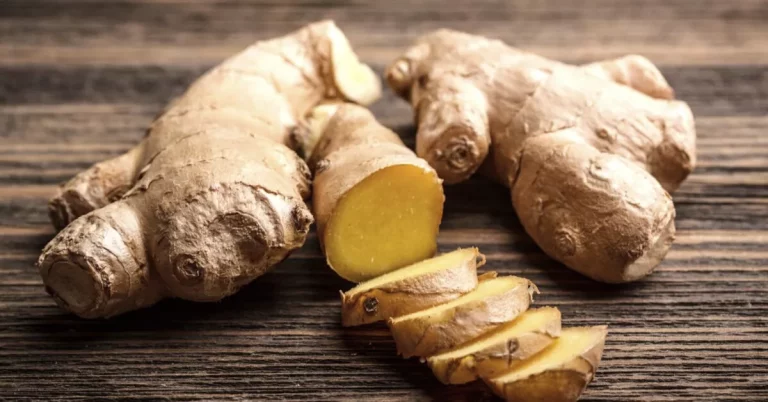
- Cinnamon, ginger, cardamom, or pepper make the spice feel warmer and more pronounced.
- Woods, moss, amber, and patchouli draw out its dry, earthy, structural side.
How coriander works in a fragrance
Coriander is especially useful when a perfumer wants spice with air around it. It can brighten a warm composition, make an aromatic opening more complex, connect citrus to a spicy heart, or add dry texture before woods and amber take over.
What pairs well with coriander?
Coriander is unusually flexible because its aroma already touches several families at once: citrus, herbs, spice, and dry woods. These pairings either amplify one of those facets or provide a contrasting texture around it.

Perfumes that show different sides of coriander
These fragrances place coriander in very different settings: crisp citrus and herbs, classic floral woods, warm tobacco and amber, spicy aromatic structures, and sweetly contrasting spice.
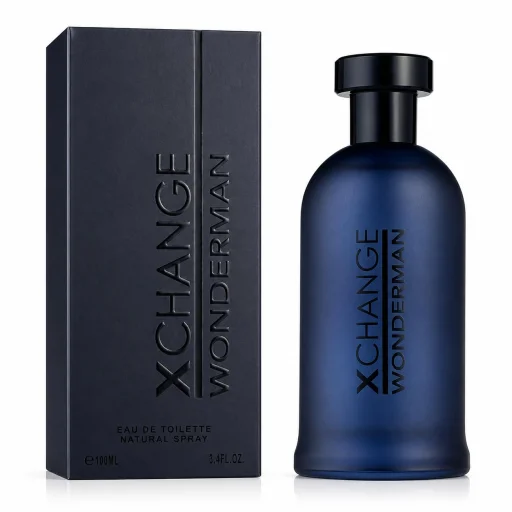
Xchange Wonderman
Coriander sits in a spicy-aromatic heart after a bright opening of pear, lavender, mint, bergamot, and lemon, then transitions toward a sweeter, darker base.

1000
Here coriander appears in a complex opening where florals, green notes, aromatics, and bergamot lead into a richly layered floral heart and an earthy woody-mossy base.
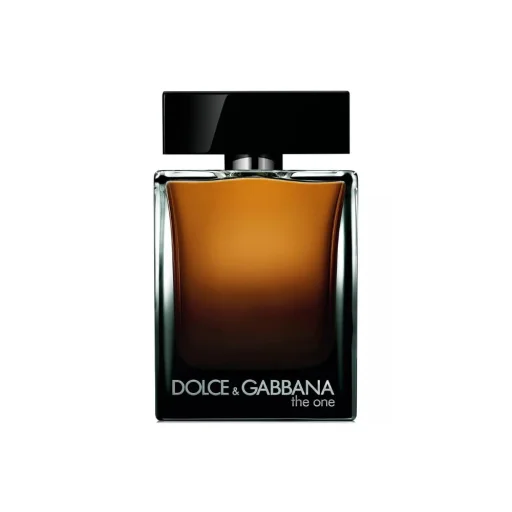
The One for Men Eau de Parfum
Coriander opens beside grapefruit and basil before cardamom, ginger, and orange blossom deepen the spice and lead into amber, tobacco, and cedar.
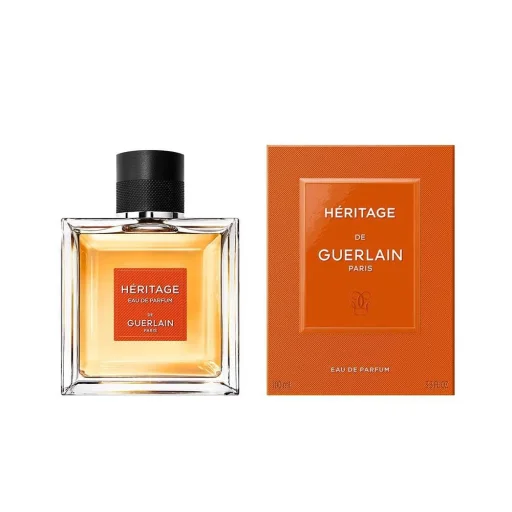
Heritage Eau de Toilette
Coriander appears within an elaborate spicy-floral heart after a lavender, citrus, green, and aromatic opening, with sandalwood, amber, oakmoss, cedar, and musk forming the base.
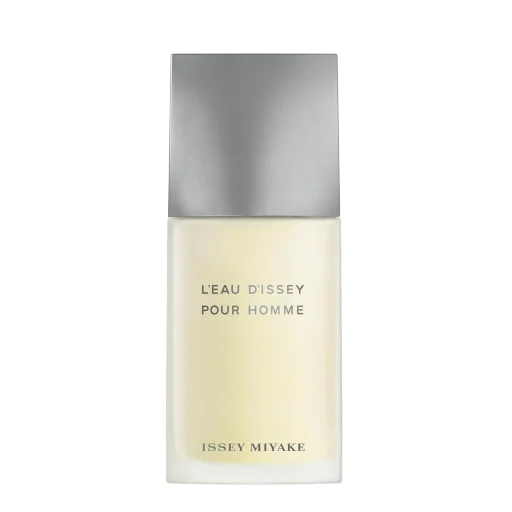
L’Eau d’Issey Pour Homme
Coriander joins a vivid citrus-aromatic opening led by yuzu, then gives way to floral and spicy heart notes over a woody, musky, ambered base.
Five ways coriander changes character
Xchange Wonderman
- Coriander partners
- Sage, cinnamon, lavender, bergamot
- Surrounding character
- Aromatic, sweet, warm-spicy, and woody
- Choose this direction if…
- You like coriander warmed by cinnamon and softened by a darker vanilla-patchouli base.
Jean Patou 1000
- Coriander partners
- Tarragon, bergamot, green notes, rose, osmanthus
- Surrounding character
- Floral, green, aromatic, earthy, and woody
- Choose this direction if…
- You want coriander woven into a complex classic floral structure rather than presented as obvious spice.
The One for Men Eau de Parfum
- Coriander partners
- Grapefruit, basil, cardamom, ginger
- Surrounding character
- Citrusy, herbal, warm-spicy, ambered, and tobacco-toned
- Choose this direction if…
- You enjoy fresh spice in the opening that quickly moves toward a warmer amber and tobacco setting.
Heritage Eau de Toilette
- Coriander partners
- Patchouli, pepper, geranium, carnation, pink pepper
- Surrounding character
- Aromatic, spicy, floral, woody, and mossy
- Choose this direction if…
- You prefer coriander as one strand in a densely layered aromatic-spicy heart with a classic woody base.
L’Eau d’Issey Pour Homme
- Coriander partners
- Yuzu, tarragon, sage, cypress, bergamot
- Surrounding character
- Citrusy, fresh, aromatic, spicy, and woody
- Choose this direction if…
- You like coriander at its brightest and coolest, surrounded by citrus, herbs, and a later wave of spices.
Coriander perfume FAQ
What does coriander smell like in perfume?
Coriander usually reads as warm-spicy, aromatic, lightly citrusy, green, and somewhat dry. The exact balance changes with the surrounding citrus, herbal, floral, spicy, and woody notes.
Does coriander in perfume smell like cilantro?
Usually not. Fresh coriander leaf, or cilantro, has a much sharper green and herbaceous smell, while dried coriander seed is warmer, rounder, more citrus-like, and more obviously spicy.
Is coriander a top note or a heart note?
It can function in either area of a composition. Its brighter aromatic facets can contribute to an opening, while its warm spicy character also fits naturally into a fragrance heart.
Does a coriander note mean the perfume contains natural coriander oil?
No. A perfume note describes the smell the composition is designed to suggest. That effect may be created with natural coriander material, a reconstructed accord, other aroma materials, or a combination.
Is coriander a strong spice note?
It can be noticeable, but it is often less dense or fiery than spices such as clove, cinnamon, or black pepper. Its citrusy and aromatic facets can make the spice feel comparatively airy.
What notes make coriander smell fresher or warmer?
Bergamot, lemon, grapefruit, lavender, sage, basil, and tarragon can make coriander feel brighter and more aromatic. Cardamom, cinnamon, ginger, amber, patchouli, cedar, and sandalwood can move it toward a warmer or deeper direction.
Coriander is spice with a bright edge
Coriander earns its place in perfumery by doing more than adding warmth. Its citrusy lift, aromatic greenness, and dry spice can connect fresh top notes to florals, herbs, woods, and amber—making it equally at home in crisp aromatic fragrances and richer, more traditional compositions.