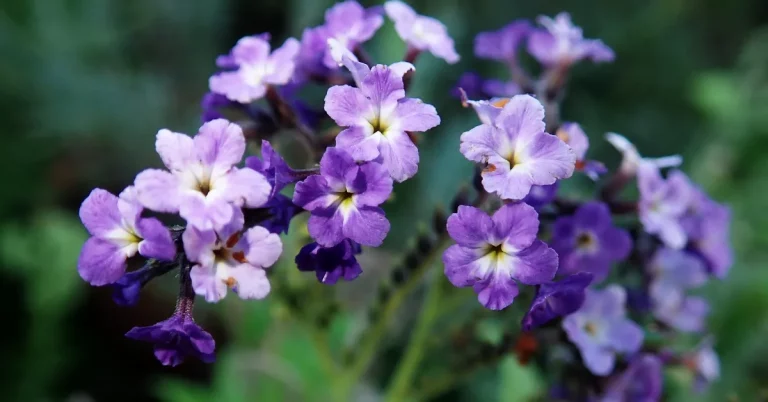
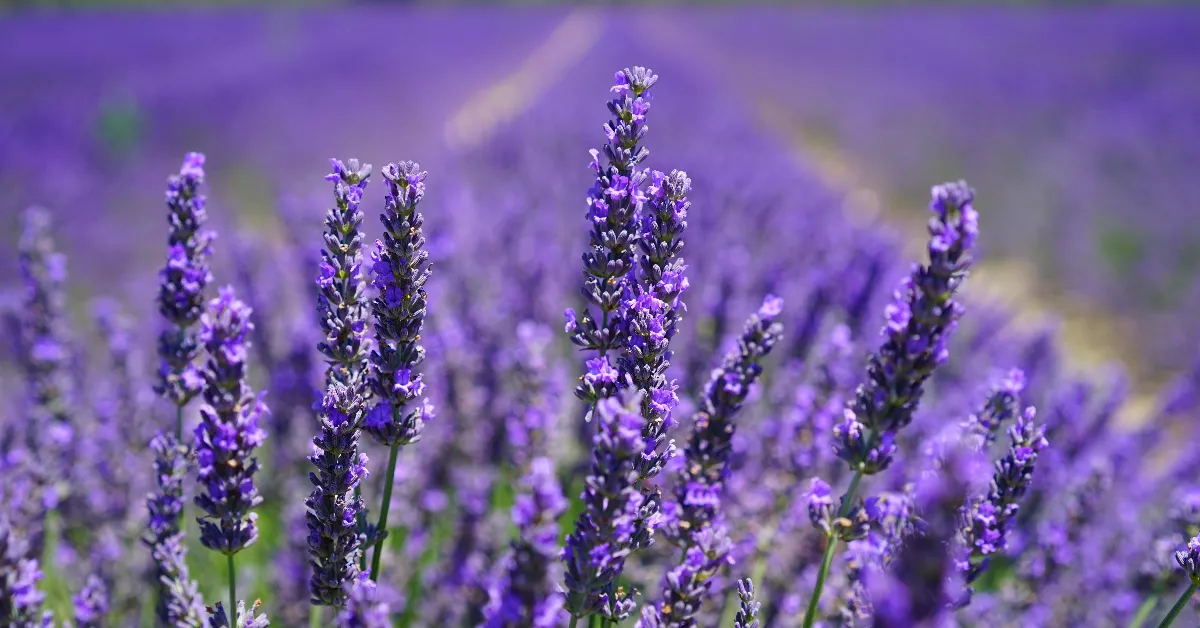
Lavender is one of perfumery’s most recognizable aromatic notes: floral, herbal, fresh, and softly sweet, with a clean character that can shift from breezy to warm depending on what surrounds it. In fragrance, a lavender note may come from natural lavender materials, aroma molecules, or an accord designed to suggest the plant rather than a single literal extract.
What is lavender?
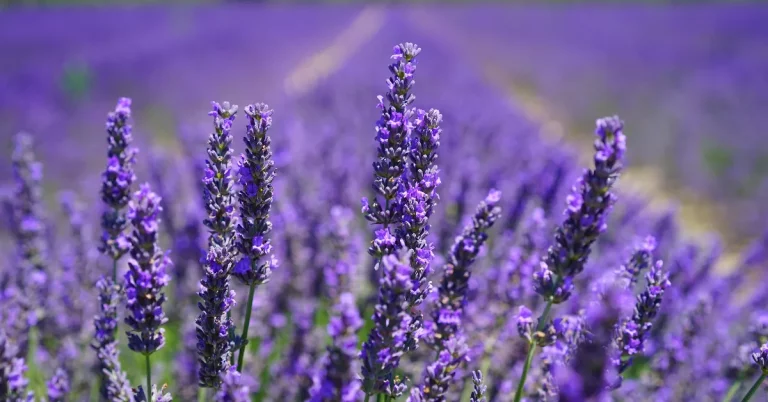
Lavender refers to aromatic plants in the genus Lavandula, members of the mint family. Their fragrant flowering tops and foliage are associated with the familiar herbal-floral smell that has made lavender important in fragrance, personal care, and home scenting.
A plant, a material, and a perfume idea
In botanical terms, lavender is a group of aromatic flowering plants rather than one single perfume ingredient. Different species, growing conditions, harvests, and processing choices can produce materials with noticeably different aromatic balances.
On a perfume note list, “lavender” describes the role or impression the fragrance is presenting. That label does not by itself prove that a particular perfume contains natural lavender essential oil or another specific botanical extract.
What does lavender smell like?
Lavender is usually recognizable by the way floral softness and aromatic herbs meet. Some interpretations feel bright and almost brisk, while others lean sweeter, rounder, powderier, or more woody.
The defining impression is herbaceous and fragrant, giving lavender its classic aromatic identity.
A gentle flower-like softness keeps the note from smelling purely green or culinary.
Green, dry, and slightly leafy nuances can make lavender feel crisp and outdoorsy.
Citrus, mint, and other aromatic partners can emphasize a clean, breezy side.
Lavender can carry a mild sweetness that becomes more obvious beside vanilla, praline, or amber effects.
Some lavender materials or accords can show a cool, penetrating aromatic edge rather than a plush floral character.
Why lavender can smell so different
The word “lavender” can refer to different botanical materials as well as to a constructed perfume accord. That gives perfumers a broad spectrum of lavender-like effects to work with.
Natural material versus perfume accord
Natural lavender materials can vary with species or cultivar, origin, climate, harvest timing, plant condition, and processing. Those differences can change how floral, herbal, sweet, fresh, or sharp the material seems.
A perfumer can also build or reinforce a lavender impression with other fragrance materials. For that reason, the lavender you smell in a finished perfume may be more polished, sweeter, cleaner, darker, or more abstract than the aroma of a fresh lavender plant.
What changes the effect?
- Bergamot, lemon, mint, and bright aromatics can make lavender feel fresher and more sparkling.
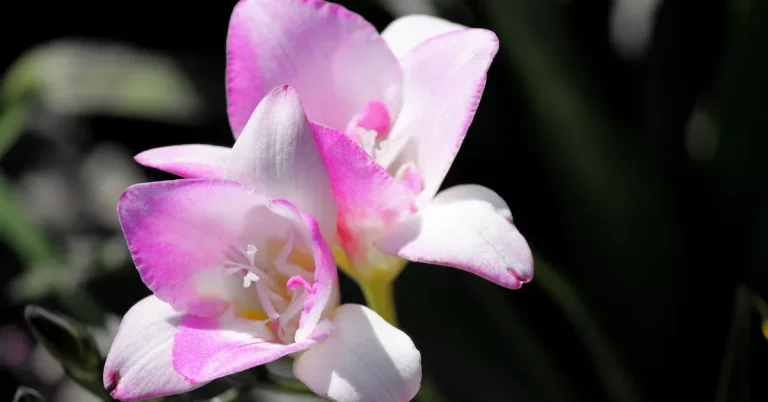
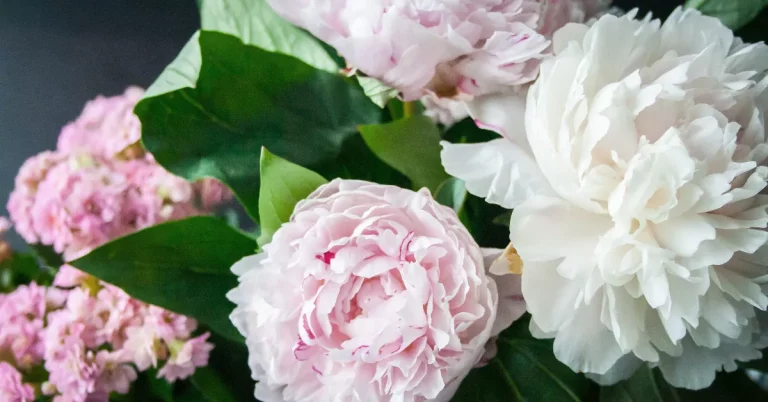
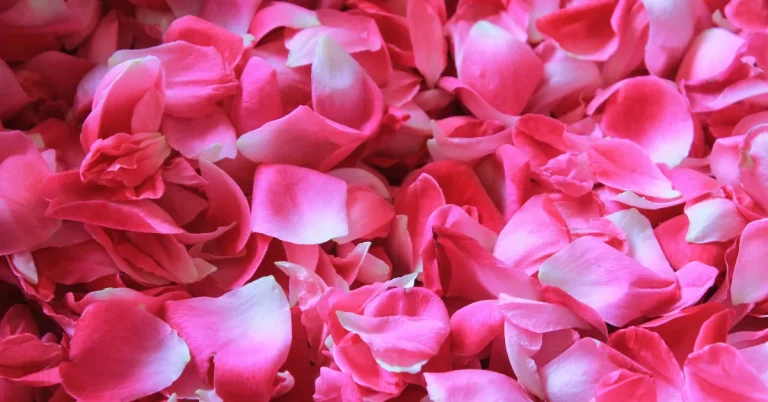
- Jasmine, rose, iris, and violet can emphasize its floral or powdery side.
- Vanilla, praline, amber, and warm spices can make the note feel sweeter and more enveloping.
- Cedar, sandalwood, patchouli, oud, and other woods can make lavender feel drier, darker, or more structured.
How lavender works in a fragrance
Lavender is unusually adaptable. It can create an immediately recognizable aromatic opening, bridge citrus into a floral heart, add freshness to spicy compositions, or provide contrast against sweet vanilla and deep woods.
What pairs well with lavender?
Lavender can move in several directions: citrus makes it brighter, florals soften it, spices sharpen it, and warm or woody notes give it a fuller drydown.
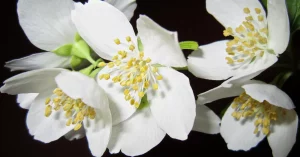
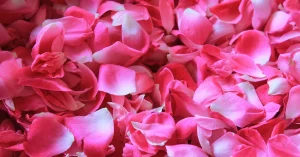
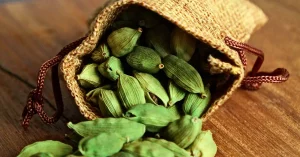
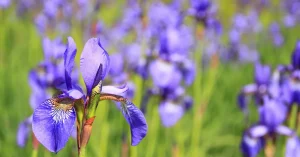
Seven perfumes that show different sides of lavender
These seven supplied fragrances place lavender beside citrus, fruit, spice, florals, vanilla, woods, oud, and gourmand notes. Together they show how strongly the surrounding structure changes its character.
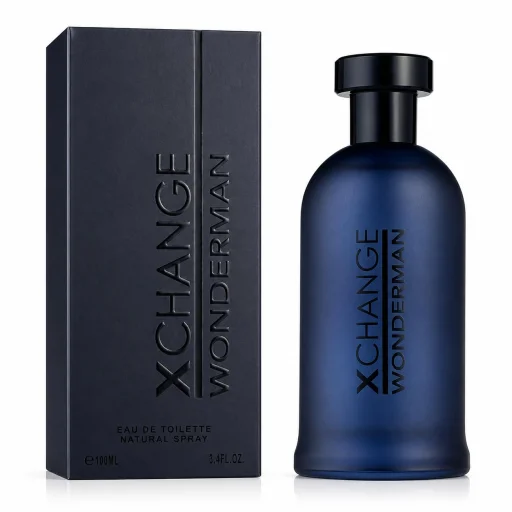
Xchange Wonderman
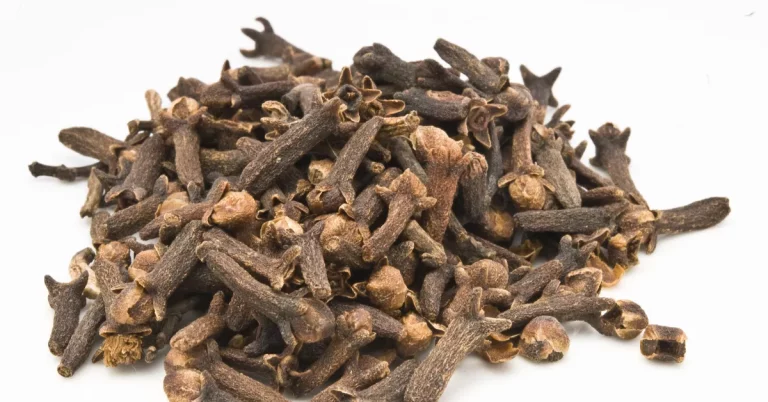
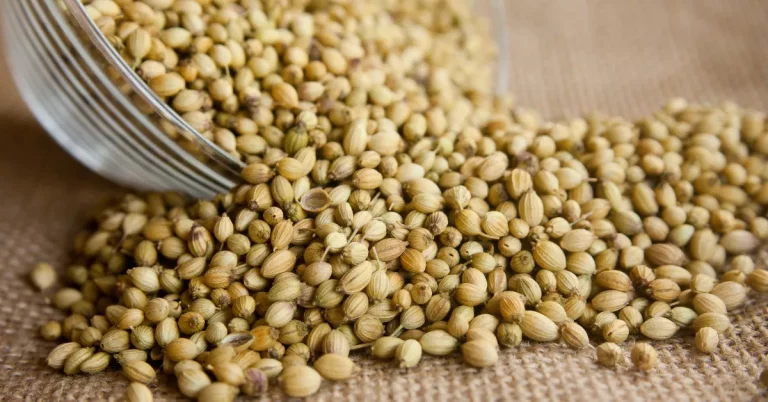
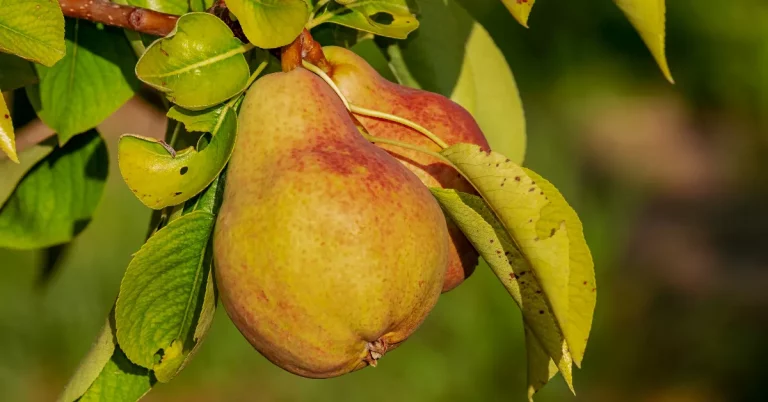
Xchange Wonderman opens with lavender surrounded by pear, mint, bergamot, and lemon before moving into a spicy heart of cinnamon, sage, and coriander. Vanilla, patchouli, ambergris, and cedar give the base a warmer, deeper frame.
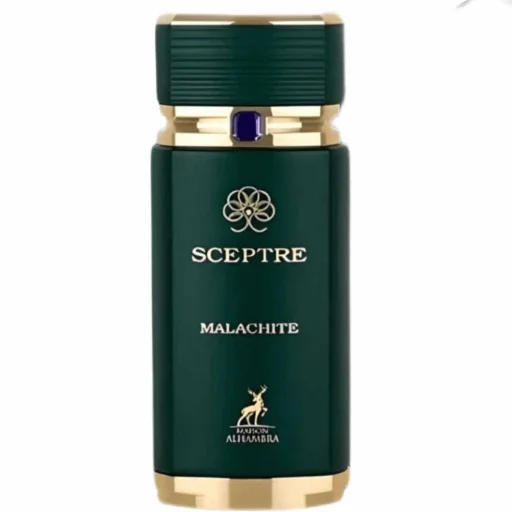
Sceptre Malachite
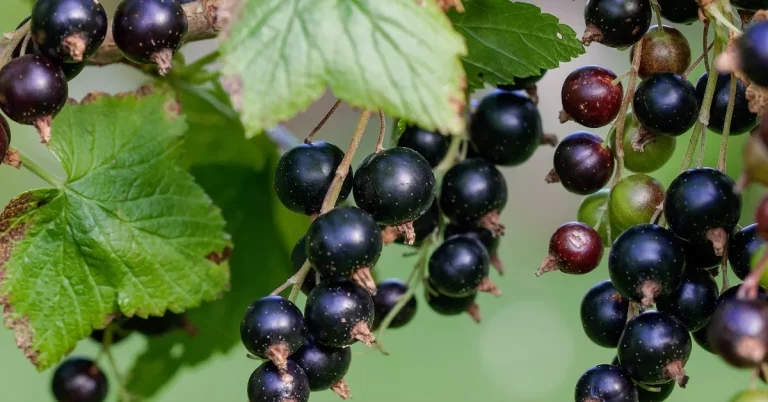
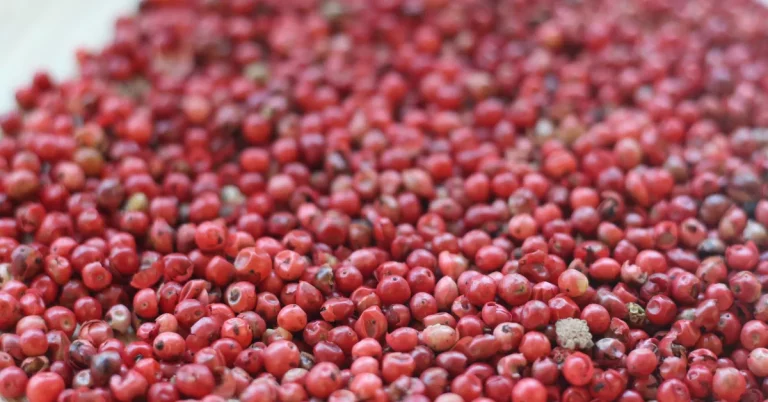
Sceptre Malachite places lavender in an aromatic floral-spicy heart after green tangerine, black currant, and bergamot. Jasmine and pink pepper broaden the center before amber, musk, woods, and vetiver ground the composition.
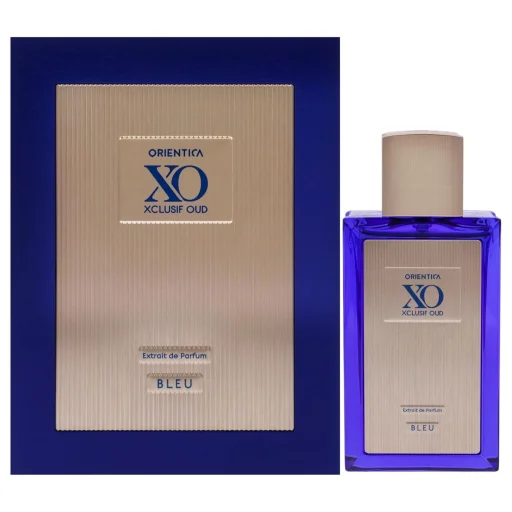
Xclusif Oud Bleu
Xclusif Oud Bleu opens lavender beside green apple, pepper, mandarin orange, and bergamot. Cardamom, geranium, violet, and jasmine deepen the heart before vanilla, sandalwood, musk, guaiac wood, and patchouli create a warm woody base.
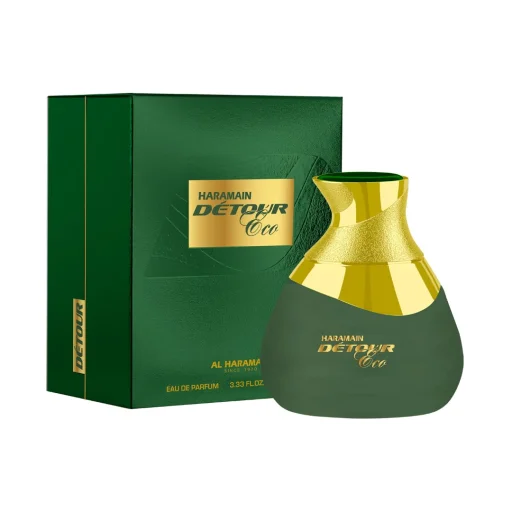
Detour Eco
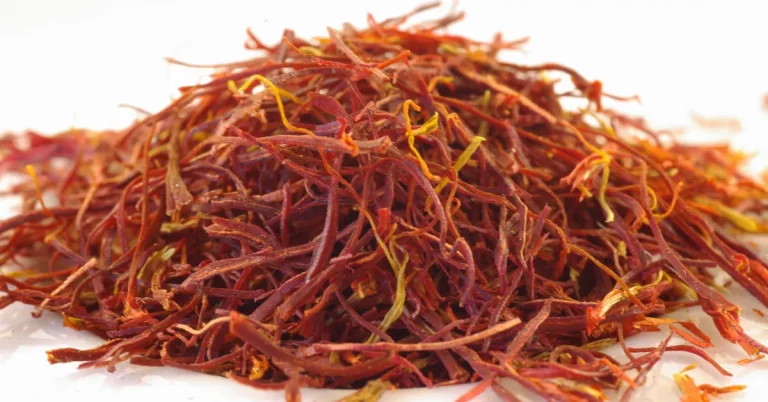
Detour Eco makes lavender part of a compact aromatic opening with bergamot and clary sage. The structure then changes direction through saffron and praline before settling into agarwood and cedar.
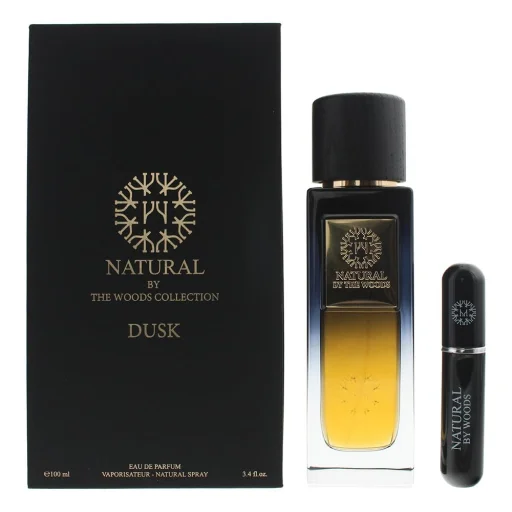
Dusk
Dusk introduces lavender with apple and mandarin orange, then moves into violet, geranium, and jasmine. A base of vanilla, cardamom, pepper, woods, sandalwood, and patchouli turns the fresh opening into a warm spicy-woody composition.
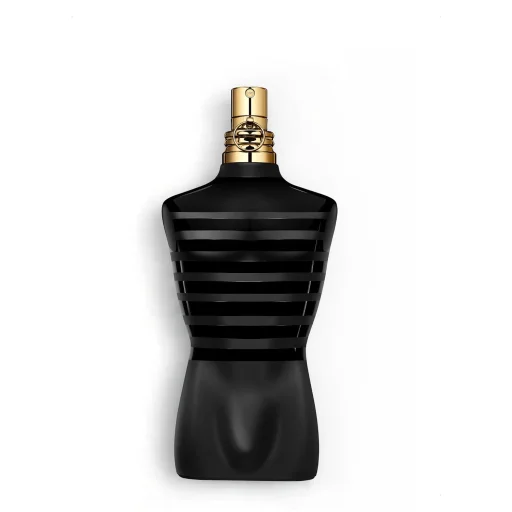
Le Male Le Parfum
Le Male Le Parfum uses a concise structure: cardamom opens the fragrance, lavender and iris form the heart, and vanilla, oriental notes, and woods anchor the base. Lavender sits between spicy freshness and a sweeter, powderier drydown.
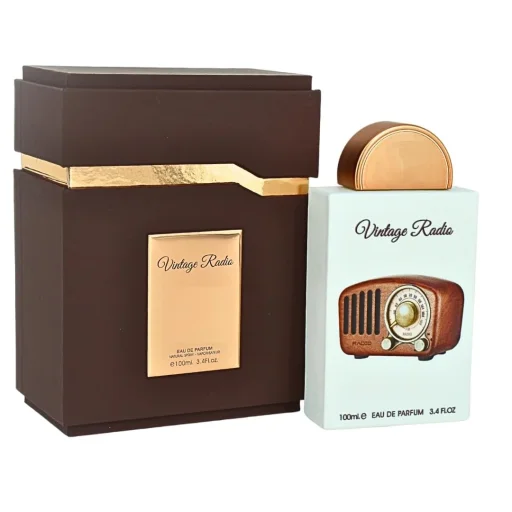
Vintage Radio
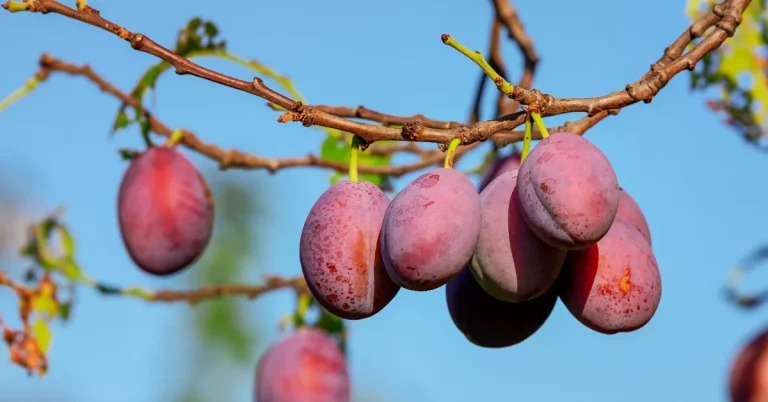
Vintage Radio opens with lavender, bergamot, and sage before shifting into plum, palo santo, and black pepper. Sandalwood and oud form the base, giving the lavender opening a strong contrast with dark fruit, spice, and woods.
Four ways lavender changes character
Detour Eco
- Lavender partners
- Bergamot, clary sage, saffron, praline, oud, cedar
- Surrounding character
- Aromatic, sweet-spicy, woody
- Choose this direction if…
- You like lavender contrasted with a sweet heart and darker oud-and-cedar base.
Le Male Le Parfum
- Lavender partners
- Cardamom, iris, vanilla, woods
- Surrounding character
- Spicy, powdery, warm, vanilla-woody
- Choose this direction if…
- You want lavender softened by iris and warmed by vanilla rather than kept sharply herbal.
Vintage Radio
- Lavender partners
- Bergamot, sage, plum, black pepper, sandalwood, oud
- Surrounding character
- Aromatic, fruity, spicy, woody
- Choose this direction if…
- You enjoy a fresh lavender opening that quickly meets dark fruit, pepper, and woods.
Xchange Wonderman
- Lavender partners
- Pear, mint, bergamot, lemon, cinnamon, sage, vanilla, cedar
- Surrounding character
- Fresh, fruity, aromatic, warm spicy
- Choose this direction if…
- You prefer lavender with minty-citrus brightness followed by spice and warm vanilla woods.
Lavender perfume FAQ
Does a lavender note mean a perfume contains lavender essential oil?
No. A note describes the scent impression or role presented in the fragrance. A lavender effect can come from natural lavender material, other fragrance materials, or an accord, so the note list alone does not establish the formula.
Is lavender a floral note or an aromatic note?
It can be described as both. Lavender comes from a flowering plant, but in perfumery its herbal, fresh, and aromatic facets are often just as important as its floral softness.
Is lavender always fresh and clean?
No. Citrus, mint, and herbs can make it feel especially fresh, while vanilla, amber, spice, fruit, or woods can turn lavender warmer, sweeter, darker, or more powdery.
Where does lavender sit in a perfume?
Lavender often appears in the opening or heart, where its aromatic character can connect bright top notes with florals, spices, woods, and sweeter base materials. The exact effect depends on the composition.
Why can two lavender perfumes smell completely different?
The lavender material or accord can differ, and the surrounding notes may emphasize entirely different facets. Bergamot and mint highlight freshness; iris emphasizes powderiness; vanilla adds sweetness; woods and oud add depth.
What notes are especially useful for exploring lavender?
Bergamot is a good direction for brighter lavender, jasmine or rose for a more floral treatment, cardamom for aromatic spice, vanilla for warmth, and amber or woods for a deeper drydown.
Lavender can be crisp, floral, warm, or unexpectedly dark
Lavender’s familiar aromatic signature gives perfumers a recognizable starting point, but its real versatility appears in the company it keeps. Follow it through citrus and herbs for freshness, florals and iris for softness, vanilla and amber for warmth, or fruit, spice, and woods for a more dramatic interpretation.