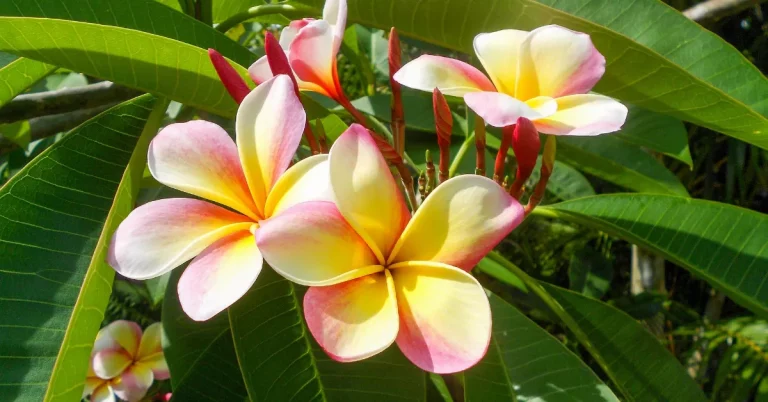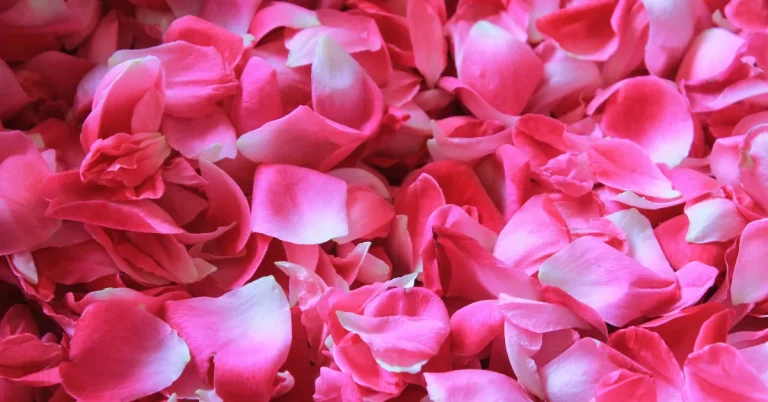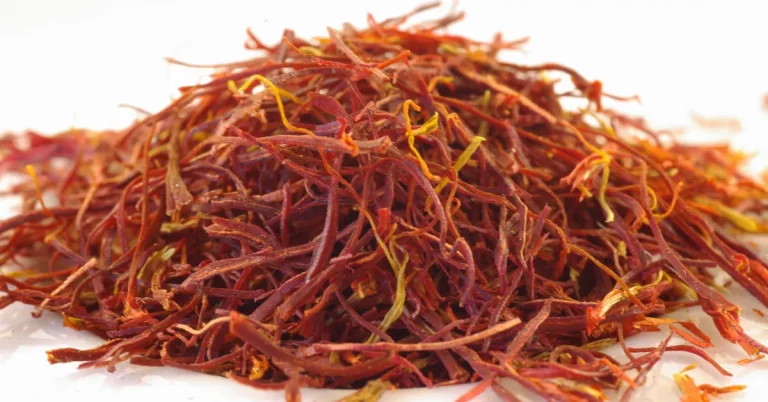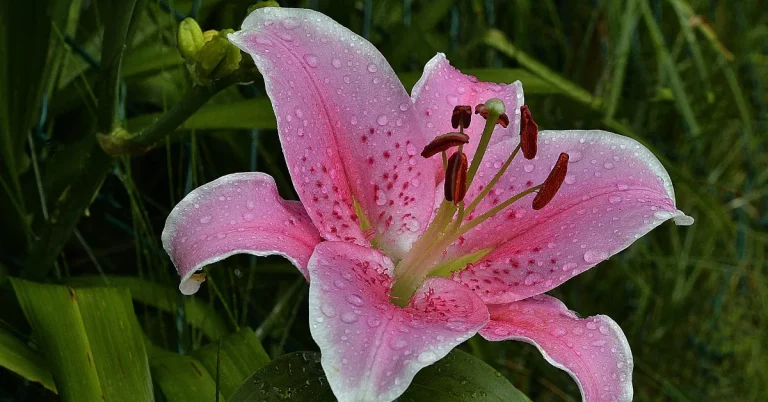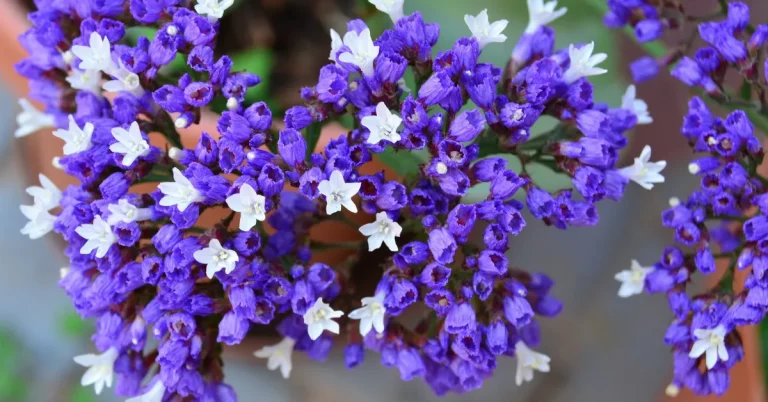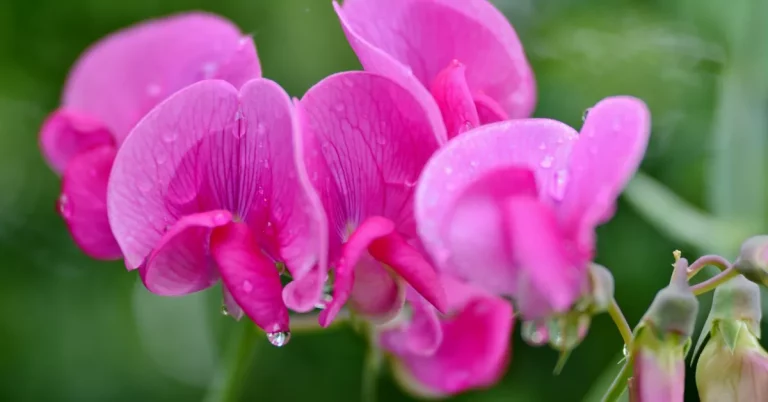
Geranium brings a crisp green-floral character to perfume, often sitting between rosy softness and aromatic freshness. In fragrance compositions, the note can feel leafy, lightly minty, gently spicy, or almost rose-like depending on the material and what surrounds it.
What is geranium?
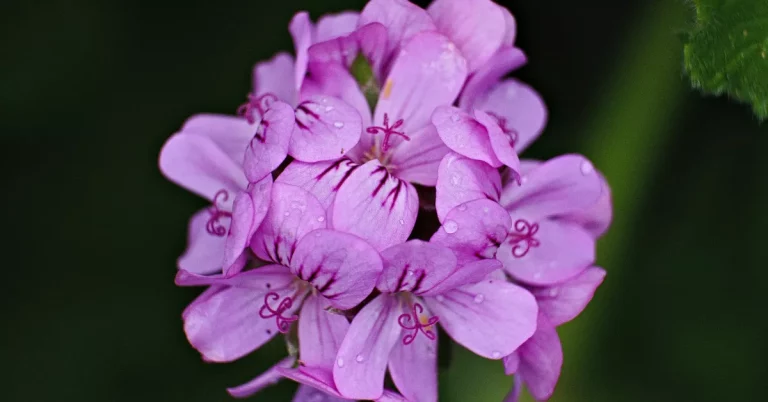
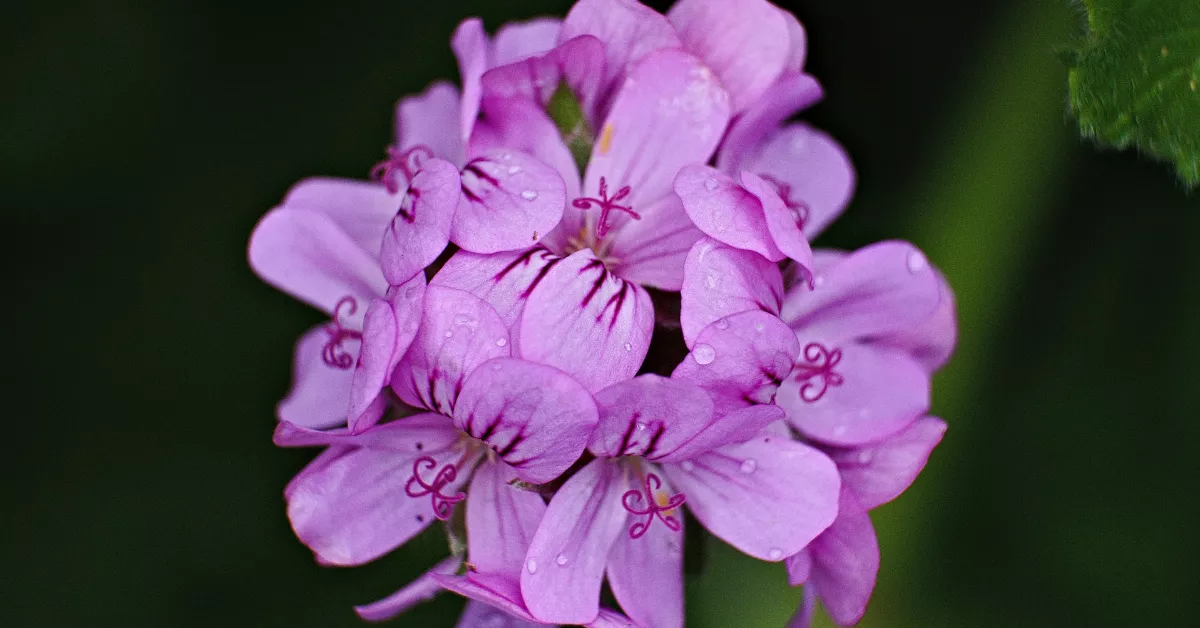
In perfumery, “geranium” commonly refers to aromatic Pelargonium materials rather than the ornamental garden geraniums people may picture first. Fragrant leaves and flowering tops can be processed into natural perfumery materials, while a listed geranium note in a finished perfume may also be an accord or reconstruction.
A leafy floral with a rose-like side
Geranium materials are valued because they combine floral sweetness with a distinctly green, aromatic edge. The result is less plush than a classic rose note and often feels brighter, crisper, and more herbal.
That dual personality makes geranium useful in both floral and aromatic styles. It can freshen a bouquet, sharpen a fougère-like structure, or connect citrus and herbs above with woods, amber, and patchouli below.
What does geranium smell like?
Geranium is best understood as a floral note with a strong green-aromatic backbone. It often suggests rose, but usually with more leaf, stem, freshness, and herbal lift.
A soft rose-like sweetness can run through the note without becoming as velvety or petal-rich as rose itself.
Leafy, stemmy freshness gives geranium its crisp, natural-feeling edge.
An aromatic quality can make the note feel clean, brisk, and slightly medicinal or garden-like in some blends.
Some geranium materials show a cool, lightly mint-like facet, especially as the greener side comes forward.
Its floral character is often airy and lively rather than creamy or indolic.
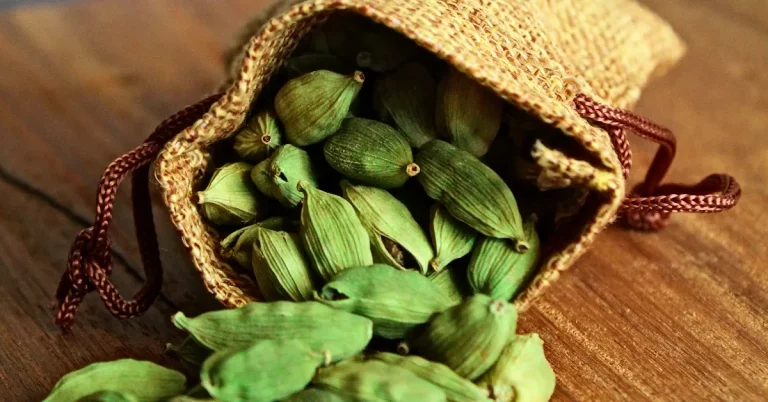
When paired with pepper, cardamom, cinnamon, or aromatic herbs, geranium can read subtly spicy and energetic.
Why geranium can smell different from perfume to perfume
The word “geranium” on a note list can cover different natural materials, species or cultivars, origins, extraction styles, or reconstructed accords. The surrounding composition changes the impression just as much.
Natural material versus perfume note
Steam-distilled geranium oil can span fresh floral, green, rosy, and softly fruity territory, while solvent-extracted geranium absolute can lean richer, leafier, and deeper.
A finished perfume does not necessarily contain either material simply because “geranium” appears in its note pyramid. Perfumers may build the impression from natural materials, aroma molecules, or a combination of both.
What changes the impression?
- Plant type, growing conditions, and origin can shift the aromatic profile of natural material.
- Extraction method can emphasize different textures, from brighter and fresher to darker and leafier.
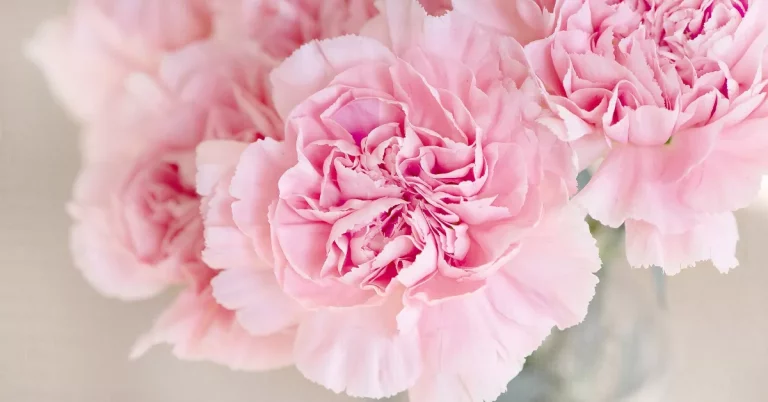
- Rose, jasmine, or violet can make geranium feel more floral.
- Lavender, sage, pepper, patchouli, and woods can pull it toward a drier aromatic or masculine direction.
How geranium works in a fragrance
Geranium is a flexible bridge note. It can connect citrus to herbs, herbs to florals, or florals to woods while adding freshness and definition to the middle of a composition.
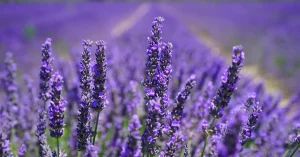
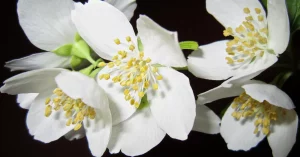
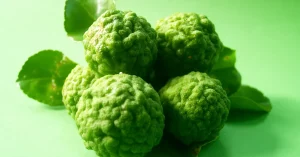
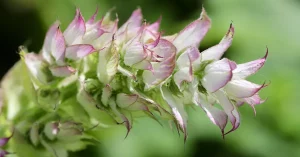
What pairs well with geranium?
Geranium is especially easy to blend because its rosy floral side and green aromatic side can move in different directions. These pairings show how perfumers can make it softer, brighter, greener, spicier, or deeper.
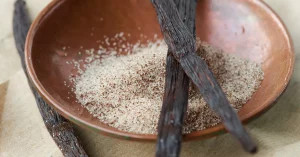
Perfumes that show different sides of geranium
These fragrances all list geranium, but the surrounding notes move it in very different directions, from citrus-aromatic and woody to floral-spicy, tobacco-toned, and ambered.
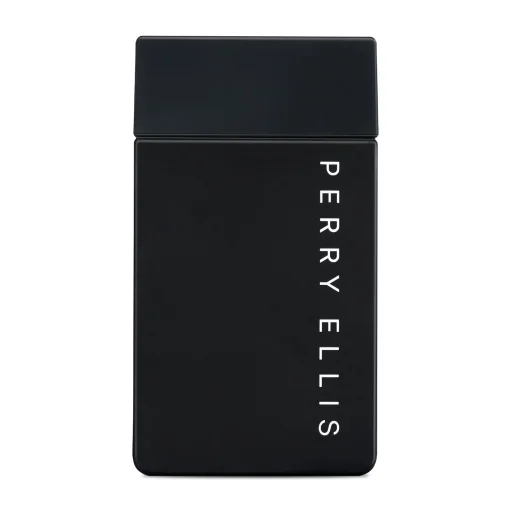
Perry Ellis Midnight
Here, geranium sits in an aromatic floral heart between rosemary and orange blossom. Mandarin and cinnamon brighten and warm the opening, while amber, vanilla, and tonka bean make the drydown noticeably softer and sweeter.
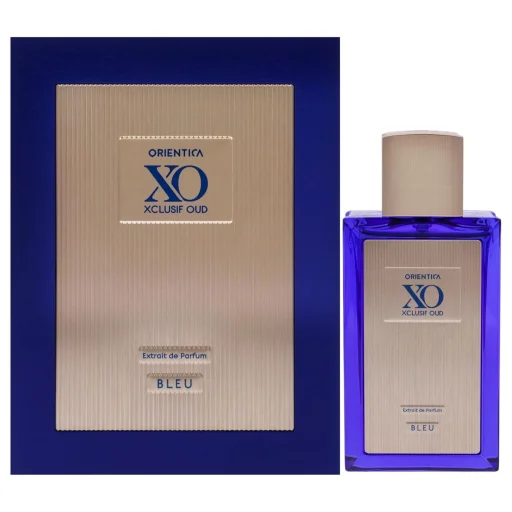
Xclusif Oud Bleu
Geranium appears inside a busy floral-spicy heart with cardamom, violet, and jasmine. A fresh opening of apple, pepper, lavender, mandarin, and bergamot contrasts with a warm woody base of vanilla, sandalwood, musk, guaiac wood, and patchouli.
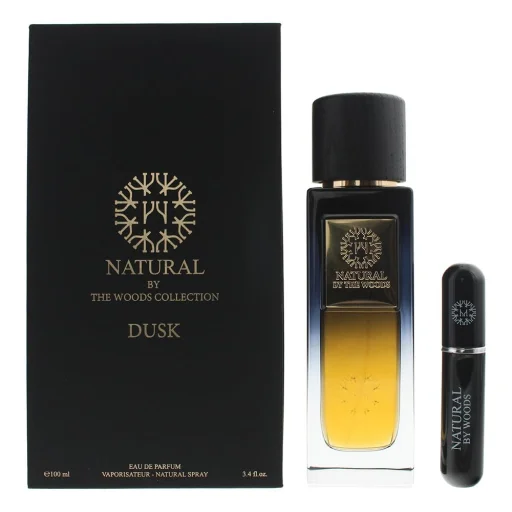
Dusk
In Dusk, geranium shares the heart with violet and jasmine after an apple, lavender, and mandarin opening. Vanilla, cardamom, pepper, woods, sandalwood, and patchouli make the composition progressively warmer and spicier.
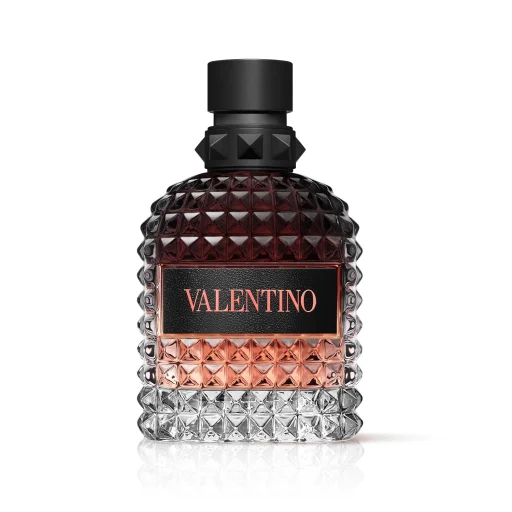
Uomo Born in Roma Coral Fantasy
This composition uses bourbon geranium in an aromatic heart with lavender and clary sage. Red apple, cardamom, and bergamot make the opening fruity-spicy and fresh, while tobacco leaf, patchouli, and vetiver create a darker, drier base.
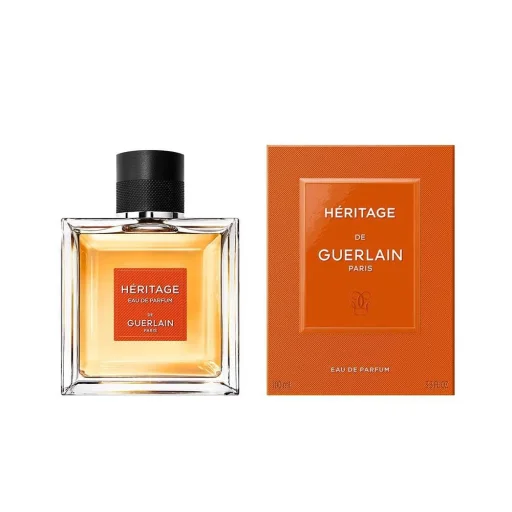
Heritage Eau de Toilette
Geranium is one element in a highly layered heart that also includes patchouli, coriander, pepper, carnation, balsam fir, rose, pink pepper, orris, jasmine, cyclamen, and lily-of-the-valley. The result places geranium inside a broad aromatic, floral, spicy, and woody framework rather than isolating it as a singular floral note.
Five ways geranium can change direction
Perry Ellis Midnight
- Geranium partners
- Rosemary, orange blossom
- Surrounding character
- Citrusy, aromatic, warm, and softly sweet
- Choose this direction if…
- You like geranium polished by herbs and softened with amber, vanilla, and tonka bean.
Xclusif Oud Bleu
- Geranium partners
- Cardamom, violet, jasmine
- Surrounding character
- Fresh-spicy, floral, woody, and vanilla-toned
- Choose this direction if…
- You want geranium woven into a larger spicy floral heart over warm woods.
Dusk
- Geranium partners
- Violet, jasmine, lavender
- Surrounding character
- Aromatic, warm spicy, woody, and vanilla-rich
- Choose this direction if…
- You prefer a softer floral heart that transitions into spice and woods.
Uomo Born in Roma Coral Fantasy
- Geranium partners
- Lavender, clary sage
- Surrounding character
- Fruity-spicy, aromatic, tobacco-toned, earthy
- Choose this direction if…
- You like the drier herbal side of geranium beside tobacco, patchouli, and vetiver.
Heritage Eau de Toilette
- Geranium partners
- Rose, jasmine, coriander, pepper, patchouli
- Surrounding character
- Complex, woody, aromatic, floral, and spicy
- Choose this direction if…
- You enjoy geranium as one thread inside a dense, layered classical composition.
Geranium perfume FAQ
Does geranium smell like rose?
Often, yes, but it usually feels greener, leafier, and more aromatic than a classic rose note. The resemblance is one reason geranium works so naturally beside rose.
Is geranium a floral or an herbal note?
It can be both. Geranium is usually classified as a green floral or aromatic floral because its rose-like sweetness is closely tied to leafy, herbal freshness.
Is geranium usually a top, heart, or base note?
Geranium most often appears in the upper-to-middle part of a composition. Natural materials are commonly described as top-to-middle or middle-note materials, but a perfume’s structure depends on the full formula.
Does a geranium note mean the perfume contains geranium essential oil?
No. A note pyramid describes the intended scent impression, not necessarily the exact raw materials in the formula. The effect may come from natural geranium material, aroma molecules, or a combination.
Why can geranium smell minty in some perfumes?
Some geranium materials naturally show a cool, mint-like facet. Aromatic neighbors such as lavender, rosemary, sage, or pepper can make that freshness even more noticeable.
What fragrance styles use geranium well?
Geranium appears comfortably in floral, aromatic, woody, spicy, fougère-like, and ambered compositions because it can bridge bright top notes with deeper heart and base materials.
Geranium is the green edge inside the floral heart
Geranium rarely needs to dominate a perfume to be useful. Its rose-like sweetness, crisp foliage, herbal freshness, and subtle coolness make it a natural connector between citrus, aromatics, florals, spices, and woods. Once you learn that green-rosy signature, it becomes much easier to notice why geranium appears in so many very different fragrance styles.