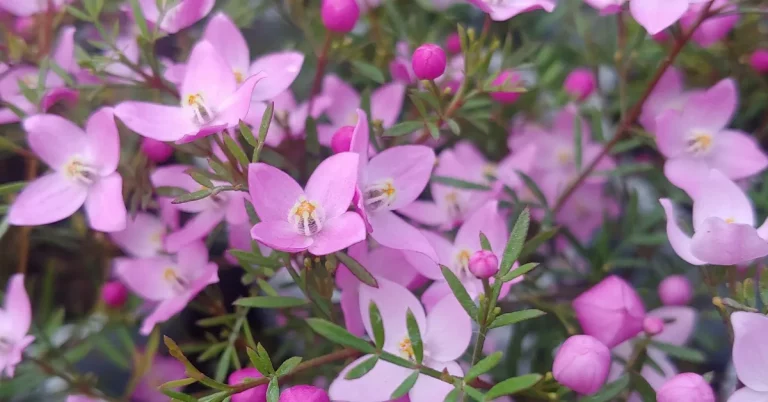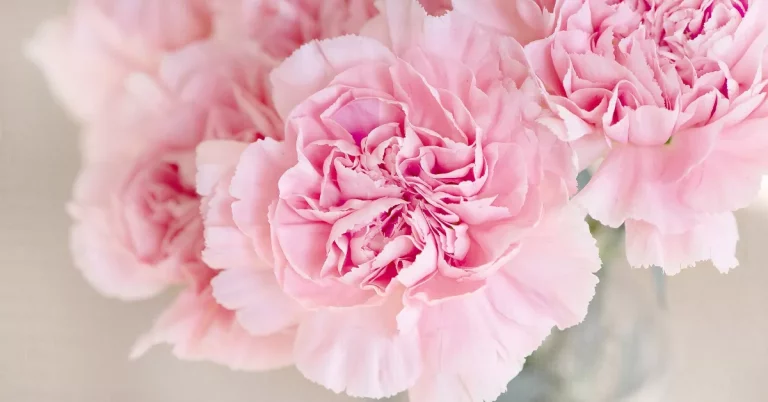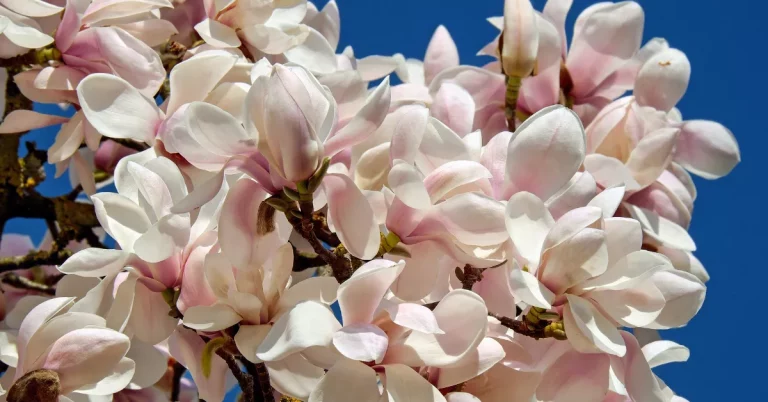
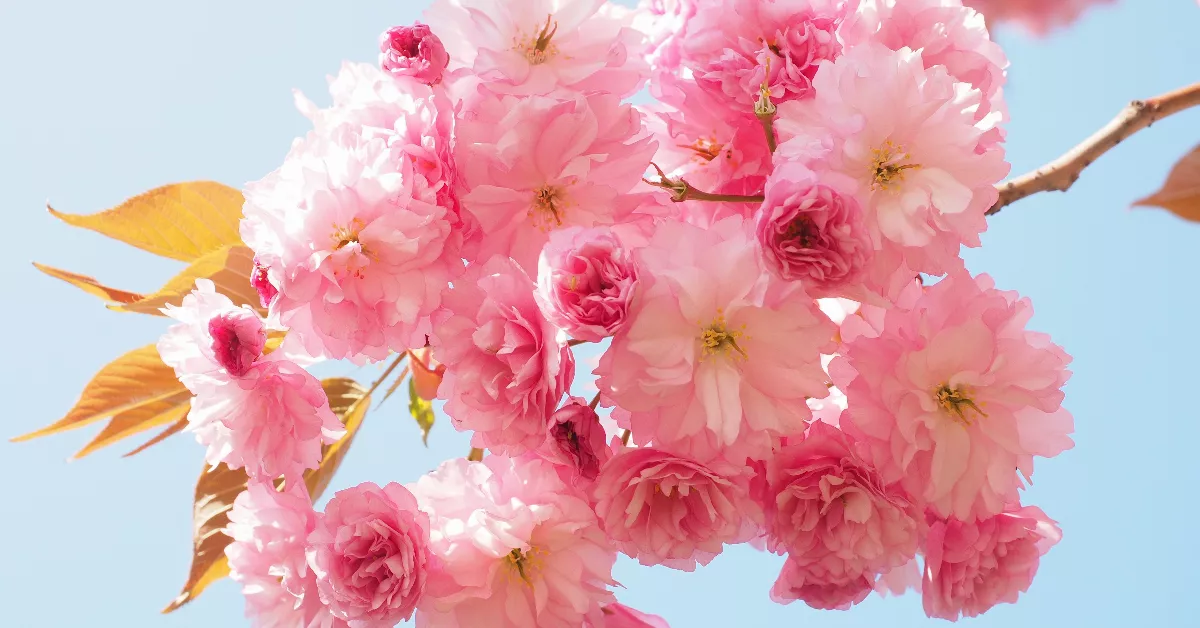
Cherry blossom is one of perfumery’s most delicate floral ideas: airy, petal-soft, fresh, and often touched with a gentle sweetness. Because many ornamental cherry blossoms have only a faint natural aroma, the “cherry blossom” listed in a fragrance is usually a perfumer’s interpretation of the bloom rather than a literal extract from the flowers.
What is cherry blossom?
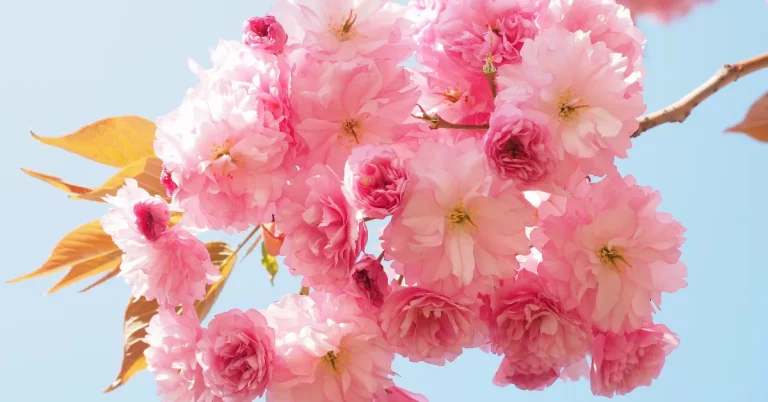
Cherry blossoms are flowers from trees in the genus Prunus, part of the rose family. In fragrance, the term usually refers to the imagined scent of the blossom rather than to the aroma of cherry fruit.
A flower, and a perfume idea
Many flowering cherry trees are grown primarily for their spectacular spring blooms. Their flowers can range from nearly scentless to gently fragrant, depending on the species or cultivar.
That subtle natural scent gives perfumers room to interpret cherry blossom in different ways. One fragrance may make it transparent and dewy, another powdery and rosy, and another may place it beside cherry fruit, vanilla, woods, or musk for a richer effect.
What does cherry blossom smell like?
In perfume, cherry blossom usually suggests a sheer floral scent rather than a dense, heady bloom. The exact impression depends heavily on the surrounding notes and on how the perfumer chooses to translate the idea of spring blossoms.
Often rendered with a transparent, floating quality rather than a thick floral richness.
Frequently paired with citrus, tea, watery, green, or crisp fruity notes to suggest spring air.
The floral effect is commonly smooth and gentle, without the intensity associated with richer white florals.
A restrained sweetness can make the note feel tender and youthful without necessarily becoming gourmand.
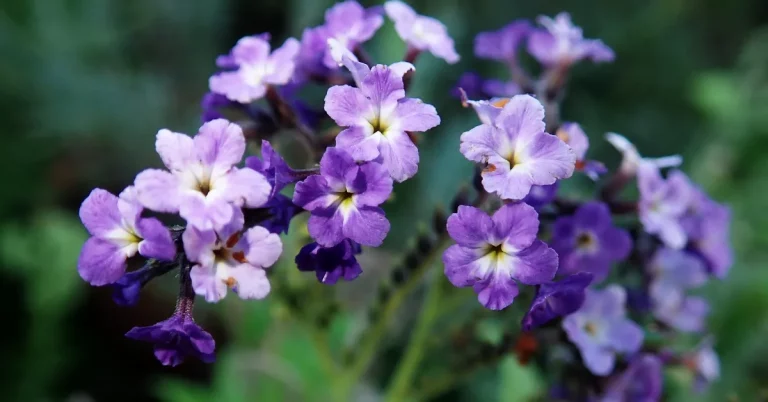
Violet, heliotrope, musk, or powdery notes can turn cherry blossom into a soft cosmetic-style floral.
Some interpretations introduce a faint almond-like nuance, especially when the composition also leans toward cherry or soft gourmand notes.
Why cherry blossom can smell different from perfume to perfume
There is no single universal cherry blossom smell. Natural fragrance varies among flowering cherries, and perfumery typically treats cherry blossom as a creative accord that can be adjusted to fit the composition.
A constructed floral impression
When “cherry blossom” appears in a note list, it usually describes an intended scent impression. It should not be read as proof that the formula contains a natural cherry blossom extract.
That gives the perfumer flexibility to emphasize freshness, soft sweetness, powder, green facets, rosy petals, or a subtle almond-like edge while still keeping the overall idea recognizably blossom-like.
What changes the impression?
- The species or cultivar being evoked can range from barely scented to more noticeably fragrant.
- Citrus, tea, watery, and green notes can make the accord feel brighter and more transparent.
- Violet, heliotrope, musk, or powdery notes can make it softer and more cosmetic.
- Cherry fruit, vanilla, praline, amber, or woods can turn it sweeter, warmer, or deeper.
How cherry blossom works in a fragrance
Cherry blossom is especially useful when a perfume needs floral character without the weight of a lush, indolic, or heavily sweet bouquet. It can act as the center of a spring floral or as a soft bridge between brighter top notes and warmer base notes.
What pairs well with cherry blossom?
Cherry blossom is easy to steer because its perfume character is usually delicate. Other florals can build a fuller bouquet, fruits can add sparkle, citrus can sharpen the freshness, and soft sweet notes can make the petals feel warmer.
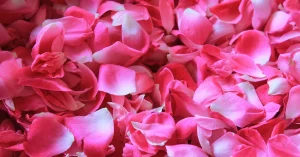
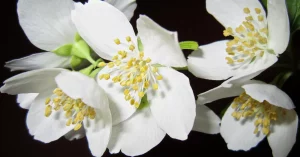
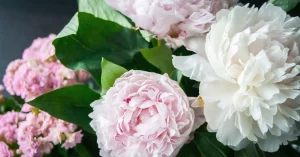
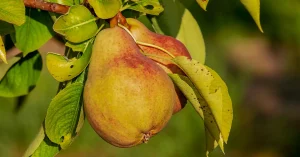
Five ways perfumes frame cherry blossom
These fragrances show how differently the same floral idea can behave: powdery and comforting, fresh and fruity, sweet and cherry-forward, warm and ambered, or softened by woods and musk.
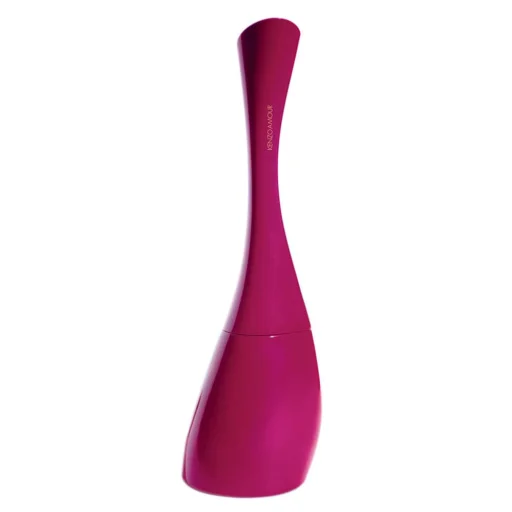
Kenzo Amour
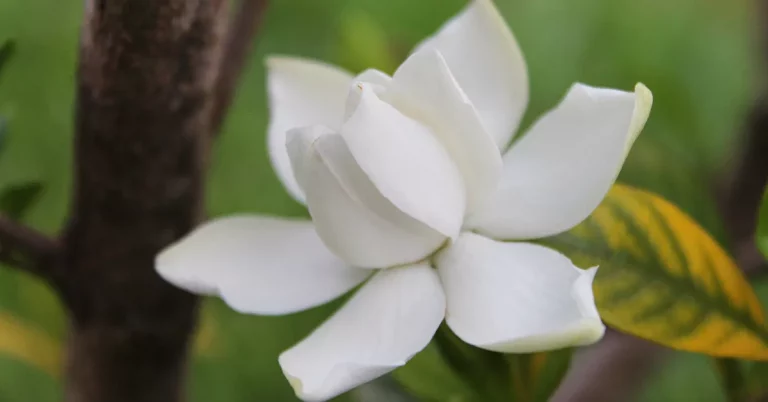
Kenzo Amour places cherry blossom inside a soft floral heart, with rice and white tea above it and a warm, smooth base below. The result is a gentle interpretation in which the blossom is more powdery and comforting than crisp or sharply fruity.
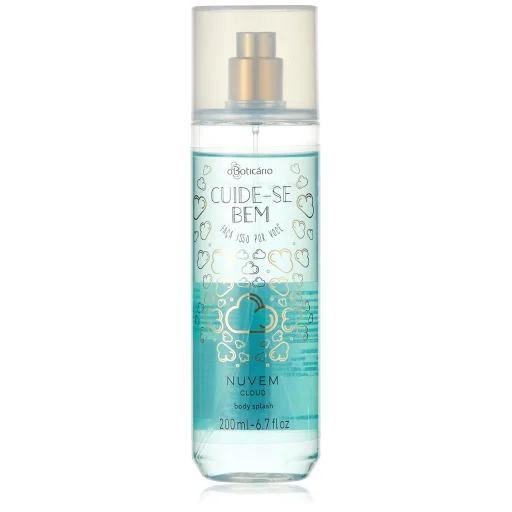
Cuide-se Bem Nuvem
Here cherry blossom sits in a broad, airy floral heart after a lively mix of fruit and citrus. Powdery notes, musk, sandalwood, and cedar soften the transition into the base, giving the blossom a fresh-clean and gently cushioned setting.
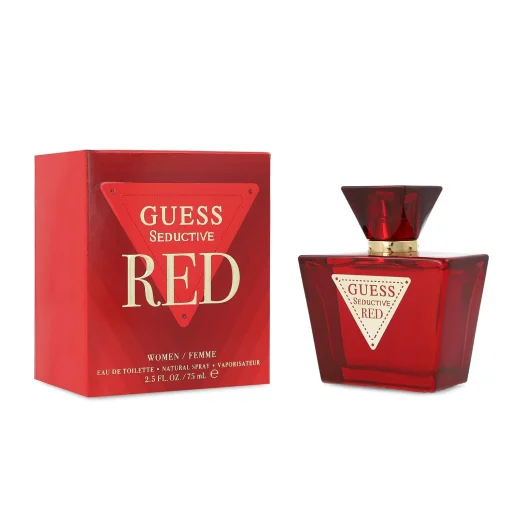
Seductive Red
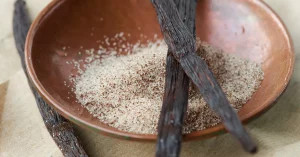
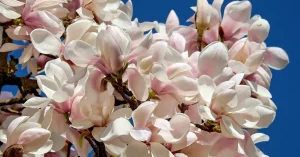
Seductive Red deliberately connects cherry blossom with cherry fruit. The floral heart keeps the ripe opening from remaining purely fruity, while violet and magnolia add softness before a sweet, warm base of vanilla, tonka bean, and sandalwood.
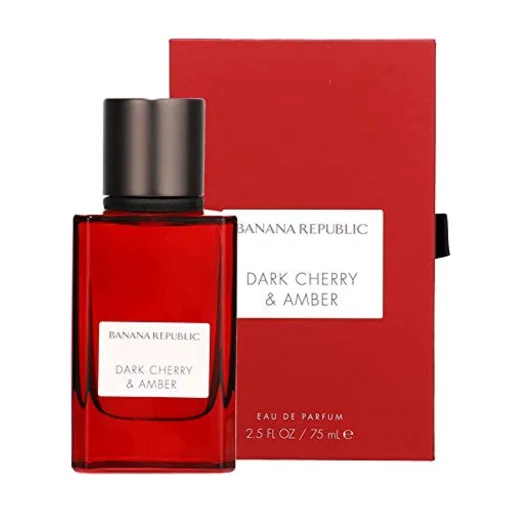
Dark Cherry & Amber
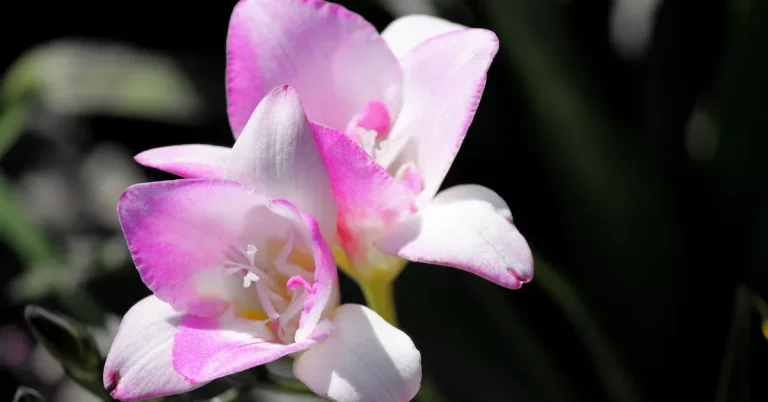
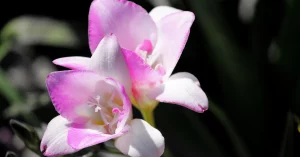
Dark Cherry & Amber gives cherry blossom a much warmer setting. Tart cherry and pink freesia introduce fruit and floral brightness, while praline shares the heart with the blossom and red amber plus cedar deepen the base.
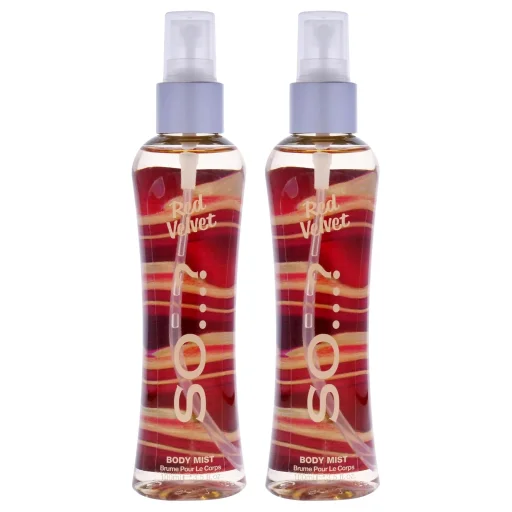
Red Velvet
Cherry blossom appears with peony and violet after a fresh-fruity opening. Tonka bean, amber, and cedar then give that floral center a warmer and smoother foundation.
Which cherry blossom direction fits you?
Kenzo Amour
- Cherry blossom partners
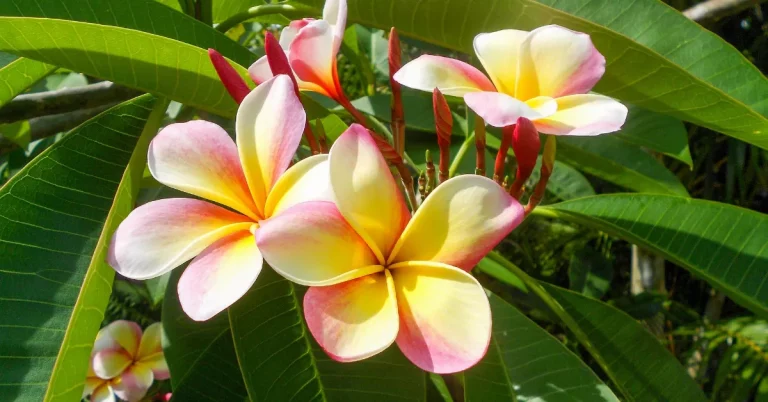
- Frangipani, heliotrope, white tea, rice
- Surrounding character
- Soft, powdery, creamy, gently warm
- Choose this direction if…
- You want cherry blossom to feel quiet, smooth, and cocooned rather than fruity.
Cuide-se Bem Nuvem
- Cherry blossom partners
- Lily-of-the-valley, frangipani, orchid, citrus, musk
- Surrounding character
- Fresh, fruity-floral, powdery, clean
- Choose this direction if…
- You like airy floral freshness with bright fruit and a soft musky-woody base.
Guess Seductive Red
- Cherry blossom partners
- Cherry, almond, violet, magnolia, vanilla
- Surrounding character
- Sweet, cherry-forward, floral, warm
- Choose this direction if…
- You want the blossom tied directly to juicy cherry and a sweeter vanilla-tonka drydown.
Dark Cherry & Amber
- Cherry blossom partners
- Sour cherry, pink freesia, praline, amber, cedar
- Surrounding character
- Warm, sweet, fruity, woody
- Choose this direction if…
- You prefer a darker cherry-blossom idea with gourmand warmth and an ambered woody base.
So…? Red Velvet
- Cherry blossom partners
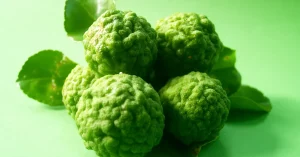
- Peony, violet, peach, bergamot, amber
- Surrounding character
- Fresh-floral, softly fruity, warm
- Choose this direction if…
- You want a bright floral center softened by peach and anchored with amber, tonka, and cedar.
Cherry blossom perfume FAQ
Does cherry blossom perfume smell like cherries?
Not necessarily. Cherry blossom is usually interpreted as a soft floral note, while cherry fruit is juicier, sweeter, darker, or more tart. Some perfumes combine both, which can make the connection feel much stronger.
Is cherry blossom naturally strongly fragrant?
Many ornamental flowering cherries have only a faint fragrance, and scent intensity can differ among species and cultivars. That is one reason perfume interpretations can vary so widely.
Is cherry blossom essential oil used in perfume?
A listed cherry blossom note should not be assumed to mean the perfume contains a literal cherry blossom essential oil or extract. In modern fragrance, cherry blossom is commonly presented as a constructed floral accord or scent impression.
Is cherry blossom a floral or fruity note?
It is generally treated as a floral note. If the composition also includes cherry, peach, pear, apple, or other fruits, the overall fragrance may feel distinctly fruity-floral.
What notes make cherry blossom smell fresher?
Bergamot and other citrus notes, tea, watery notes, green facets, freesia, lily-of-the-valley, and crisp fruits can all push a cherry blossom accord toward a brighter, more transparent style.
What notes make cherry blossom smell warmer or sweeter?
Vanilla, tonka bean, praline, amber, musk, sandalwood, and other soft woods can make the floral idea feel rounder, sweeter, creamier, or more enveloping.
A blossom perfumers can reinterpret
Cherry blossom is compelling precisely because it is not a single fixed perfume material with one unavoidable scent. In fragrance it can become a whisper of fresh petals, a powdery floral heart, a companion to juicy cherry, or a bridge into vanilla, amber, musk, and woods. The best way to understand the note is to notice what surrounds it: those neighboring notes tell you which version of cherry blossom the perfumer wants you to smell.