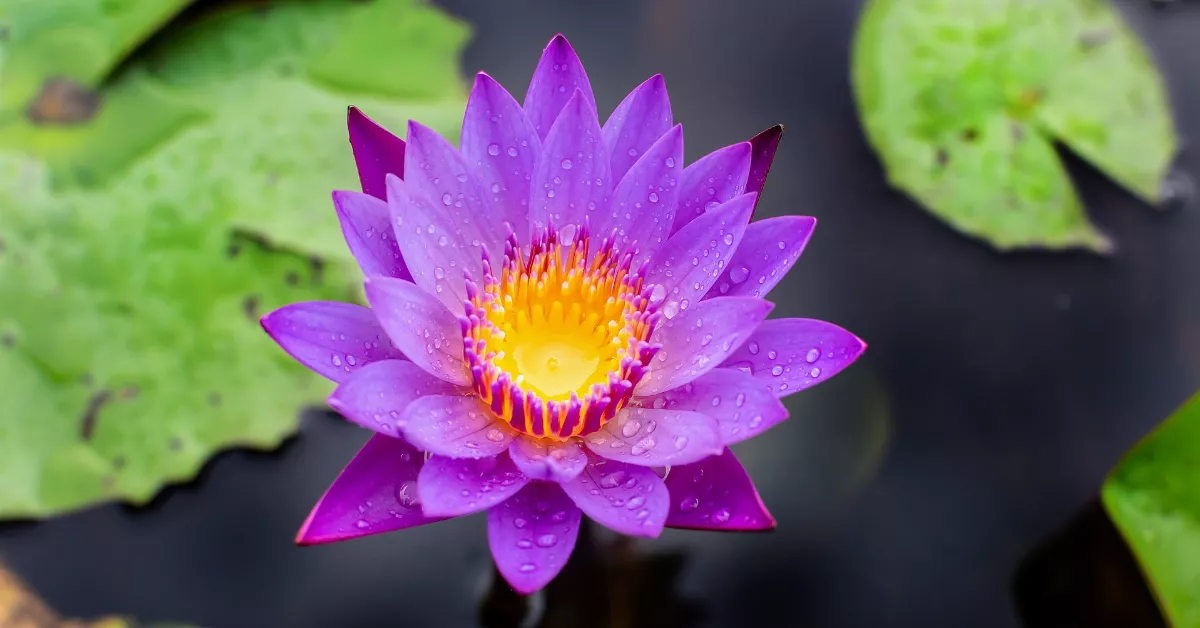
Lotus is one of perfumery’s most evocative watery-floral notes: airy, petal-soft, fresh, and often associated with the impression of flowers floating over still water. In a fragrance pyramid, however, the word “lotus” usually describes the intended scent effect rather than proving that a literal extract from a particular lotus species is present.
What is lotus?
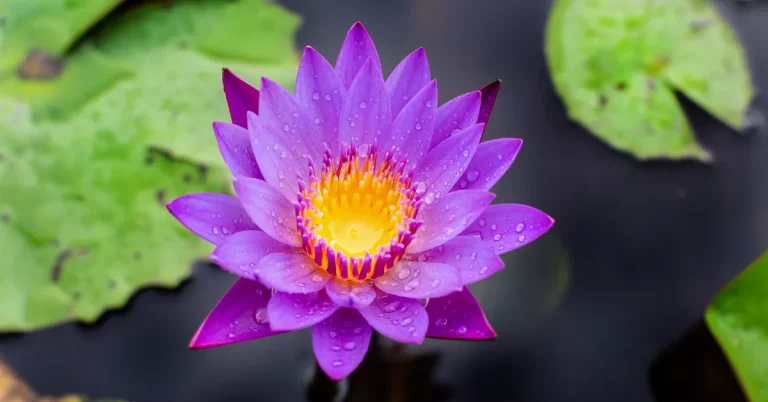
The name “lotus” can refer to more than one aquatic flower in everyday language, so botanical identity matters. True lotus belongs to the genus Nelumbo, while plants commonly called blue lotus are water lilies in the genus Nymphaea.
A flower, a name, and a perfume idea
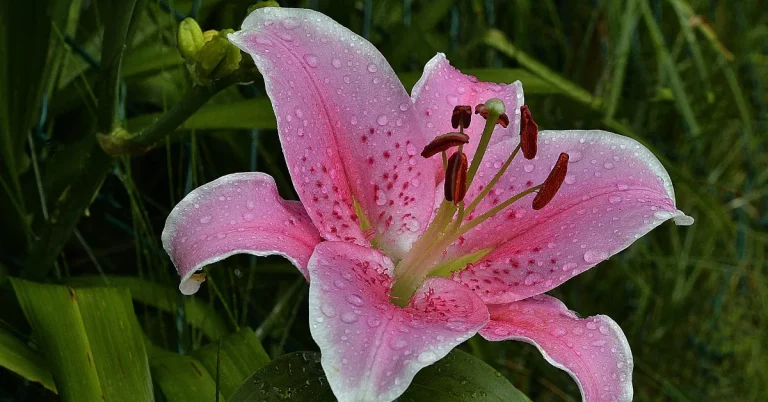
True lotus, including sacred lotus (Nelumbo nucifera), is an aquatic perennial whose flowers rise above the water. Blue lotus, including the name often applied to Nymphaea caerulea, belongs to a different botanical group despite the shared common name.
Perfume descriptions are less botanical. A listed “lotus” note may be an accord designed to suggest a transparent aquatic flower, so the safest reading is olfactory rather than literal unless a brand identifies the material it used.
What does lotus smell like?
In perfume language, lotus is usually interpreted as a delicate aquatic floral rather than a dense, narcotic blossom. Its character depends heavily on the notes surrounding it.
Suggests fresh water, cool air, and a translucent floral effect without necessarily smelling salty or marine.
Often gives a composition breathing room, especially beside richer florals, woods, amber, or sweet notes.
Can create the impression of petals touched by water or morning moisture.
Usually reads as gentler and less heady than jasmine, tuberose, or other more saturated floral notes.
Frequently supports polished, fresh compositions alongside citrus, musk, violet, or ozonic effects.
In some blends, iris, violet, musk, or sandalwood can pull lotus toward a smoother, more powdery floral texture.
Why does a lotus note vary so much?
There is no single universal “lotus” smell used identically across perfumes. Botanical naming, creative interpretation, and the architecture of the surrounding accord can all change what the wearer perceives.
Botanical material versus perfume accord
A living lotus flower has its own volatile aroma, and research on Nelumbo nucifera shows that floral scent profiles can vary among plant material and flower organs. That does not mean every commercial lotus fragrance uses a direct extract from those flowers.
When “lotus” appears in a note pyramid, it is best understood as the perfumer’s intended floral-aquatic impression unless the manufacturer gives more specific information about the raw material.
What changes the effect?
- Citrus and green notes can make lotus feel brighter, crisper, and more transparent.
- Rose, jasmine, iris, or violet can turn it into part of a fuller floral bouquet.
- Musk, sandalwood, and soft woods can emphasize a smooth, clean, skin-like drydown.
- Amber, vanilla, tonka, or praline can make the surrounding composition warmer and sweeter.
How lotus works in a fragrance
Lotus is especially useful when a perfumer wants floral character without making the composition feel heavy. It can bridge citrus, watery effects, florals, woods, musk, and amber while maintaining a sense of transparency.
What pairs well with lotus?
Lotus is easy to steer because its usual perfume character is light and transparent. Florals can make it more petal-rich, citrus can sharpen its freshness, and warm woods or vanilla can give the airy note a softer landing.
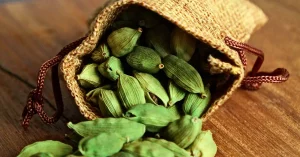
Four perfumes that show different sides of lotus
These supplied fragrances place lotus in four very different settings: a sweet floral heart, a complex aquatic-woody composition, a citrus-to-leather structure, and a fresh citrus opening over ambered woods.
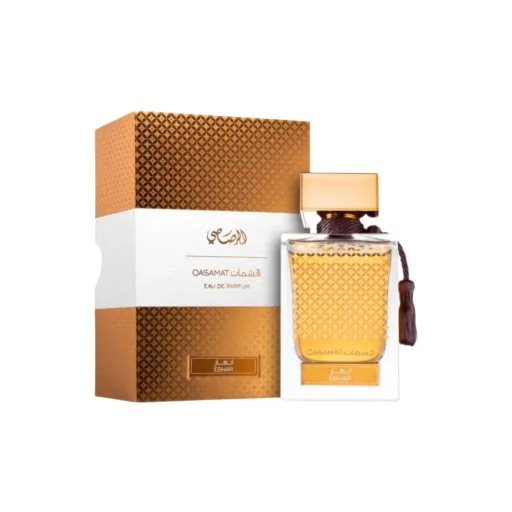
Qasamat Ebhar
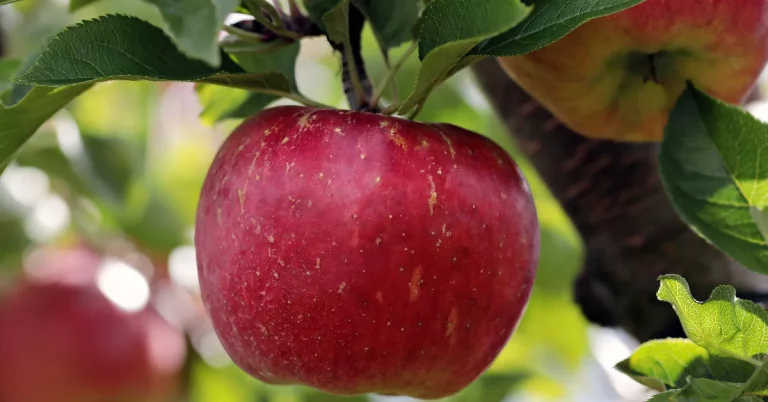
Qasamat Ebhar opens with green apple and lemon before moving into a floral heart of orris root, Damask rose, jasmine, and lotus. Vanilla, praline, tonka bean, and musk make the base substantially sweeter and softer than the crisp opening.
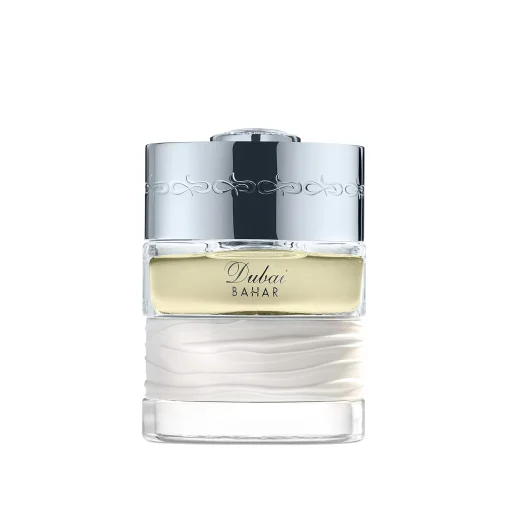
Bahar
Bahar surrounds its lotus heart with an unusually broad palette. A top packed with sea, ozonic, watery, citrus, green, spicy, and fruit notes leads into lotus with woods, violet leaf, jasmine, cyclamen, rose, iris, saffron, and spices before a woody amber-musk base.

Club Extreme
Club Extreme puts lotus directly in the opening with mandarin orange and bergamot, then shifts into amber, leather, and sandalwood before drying down to patchouli, woodsy notes, and musk.
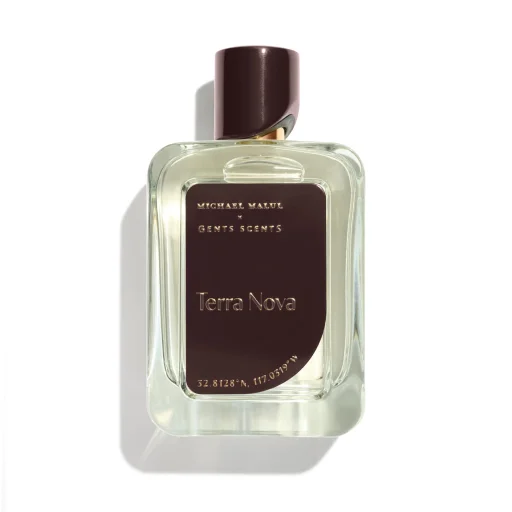
Terra Nova
Terra Nova lists lotus in a fresh opening with bergamot and lemon leaf. Its middle introduces ambroxan, sandalwood, and violet, followed by black amber, patchouli, and tonka bean in the base.
Four ways to wear a lotus note
Qasamat Ebhar
- Lotus partners
- Rose, jasmine, orris, apple, lemon, vanilla, praline, tonka, musk
- Surrounding character
- Floral, powdery, sweet, creamy
- Choose this direction if…
- You want lotus inside a lush floral heart that settles into a noticeably sweet vanilla-tonka base.
Bahar
- Lotus partners
- Watery notes, sea notes, citrus, violet leaf, jasmine, woods, amber, musk
- Surrounding character
- Aquatic, citrusy, woody, aromatic
- Choose this direction if…
- You want lotus woven into a large, complex composition that moves from water and citrus toward woods and amber.
Club Extreme
- Lotus partners
- Mandarin, bergamot, leather, amber, sandalwood, patchouli, musk
- Surrounding character
- Fresh citrus over warm leather and woods
- Choose this direction if…
- You like the contrast of a bright lotus-citrus opening against a darker woody, leathery structure.
Terra Nova
- Lotus partners
- Bergamot, lemon leaf, violet, sandalwood, ambroxan, black amber, patchouli, tonka
- Surrounding character
- Citrus-green, woody, ambered
- Choose this direction if…
- You prefer lotus as part of a crisp opening that transitions into violet, smooth woods, and a warmer amber-tonka base.
Lotus perfume FAQ
Is lotus a floral or aquatic perfume note?
Usually both. Lotus is commonly presented as a floral note with an aquatic, dewy, or transparent character, which is why it appears naturally in fresh floral and watery compositions.
Does a listed lotus note mean the perfume contains real lotus extract?
No. A note pyramid describes the intended olfactory structure of a fragrance. Unless a brand specifically identifies a natural lotus material, the listing alone does not establish what raw material created the effect.
Are lotus and blue lotus the same plant?
Not necessarily. True lotus belongs to the genus Nelumbo. Plants commonly called blue lotus can belong to the water-lily genus Nymphaea, so common names should not be treated as precise botanical identification.
Is lotus usually a strong or heavy floral?
In perfume descriptions, lotus is more often used for a soft, airy, watery floral impression than for a dense or narcotic one. The finished fragrance can still feel rich if lotus is surrounded by amber, leather, vanilla, oud, or heavy woods.
What notes make lotus smell fresher?
Bergamot, lemon, mandarin, green notes, watery accords, ozonic effects, and light musks can all reinforce the fresh and transparent side of a lotus accord.
What notes make lotus feel warmer?
Sandalwood, amber, vanilla, tonka bean, musk, patchouli, leather, and other deeper base materials can give an airy lotus impression more warmth, body, and contrast.
Lotus is less a single smell than a transparent floral direction
Across perfume compositions, lotus is a flexible way to suggest petals, water, air, and freshness. The clearest way to understand it is to look at its neighbors: citrus can make it sparkle, jasmine and rose can turn it into a bouquet, and woods, musk, amber, or vanilla can give its delicate floral effect a warmer frame.