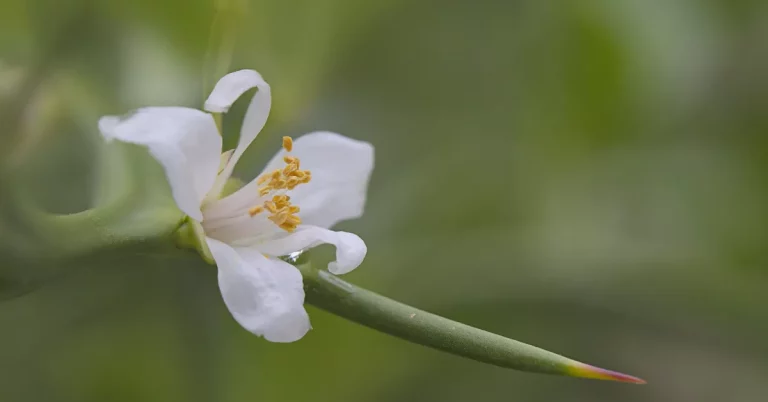
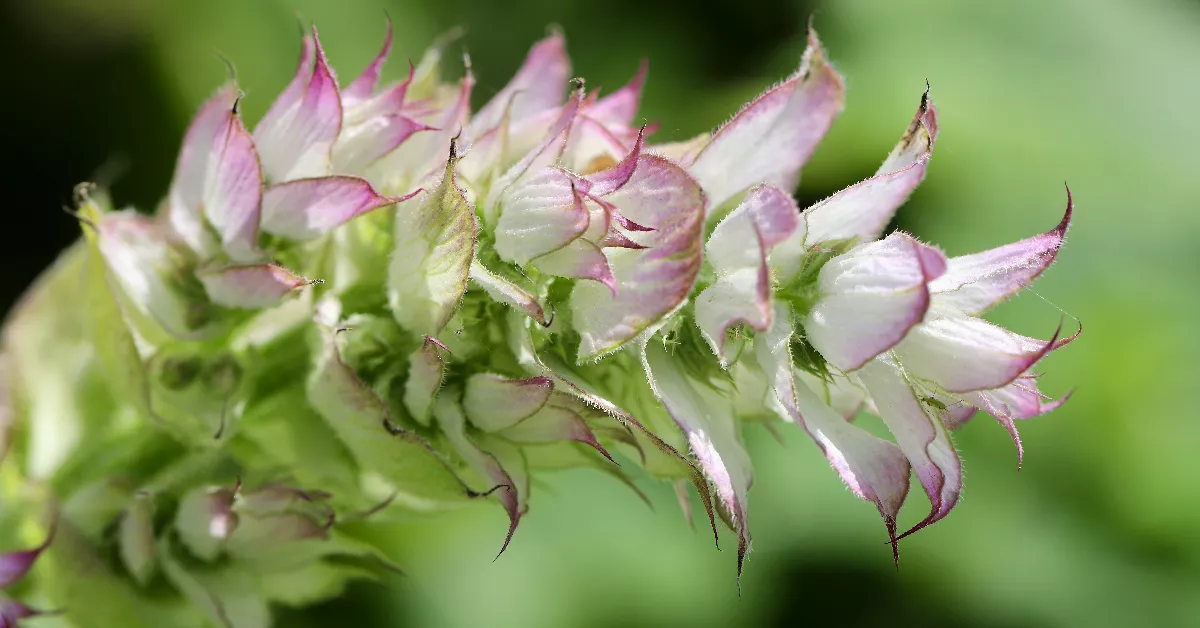
Clary sage is an aromatic botanical note with a fresh herbal character that can also feel softly floral, tea-like, earthy, and warm. In perfume, it is especially useful for connecting bright citrus or lavender to deeper woods, amber, spice, tobacco, and musk without making the composition feel overly heavy.
What is clary sage?
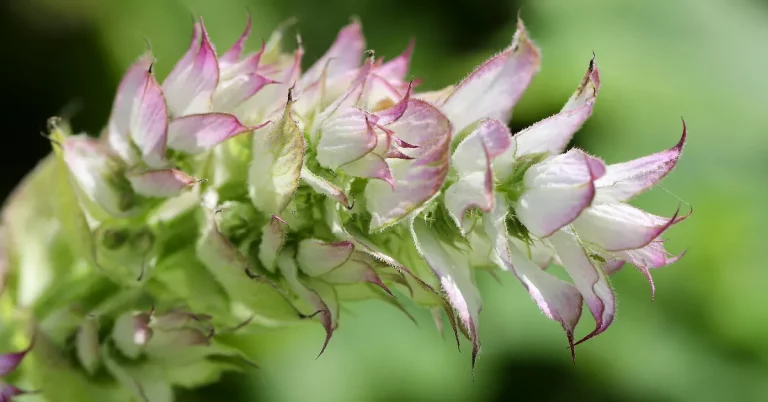
Clary sage is Salvia sclarea, an aromatic member of the mint family, Lamiaceae. It is a biennial or short-lived perennial whose native range extends from the Mediterranean region through parts of Central Asia and the western Himalaya.
A botanical and a perfume idea
The plant produces strongly aromatic material, and clary sage essential oil is used in fragrance and other scented products. Studies of the oil commonly find linalyl acetate and linalool among its major volatile constituents.
A perfume that lists a “clary sage” note, however, is describing an olfactory effect rather than guaranteeing that natural clary sage essential oil is present. A perfumer can build a clary-sage impression with natural material, other aroma materials, or a combination of both.
What does clary sage smell like?
Clary sage is usually recognizable as an aromatic herbal note, but it is softer and more rounded than the word “sage” may suggest. Depending on the material and surrounding notes, it can move from crisp and green to floral, tea-like, earthy, musky, or gently tobacco-like.
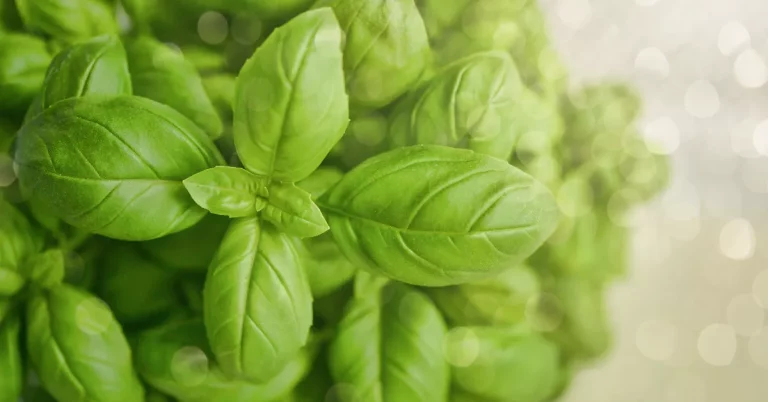
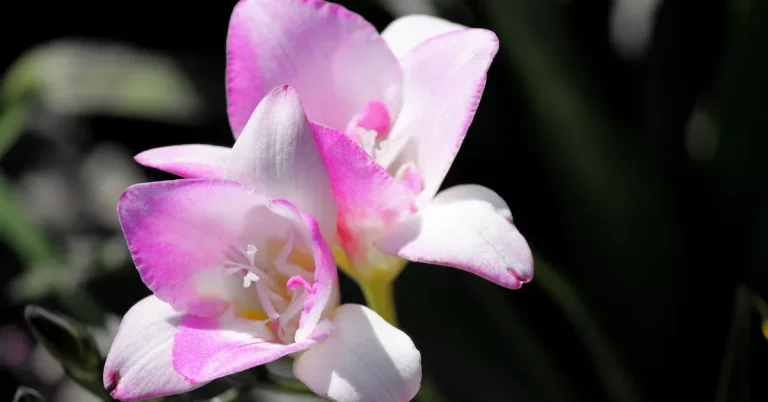
A leafy, botanical character gives clary sage its unmistakably aromatic backbone.
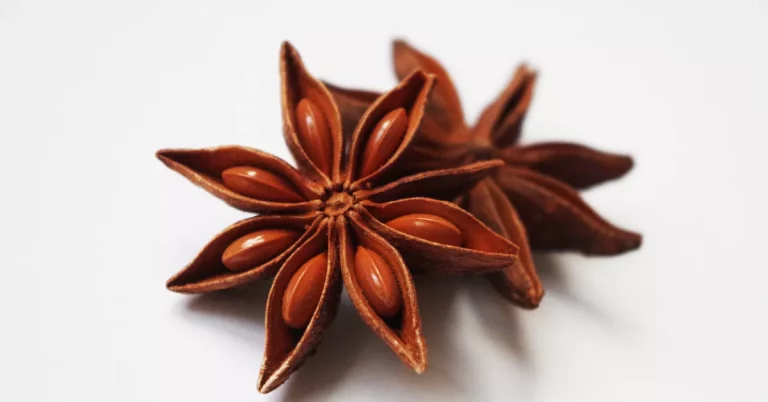
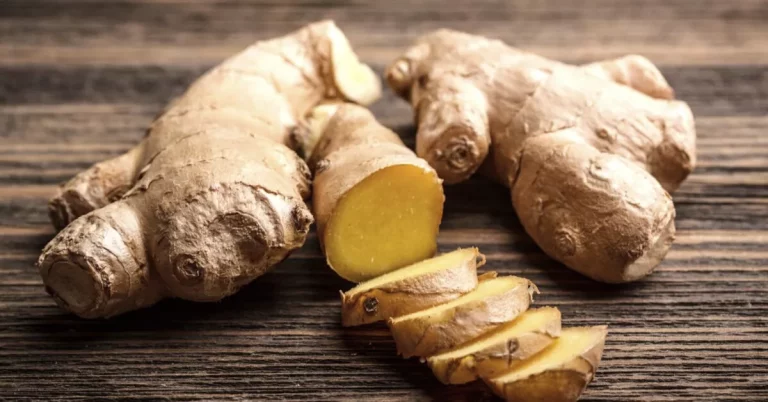
It can add a dry, gently peppery freshness without becoming as sharp as many culinary spices.
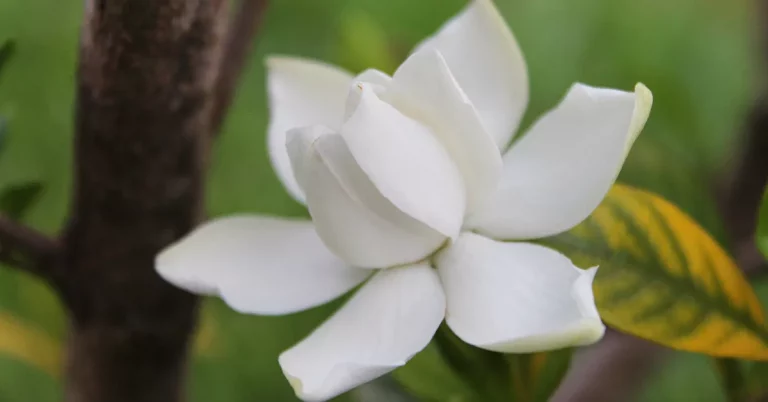
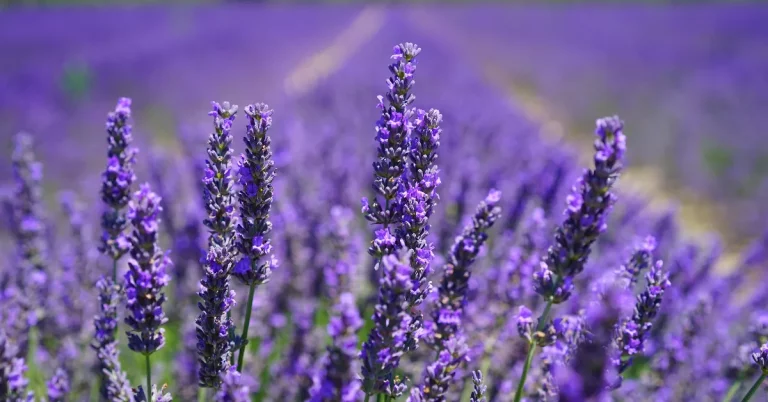
Floral-lavender nuances can smooth the herbaceous side and make the note feel more perfumed than kitchen-like.
Some interpretations suggest dried leaves or herbal tea, especially beside lavender, citrus, or other green notes.
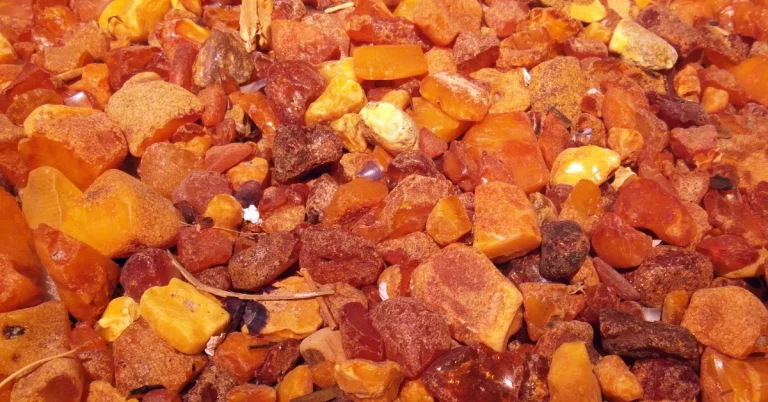
Against amber, vanilla, tobacco, or balsams, clary sage can develop a warmer and more rounded impression.
Woods, vetiver, patchouli, and resins can draw out a dry, grounded side of the note.
Why can clary sage smell different from fragrance to fragrance?
There is no single fixed clary-sage smell. Natural material varies, and a listed perfume note may also be an accord designed to emphasize only selected facets of the plant.
Variation begins with the plant
Research on Salvia sclarea shows that the balance of aromatic compounds can vary within the plant itself. Flowers, leaves, and different types of oil glands do not necessarily present the same proportions of volatile materials.
Origin, growing conditions, harvest, and processing can add further variation. That means one natural clary sage material may smell more floral and smooth while another may feel greener, drier, or more strongly herbal.
Then the perfume changes it again
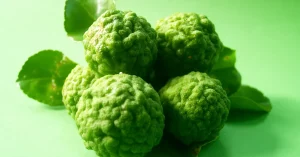
- Lavender and bergamot can make clary sage feel brighter and more aromatic.
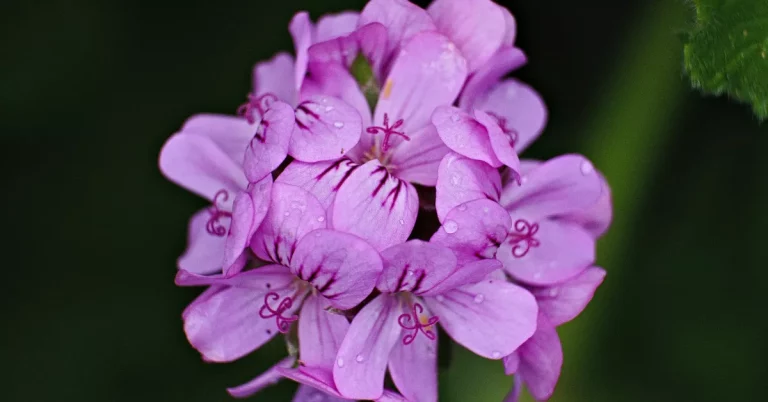
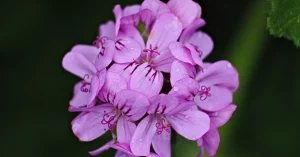
- Geranium and other florals can pull forward its softer floral side.
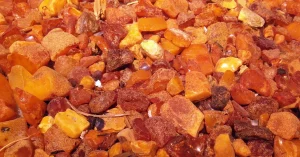
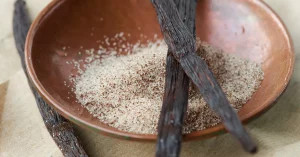
- Vanilla, amber, balsams, or praline can make the surrounding accord warmer and sweeter.
- Cedar, vetiver, patchouli, tobacco, leather, or oud can make it feel drier, darker, and more grounded.
How clary sage works in a fragrance
Clary sage rarely needs to dominate a perfume to be useful. Its strength is often structural: it adds aromatic freshness, connects different families of notes, and gives floral, fruity, spicy, or woody compositions a greener botanical edge.
What pairs well with clary sage?
Clary sage is particularly flexible with citrus, aromatic herbs, florals, warm accords, and spice. These combinations can emphasize everything from its crisp green side to its softer floral and earthy warmth.
Four ways clary sage changes character
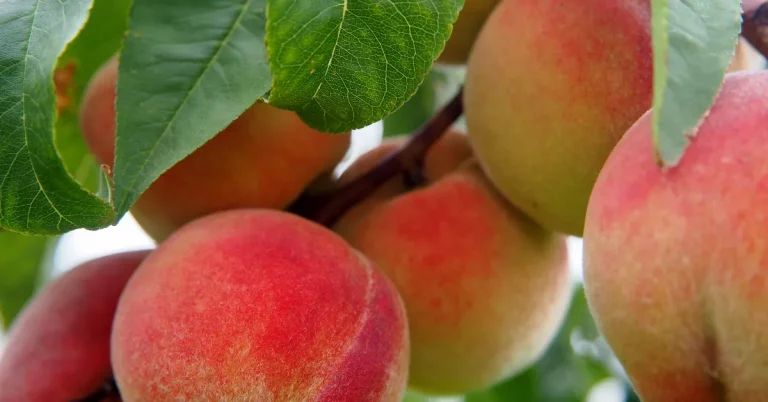
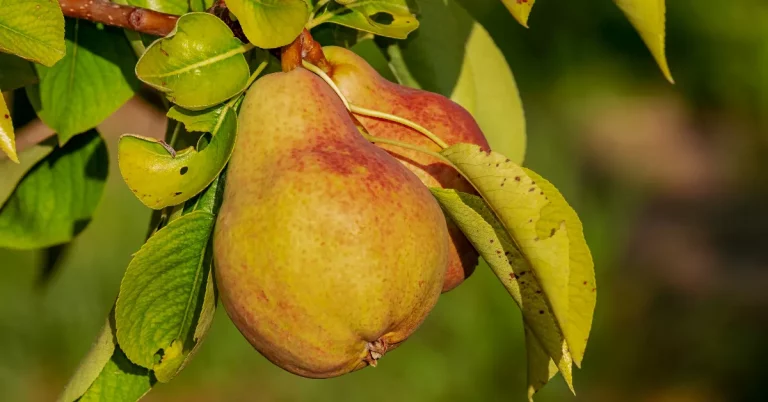
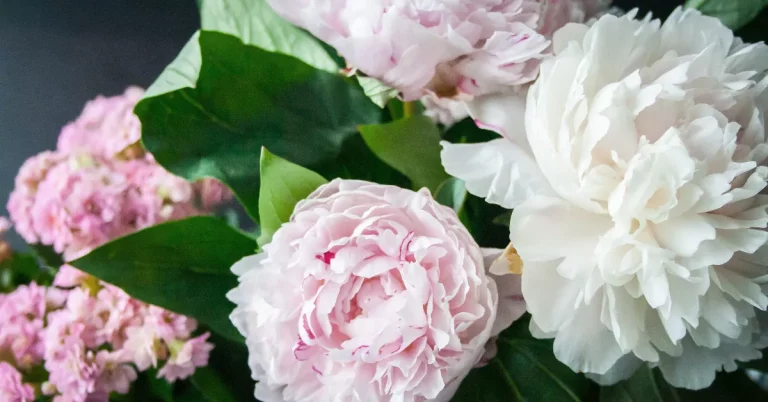
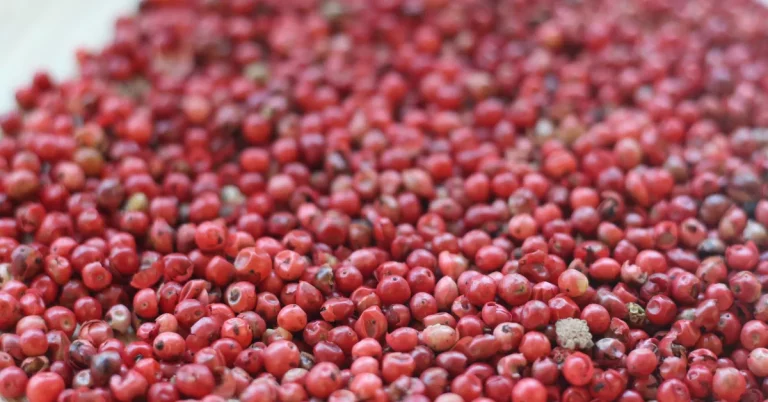
These fragrances show clary sage in very different surroundings: fruity and woody, citrus-aromatic and oud-based, resinous and leathery, or paired with apple, lavender, tobacco, and vetiver.
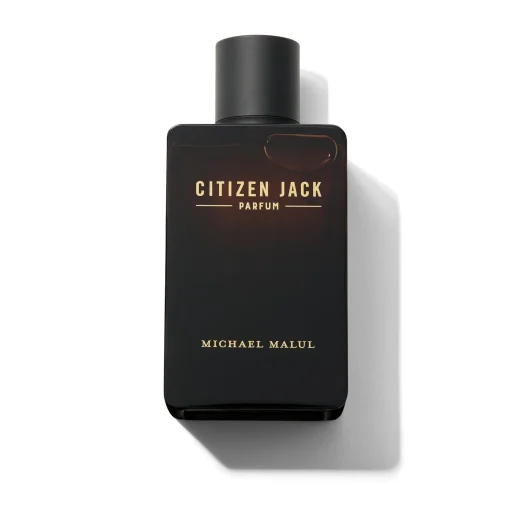
Citizen Jack Parfum
Citizen Jack Parfum starts with melon, bergamot, water lily, and mandarin leaf before moving into a heart where clary sage sits beside vanilla, amberwood, and violet leaf. Sandalwood, tonka bean, vetiver, and musk form the base.
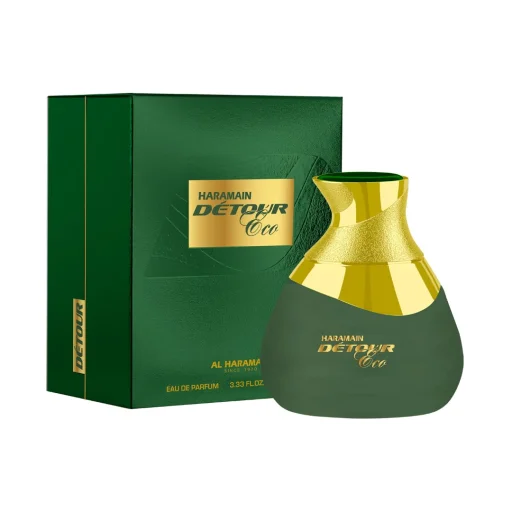
Detour Eco
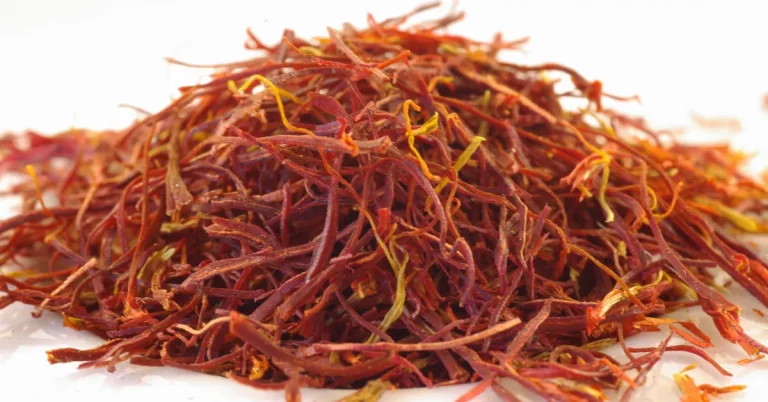
Detour Eco places clary sage directly in the opening with lavender and bergamot. Saffron and praline form the heart, while agarwood and cedar create the woody base.
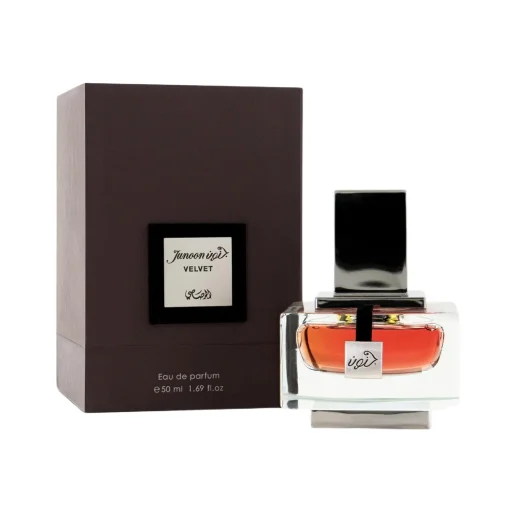
Junoon Velvet Pour Homme
Junoon Velvet Pour Homme surrounds clary sage with an unusually textured set of notes. Leather, tomato leaf, and vanilla open the fragrance, followed by galbanum, orris, labdanum, and clary sage over balsams, musk, myrrh, sandalwood, and more vanilla.
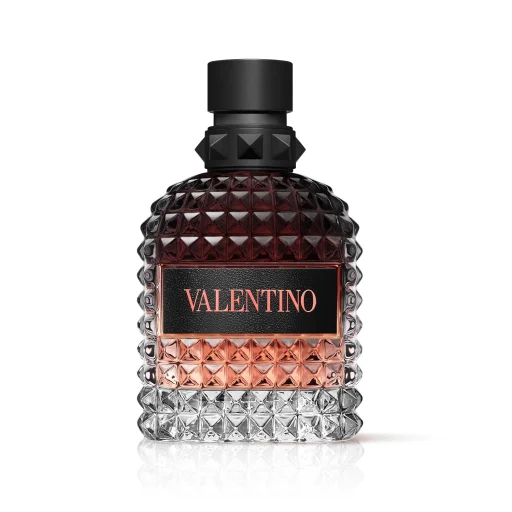
Uomo Born in Roma Coral Fantasy
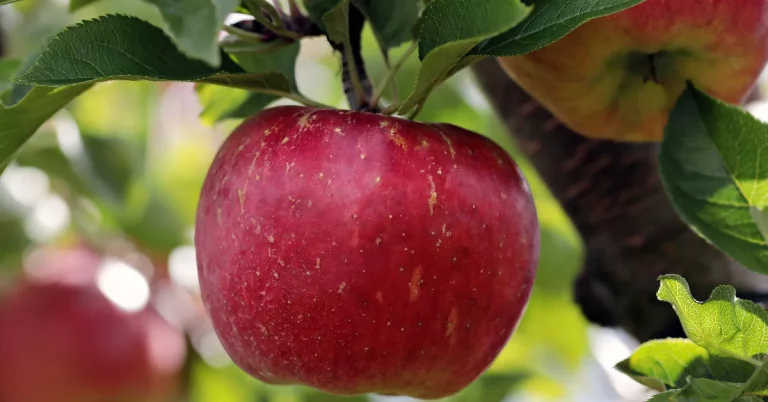
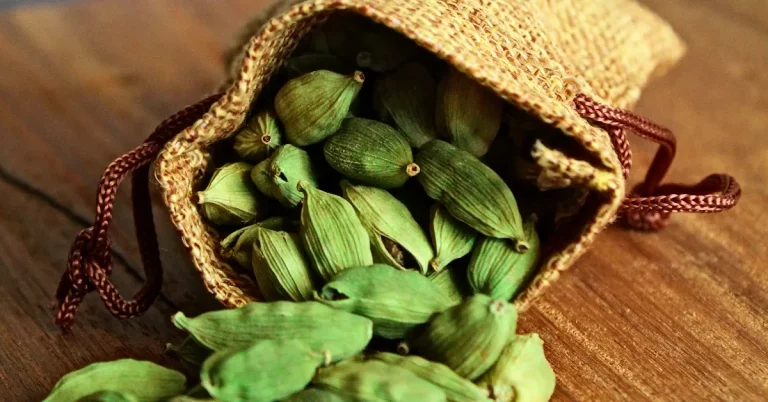
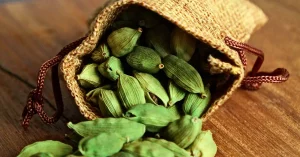
Coral Fantasy begins with red apple, cardamom, and Calabrian bergamot, then shifts into an aromatic heart of lavender, bourbon geranium, and clary sage. Tobacco leaf, patchouli, and Haitian vetiver provide the darker base.
Four different clary sage directions
Citizen Jack Parfum
- Clary sage partners
- Violet leaf, vanilla, amberwood, vetiver, sandalwood
- Surrounding character
- Fruity, green, woody, softly sweet
- Choose this direction if…
- You want clary sage woven into a smooth fruity-aromatic fragrance with warm woods and tonka.
Detour Eco
- Clary sage partners
- Lavender, bergamot, saffron, praline, oud, cedar
- Surrounding character
- Aromatic, citrusy, sweet-spicy, woody
- Choose this direction if…
- You like a bright herbal opening that turns sweeter and darker as saffron, praline, oud, and cedar appear.
Junoon Velvet Pour Homme
- Clary sage partners
- Galbanum, orris, labdanum, leather, balsams, sandalwood
- Surrounding character
- Green, resinous, leathery, powdery
- Choose this direction if…
- You want the most unusual and resin-heavy setting, with clary sage surrounded by green, leathery, powdery, and balsamic notes.
Uomo Born in Roma Coral Fantasy
- Clary sage partners
- Lavender, geranium, apple, cardamom, tobacco, vetiver
- Surrounding character
- Aromatic, fruity, spicy, tobacco-woody
- Choose this direction if…
- You want clary sage in a classic aromatic heart contrasted with juicy apple, spice, tobacco, patchouli, and vetiver.
Clary sage perfume FAQ
Is clary sage the same as regular sage?
No. Clary sage is Salvia sclarea, while common culinary sage is usually Salvia officinalis. They are related plants, but their aromatic profiles are not identical.
Does a clary sage note mean the perfume contains clary sage essential oil?
Not necessarily. A note list describes the scent impression or structure of a fragrance. The clary sage effect may come from natural clary sage material, other aroma materials, or a combination of both.
Is clary sage more herbal or floral?
Usually both, with the balance depending on the material and formula. It commonly reads as aromatic and herbal first, but softer floral, lavender-like, tea-like, and warm facets can appear around it.
Why does clary sage smell different in different perfumes?
Natural clary sage material can vary in composition, and perfumers can also emphasize different facets of the note. Lavender and citrus brighten it; florals soften it; woods, tobacco, patchouli, amber, and resins can make it feel darker or warmer.
Is clary sage only used in men’s fragrances?
No. It appears in men’s, women’s, and unisex fragrances. Its aromatic character is common in traditionally masculine structures, but the material itself is versatile and can work in floral, woody, amber, fresh, and unisex compositions.
What should I look for if I want to notice clary sage in a perfume?
Start with fragrances that place it beside lavender, bergamot, geranium, or other aromatic notes. Those combinations tend to make its herbal character easier to recognize before sweeter, woody, resinous, or tobacco notes reshape it.
Clary sage is a shape-shifter with an aromatic backbone.
It can feel crisp and green beside bergamot, softly floral beside lavender and geranium, warmer beside vanilla or amber, or earthy and dry beside vetiver, cedar, tobacco, leather, and resins. When you see clary sage in a note list, look at the notes around it: they usually reveal which side of this versatile aromatic herb the perfume is trying to show.