Cinnamon brings a warm, dry-sweet spice effect to perfume, often giving a fragrance an immediately cozy, glowing character. Depending on what surrounds it, the note can feel airy and aromatic, rich and ambery, fruity and gourmand-leaning, or darker and more resinous.
What is cinnamon?
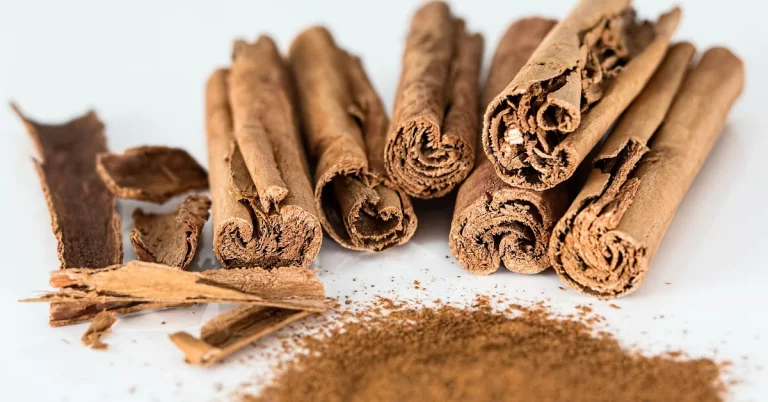
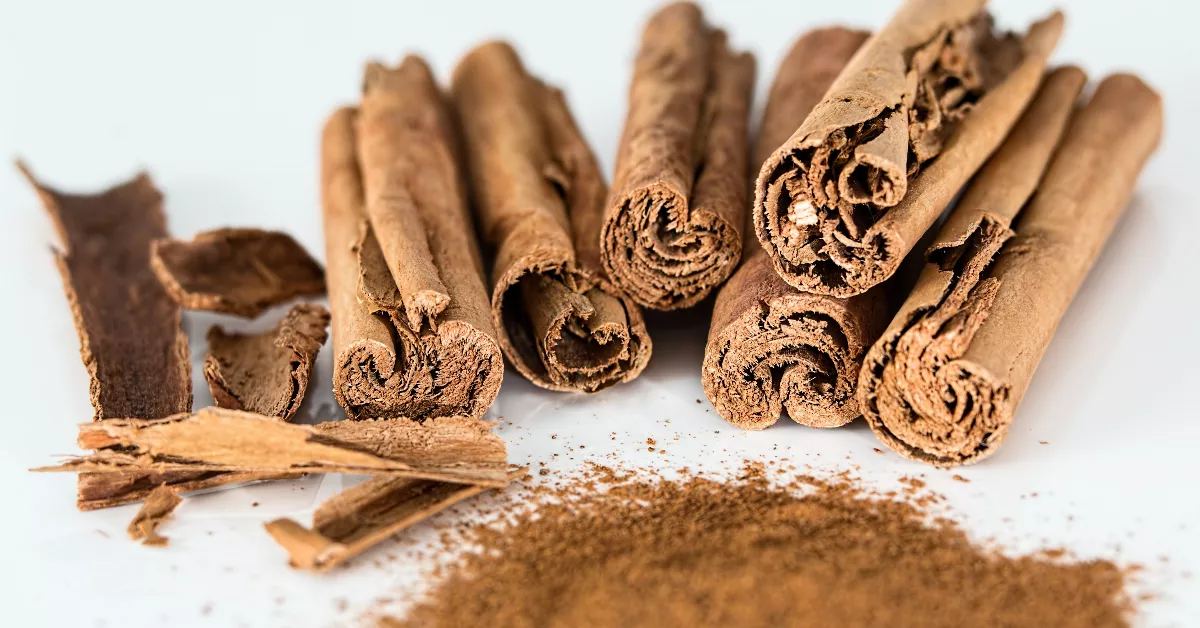
Cinnamon is the aromatic bark associated with trees in the genus Cinnamomum. In fragrance descriptions, however, a listed cinnamon note does not necessarily mean that a perfume contains a literal natural cinnamon extract.
From bark to perfume note
The familiar culinary spice comes from dried inner bark, but perfumery can represent its recognizable warmth in several ways. A formula may use a natural aromatic material, synthetic aroma materials, or a blended accord designed to suggest cinnamon.
That distinction matters because the word cinnamon on a note list describes the impression a perfumer wants you to notice, not a guaranteed ingredient declaration.
What does cinnamon smell like?
Cinnamon is recognizable for its warm spice, but it is more nuanced than simple sweetness. In perfume it can feel dry, woody, aromatic, softly sugary, or almost glowing against amber and vanilla.
It creates a heated, enveloping sensation that can make a composition feel cozy and full.
The note has a lively aromatic bite that adds definition rather than behaving like plain sugar.
Cinnamon can suggest sweetness while still retaining a dry, bark-like edge.
Its bark association can give it a subtle woody character, especially beside cedar or sandalwood.
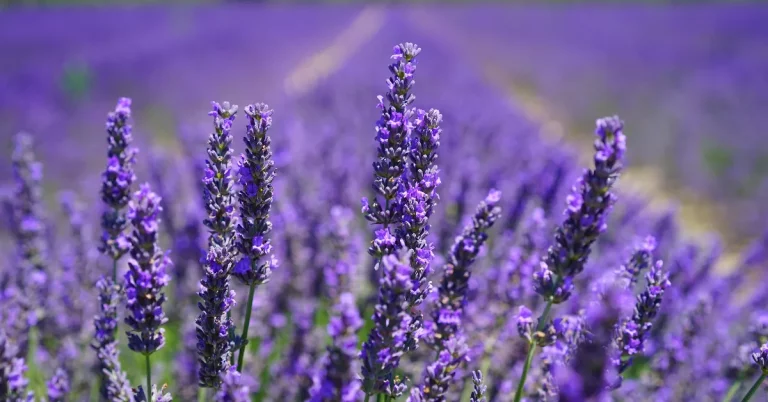
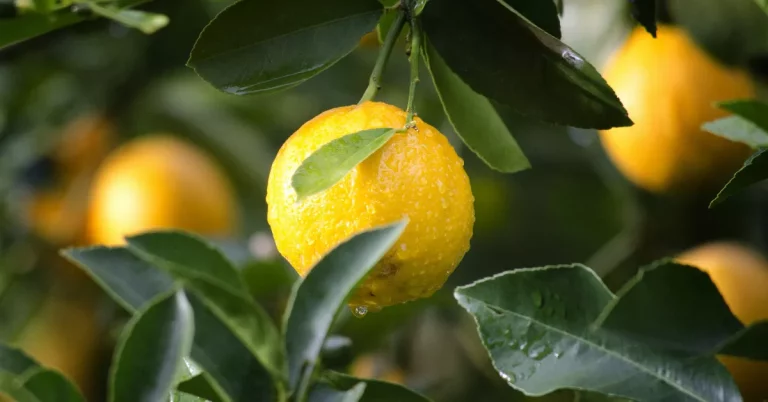
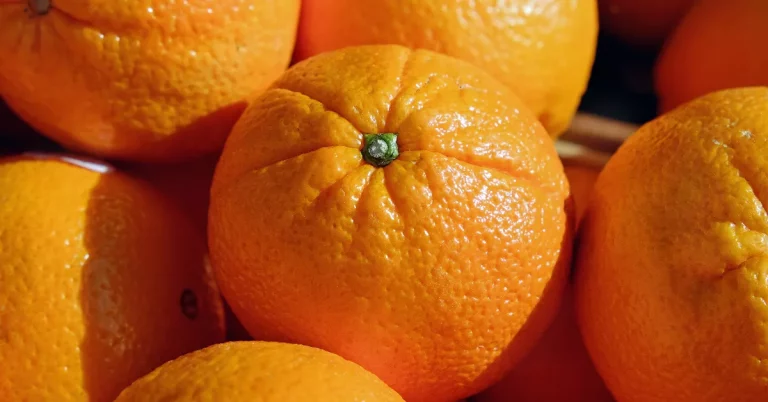
With herbs, lavender, mint, or citrus, cinnamon can feel fresher and more lifted.
Beside vanilla, tonka, resins, or amber accords, it often becomes richer and more enveloping.
Why cinnamon can smell different from perfume to perfume
A perfume note is a creative scent impression. The surrounding formula, the type of cinnamon effect being built, and the balance of sweet, fresh, woody, herbal, or resinous materials all change how cinnamon is perceived.
Natural material versus accord
Perfumers are not limited to reproducing the smell of a jar of ground spice. A cinnamon effect can be constructed to emphasize its dry bark, warm sweetness, aromatic lift, or spicy heat.
Because fragrance note lists are descriptive rather than ingredient labels, two perfumes that both list cinnamon may smell strikingly different even when the note occupies a similar place in the composition.
What changes the impression?
- Vanilla and tonka can make cinnamon feel sweeter, softer, and more dessert-like.
- Citrus, mint, lavender, and herbs can make the spice feel brighter and more aromatic.
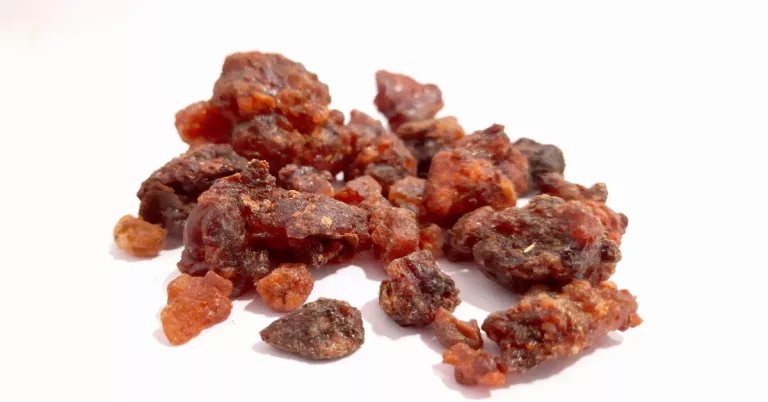
- Amber, myrrh, and other resinous effects can push it toward a deeper, glowing warmth.
- Cedar, sandalwood, and patchouli can emphasize cinnamon’s dry and woody side.
How cinnamon works in a fragrance
Cinnamon is often used as a bridge between freshness and warmth. It can sharpen fruit, deepen amber, enrich vanilla, or give woods and aromatics a warmer pulse.
What pairs well with cinnamon?
Cinnamon is especially versatile with creamy, resinous, woody, fruity, citrus, and aromatic notes. These pairings can either amplify its warmth or give it contrast and lift.

Perfumes that show different sides of cinnamon
These fragrances use cinnamon in distinctly different settings, from aromatic vanilla to amber-citrus warmth and a richer cognac-and-plum composition.
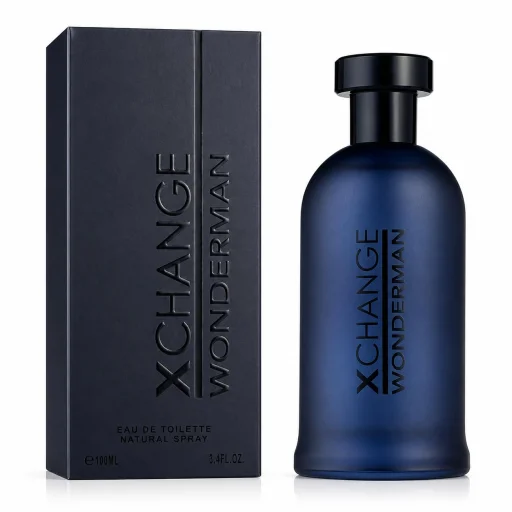
X Change Wonderman
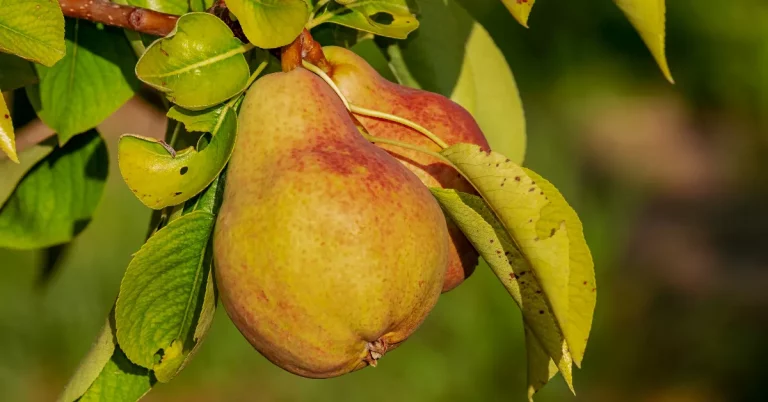
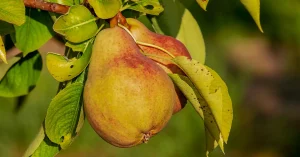
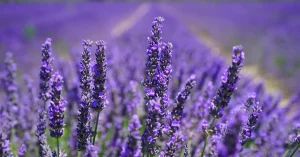
A bright opening of pear, lavender, mint, bergamot, and lemon moves into a spicy herbal heart before settling into vanilla, patchouli, ambergris, and cedar.
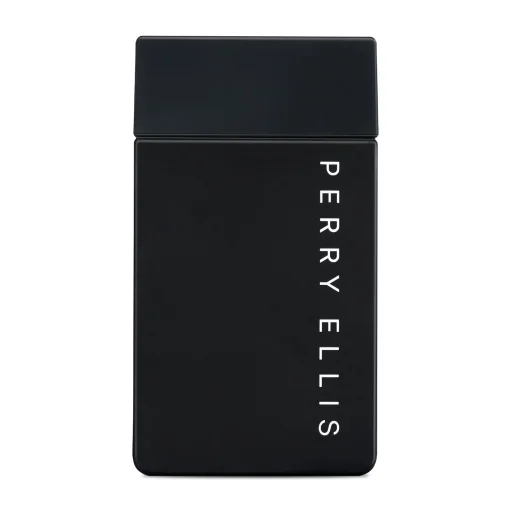
Perry Ellis Midnight
Here cinnamon appears from the opening alongside mandarin and amber, followed by an aromatic-floral heart and a warm base of amber, vanilla, and tonka bean.
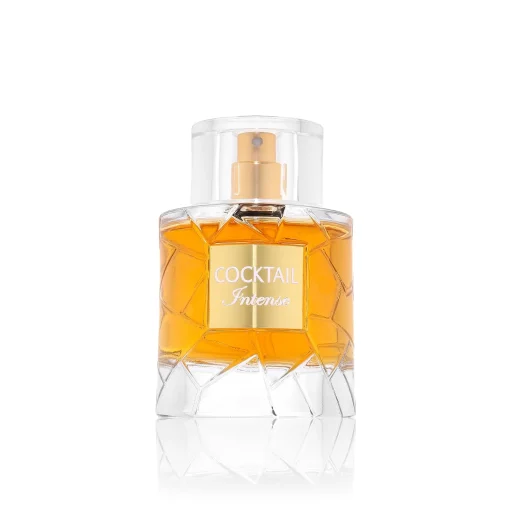
Cocktail Intense
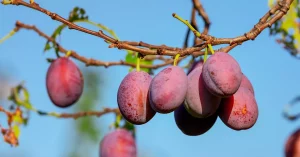
Cinnamon opens with cognac and plum before the fragrance turns resinous and textured through myrrh, cashmeran, and iris, then settles into vanilla, tonka bean, and sandalwood.
Three ways cinnamon can change a perfume
X Change Wonderman
- Cinnamon partners
- Sage, coriander, pear, lavender, mint, vanilla
- Surrounding character
- Fresh, fruity, aromatic, then sweet and woody
- Choose this direction if…
- You like cinnamon with noticeable freshness and aromatic contrast.
Perry Ellis Midnight
- Cinnamon partners
- Mandarin, amber, orange blossom, rosemary, vanilla, tonka
- Surrounding character
- Citrusy, aromatic, ambered, and softly sweet
- Choose this direction if…
- You want warm spice framed by citrus and an amber-vanilla base.
Cocktail Intense
- Cinnamon partners
- Cognac, plum, myrrh, vanilla, tonka, sandalwood
- Surrounding character
- Rich, fruity, resinous, creamy, and warm
- Choose this direction if…
- You prefer cinnamon in a deeper, sweeter, more enveloping composition.
Cinnamon perfume FAQ
Is cinnamon in perfume always sweet?
No. Cinnamon can feel dry, woody, aromatic, or sharp as well as sweet. Vanilla, tonka, amber, fruit, and resins tend to make its sweeter side more noticeable.
Does a cinnamon note mean the perfume contains real cinnamon?
Not necessarily. Fragrance note lists describe the scent impression. A cinnamon effect may come from a natural material, synthetic aroma materials, or an accord built to suggest cinnamon.
Is cinnamon considered a top, heart, or base note?
There is no single fixed position. It can appear in different parts of a fragrance structure depending on the formula. In the examples above it appears in both opening and heart note lists.
What makes cinnamon smell more gourmand?
Pairings with vanilla, tonka bean, sweet fruit, creamy woods, or other dessert-like effects can push cinnamon toward a richer gourmand-leaning impression.
What makes cinnamon smell fresher?
Citrus, mint, lavender, sage, rosemary, and other aromatic notes can give cinnamon more lift and reduce the sense of heavy sweetness.
What is the difference between cinnamon as a spice and cinnamon as a perfume note?
The spice is a botanical material derived from bark. A perfume note is an artistic representation of the smell, so it can emphasize selected facets rather than reproduce the kitchen spice exactly.
Cinnamon can be bright, cozy, woody, or richly sweet
Its familiar warmth makes cinnamon easy to recognize, but its real versatility appears in the company it keeps. Fresh herbs and citrus can make it feel lively, while amber, vanilla, fruit, resins, and woods reveal a softer, deeper, more enveloping side of the note.