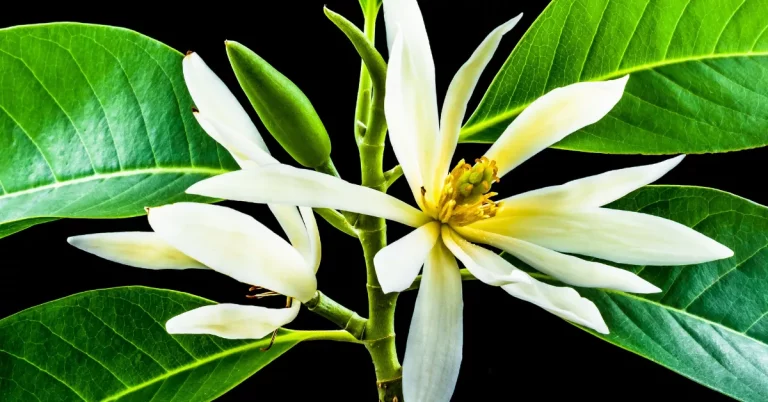
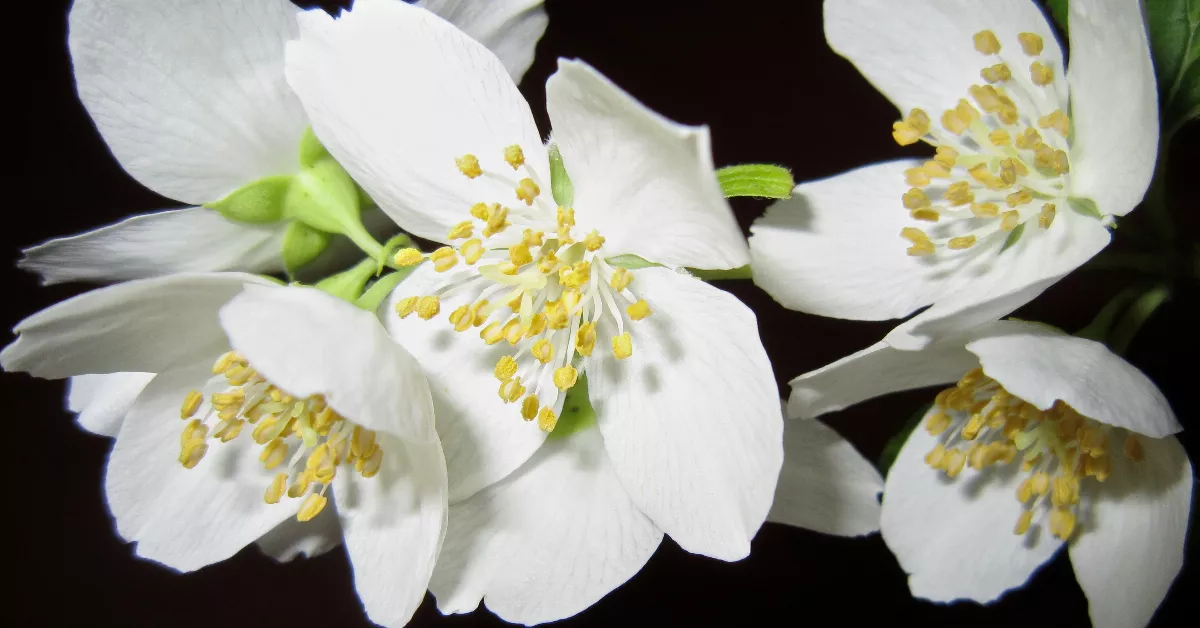
Jasmine is one of perfumery’s defining white-floral ideas: lush, radiant, sweet, and capable of turning unexpectedly green, fruity, tea-like, musky, or indolic. In a formula it can be a natural jasmine material, a constructed jasmine accord, or a blend of both, so a listed jasmine note does not by itself prove that a perfume contains a literal flower extract.
What is jasmine?
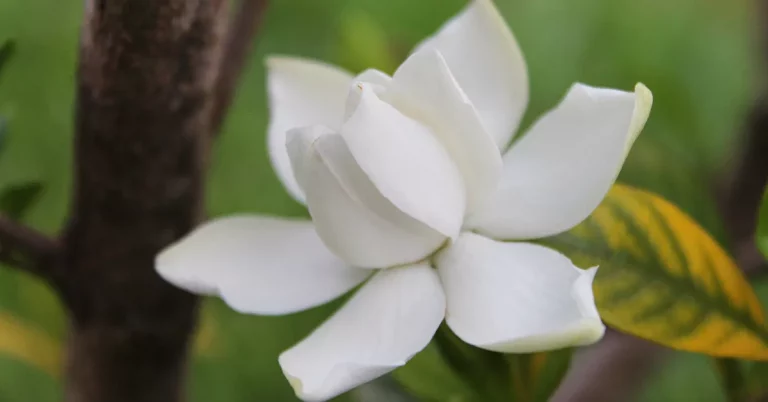
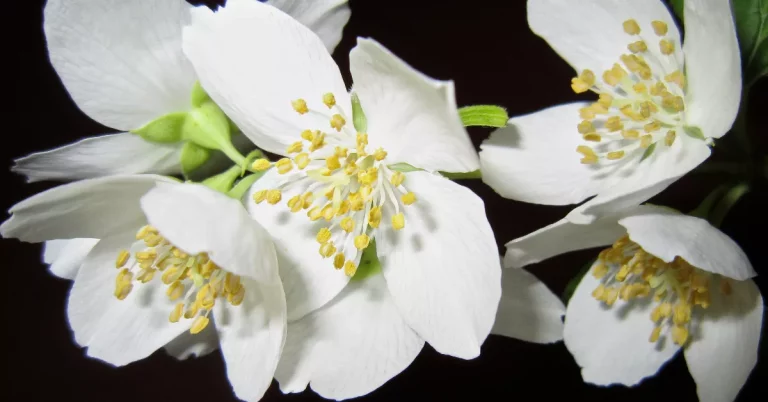
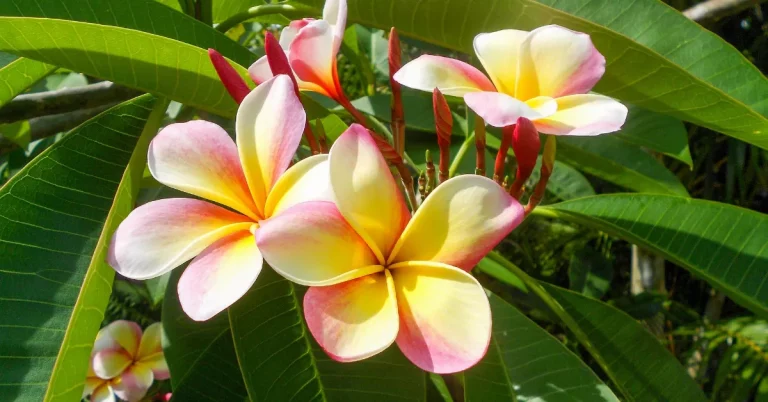
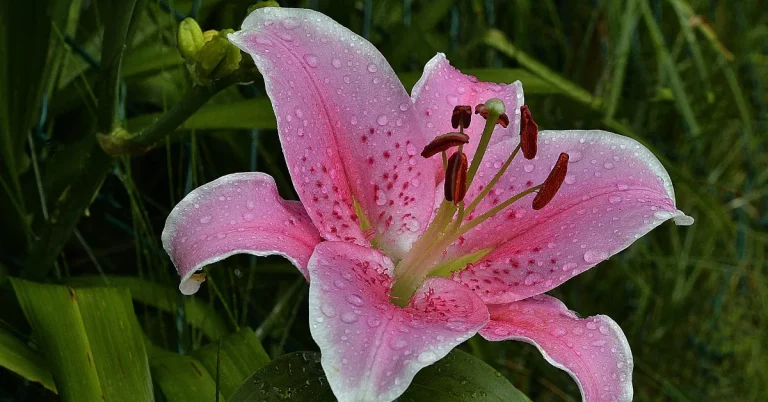
Jasmine refers to a group of flowering plants in the genus Jasminum. In fine fragrance, two especially important species are Jasminum grandiflorum and Jasminum sambac, whose flowers can yield highly aromatic absolutes.
Flower, material, and perfume note
The scent of a living jasmine flower is not identical to every material or accord labeled “jasmine.” Natural jasmine absolutes preserve a complex floral profile, while perfumers can also build a jasmine impression from multiple aroma materials.
That distinction matters when reading a note pyramid. “Jasmine” tells you the floral idea the composition is presenting; unless the brand identifies a specific extract or absolute, it is safest not to assume which raw material created it.
What does jasmine smell like?
Jasmine is recognizable as an intensely floral white-flower scent, but it is far from one-dimensional. Depending on species, material, dosage, and surrounding notes, it can move from luminous and fresh to creamy, fruity, musky, or deeply animalic.
A full-petaled floral character that can make a fragrance feel expansive and blooming.
A natural floral sweetness that can become richer beside vanilla, amber, or gourmand notes.
Fresh leafy or stem-like nuances can keep jasmine from feeling purely soft or sugary.
Some jasmine materials show ripe, almost exotic fruit nuances that add brightness and color.
Certain treatments can suggest warm tea, especially when the floral note is paired with aromatic or citrus facets.
At its most heady, jasmine can develop an animalic, musky, slightly earthy depth rather than smelling simply “clean.”
Why jasmine can smell different from perfume to perfume
“Jasmine” can describe a living flower, a particular extracted material, or an artistic accord. The species and processing of natural material matter, and the rest of the perfume can reshape the floral impression even more dramatically.
Natural jasmine is not one fixed material
Jasminum grandiflorum and Jasminum sambac do not smell identical. Sambac is often described as having a greener, more intense floral character, while grandiflorum can read sweeter and more classically jasmine-like.
Flower maturity, harvest conditions, origin, and processing can also change the balance of the resulting absolute. That is one reason natural jasmine materials can show meaningful variation even before they enter a perfume formula.
What changes the effect?
- Citrus, apple, herbs, and lavender can make jasmine feel brighter, fresher, or more aromatic.
- Rose, lotus, violet, iris, and other flowers can turn jasmine into part of a broader bouquet.
- Vanilla, caramel, chocolate, tonka, and amber can emphasize its creamy or sensual sweetness.
- Oud, leather, patchouli, vetiver, moss, and woods can make jasmine feel darker and more contrasting.
How jasmine works in a fragrance
Jasmine can serve as a featured flower, support another floral note, or act as a bridge between bright top notes and deeper woods, musks, amber, leather, or gourmand materials. Its usefulness comes from its ability to feel both luminous and sensual.
What pairs well with jasmine?
Jasmine is unusually flexible. Classic florals emphasize its blooming character, citrus and aromatic notes brighten it, while woods, amber, vanilla, and darker materials bring out its warmer and more sensual side.
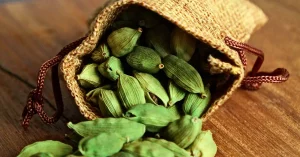
Six perfumes that show different sides of jasmine
These supplied fragrances place jasmine among citrus, rose, violet, spice, plum, lotus, oud, leather, gourmand notes, and woods. Together they show how much the notes surrounding jasmine determine whether it feels fresh, floral, spicy, sweet, airy, or dark.
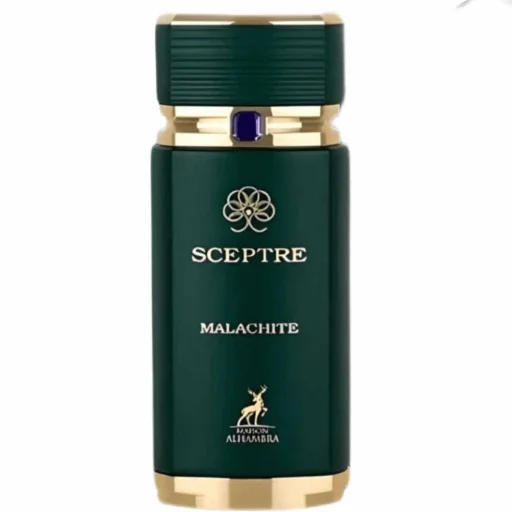
Sceptre Malachite
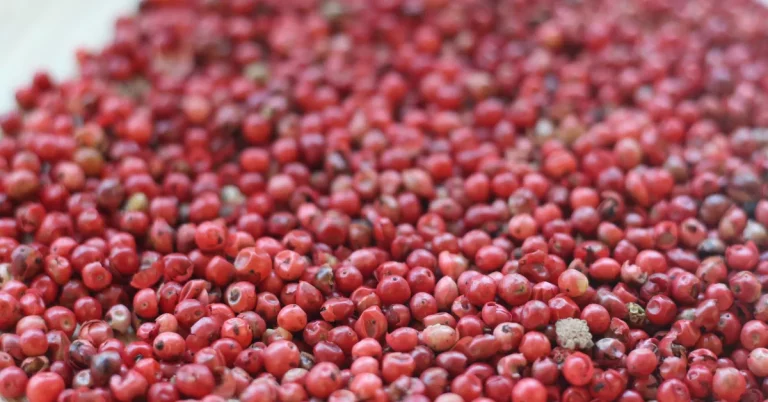
Sceptre Malachite moves from citrus and black currant into an aromatic-spicy heart where jasmine sits beside lavender and pink pepper, then settles over amber, musk, woods, and vetiver.
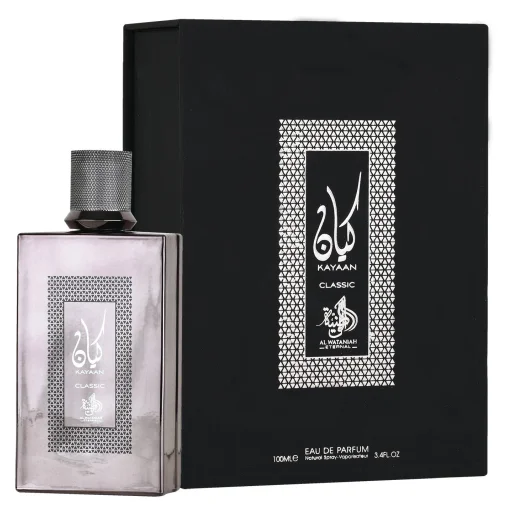
Kayaan Classic
Kayaan Classic uses a compact structure: bergamot and orange lead into rose and jasmine, with vanilla providing the sole listed base note.
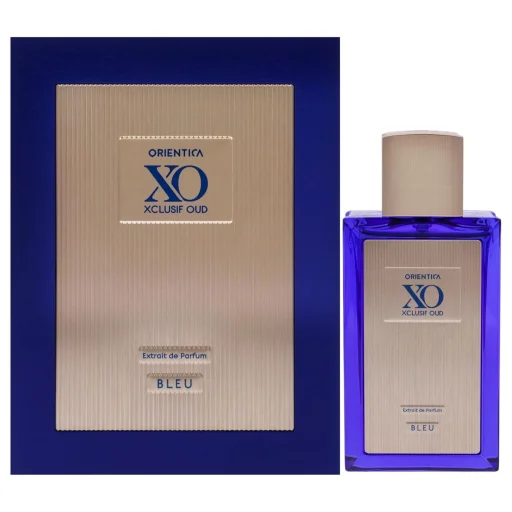
Xclusif Oud Bleu
Xclusif Oud Bleu surrounds jasmine with violet, geranium, and cardamom after a crisp aromatic-fruity opening, then moves into vanilla, sandalwood, musk, guaiac wood, and patchouli.
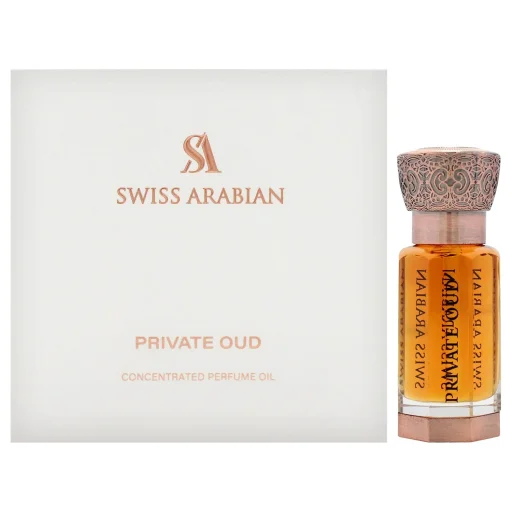
Private Oud
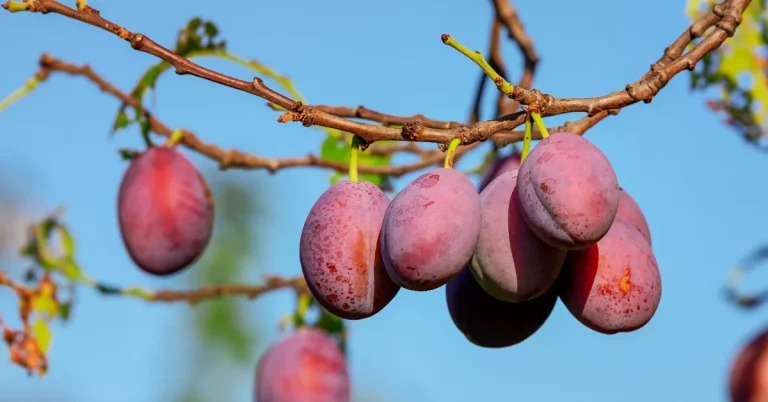
Private Oud opens with oud, plum, and Bulgarian rose, places jasmine among tonka, vetiver, and white flowers, then deepens into dark chocolate, caramel, vanilla, and more oud.
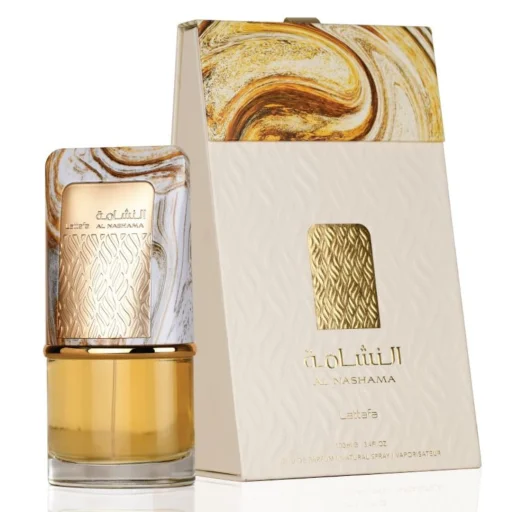
Al Nashama
Al Nashama places jasmine in a heart of plum and black pepper after bergamot, sage, and pink pepper, then moves into saffiano leather, amber, patchouli, and moss.
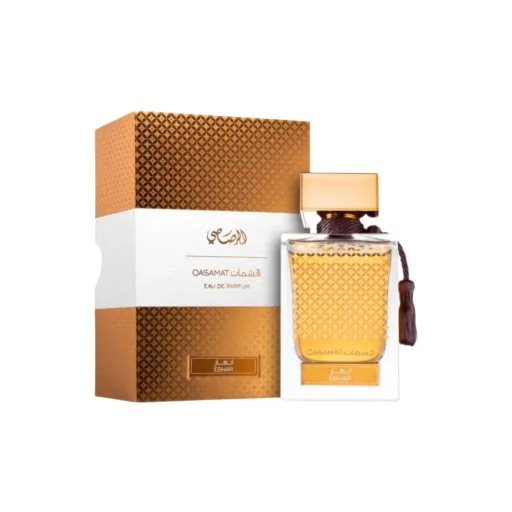
Qasamat Ebhar
Qasamat Ebhar starts with green apple and lemon, then combines jasmine with orris root, Damask rose, and lotus before a sweet base of vanilla, praline, tonka bean, and musk.
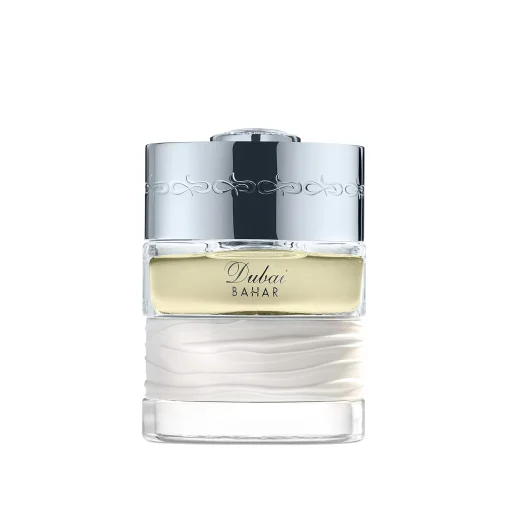
Bahar
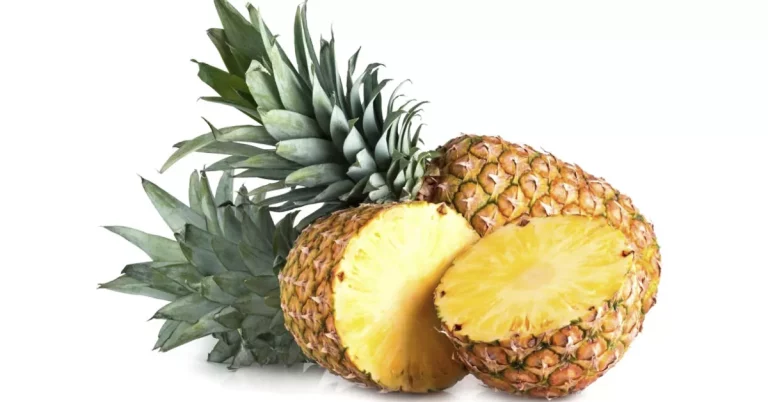
Bahar has a very broad note structure. Jasmine appears in a heart that also includes lotus, violet leaf, sandalwood, cedar, cyclamen, rose, iris, saffron, vanilla, fir, spices, and cashmere wood after a densely layered citrus-fruit-aquatic opening.
Six ways jasmine can change character
Sceptre Malachite
- Jasmine partners
- Lavender, pink pepper, citrus, amber, musk, vetiver
- Surrounding character
- Citrusy, aromatic, spicy, woody
- Choose this direction if…
- You want jasmine integrated into a fresh aromatic heart rather than presented as a solo white floral.
Kayaan Classic
- Jasmine partners
- Rose, bergamot, orange, vanilla
- Surrounding character
- Floral, citrusy, sweet
- Choose this direction if…
- You like a simple rose-jasmine floral structure softened by vanilla.
Xclusif Oud Bleu
- Jasmine partners
- Violet, geranium, cardamom, vanilla, sandalwood, patchouli
- Surrounding character
- Spicy, floral, woody, warm
- Choose this direction if…
- You prefer jasmine woven through spice, violet, and a substantial woody base.
Private Oud
- Jasmine partners
- Rose, plum, oud, tonka, chocolate, caramel, vanilla
- Surrounding character
- Dark, sweet, woody, gourmand
- Choose this direction if…
- You want jasmine as floral relief inside a rich oud-and-gourmand composition.
Al Nashama
- Jasmine partners
- Plum, black pepper, leather, amber, patchouli, moss
- Surrounding character
- Fruity, spicy, leathery, ambered
- Choose this direction if…
- You like jasmine contrasted with dark fruit, pepper, and a textured leather base.
Qasamat Ebhar
- Jasmine partners
- Rose, lotus, orris, vanilla, praline, tonka, musk
- Surrounding character
- Floral, powdery, sweet, soft
- Choose this direction if…
- You prefer jasmine inside a layered bouquet that dries down into creamy gourmand sweetness.
Bahar
- Jasmine partners
- Lotus, rose, iris, violet leaf, sandalwood, woods, amber, musk
- Surrounding character
- Aquatic, fruity, floral, woody
- Choose this direction if…
- You want jasmine as one part of a broad, highly layered fresh-floral-woody composition.
Jasmine perfume FAQ
Does a jasmine note mean a perfume contains real jasmine extract?
No. A note pyramid describes the intended or perceived scent. A jasmine effect may come from natural jasmine material, an accord built from other aroma materials, or a combination of both.
What does jasmine usually smell like in perfume?
Jasmine is typically a rich white floral with sweet, warm, green, fruity, tea-like, musky, or indolic facets. The exact balance depends on the material and the notes around it.
What is the difference between jasmine grandiflorum and jasmine sambac?
They are different jasmine species used in perfumery. Sambac is often described as greener and more intensely floral, sometimes with orange-blossom-like nuances, while grandiflorum commonly reads sweeter, rich, and classically jasmine-like.
Why can jasmine smell animalic or indolic?
Part of jasmine’s natural complexity can include indolic facets. In a finished fragrance those facets may read as warm, musky, sensual, or animalic rather than simply fresh and petal-like.
Is jasmine always a feminine perfume note?
No. Jasmine appears across fragrances marketed as feminine, masculine, and unisex. Its effect depends more on the composition around it than on the flower itself.
What should I look at when comparing jasmine perfumes?
Start with jasmine’s closest partners. Citrus and herbs suggest a brighter direction; rose and other flowers suggest a bouquet; vanilla and gourmand notes suggest sweetness; woods, leather, oud, amber, or patchouli suggest a darker or warmer frame.
Jasmine can be luminous, creamy, green, or deliciously dark.
The word “jasmine” on a perfume note list is only the starting point. Look at the species or material when a brand names one, then look at the neighboring notes: citrus can make jasmine sparkle, rose can make it classically floral, vanilla can soften it, spices can sharpen it, and oud, leather, woods, or amber can reveal its deeper side.