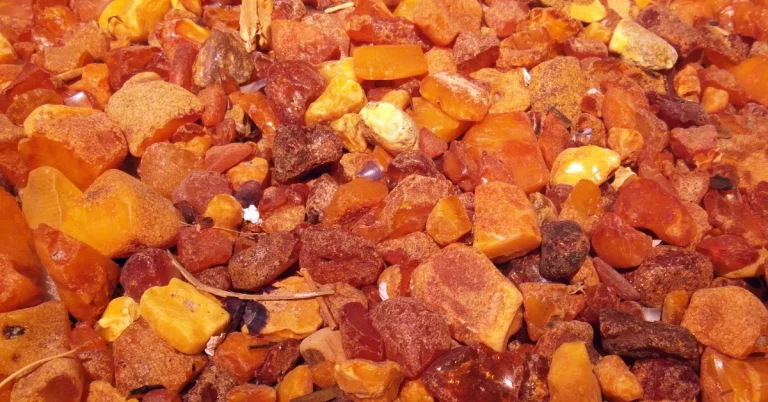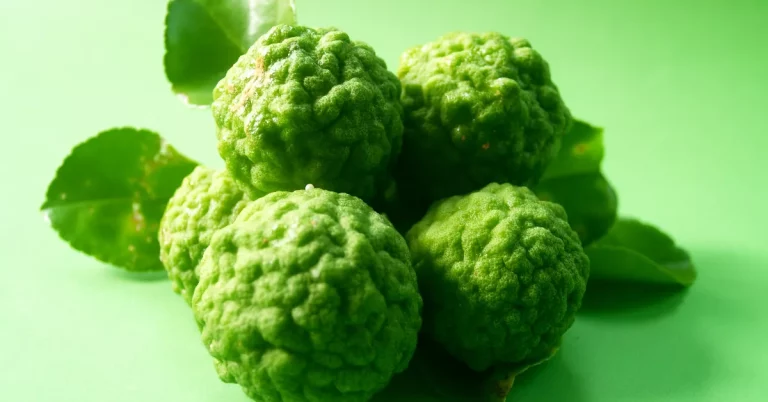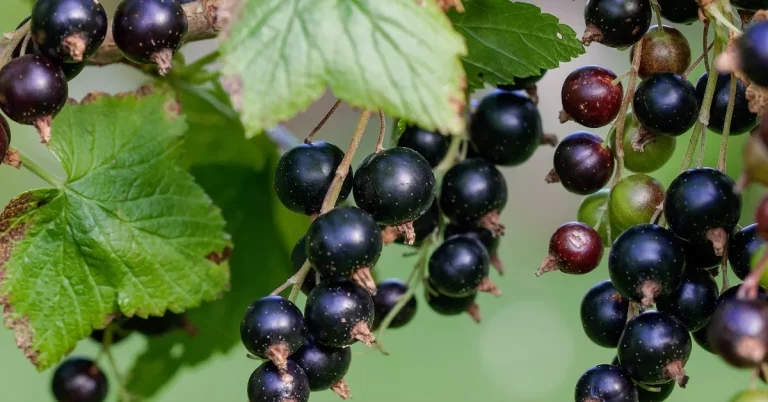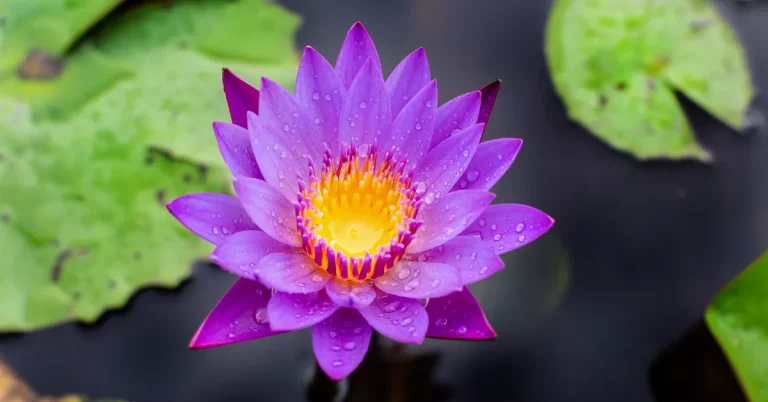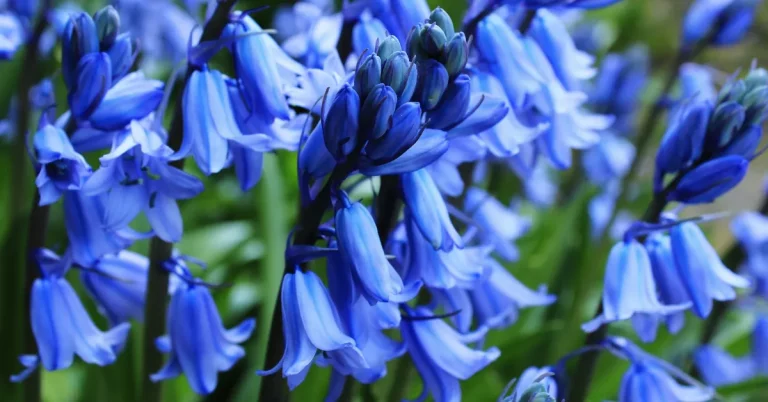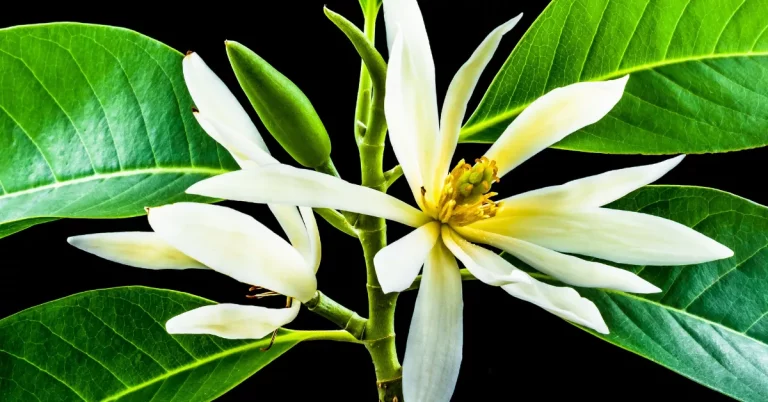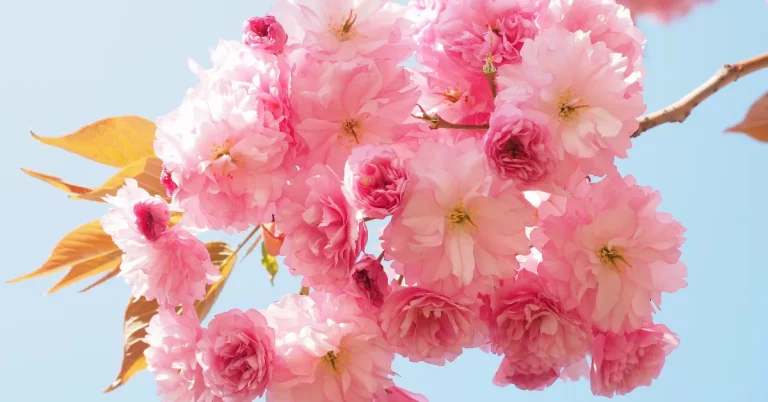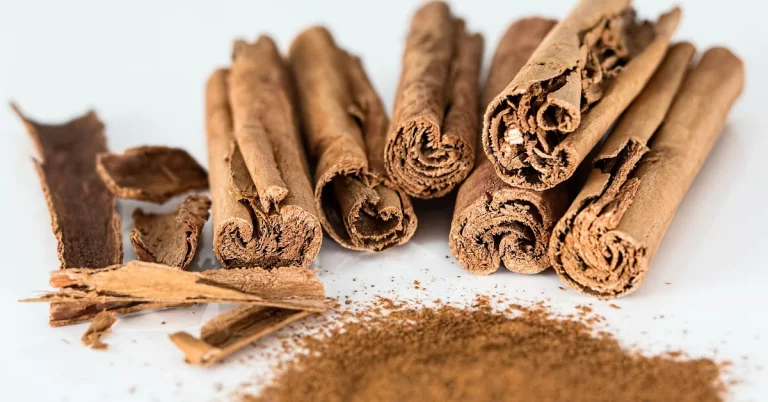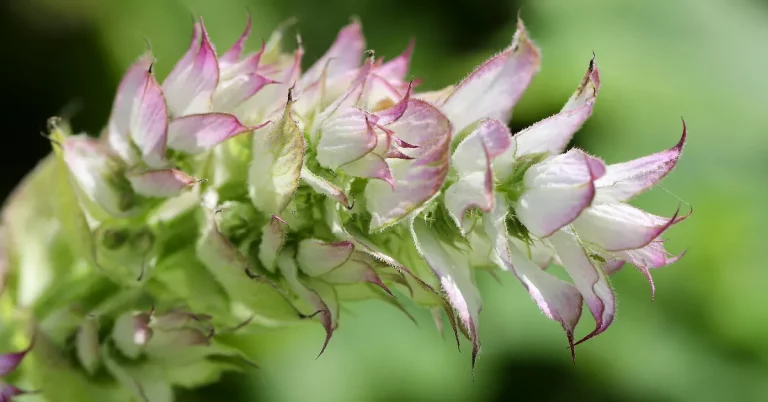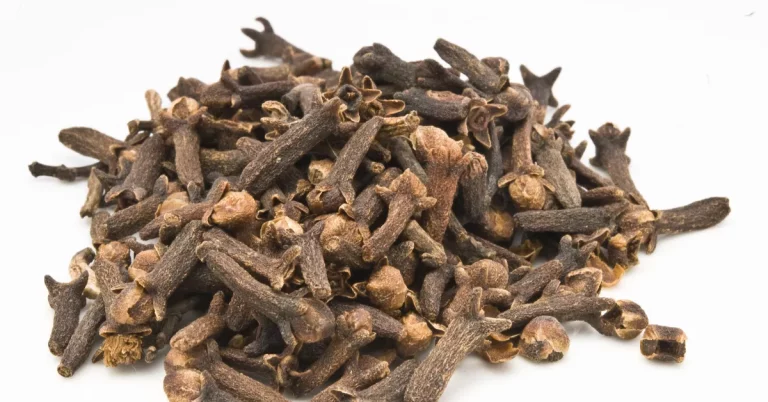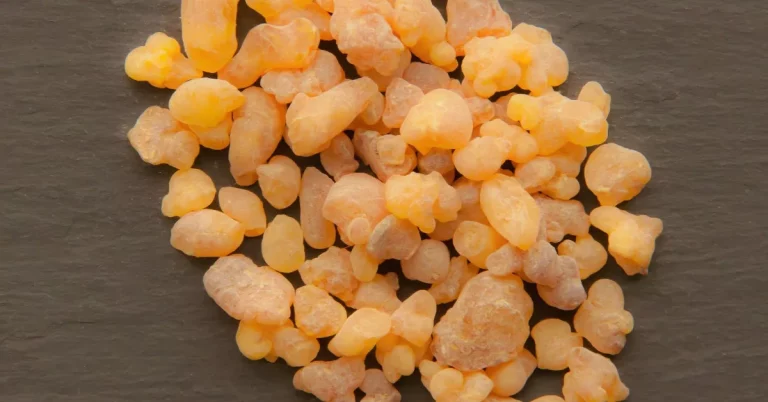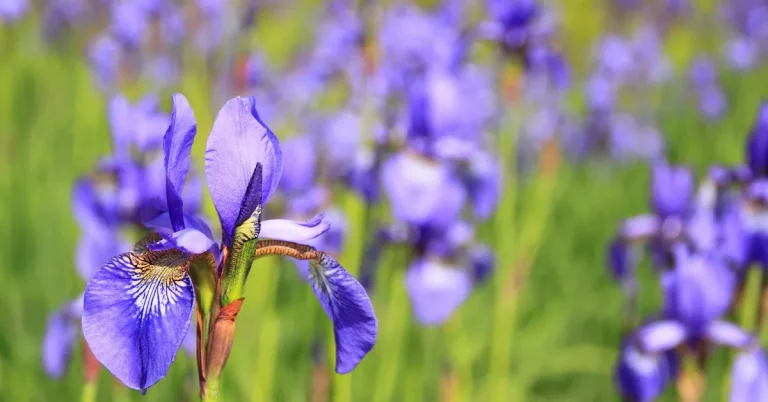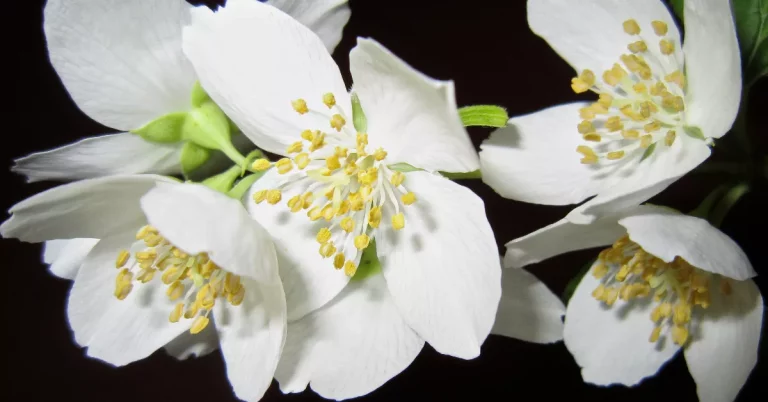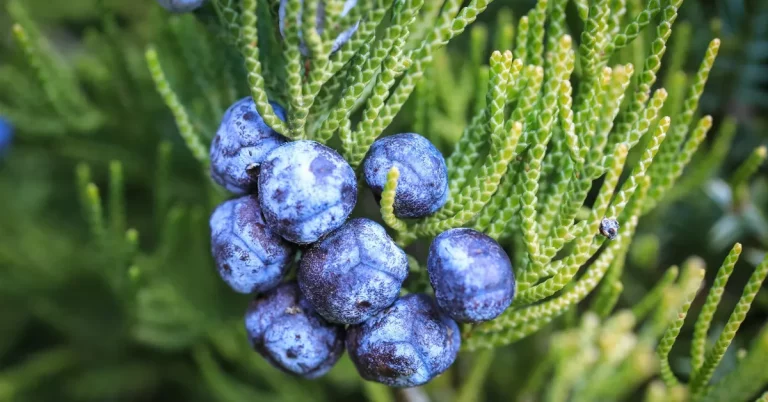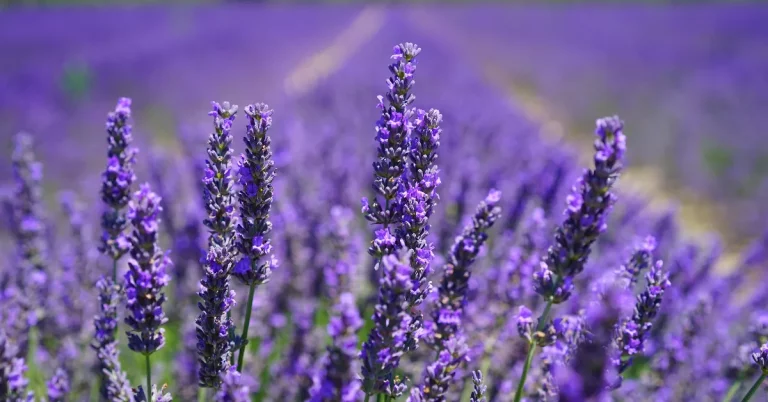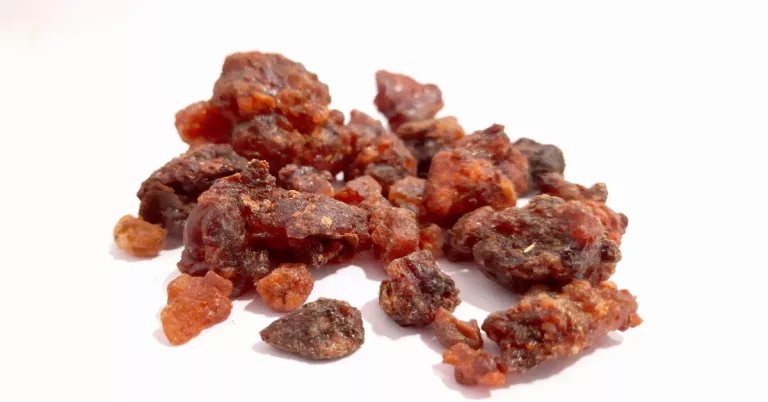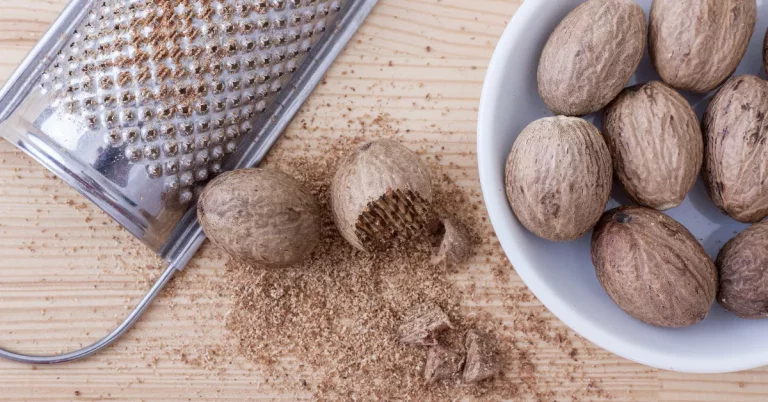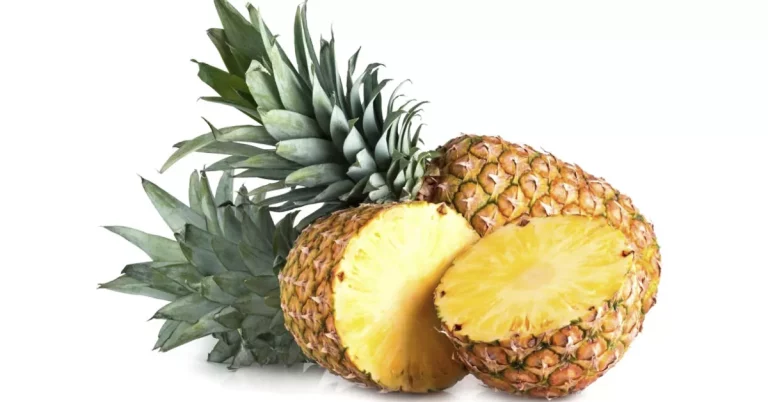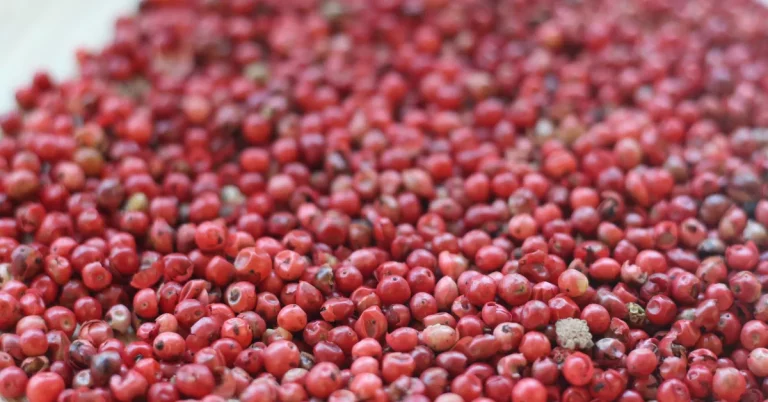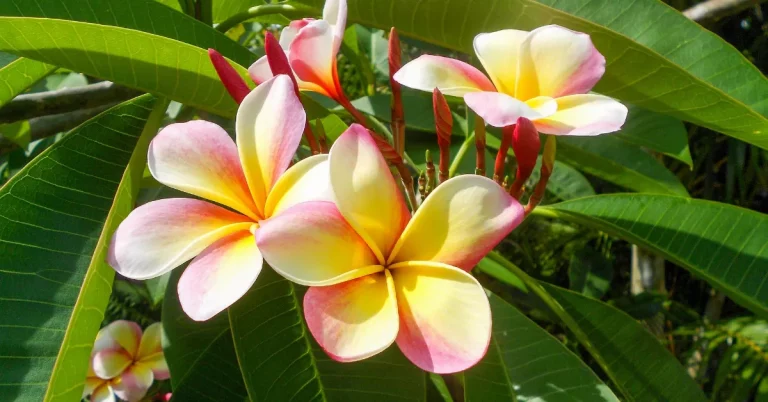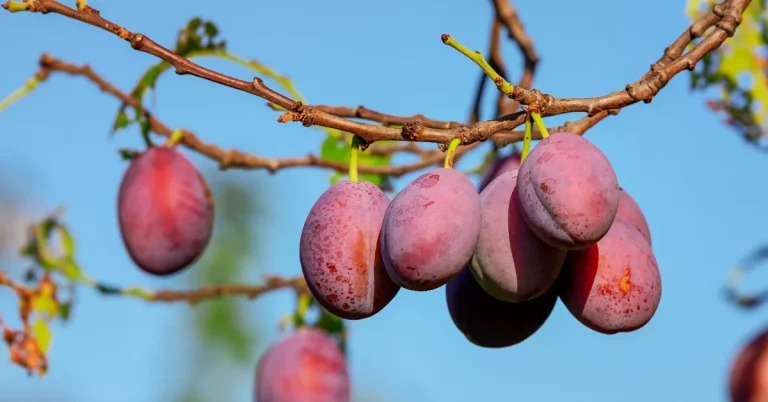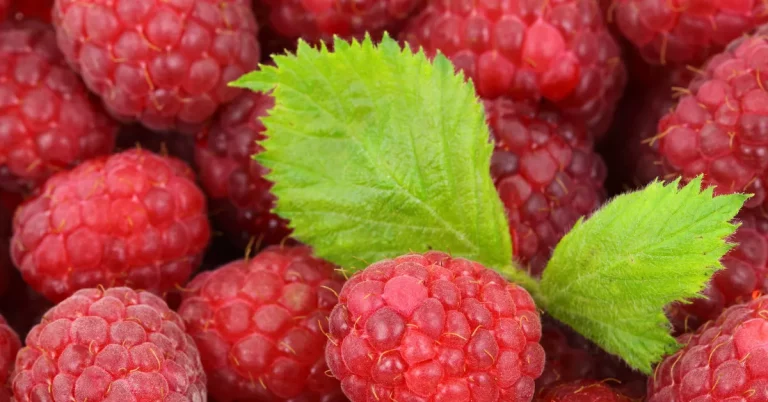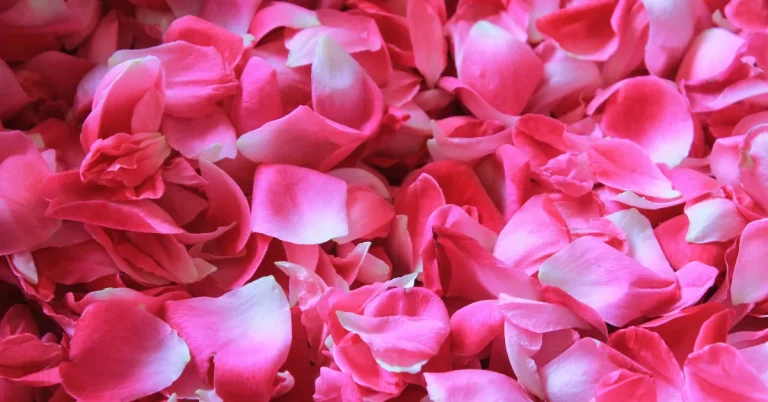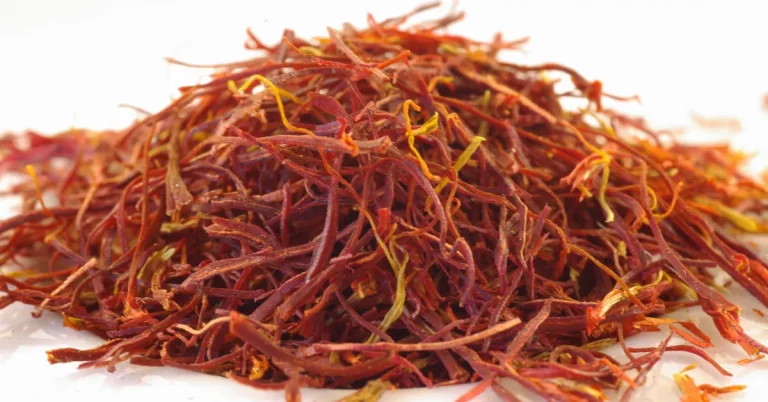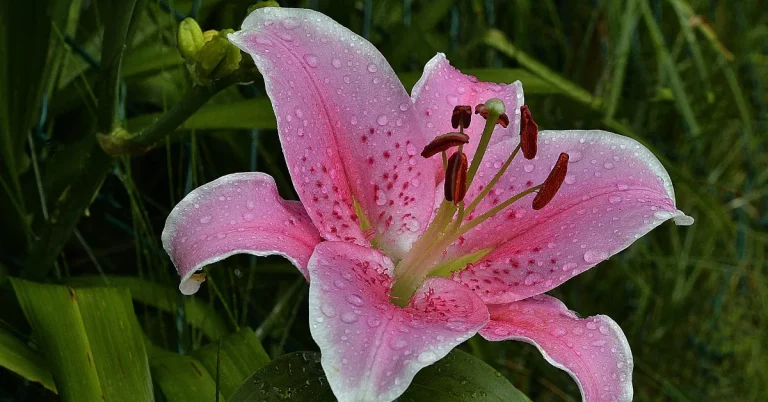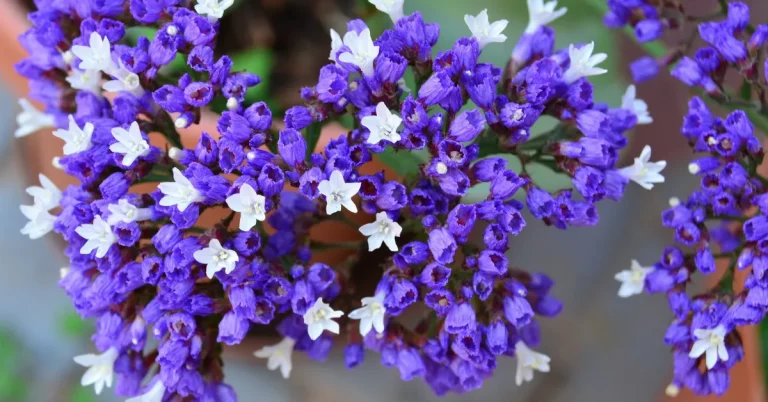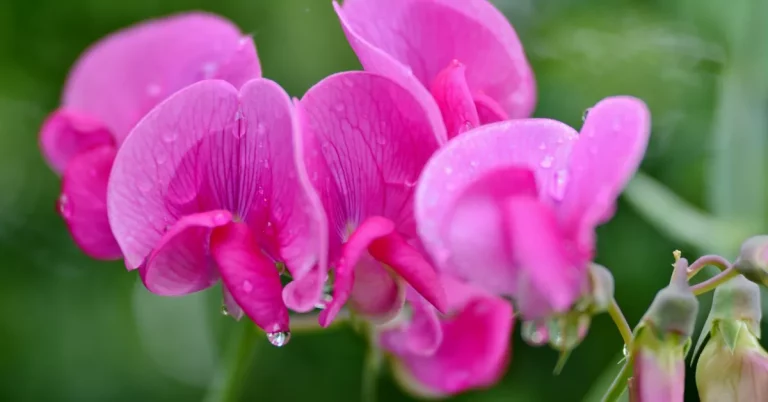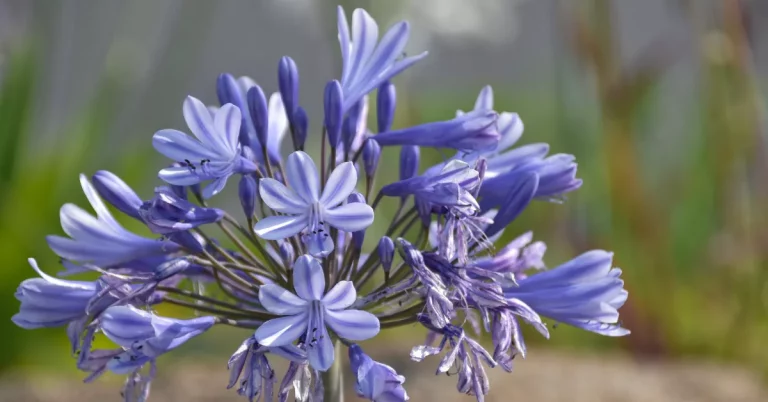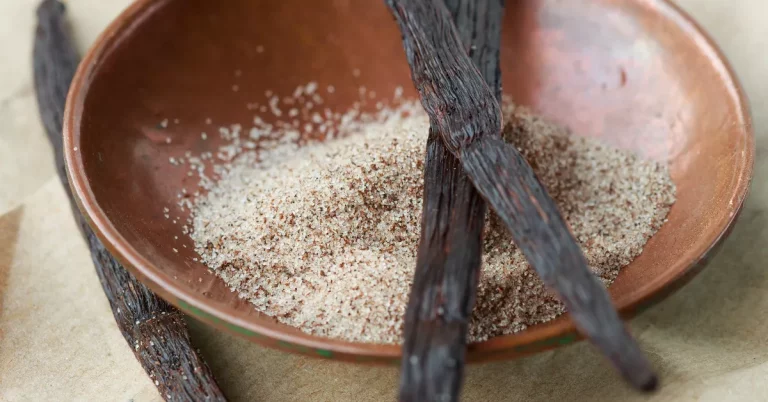
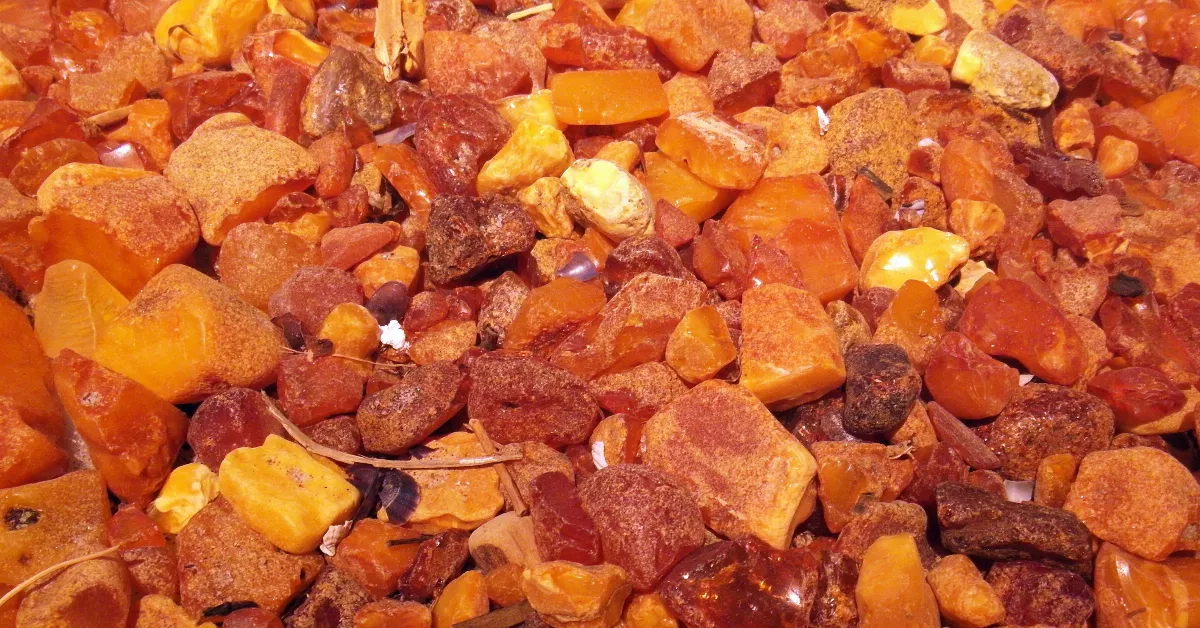
In perfumery, amber usually describes a warm, enveloping scent idea rather than the fossilized resin used in jewelry. The effect is commonly built as an accord, often combining sweet, balsamic, resinous, woody, or vanilla-like facets. Depending on the formula around it, amber can feel creamy and golden, dry and resinous, spicy, smoky, or softly powdery.
What is amber?
The word “amber” means different things in geology and perfumery. Natural amber is fossilized tree resin, but the amber note in a fragrance is normally an olfactory construction designed to evoke warmth, richness, and resinous sweetness.
A perfume accord, not usually a bottled extract
When a fragrance lists amber, that does not mean the perfumer dissolved a piece of fossil amber into the formula. “Amber” generally describes an accord: a blended scent effect created from aromatic materials chosen to produce a warm, rounded, resinous impression.
Traditional amber-style structures are often associated with materials such as labdanum, benzoin, and vanilla or vanillic notes, but there is no single mandatory recipe. Modern amber effects can be sweeter, drier, woodier, cleaner, smokier, or more abstract depending on the composition.
What does amber smell like?
Amber is better understood as a family of warm effects than as one fixed smell. Its character depends on which resins, sweet materials, woods, musks, spices, and modern aroma materials are used to build or surround the accord.
Amber often gives a fragrance a glowing, cocooning quality that feels fuller and deeper than the opening notes.
Some amber accords lean toward sticky, balsamic, incense-like, or softly smoky resin impressions.
Vanilla-like or balsamic sweetness can make amber feel creamy, rounded, and almost gourmand.
Paired with cedar, sandalwood, vetiver, patchouli, or woody-amber materials, amber can become drier and more structured.
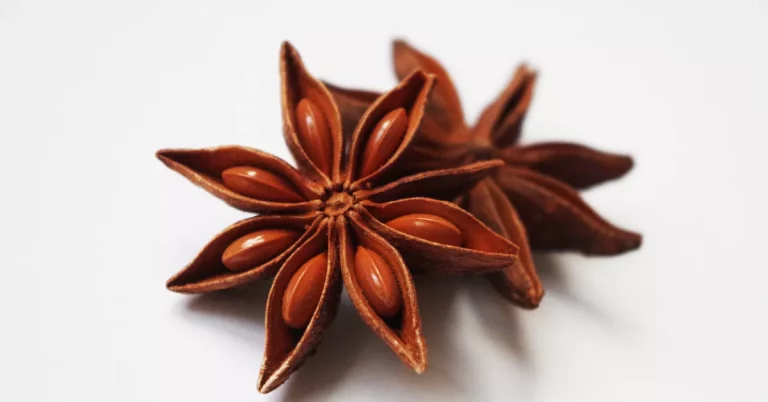
Saffron, pepper, cinnamon, cardamom, and related spice notes can sharpen amber’s warmth and add contrast.
Vanilla, tonka, musk, iris-like effects, or soft woods can pull an amber accord toward a smoother, more powdery finish.
Why amber can smell so different
Because amber is an accord rather than one universally defined raw material, perfumers can build it in many directions. The surrounding notes also change what your nose notices most.
The formula determines the amber
A resin-forward amber can emphasize balsamic depth and incense-like warmth. More vanilla or tonka can make the same basic idea feel sweeter and softer, while woods, patchouli, vetiver, leather, or smoke can make it darker and drier.
Modern “amberwood” effects may emphasize woody radiance and dryness rather than the plush resin-and-vanilla character many people associate with a classic amber accord. That is why two fragrances both described as ambery can smell dramatically different.
What changes the effect?
- Vanilla, tonka, or gourmand notes can make amber feel sweeter and creamier.
- Labdanum-like, benzoin-like, incense, or resinous effects can emphasize balsamic depth.
- Cedar, sandalwood, patchouli, vetiver, and amberwood can make the structure drier and woodier.
- Rose, jasmine, citrus, fruit, or aromatic herbs can brighten amber and keep the composition from feeling too dense.
How amber works in a fragrance
Amber is especially useful for giving a fragrance warmth, continuity, and a sense of depth. It often appears in the heart or base, where it can connect sweeter notes to woods, resins, spices, florals, leather, musk, and gourmand materials.
What pairs well with amber?
Amber can move from creamy and sweet to dry and resinous depending on its partners. Vanilla reinforces softness, woods add structure, florals bring lift, and spices or darker fruit can make the accord feel richer and more dramatic.
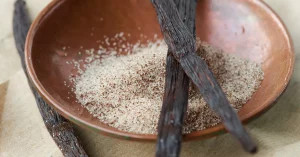
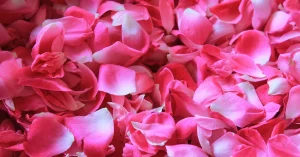
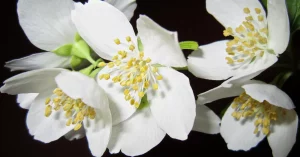
Four perfumes that show different sides of amber
These supplied fragrances place amber or amberwood in very different settings: vanilla and incense, bright citrus and woods, saffron and tonka, and a fresher aromatic-woody structure. Together they show how strongly the surrounding notes shape the final amber impression.
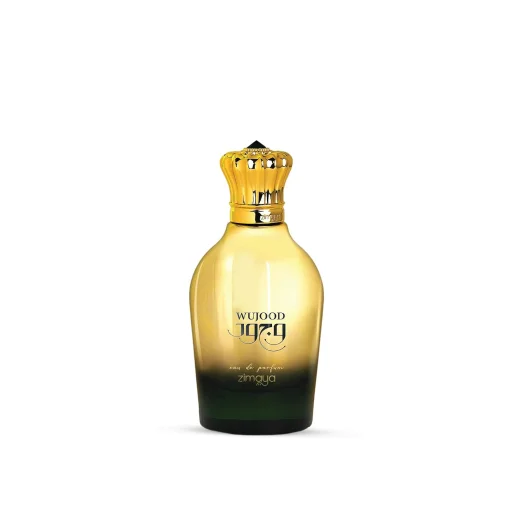
Zimaya Wujood
Wujood starts with vanilla, black pepper, and elemi, moves through olibanum, saffron, and musk, then settles into a base of vanilla and amber. Its structure places amber at the end of a spice-and-incense progression rather than in a bright or airy setting.
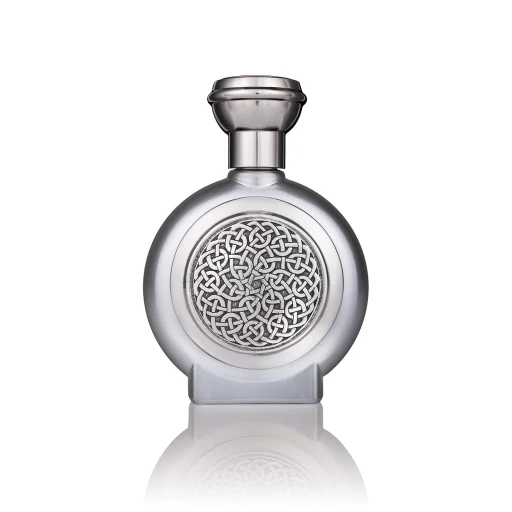
Lavish
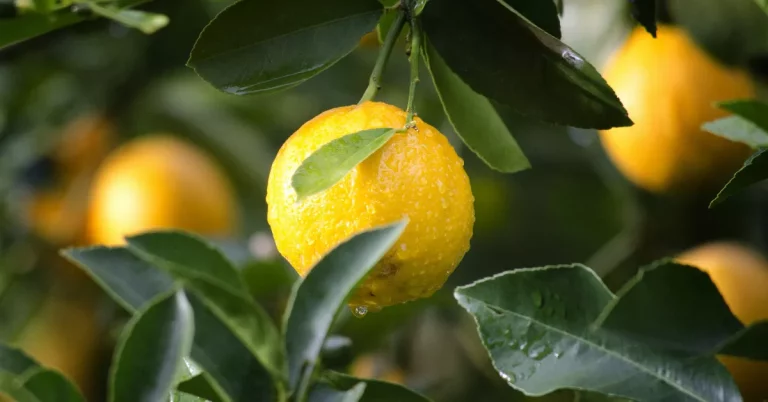
Lavish opens with lemon and bergamot, develops through orange, rose, and nutmeg, then dries down to vetiver, sandalwood, cedar, and amber. The amber sits inside a notably woody base rather than a vanilla-heavy gourmand structure.
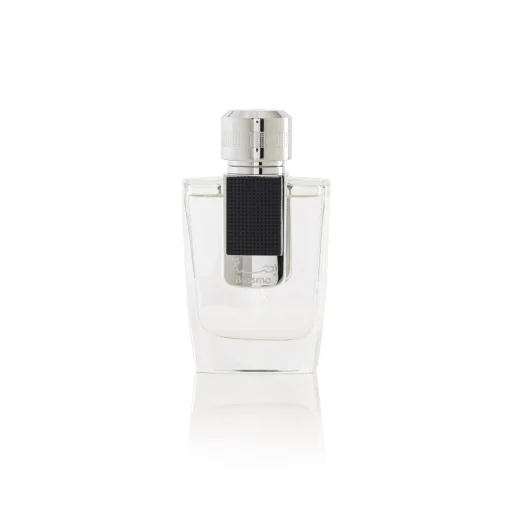
Bussma
In the supplied fragrance-note record, Bussma opens with saffron and bergamot, moves into vanilla and amber, and finishes with cedar and tonka bean. That puts amber directly between a bright-spicy opening and a sweet woody base.
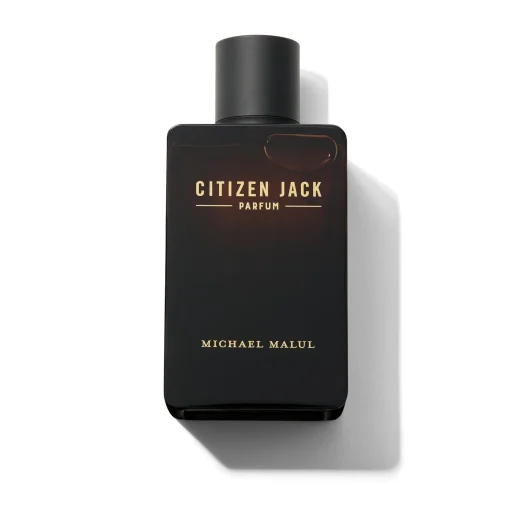
Citizen Jack Parfum
Citizen Jack Parfum does not list a simple “amber” note in the supplied pyramid; instead, amberwood appears in the heart beside vanilla, clary sage, and violet leaf. Fresh fruit, citrus, and watery notes above it keep this amberwood direction lighter than the resinous examples here.
Four different amber directions
Zimaya Wujood
- Amber partners
- Vanilla, olibanum, saffron, musk, elemi, black pepper
- Surrounding character
- Sweet, spicy, resinous, musky
- Choose this direction if…
- You want amber framed by vanilla, incense-like resins, and warm spice.
Lavish
- Amber partners
- Vetiver, sandalwood, cedar, rose, nutmeg, citrus
- Surrounding character
- Woody, citrusy, aromatic, floral
- Choose this direction if…
- You prefer amber in a drier woody base with a bright citrus-floral opening.
Bussma
- Amber partners
- Vanilla, saffron, bergamot, cedar, tonka bean
- Surrounding character
- Warm spicy, sweet, woody
- Choose this direction if…
- You like amber placed between saffron brightness and a sweet cedar-tonka drydown.
Citizen Jack Parfum
- Amber partners
- Amberwood, vanilla, clary sage, sandalwood, tonka bean, vetiver
- Surrounding character
- Fresh, aromatic, woody, vanilla-toned
- Choose this direction if…
- You want a fresher woody-amber interpretation rather than a strongly resinous amber accord.
Amber perfume FAQ
Is amber in perfume made from fossilized amber?
Usually no. In fragrance language, amber generally refers to a constructed scent effect rather than an extract of the fossilized resin used in jewelry.
What does an amber perfume usually smell like?
Amber perfumes are commonly warm, resinous, balsamic, sweet, woody, or softly powdery. The balance changes substantially from one formula to another.
Is amber the same thing as ambergris?
No. Amber and ambergris are different perfumery terms. Amber is generally an accord or scent family, while ambergris is a distinct material with its own origin and olfactory character.
What is amberwood?
Amberwood is a woody-amber scent direction rather than a synonym for classic amber. In a perfume it can contribute dry, warm, radiant, or modern woody character, depending on the materials used.
Why do some amber perfumes smell sweet while others smell dry?
The surrounding formula changes the effect. Vanilla, tonka, and gourmand notes can emphasize sweetness, while woods, patchouli, vetiver, leather, incense, or spicy materials can make amber feel drier and darker.
What should I look at when comparing amber perfumes?
Start with the notes immediately around the amber. Vanilla and tonka point toward a sweeter direction; incense and resins suggest a balsamic one; cedar, sandalwood, vetiver, and patchouli suggest a woodier structure; florals and citrus usually add lift.
Amber is a mood built from many materials
More than most perfume notes, amber shows why a note name is not the same thing as a literal ingredient list. Its warm identity can be built in many ways, and the most useful clue is always the company it keeps: vanilla makes it softer, resins make it deeper, woods make it drier, and florals, fruit, citrus, or herbs can bring light into the composition.