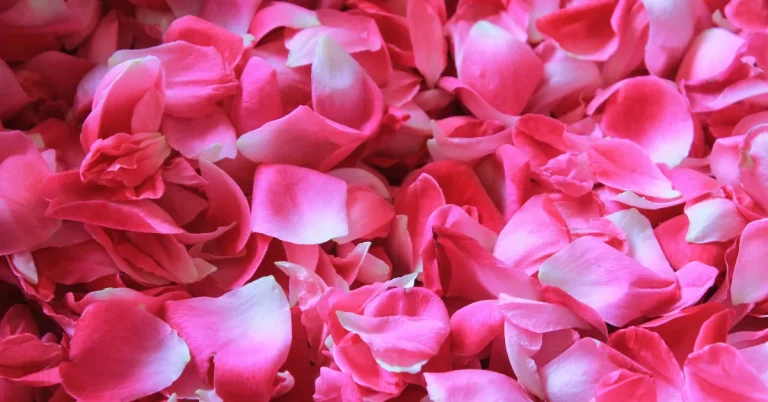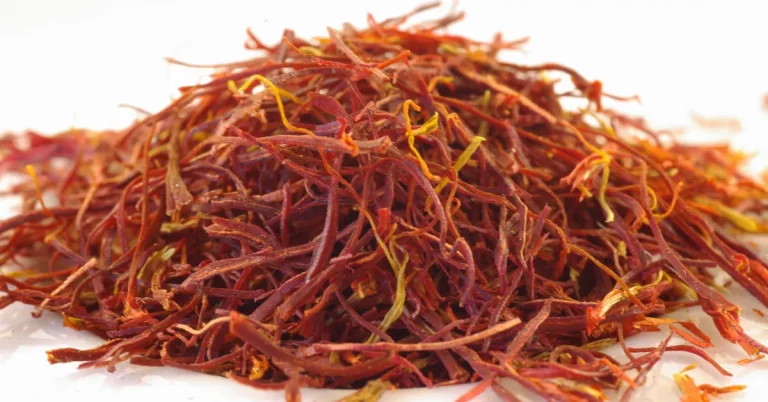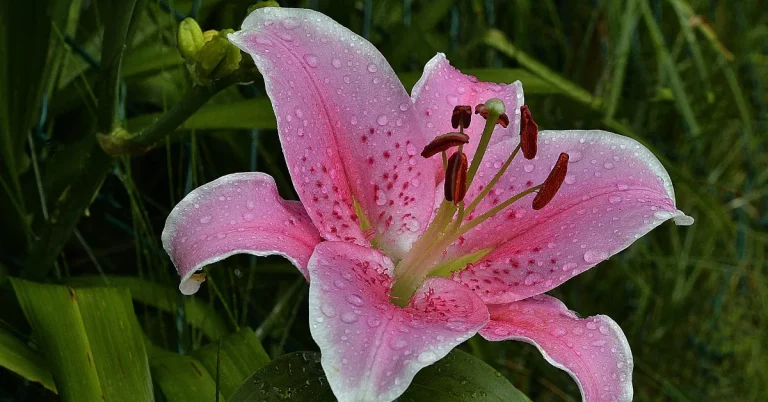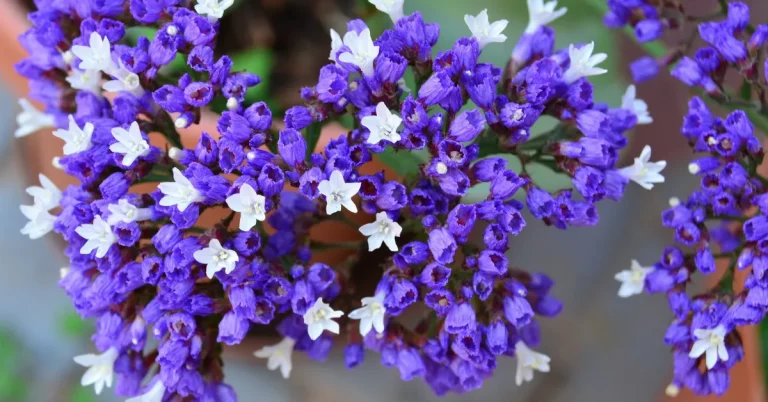
Rose is one of perfumery’s defining floral ideas: petal-rich, fresh, sweet, spicy, green, fruity, or honeyed depending on the material and the composition around it. A perfume that lists a rose note may use natural rose materials, aroma molecules, or a blended rose accord, so the note name describes the olfactory effect rather than proving that a particular extract is present.
What is rose?
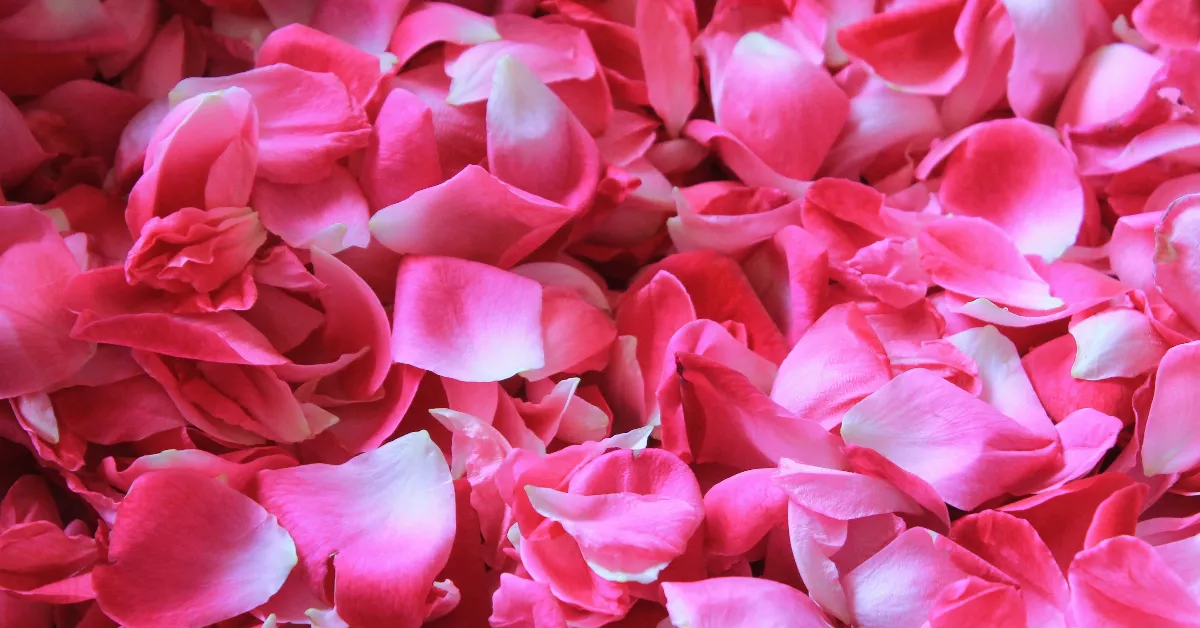
In perfumery, “rose” can refer to the scent of the flower itself, to natural aromatic materials made from rose blossoms, or to a constructed accord designed to smell rosy.
Rose as a perfume material
Two especially important perfume roses are Damask rose (Rosa damascena) and cabbage or May rose (Rosa centifolia). Their flowers can be processed into materials such as rose essential oil and rose absolute.
Those materials do not smell identical. A rose oil can feel fresher and more lifted, while an absolute may emphasize richer petal, fruity, spicy, honeyed, or warmer facets. Perfumers can also build rose effects with synthetic aroma materials instead of relying entirely on natural extracts.
What does rose smell like?
Rose is not a single fixed smell. Depending on the source material and the formula, it can move from airy and fresh to lush, spicy, fruity, jammy, green, powdery, or softly honeyed.
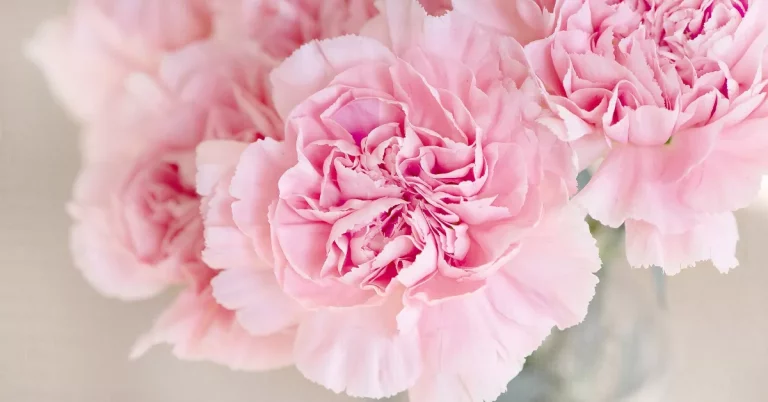
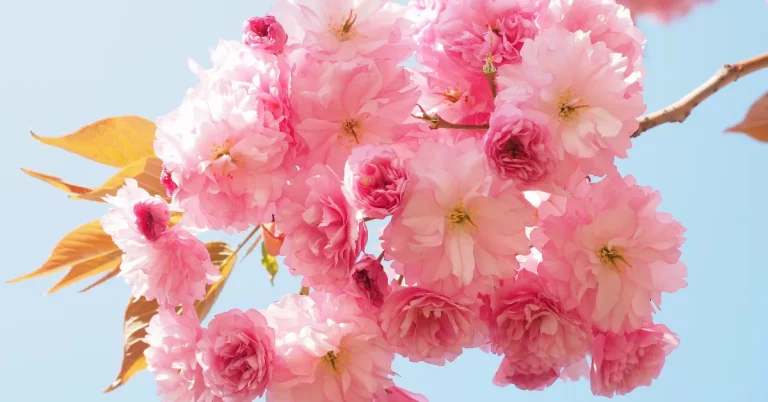
The recognizable soft, blooming character that gives rose its classic floral identity.
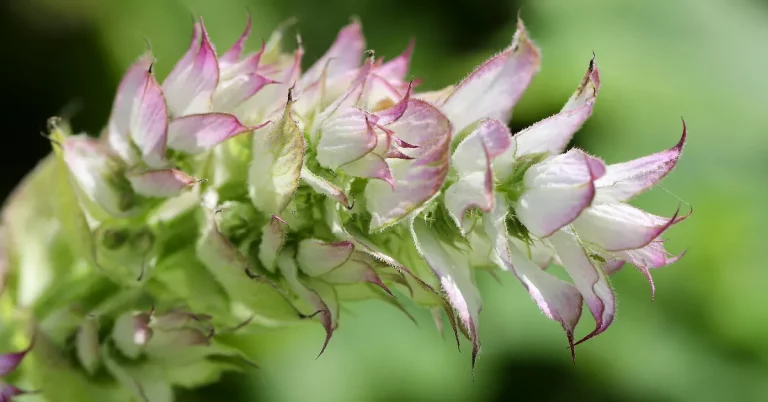
Some rose materials have a crisp leafy or stem-like edge that keeps the flower from feeling overly sweet.
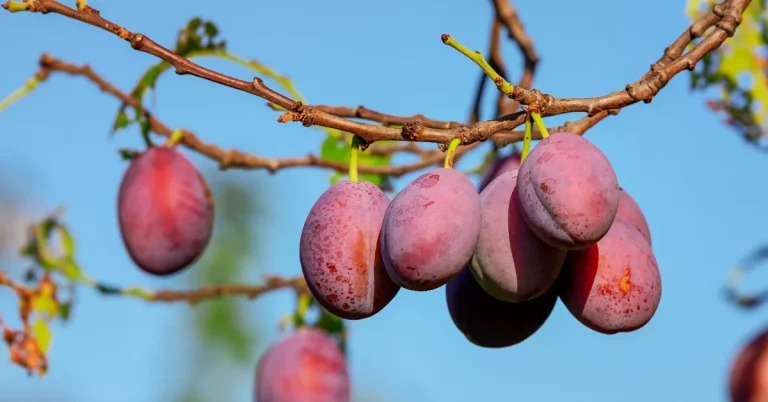
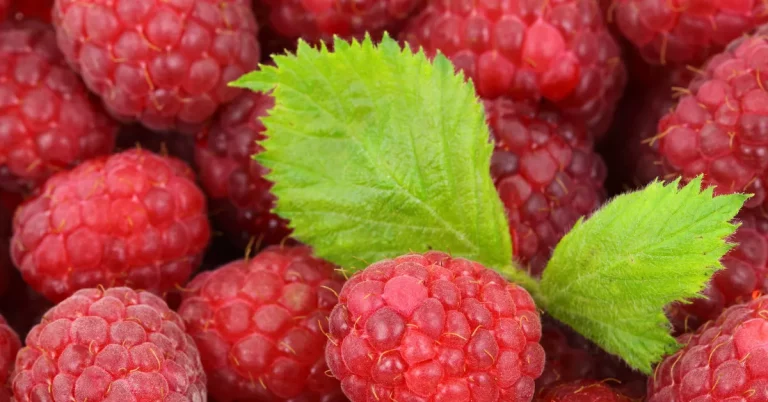
Rose can suggest berry, lychee-like, plum-like, or gently jammy nuances when paired with fruit notes or when its own fruity facets are emphasized.
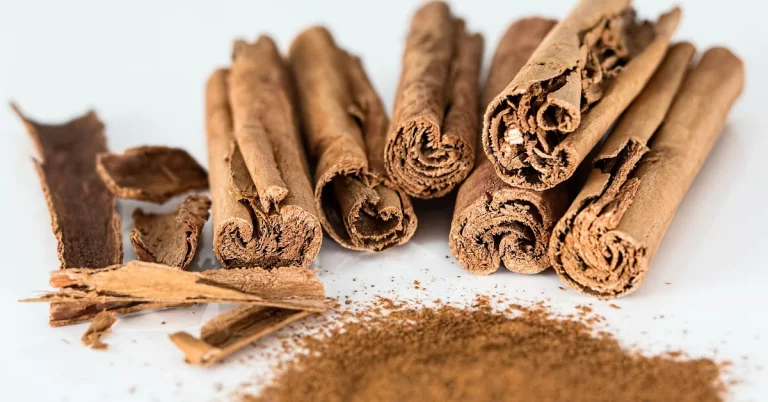
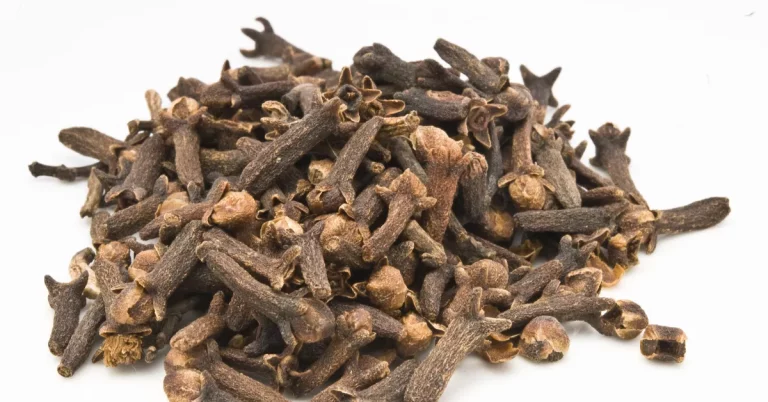
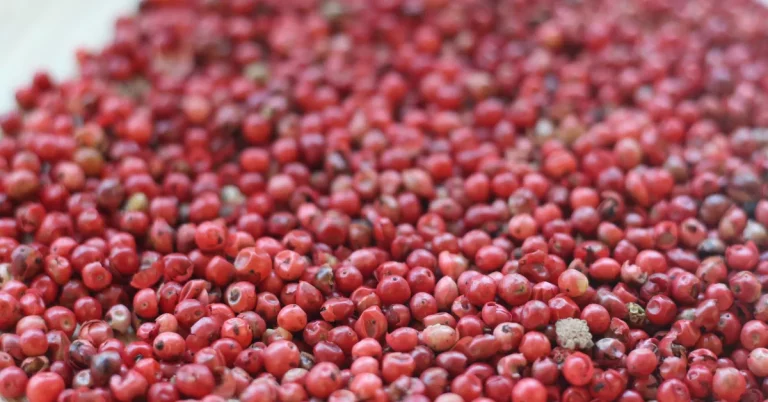
Peppery, clove-like, or warm spicy accents can make rose feel darker, drier, or more dramatic.
Some absolutes show a warm nectar-like sweetness that adds richness without turning the flower into a dessert note.
With iris, violet-like materials, musk, or soft woods, rose can take on a smoother, cosmetic, velvety impression.
Rose oil, rose absolute, and rose accords
The word “rose” on a fragrance page does not tell you exactly how the effect was built. Natural extracts and constructed accords can all produce recognizably rosy results.
Natural rose materials
Rose essential oil is produced by distilling rose flowers, while rose absolute is produced through solvent extraction followed by purification. These processes capture different portions of the flower’s aromatic profile, which is one reason the materials can smell different from one another.
Natural rose is also a low-yield material: IFF notes that producing one kilogram of Bulgarian rose oil can require roughly 4,500 kilograms of flowers, while its Bulgarian rose absolute requires hundreds of kilograms of plant material per kilogram of extract.
What changes the rose effect?
- Citrus and green notes can make rose brighter, fresher, and more transparent.
- Fruit notes can amplify rose’s juicy, jammy, or plush side.
- Spices, patchouli, woods, amber, and oud can make rose feel darker and more structured.
- Iris, musk, vanilla, and soft florals can smooth rose into a softer, powderier, or creamier bouquet.
How rose works in a fragrance
Rose can be the central flower of a composition or one piece of a larger floral, fruity, woody, spicy, amber, or gourmand structure. Its flexibility is one reason it appears in everything from delicate floral perfumes to dense oud-and-rose styles.
What pairs well with rose?
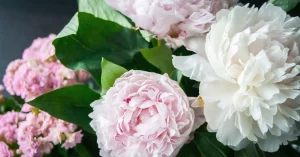
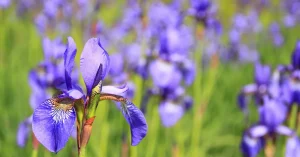
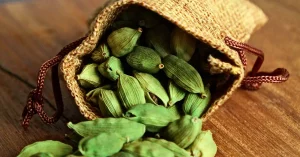
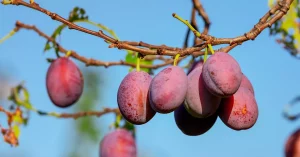
Rose is unusually adaptable. These pairings show how it can move toward airy florals, creamy petals, aromatic spice, fruit, or a more tropical floral direction.
Five perfumes that show different sides of rose
These examples use only the supplied verified perfume records. Together they show rose surrounded by spice and blackcurrant, oud and gourmand notes, airy florals, aquatic woods, and a polished floral-amber structure.
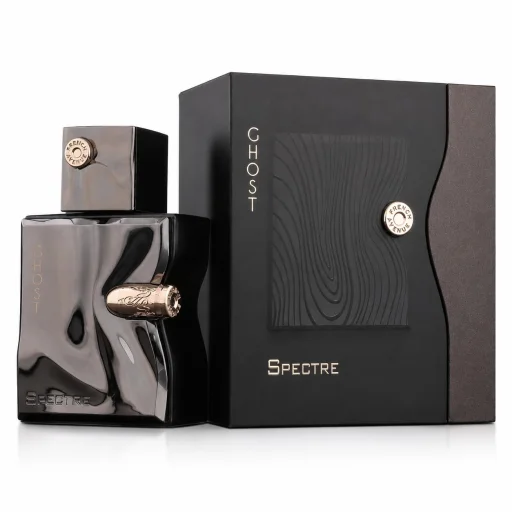
Spectre Ghost
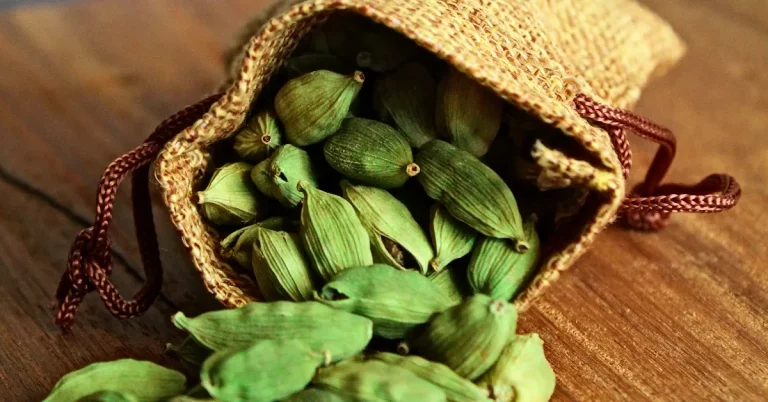
Spectre Ghost places rose in a spicy-fruity heart after ginger, cardamom, and bergamot. Blackcurrant and pink pepper keep the floral note vivid before vanilla, patchouli, and cedarwood give the drydown a warmer, darker frame.
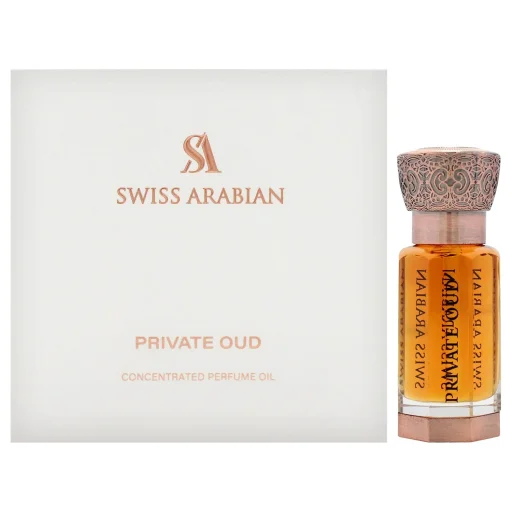
Private Oud
Private Oud opens with Bulgarian rose beside plum and oud, then moves through tonka, vetiver, jasmine, and white flowers into a sweet base of dark chocolate, caramel, vanilla, and more oud.
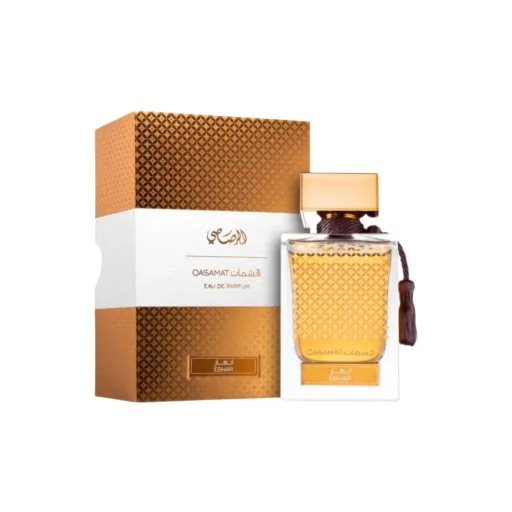
Qasamat Ebhar
Qasamat Ebhar places Damask rose in a floral heart with orris root, jasmine, and lotus after a green apple-and-lemon opening. Vanilla, praline, tonka bean, and musk then soften the bouquet into a sweeter, powderier drydown.
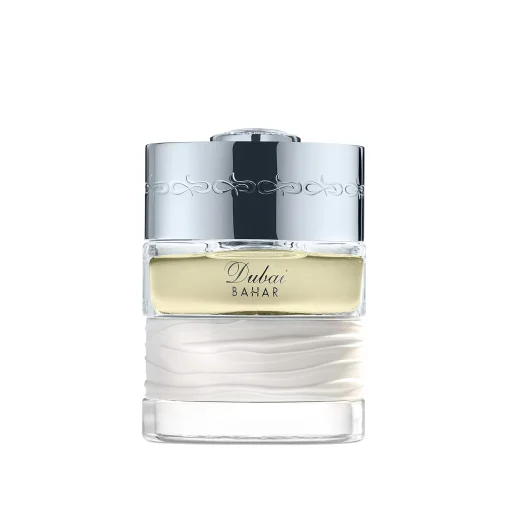
Bahar
Bahar surrounds rose with an expansive marine-citrus-fruit opening and a heart crowded with lotus, violet leaf, cedar, jasmine, iris, saffron, woods, and spices. Its base reinforces the woody, ambered, musky direction.
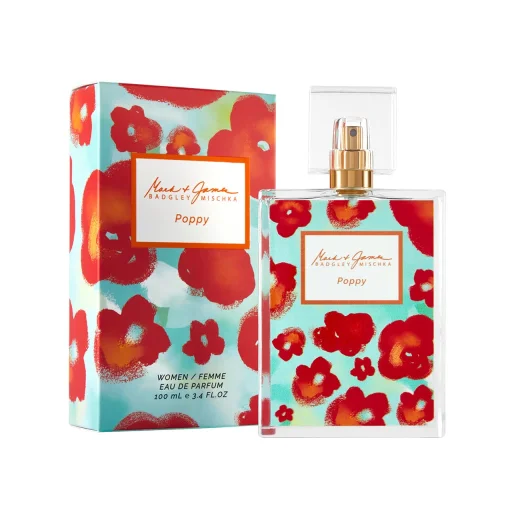
Poppy
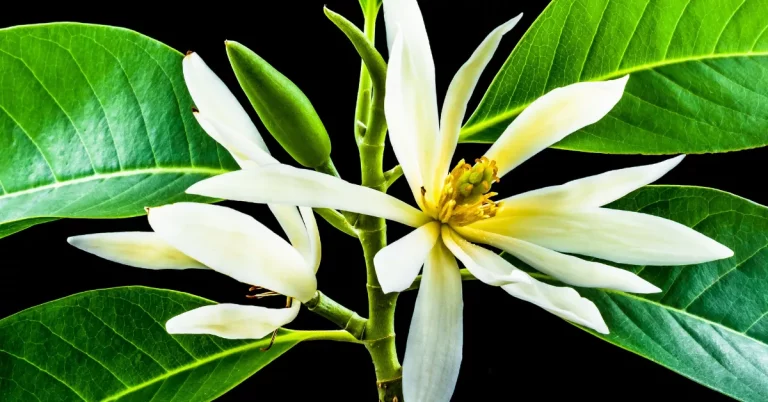
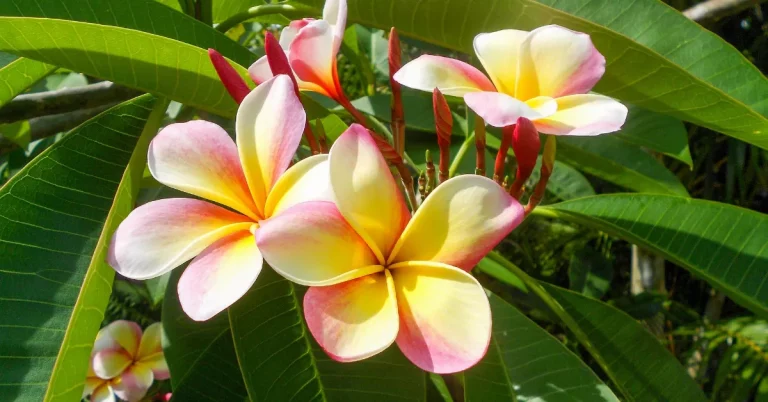
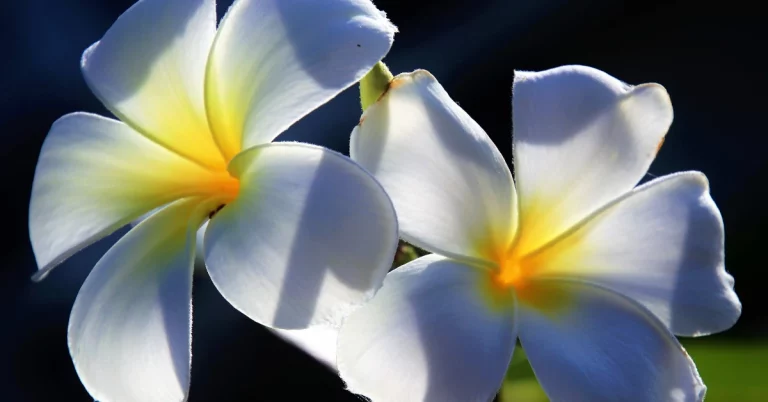
Poppy begins with rose, citrus, and spice before shifting into peony, magnolia, and plumeria. White woods, amber, and musk provide a smooth base, giving the rose a bright opening before the fragrance broadens into a multi-floral bouquet.
Four ways rose changes with its surroundings
Spectre Ghost
- Rose partners
- Blackcurrant, pink pepper, cardamom, vanilla, patchouli, cedarwood
- Surrounding character
- Spicy, fruity, warm, woody
- Choose this direction if…
- You like rose sharpened by pepper and dark fruit, then warmed by vanilla and woods.
Private Oud
- Rose partners
- Plum, oud, jasmine, tonka, chocolate, caramel, vanilla
- Surrounding character
- Dark fruity, woody, floral, gourmand
- Choose this direction if…
- You want rose in a rich oud-and-plum setting with a dessert-like base.
Qasamat Ebhar
- Rose partners
- Orris, lotus, jasmine, apple, lemon, vanilla, praline, musk
- Surrounding character
- Powdery, fresh, floral, softly sweet
- Choose this direction if…
- You prefer rose softened by iris-like powder, airy florals, and a creamy sweet-musky base.
Poppy
- Rose partners
- Citrus, spices, peony, magnolia, plumeria, amber, musk
- Surrounding character
- Bright, polished, multi-floral, softly ambered
- Choose this direction if…
- You want a bright rose opening that quickly opens into a broader floral bouquet.
Rose perfume FAQ
Does a rose note mean a perfume contains real rose extract?
No. A listed rose note describes the intended smell. The effect may come from rose essential oil, rose absolute, aroma molecules, or a combination of natural and synthetic materials.
What is the difference between rose oil and rose absolute?
Rose oil is obtained by distillation, while rose absolute is made by solvent extraction followed by purification. Because the processes capture different parts of the flower’s aromatic profile, the materials can have noticeably different scent characters.
Why can one rose perfume smell fresh while another smells dark or sweet?
The rose effect changes with the material and its partners. Citrus, green notes, fruit, spice, iris, musk, vanilla, patchouli, woods, amber, and oud can all pull rose in very different directions.
Is rose only used in feminine perfumes?
No. Rose appears across feminine, masculine, and unisex perfumery. Spices, woods, patchouli, leather-like effects, amber, and oud can make rose feel especially dry, dark, or structured.
Where does rose usually appear in a fragrance pyramid?
Rose is commonly associated with the heart because it blends naturally into floral bouquets, but its influence can extend into the opening or drydown depending on the formula. Some perfumes even list rose in the top notes.
What should I look for if I want a less sweet rose perfume?
Look for rose paired with citrus, green notes, pepper, cardamom, vetiver, cedar, patchouli, or other dry woods. For a sweeter rose, look instead for plum, vanilla, praline, caramel, tonka, amber, or gourmand notes.
Rose can be almost anything a perfumer asks it to be
Fresh petals, green stems, dark fruit, peppery spice, powder, honey, woods, oud, musk, or gourmand sweetness can all reshape the same familiar floral idea. That range is what makes rose less a single perfume style than an entire vocabulary of floral effects.