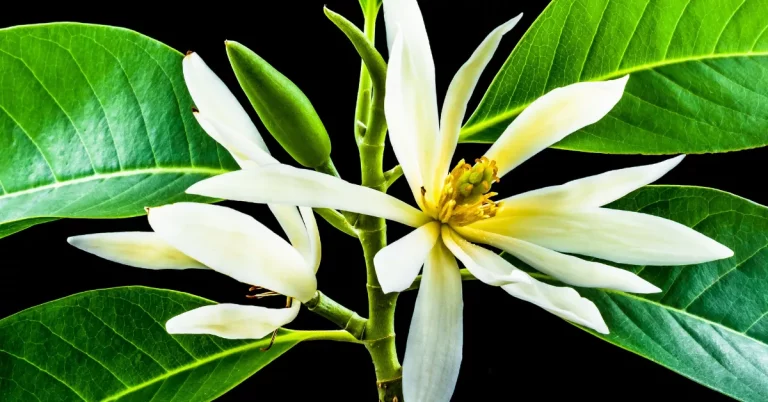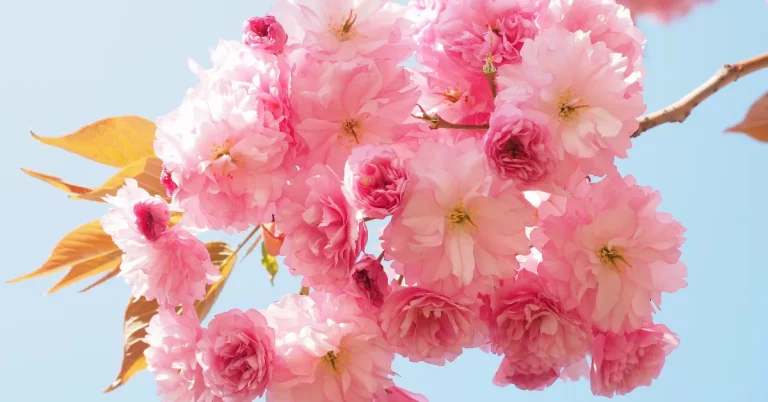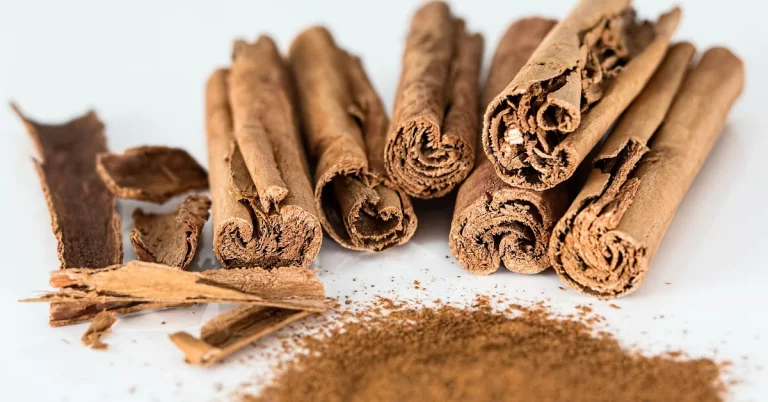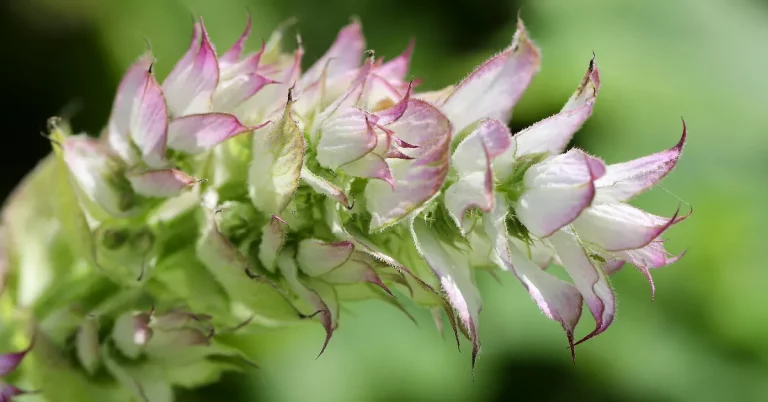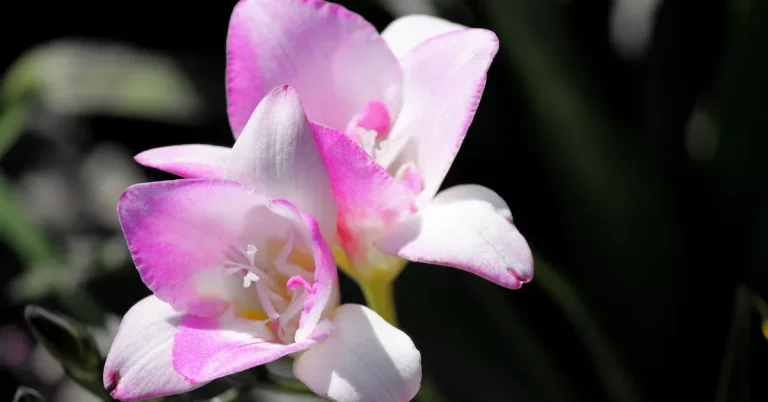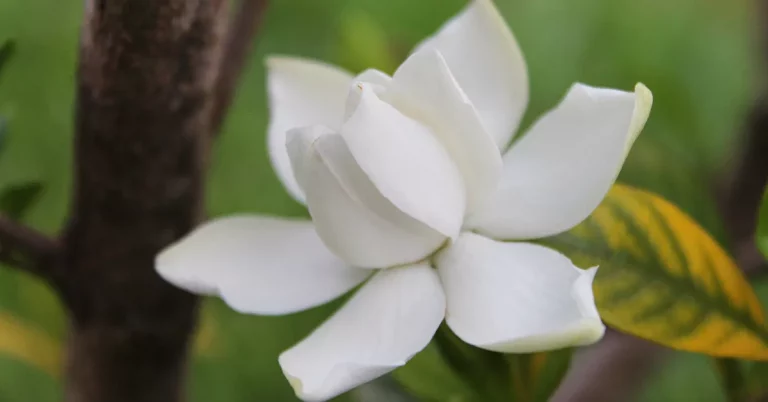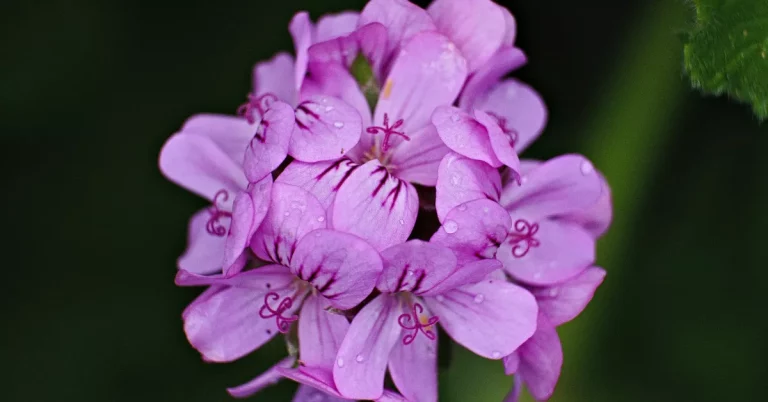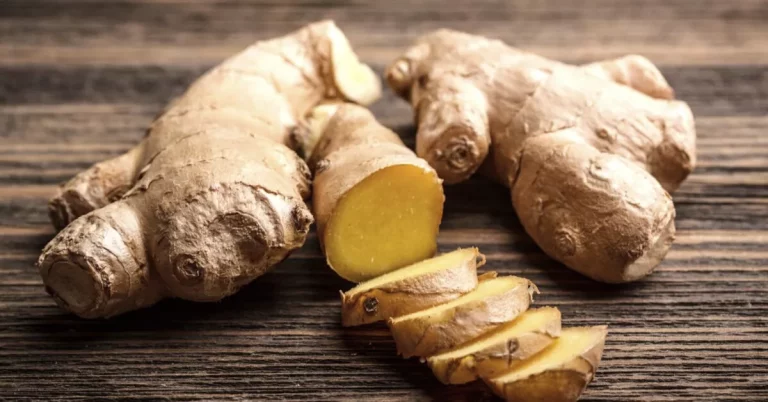
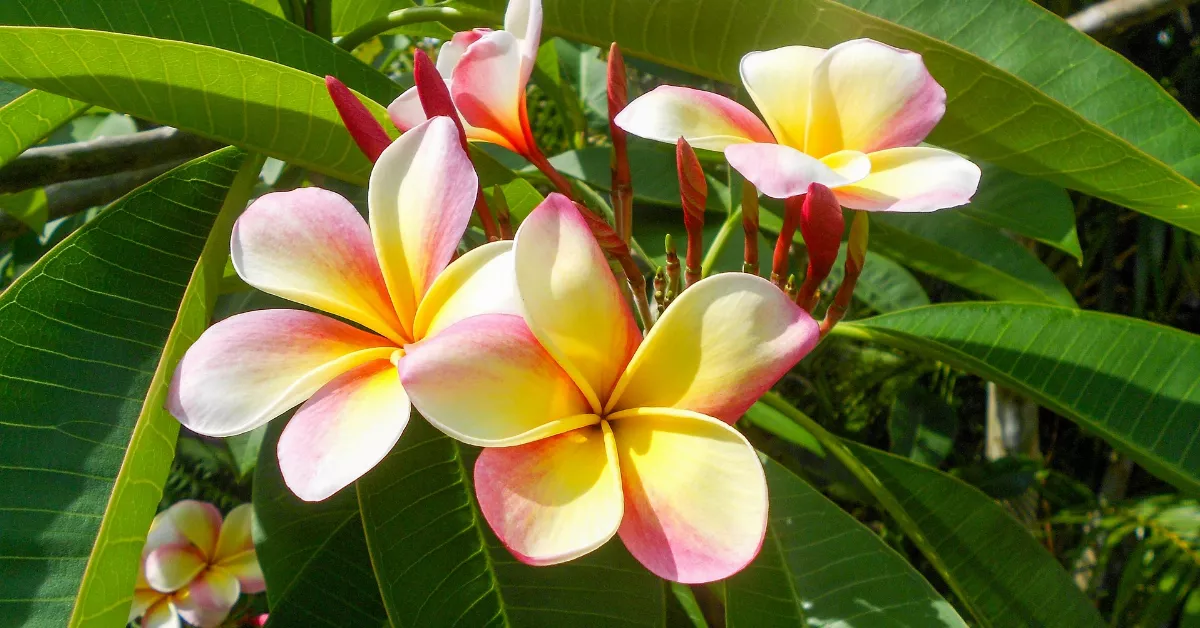
Plumeria—also called frangipani—is one of perfumery’s most evocative tropical floral notes. Its scent can feel creamy and petal-soft, bright and citrus-touched, richly sweet, or faintly spicy. That range is precisely what makes plumeria interesting: there is no single rigid “plumeria smell.”
What is plumeria?
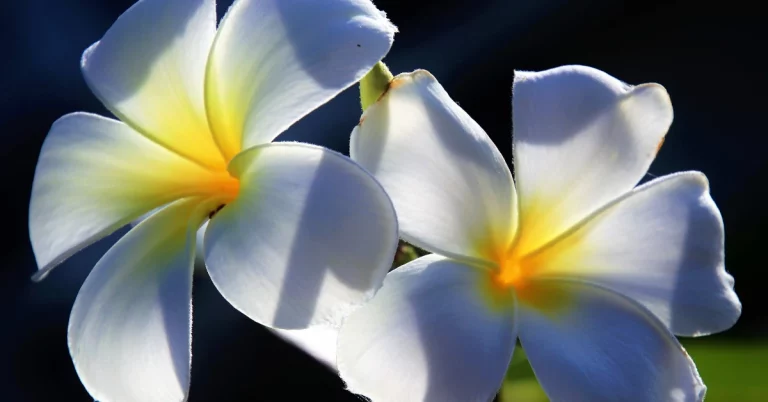
Plumeria is a genus of flowering shrubs and trees in the dogbane family, Apocynaceae. The genus is native from Mexico through parts of northern South America and the Caribbean, although it is now cultivated throughout many warm regions of the world.
Frangipani and plumeria are the same flower group
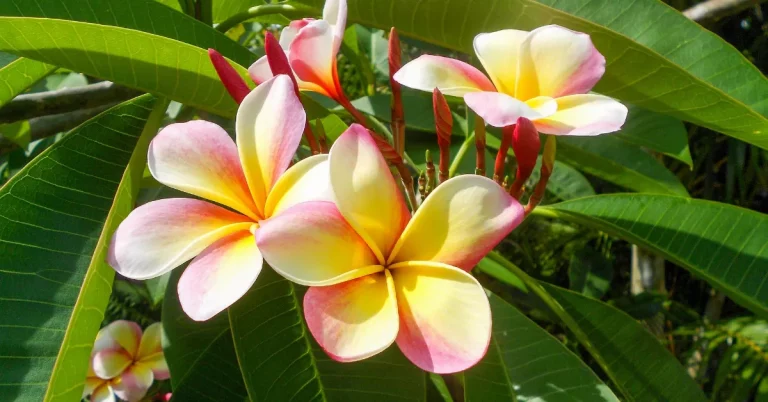
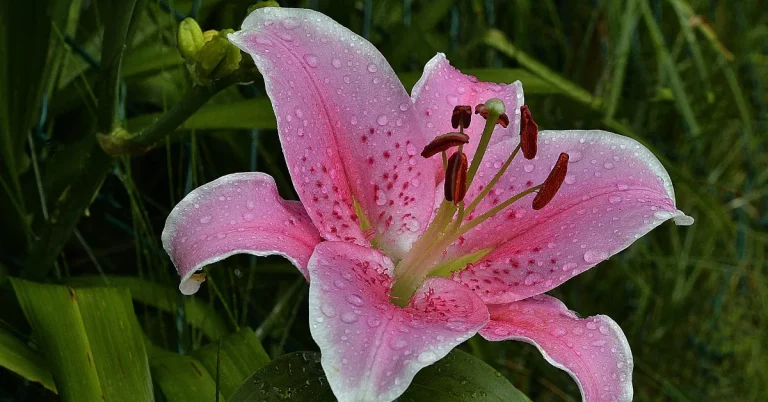
“Plumeria” is the botanical genus name; “frangipani” is the common name most fragrance lovers will encounter. Cultivated plumerias are famous for thick, waxy-looking flowers in white, yellow, pink, red, and multicolored forms.
Their fragrance is not uniform. Different species, cultivars, and individual flower forms can emit different mixtures of aromatic molecules, so two plumerias may smell noticeably different even though both are unmistakably floral.
What does plumeria smell like?
A good shorthand is lush, sweet floral with creamy warmth—but the real flower is more complicated than that simple description suggests.
Many plumerias have a smooth, full-bodied floral quality that can feel soft rather than sharp.
The sweetness is usually flower-like rather than dessert-like: ripe petals, nectar, and warm air rather than sugar syrup.
Some varieties have fresh, sparkling facets that keep the scent from becoming too dense or heavy.
Plumeria readily evokes tropical gardens, especially when paired with coconut, citrus, or other lush florals.
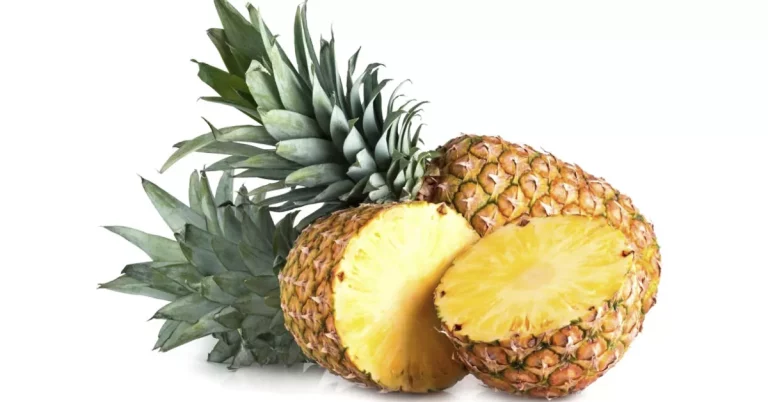
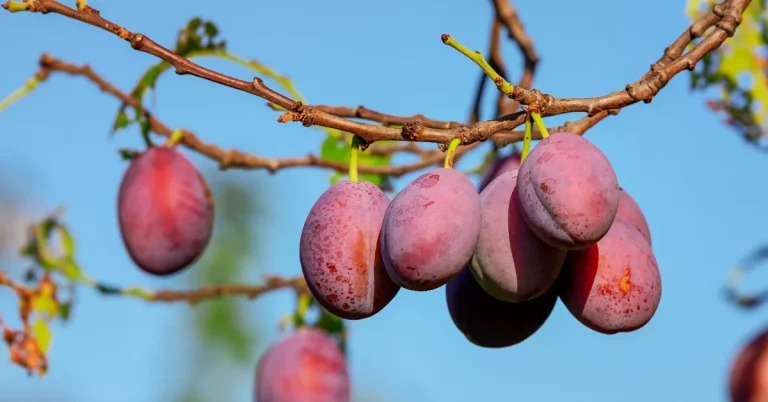
Depending on the flower, the aroma can suggest ripe or juicy facets without becoming a straightforward fruit scent.
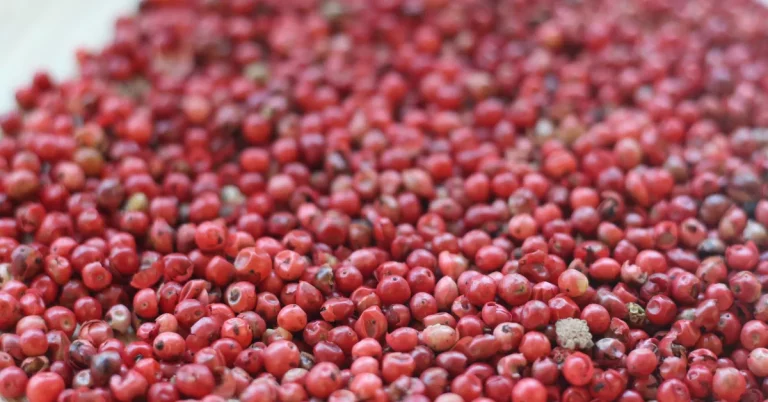
Warm, spicy nuances can sit beneath the floral body and make some plumeria varieties smell deeper and more complex.
Why does plumeria smell so complex?
What we perceive as “the scent of a flower” is actually the combined effect of many volatile compounds reaching the nose at once.
A mixture, not a single ingredient
Researchers studying plumeria flowers have identified complex mixtures of floral volatiles. Depending on the cultivar and study, compounds such as linalool, phenylacetaldehyde, geraniol, nerolidol, neral, and geranial may contribute to the aroma.
Their proportions matter. Change the balance, and the overall impression can move toward rosy, citrusy, green, sweet, or warm-floral territory.
What this means when you smell perfume
- A perfume’s plumeria note may emphasize only part of the flower’s natural scent profile.
- Two perfumes can both list plumeria and smell dramatically different.
- Other notes can push plumeria toward “tropical,” “romantic floral,” “creamy,” or “fresh.”
- A listed plumeria note does not by itself tell you whether the formula contains a natural plumeria extract, a reconstructed accord, or a combination.
How plumeria works in a fragrance
Plumeria is especially useful in the floral heart of a perfume. It can make a bouquet feel fuller and more humid, give a composition a warm tropical glow, or soften the transition from sparkling top notes into woods, amber, and musk.
What pairs well with plumeria?
The surrounding notes often tell you more about how a plumeria perfume will feel than the word “plumeria” alone.
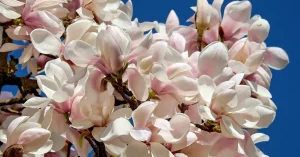
Two perfumes that feature plumeria
These are two real fragrances (linked to Amazon via Affiliate program) in which plumeria appears in the listed note structure. They also show how differently the flower can be framed.
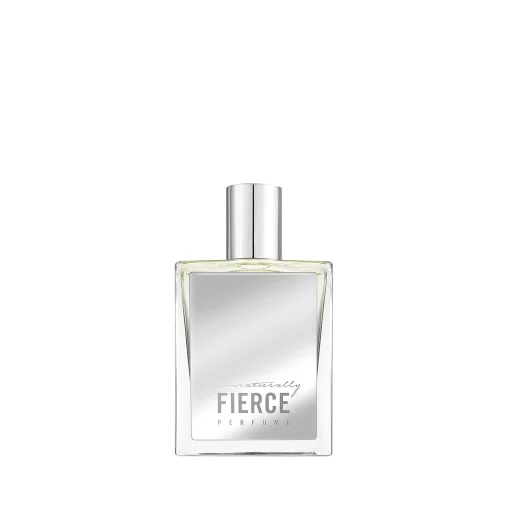
Naturally Fierce
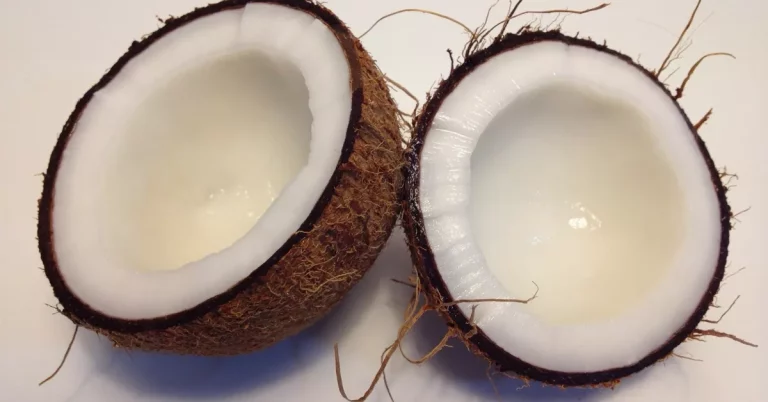
Naturally Fierce places plumeria inside a more textured floral-woody-musk structure. Its floral center combines plumeria, coconut, and orange blossom, while cactus, agave, woods, moss, and vetiver give the fragrance a greener, earthier frame.
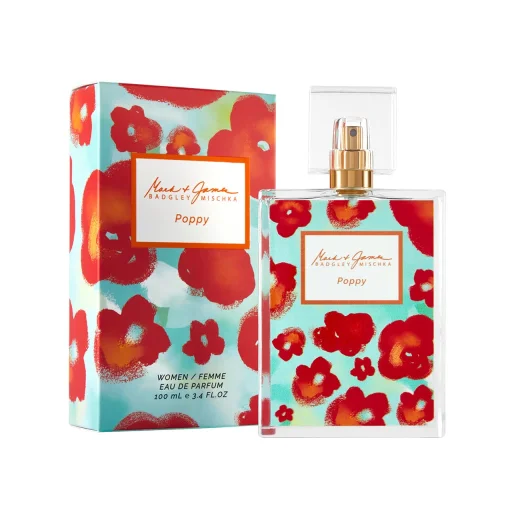
Poppy
Poppy uses plumeria in a more overtly floral setting. Rose, citrus, and spices introduce the fragrance before a heart of magnolia, peony, and plumeria settles over amber, white woods, and musk.
Two different ways to wear plumeria
Naturally Fierce
- Plumeria partners
- Coconut and orange blossom
- Surrounding character
- Green, woody, mossy, musky
- Choose this direction if…
- You like a tropical floral idea with more contrast from green and earthy notes.
Poppy
- Plumeria partners
- Magnolia and peony
- Surrounding character
- Floral, warm, softly woody and musky
- Choose this direction if…
- You prefer plumeria blended into a romantic, multi-flower bouquet.
Plumeria perfume FAQ
Is frangipani the same as plumeria?
Yes. Frangipani is the common name widely used for plants and flowers in the genus Plumeria.
Does plumeria always smell like coconut?
No. Plumeria can have creamy tropical associations, but coconut is a separate note. Pairing the two simply pushes a perfume further toward that creamy tropical effect.
Is plumeria a white floral?
It is a floral note, and some plumeria flowers are white, but the genus also produces yellow, pink, red, and multicolored blooms. In perfume, “white floral” is an olfactory style rather than a botanical color rule, so plumeria may appear alongside white-floral notes without always smelling like a classic jasmine-or-tuberose composition.
Is plumeria usually a top, heart, or base note?
It is commonly presented in the heart of a perfume because that is where floral bouquets often sit. Its exact role, however, depends on the formula rather than a fixed rule attached to the flower.
Why do different plumeria perfumes smell so different?
The living flower itself varies, and perfume formulas vary even more. A plumeria accord surrounded by coconut and woods will create a very different impression from one surrounded by peony, magnolia, amber, and musk.
Does a “plumeria” note mean the perfume contains plumeria oil?
Not necessarily. A published perfume note describes the scent idea perceived or intended in the composition; it does not disclose the complete formula. The effect may come from natural materials, aroma molecules, an accord, or a combination.
Plumeria’s beauty is in its range.
It can smell creamy without becoming heavy, tropical without needing fruit, floral without resembling one familiar blossom, and bright without losing warmth. When you see plumeria in a perfume’s notes, look at the ingredients around it: they are the best clue to which side of this remarkably flexible flower the fragrance is trying to reveal.