
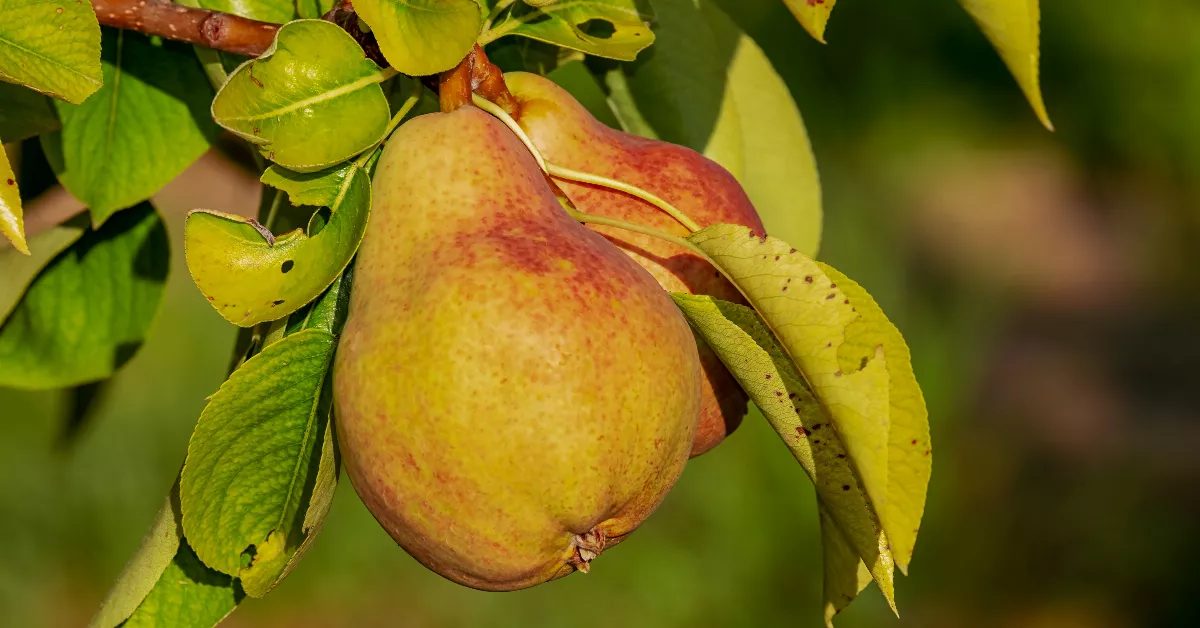
Hello, fragrance enthusiasts! Have you ever wondered about the natural ingredients that go into creating that perfect, captivating scent which makes you feel fabulous? Well, you’re in for a treat as we dive into the world of perfumery and explore one such natural ingredient that has made quite a mark in this industry – the humble and delicious pear.
A Brief Background on Perfumery
Perfumery has a rich history, dating back thousands of years, to the ancient civilizations of Egypt, Mesopotamia, and the Indus Valley. Scent has always played a significant role in our lives, whether for religious rituals, personal adornment, or simply to infuse our surroundings with a pleasant aroma. The use of natural ingredients in perfumes is an age-old practice, employing a beautiful array of flowers, fruits, spices, and woods to create those irresistible fragrances we all love.
Introducing Pears in Perfumery
Now, let’s talk about that juicy, sweet, and refreshing fruit we all know and love – the pear! Pears have increasingly gained popularity in perfumery, and there’s a good reason for that. Who doesn’t love the scent of a ripe, crisp pear? It’s uniquely sweet yet slightly tart and green, providing the perfect hint of freshness to any perfume. So without further ado, let’s explore the fascinating world of pears in perfumery together!
Overview of Pear Scents
Welcome to the luscious world of pear scents! In this section, you will discover the different dimensions and characteristics of pear fragrances, how they can be combined with other scents to create delightful perfume compositions, and the various types of pear scents that encapsulate its enticing aroma.
General Description of the Scent
The irresistible aroma of pear is typically characterized by a sweet, juicy, and fresh sensation that instantly reminds us of biting into a ripe, succulent fruit. Pears possess a slightly tart and green undertone, which adds an interesting layer of complexity to the scent, making it an appealing choice for perfume creators and enthusiasts alike.
Types of Pear Scents
Pear scents come in various forms, each providing a unique olfactory experience. Let’s dive into the three main categories:
- Green Pears: This type captures the crisp, fresh essence of an unripe pear. It evokes images of strolling through a lush orchard, with a clean, invigorating scent that’s perfect for summer days.
- Ripe Pears: As pears ripen, their scent becomes richer and fruitier. A ripe pear scent carries a delectable sweetness with a hint of tartness, creating a harmonious and alluring fragrance, ideal for those who have a penchant for captivating fruity scents.
- Baked Pears: Think of the warm, comforting aroma wafting through your home as you bake pears with caramel, spices, and a touch of vanilla. The addition of gourmand notes gives this pear scent variation a cozy, indulgent character that can add depth and warmth to a perfume.
Pairing Pear Scents with Other Fragrances
Pear scents, with their versatile nature, blend beautifully with various fragrance categories. Here are some complementary scents to enhance and elevate the pear’s juicy goodness:
- Florals: Combining the sweetness of pear with the delicate aroma of flowers like jasmine, freesia, or rose can create a truly romantic and charming scent that is perfect for any occasion.
- Musk: A touch of musk can add an element of sensuality and warmth to pear fragrances, providing an exquisite balance between fruity freshness and an enticing mysteriousness.
- Spices: Don’t be afraid to experiment with spices like cinnamon, nutmeg, or cardamom when pairing with pear scents. These spicy notes can add a sophisticated complexity to the fruity pear aroma, perfect for those who seek a bold, distinctive fragrance.
With a fundamental understanding of the various types of pear scents and their potential pairings, you’re well on your way to discovering the perfect pear-infused perfume or even creating your very own signature scent! So, let’s journey into the world of iconic pear-scented perfumes and their captivating compositions in the next section.
Examples of perfumes with pear scents
When it comes to pear scents, there is a wide variety of perfumes that showcase this delightful fruity aroma. From designer perfumes to niche fragrances, the luscious and vibrant scent of pears has found its way into many popular fragrances. Now, let’s dive into a few examples that both highlight and complement the unique characteristics of pear scents.
Designer perfumes
- Marc Jacobs – Daisy: This iconic perfume by Marc Jacobs is a fresh, fruity floral fragrance that features a captivating blend of strawberry, violet leaves, and jasmine, coupled with the sweet and juicy scent of pear. The pear note adds a distinctive twist to the overall fragrance, making it stand out as a go-to choice for many.
- DKNY – Be Delicious: This aptly named fragrance from DKNY is inspired by the vibrant energy of New York City. Its irresistible blend combines the tartness of green apple with the sweetness of pear, creating an energizing and refreshing scent. With additional notes of cucumber, grapefruit, and white florals, this perfume offers a unique symphony of fruity goodness.
- Jo Malone – English Pear & Freesia: In this charming and elegant Jo Malone fragrance, ripe pears mingle with delicate freesia flowers for an exquisite concoction that is both soothing and indulgent. The pear note in this perfume is rich and luscious, capturing the essence of autumn orchards, while the white florals add a touch of romantic sophistication.
Niche perfumes
- Parfums de Marly – Cassili: This luxurious fragrance from the esteemed Parfums de Marly house exudes extravagance and opulence. Cassili features ripe, juicy pear as a standout note, surrounded by a tantalizing blend of red currant, plums, and rose. The result is a captivating, fruity floral perfume that highlights the decadence of pear scents.
- Zoologist – Bat: Bat by Zoologist is a truly unique, daring, and unforgettable niche perfume. At the heart of this fragrance lies a bold and rich pear note, accompanied by a smorgasbord of other unusual elements such as tropical fruits, damp earth, and mineral notes. Bat showcases the versatility and depth that pear scents can offer in the world of perfumery.
- Atelier Cologne – Poire Givrée: This delightful fragrance from Atelier Cologne captures the essence of frosted, frosty pears, bringing forth a fresh and luminous scent. The natural sweetness of pear is balanced by zesty and tart citrus notes, culminating in a beautifully crisp, fruity composition.
DIY (do-it-yourself) pear scented creations
For those who love to experiment with scents and create their own custom fragrances, there are many ways to incorporate pear scents into your own perfume blends or body care products.
- Make your own pear-infused oil or spray: To create a homemade pear-infused oil, simply add pear peels or slices to a jar of carrier oil (such as jojoba or sweet almond oil). Let the infusion sit for a few weeks, then strain and use the resulting oil as a base for your custom perfume blends. Alternatively, create a refreshing pear-scented spray by infusing pear peels in distilled water or high-proof alcohol like vodka.
- Creating custom pear-scented candles or diffusers: If you prefer a more passive scent experience, try creating pear-scented candles or reed diffusers. Simply add a few drops of natural pear extract or a pear-infused oil to the candle wax or diffuser mixture, and enjoy the pleasant, fresh aroma that fills your space.
Natural sourcing of pear ingredients
Pears are versatile fruits that offer a unique and delightful aroma to perfumery. For you to have a better understanding of where these amazing scents come from, let’s dive into the different regions where pears are grown, the types of pear trees, and their effects on the scent profile.
Regions where pears are grown
Pears are cultivated in various countries worldwide, with China, the United States, and Italy being the largest producers. Each region’s climate and soil conditions influence the aroma and characteristics of the pears harvested.
- China: As the leading producer of pears, China primarily grows Asian pear varieties such as the Ya Li, Huangguan, or Fragrant pears. These pears tend to have a milder, more delicate scent than their European counterparts.
- United States: In the US, pear orchards are commonly found in the Pacific Northwest (Oregon and Washington) and California. Bartlett pears, known for their sweet, juicy, and slightly musky aroma, are widely cultivated in these regions.
- Italy: Famous for the succulent Abate Fetel pear, Italy is renowned for producing pears with a more intense, complex aroma due to its diverse terrain and soil types.
Types of pear trees and the resulting scents
The scent profile of a pear ingredient in perfumery varies, depending not only on the species/variety of the pear but also on how it was grown and harvested. Here are some common species and their general aroma profiles:
- European Pear (Pyrus communis): These pears are known for their rounded shape and buttery texture when ripe. In terms of aroma, they offer a delectable balance of sweet and tart, with a hint of green freshness.
- Asian Pear (Pyrus pyrifolia): This variety, also known as Nashi pears, are characterized by their crisp, juicy flesh and unique apple-like shape. Their scent is more subtle than European pears but still retains some of the soft, sweet, and slightly floral notes commonly found in pears.
Different species not only influence the aroma profile of the pear but also the color and texture of the fruit. When using pears in perfumery, a careful selection and combination of different types of pears can result in unique and intricate fragrance notes that will captivate your senses.
Commercial Production of Pear Scents
When it comes to producing pear scents for perfumery, there are two main methods – chemical synthesis and natural extraction. Both techniques have their advantages and disadvantages. Let’s explore these approaches and understand how they impact the resulting aroma and the perfume industry as a whole.
Chemical Synthesis of Pear Compounds
The main component responsible for the pear scent—ethyl (E,Z)-2,4-decadienoate—is often created synthetically for use in the perfume industry. Synthetic ingredients offer several advantages:
- Cost-efficiency: Synthetic pear compounds are generally less expensive than their natural counterparts, making them attractive options for perfume manufacturers.
- Consistency: Synthetically produced scents have more consistent quality and aroma compared to naturally extracted ones, which can be affected by factors like climate, soil conditions, and different pear varieties.
- Availability: Synthetic pear scents can be produced in large volumes and are readily available, unlike natural essences that depend on seasonal harvests.
However, there are some drawbacks associated with synthetic pear scents:
- Lack of depth: Although chemically synthesized scents can effectively mimic the pear aroma, they often lack the depth, complexity, and authenticity of natural extracts.
- Sustainability concerns: Synthetic ingredients and their production processes can pose environmental challenges, raising questions about their sustainability and eco-friendliness.
Natural Extraction Methods
To capture the true essence of a pear, perfume manufacturers can use various natural extraction methods, including:
- Steam distillation: This technique involves passing steam through the raw pear materials (flowers, peels, or fruits) and then collecting the aroma compounds in the form of a concentrated oil. While steam distillation is a popular choice for other natural ingredients, it’s not commonly used in pear scent extraction due to limited availability and labor-intensive processes.
- Cold-pressing: This mechanical process separates the aromatic oils from the raw plant material without heat. Cold pressing is typically used for citrus oils, but it’s not the most effective approach for extracting pear scents.
- Solvent extraction: A solvent, such as hexane or ethanol, soaks the plant material to extract the aroma compounds. Following this, the solvent is removed, typically leaving an aromatic concentrate, such as an absolute or a resinoid. Solvent extraction is more effective for capturing pear scents; however, it’s more costly and requires a higher degree of expertise.
Challenges Associated with Natural Pear Scent Extraction
Despite the undeniable appeal and authenticity of natural pear scents, there are several challenges that impact their adoption in the perfume industry:
- Limited availability of natural pear essences: As pear scents are difficult to extract in large quantities, there may not be enough supplies to meet the high demand for some artisanal and niche perfumeries.
- High costs and labor-intensive processes: Natural extraction methods, especially solvent extraction, require significant investment in expertise and equipment. These factors make natural pear extracts less accessible and more expensive than their synthetic counterparts.
Overall, the choice between synthetic and natural pear scents depends on factors such as cost, availability, environmental concerns, and the desired final product. While synthetic scents make it possible to achieve a consistent and affordable pear aroma, natural extracts offer an unmatched depth and complexity that appeals to consumers who appreciate truly authentic fragrances.
Home-based extraction methods
So, you’re interested in creating your own pear-scented concoctions at home? Fantastic! DIY methods are not only fun, but they allow you to customize your own fragrance and truly appreciate the art of perfumery. Here, we’ll discuss three popular methods you can use to extract the essence of pears right in your kitchen.
Enfleurage
Enfleurage is an ancient technique that involves capturing the scent of botanical materials using a fat-based substrate. This method is perfect for delicate pear scents, as it preserves their subtleties without using heat.
Pros and cons of enfleurage:
- Pro: Excellent for heat-sensitive pear scents
- Pro: Natural method that doesn’t require chemicals
- Con: Time-consuming and labor-intensive process
- Con: Yield may be small, depending on the power of the pear aroma
To try enfleurage at home:
- Carefully layer ripe pear slices on a layer of odorless fat (e.g., vegetable shortening, unscented shea butter)
- Allow the pear slices to rest and infuse their fragrance into the fat
- Replace pear slices every few days with fresh ones to increase the intensity of the scent
- Strain and filter the fat once the desired aroma is achieved.
Maceration
Maceration is another method that involves infusing the pear scent into a carrier oil. This technique requires chopping, crushing, or grinding the pears to expose their fragrant elements.
To use maceration for your DIY projects:
- Choose a carrier oil with a neutral or light scent, like grapeseed, almond, or jojoba oil
- Chop up ripe pears into small pieces
- Place pears in a glass jar and cover them with your chosen oil
- Stir the mixture daily and allow it to sit in a warm, dark spot for a few weeks
- Once the oil has absorbed the fragrance of the pears, strain it, and use it for creating custom pear-scented perfumes or personal care products
Alcohol Tincture
The third method, known as the alcohol tincture, is an extraction process that uses high-proof alcohol like vodka or everclear to capture the fragrance of pears.
To create an alcohol tincture at home:
- Cut ripe pears into small pieces and let them sit in a jar
- Cover the pear pieces with high-proof alcohol
- Allow the mixture to sit in a cool, dark place for several weeks, stirring occasionally
- After the desired intensity of scent is achieved, strain the liquid, and you’ve got a pear-scented alcohol base you can use for making DIY perfume or cologne!
By utilizing these home-based extraction methods, you can now experiment and create your own signature pear-scented products. Happy perfuming!
The role of pears in modern perfumery
Hey there, perfume enthusiasts! Now you know a bit more about pears and their delightful scent, let’s dive into how they fit into the grand scheme of modern perfumery. The role of pears in today’s perfume industry is quite impressive, taking center stage in many popular fragrance compositions and sparking a growing interest in fruity scents among perfumers and consumers alike.
Pear as a trend in perfume compositions
As trends go, fruity scents have gained quite a fan base in recent years, and what could be better to represent this style than the juicy and fresh aroma of pears? They are so versatile that they can easily harmonize with various other fragrance families. You might find pear scents mixed with soft florals, warm spices, or even alluring musk. This adaptability has made pears increasingly popular among both designer and niche perfumers when creating new and exciting scents.
Increasing demand for natural and authentic ingredients
Purity and authenticity are becoming more and more important to consumers these days. As a result, the demand for natural ingredients in perfumery has skyrocketed. Even though extracting natural pear essence can be quite labor-intensive and costly, the unique, fresh, and genuine scent they provide makes it all worthwhile. It’s worth mentioning that the use of synthetic pear scents is still prevalent (and more affordable), but with the rise in demand for all things organic, we can expect to see more fragrances featuring real pear extracts in the future.
Pear-infused personal care products
We can’t mention the role of pears in modern perfumery without talking about their influence on personal care products. It’s not just about perfumes, folks! Incorporating the captivating essence of pears into lotions, shower gels, shampoos, and candles has turned pear-based beauty and self-care items into must-have luxuries. These products allow you to indulge in the sweet and refreshing scent of pears daily, elevating your self-care routine into a truly aromatic experience.
And there you have it – the role of pears in the fascinating world of modern perfumery. Whether it’s a designer perfume, a niche fragrance, or a pear-scented body lotion, it’s clear that the humble pear has left an indelible mark on the industry. So, why not explore the delightful world of pear-based scents and even try your hand at creating your own pear-infused concoctions? Embrace the fruity goodness and let it elevate your olfactory journey to new heights!
Conclusion
In summary, pears truly hold a special place in the world of perfumery. Their unique and versatile aroma, ranging from fresh and slightly tart to ripe and sweet, can evoke feelings of warmth, elegance, and freshness. As you have seen throughout this article, pear-inspired scents can be found in a variety of designer and niche perfumes, complementing other fragrant notes to create an unforgettable and delightful olfactory experience.
Natural pear ingredients can be sourced from various regions around the world, with the quality and intensity of the scent being influenced by climate, soil conditions, and the specific variety of pear. In commercial settings, pear essence can be obtained through various methods, such as chemical synthesis or natural extraction processes like steam distillation. While sourcing natural pear essences can be challenging and costly, the authentic aromas that they provide are well worth the effort for many perfumers and scent enthusiasts.
For those who wish to delve deeper into the fascinating world of pear scents, there are multiple DIY extraction methods that can be utilized at home, such as enfleurage, maceration, or alcohol tincture. These techniques allow you to create your own pear-based perfumes, custom-scented body care products, or even candles and diffusers to infuse your living space with the delightful aroma of pears.
As the demand for natural and authentic ingredients continues to grow in the world of perfumes and personal care products, pears are likely to maintain their position as a popular and highly sought-after ingredient. So, why not take a journey into the realm of pear-based scents and DIY methods? You may just discover a new favorite aroma that adds a touch of elegance and delight to your fragrance collection. Happy scent exploration!