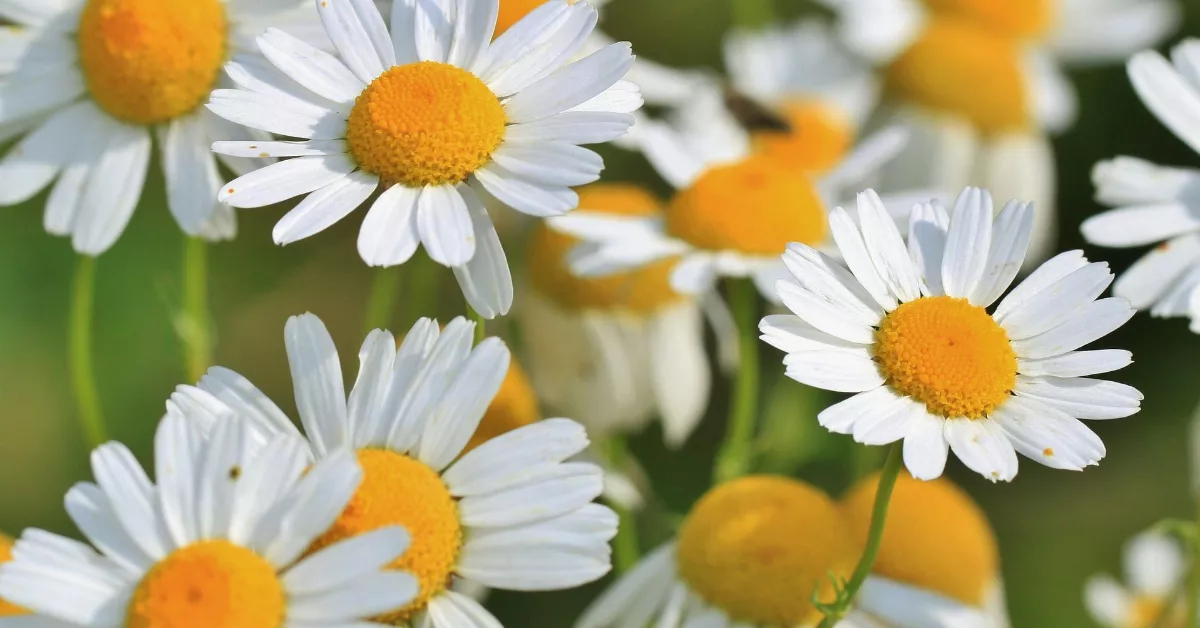
Chamomile brings a gentle herbal-floral character to perfume, often softened by impressions of apple, pear, tea, hay, or warm sweetness. The exact effect depends on the chamomile material being referenced, and a listed chamomile note does not necessarily mean the fragrance contains a literal natural chamomile extract.
What is chamomile?
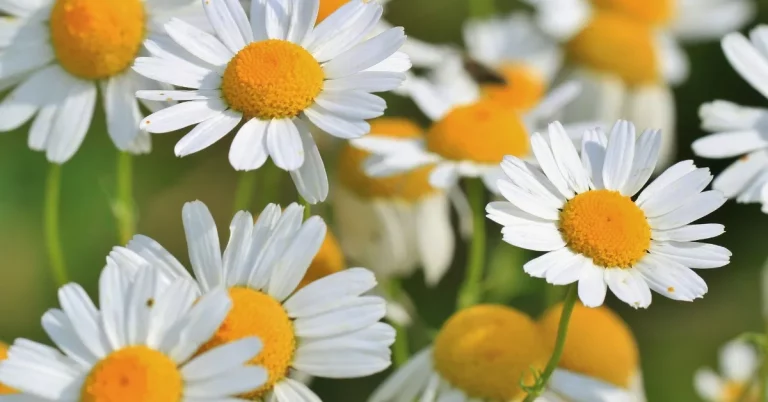
Chamomile is a familiar name shared by more than one aromatic flowering plant. In perfumery, Roman chamomile and German or blue chamomile are especially useful reference points because their aromatic materials do not smell exactly alike.
One name, several aromatic expressions
Roman chamomile, commonly identified as Chamaemelum nobile, can yield an essential oil with a strong fresh-fruity, sweet-warm herbal character. Its aroma is often compared with green apple peel, pear, berries, and a light herbal or woody drydown.
German chamomile, commonly identified as Matricaria recutita or Matricaria chamomilla, is associated with blue chamomile oil. That material can smell warmer, sweeter, fuller, and more deeply herbaceous. A perfume may also recreate a chamomile impression without using either natural oil.
What does chamomile smell like?
Chamomile can feel soft and comforting, but it is not simply the smell of dried tea bags. In fragrance, its profile can move between crisp fruit, leafy herbs, mellow florals, warm hay-like tones, and a lightly woody finish.
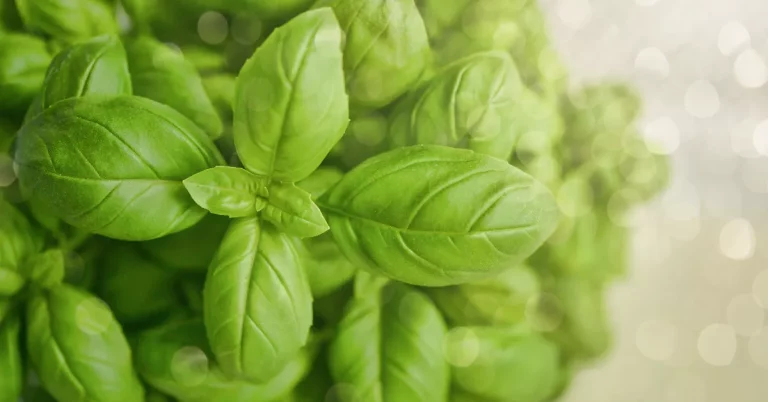
A green, aromatic quality gives chamomile its unmistakably botanical character.
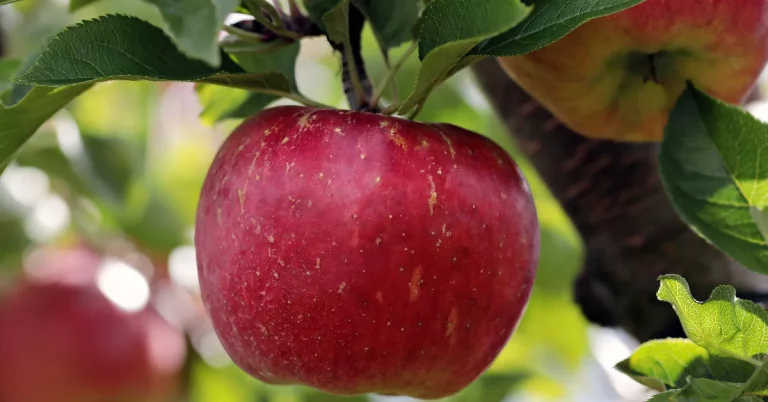
Roman chamomile can suggest tart green apple peel, pear, berries, or other gently juicy fruit nuances.
Its sweetness is usually quieter and more plant-like than a sugary gourmand note.
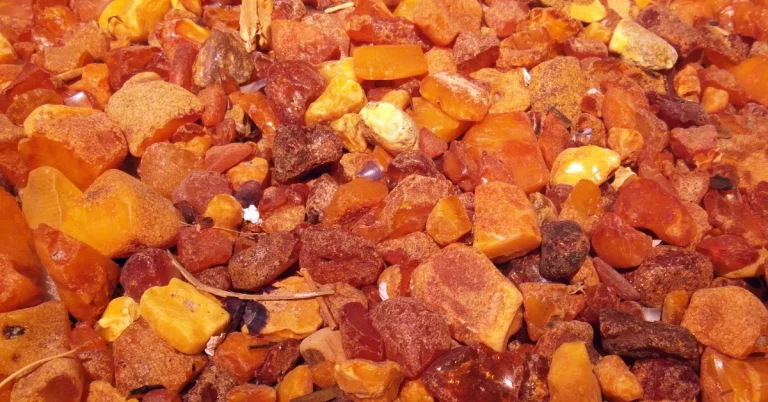
Herbal warmth can create the familiar impression of a delicate infusion, especially beside woods, fruits, or amber.
Chamomile can blur into soft floral territory, helping flowers feel more natural, airy, or meadow-like.
Blue chamomile materials can bring a fuller, richer undertone that stays present as brighter notes fade.
Why chamomile can smell so different
The word on a perfume note list is broader than a single raw material. Roman and German chamomile have distinct aromatic profiles, and a perfumer can emphasize different facets by changing the material, dose, and surrounding accord.
Roman and blue chamomile
Roman chamomile essential oil is strongly diffusive and combines fresh herbal tones with sweet-warm fruitiness. It is particularly associated with apple, pear, and berry-like impressions and can work as a small but distinctive modifier in perfume.
German or blue chamomile essential oil is deeper in color and aroma, with a warm, sweet, full-bodied herbaceous profile. In perfumery it may be used sparingly to add a rich aromatic undertone rather than to make the whole fragrance smell overtly of chamomile.
What changes the impression?
- Different chamomile species can emphasize different fruity, herbal, floral, or warm facets.
- A small dose may act as a naturalistic modifier rather than a recognizable standalone note.
- Citrus and green notes can make chamomile feel brighter, crisper, and more aromatic.
- Amber, woods, fruit, and spices can reveal its warmer, sweeter, tea-like side.
How chamomile works in a fragrance
Chamomile is often most interesting as a bridge. It can connect fruit to flowers, herbs to woods, or a fresh opening to a warmer base while giving the composition a distinctive natural, slightly unexpected texture.
What pairs well with chamomile?
Chamomile is especially versatile when paired with luminous citrus, gentle florals, aromatic herbs, and warm base notes. The best partners either sharpen its fresh side or deepen its soft tea-like warmth.

Four ways chamomile changes a perfume
These fragrances show how broadly chamomile can behave: as a fresh herbal accent beside cherry, a green-floral heart, a warm spice-and-fruit contrast, or a naturalistic counterpoint to rose.
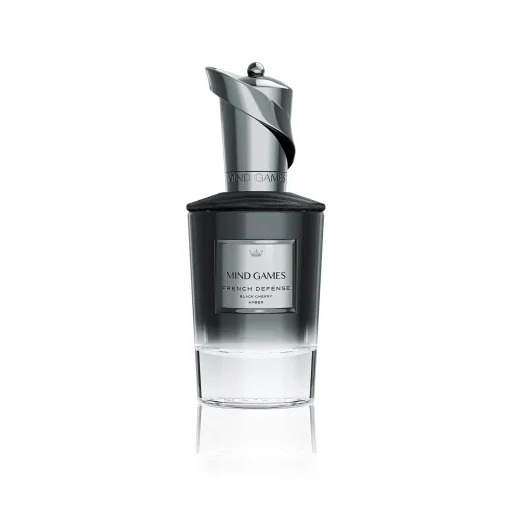
French Defense
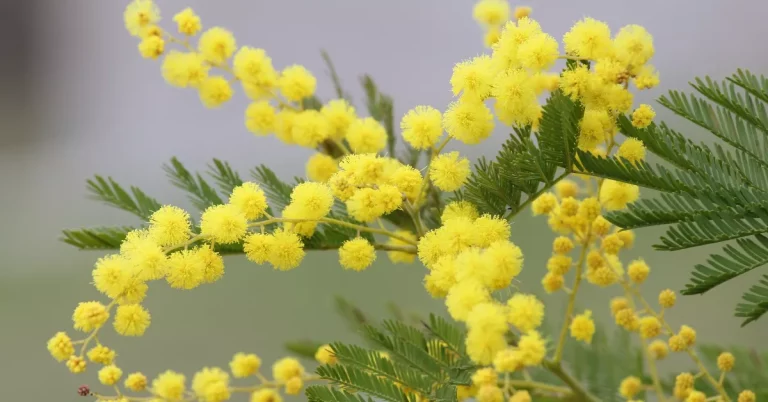
French Defense places chamomile in a vivid opening with cherry and violet leaves, then moves through geranium, rose, and mimosa into amber and dry woods. The herbal note gives the fruit a greener edge and helps connect the bright opening to the floral heart.
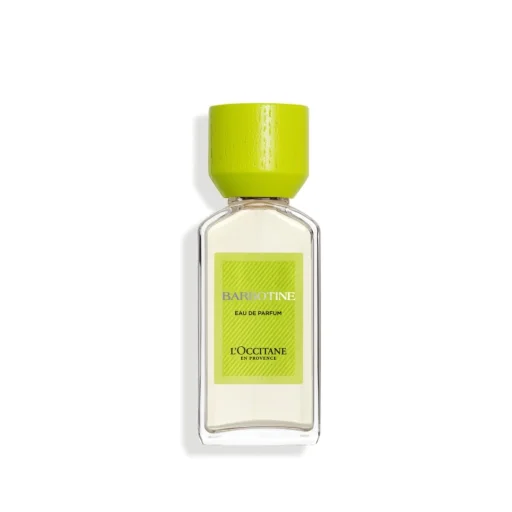
Barbotine
Barbotine builds an aromatic green-floral composition around mint, lily-of-the-valley, bergamot, chamomile, and tansy. Amber appears alongside the chamomile in the heart, while musk and woods give the drydown a softer, grounded finish.
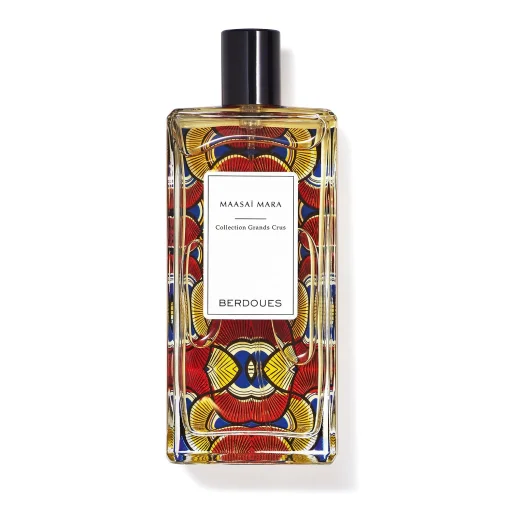
Maasai Mara
Maasai Mara opens with bitter orange and chamomile before moving into dried fruits, plum, artemisia, and rose. Cinnamon, benzoin, labdanum, vanilla, patchouli, and buchu create a markedly warmer base, turning chamomile into part of a rich aromatic-spicy contrast.
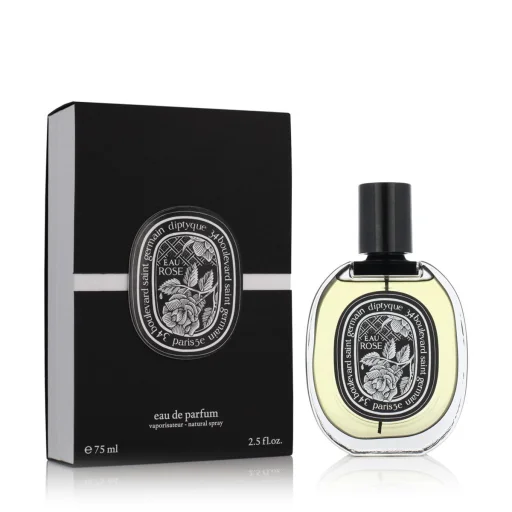
Eau Rose Eau de Parfum
Eau Rose places chamomile inside a layered rose heart with Damask rose, Grasse rose, rose water, and artichoke. Litchi supplies fruit at the top, while musk and woods keep the base restrained and allow the green-herbal facets around the roses to remain noticeable.
Four different chamomile directions
French Defense
- Chamomile partners
- Cherry, violet leaves, geranium, rose, mimosa
- Surrounding character
- Fruity, floral, green, ambered, woody
- Choose this direction if…
- You want chamomile used to sharpen and naturalize a juicy fruit-and-floral composition.
Barbotine
- Chamomile partners
- Mint, lily-of-the-valley, tansy, amber, cedar, sandalwood
- Surrounding character
- Green, aromatic, floral, softly woody
- Choose this direction if…
- You want the most overtly herbal and botanical treatment of chamomile in this group.
Maasai Mara
- Chamomile partners
- Bitter orange, dried fruits, plum, artemisia, cinnamon, labdanum
- Surrounding character
- Fruity, warm spicy, resinous, aromatic
- Choose this direction if…
- You like chamomile contrasted with dark fruit, spice, balsamic resins, and vanilla warmth.
Eau Rose Eau de Parfum
- Chamomile partners
- Rose, rose water, artichoke, litchi, musk, woods
- Surrounding character
- Rosy, green, floral, lightly fruity
- Choose this direction if…
- You want chamomile to add a fresh botanical twist to a polished rose fragrance.
Chamomile perfume FAQ
Does chamomile in perfume smell like chamomile tea?
Sometimes it can suggest a warm herbal infusion, but perfume chamomile is broader than tea. Depending on the material and composition, it may smell fresher, fruitier, greener, more floral, or more deeply herbaceous.
Is chamomile a floral or an herbal perfume note?
It can sit between both. Chamomile comes from flowering plants, but its perfume character is often described as aromatic and herbaceous, with softer floral, fruity, tea-like, or warm facets around that core.
Why can chamomile smell fruity?
Roman chamomile essential oil is notably fresh-fruity as well as herbal. Descriptions of the natural material commonly compare parts of its aroma with green apple peel, pear, and berries.
What is blue chamomile?
Blue chamomile usually refers to essential oil from German chamomile. The distilled oil is known for its blue color and a warm, sweet, full-bodied herbaceous aroma that differs from the brighter fruity-herbal profile often associated with Roman chamomile.
Does a chamomile note mean natural chamomile oil is in the perfume?
No. A perfume note describes the smell the composition is intended to suggest. The effect may come from a natural chamomile material, a constructed accord, other aromatic materials, or a combination of approaches.
What kinds of perfumes suit chamomile?
Chamomile works especially well in aromatic, green, floral, fruity, woody, and warm amber compositions. It can be a recognizable theme, but it is also useful in small amounts as a bridge between otherwise contrasting notes.
A small flower with an unusually broad perfume vocabulary
Chamomile can smell bright and apple-like, soft and tea-like, green and aromatic, or warm and herbaceous. That flexibility is exactly what makes it interesting in perfume: it can stand out as an unusual botanical note or quietly reshape the fruit, flowers, herbs, woods, and amber around it.